

Inulin for Dogs – Benefits, Safety and Dosage
As the interest in canine nutrition and wellness grows, inulin has emerged as a key component in promoting the health of dogs. This comprehensive guide provides an in-depth look at inulin, exploring its nature, sources, health benefits, safety, and recommended dosages, tailored for those interested in the field of veterinary nutrition.
What is Inulin?
Inulin is a type of non-digestible carbohydrate known as a fructo-oligosaccharide (FOS). It is categorised as a prebiotic, which means it serves as food for beneficial gut bacteria. Inulin is unique because it passes through the small intestine undigested, reaching the colon where it promotes the growth of healthy bacteria. This process plays a crucial role in maintaining gut health and has systemic effects on the overall health of the dog.
Chemical Structure
Inulin is primarily composed of chains of fructose molecules linked together by beta (2-1) bonds. The length of these chains can vary, which influences its solubility and fermentation rate. (1)
Sources of Inulin
Inulin is naturally found in a variety of plants. However, the concentration varies significantly among different sources. Some of the most inulin-rich plants include:
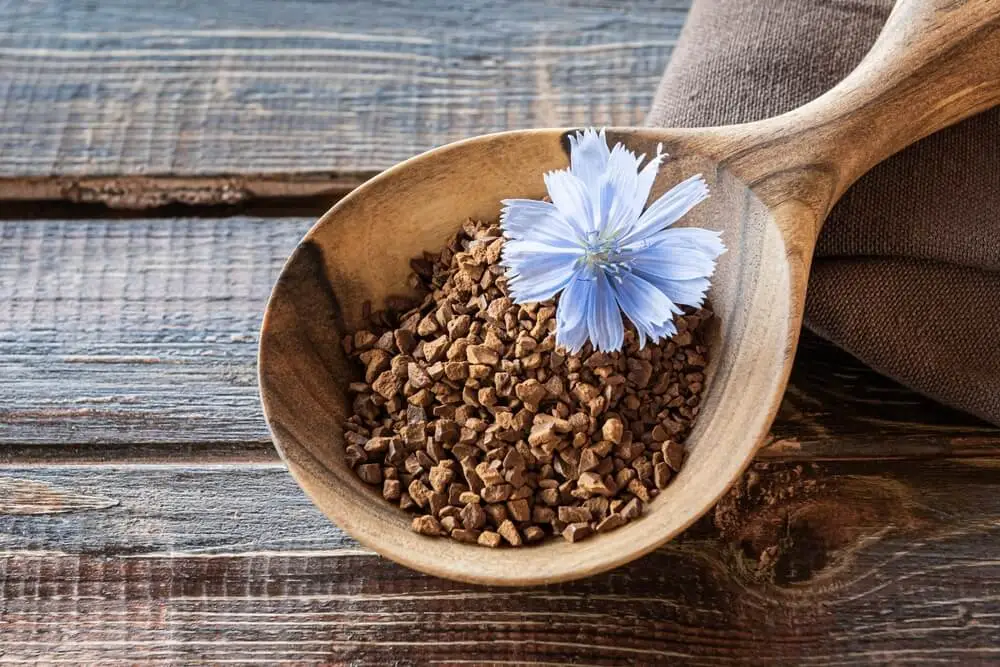
- Chicory Root: One of the most common commercial sources of inulin. It contains up to 68% inulin by dry weight. (2)
- Jerusalem Artichokes: Known for their high inulin content, which research has shown to be as high as 81%. (3)
- Garlic and Onions: These common kitchen ingredients contain about 41% and 27% inulin by dry weight respectively. (4) Note: You should not feed your dogs garlic or onions, although rarely fatal they can cause significant discomfort.
- Asparagus: Contains about 2-3% inulin.
- Bananas: A more modest source, with around 0.3-0.7% inulin.
In pet foods, inulin is often added as a functional ingredient, derived mainly from chicory root due to its high concentration and economic feasibility.
Different Forms of Inulin
Inulin when extracted from its source is generally found in powdered form, although it is available in gel format. Inulin powder is the most common format.
Health Benefits for Dogs of Inulin
Digestive Health
Inulin’s prebiotic nature significantly benefits a dog’s digestive system. It enhances bowel function, leading to more consistent and healthier stools. Inulin also aids dogs suffering from diarrhoea. (5) By fostering a healthy gut microbiome, it also helps in preventing gastrointestinal disorders like IBD, IBS and Colitis.
Immune System Enhancement
The gut microbiome, supported by inulin and probiotics, plays a vital role in the immune system. A healthy gut can aid in preventing infections and has been linked to a reduced risk of certain autoimmune diseases. (6, 7)
Weight Management
Approximately 50% of dogs are considered overweight or obese. Nutrients that can help to manage and control dog’s weight are an important aspect of their nutrition. As a fibre, inulin can assist in weight management. (8) It adds bulk to the diet without extra calories and promotes a sense of fullness, which can help in preventing overeating.
Nutrient Absorption
Inulin can enhance the absorption of minerals like calcium and magnesium, vital for bone health and overall physiological functions. (9)
Allergy Management
There is emerging evidence that inulin may help in managing allergies in dogs by improving gut health and immune function, thereby reducing inflammatory responses. (10)
Is Inulin Safe for Dogs
Inulin is generally considered safe for dogs. However, like any dietary fibre, excessive consumption can lead to:
- Gastrointestinal Discomfort: Including bloating and gas.
- Diarrhoea: Especially if excessive inulin is introduced too quickly into the diet.
It’s important for dog owners to note that the individual tolerance of inulin can vary among dogs, necessitating a personalised approach to its inclusion in diets.
Inulin in Dog Food
Premium dog foods include inulin in their formulas because of its positive health effects as outlined above. Having inulin included as part of a carefully balanced, nutritionist developed recipe ensures that dogs receive a daily dose of prebiotic inulin that is both effective in delivering the required health outcomes and safe for dogs accounting for the size and weight of the dog.
Inulin powder can be added to a dog’s meal by sprinkling it on top of their wet or dry food or adding it to home-cooked meals although ensuring the correct dosage requires significantly more effort.
Inulin Dosage for Dogs
Determining the right dosage of inulin for dogs is crucial. The appropriate amount can vary depending on the dog’s size, diet, and overall health. A general guideline is to start with small quantities, such as 0.05% of the food’s dry matter basis (11) . Incremental increases, while monitoring the dog’s response, can help identify the optimal dosage.
It is essential for owners to collaborate with veterinarians when studying inulin’s effects on dogs, especially those with specific health conditions or dietary needs.
Inulin is a multifaceted dietary component that can significantly contribute to a dog’s health. Its role in promoting gut health, supporting the immune system, aiding in weight management, and possibly reducing allergic responses makes it a valuable subject for further research in canine nutrition. As with any dietary supplement, understanding the nuances of its effects and appropriate usage is crucial for maximising its benefits while ensuring the safety and well-being of dogs.
Where Inulin Works
Functional Class
Systems Supported
Microbiome: Inulin intervention trials demonstrate consistent bifidogenic shifts and elevated faecal short-chain fatty acid output within two to four weeks of daily supplementation.
Gut-Immune Axis: Inulin-derived butyrate fuels colonocyte energy metabolism, reinforces tight-junction protein expression, and induces regulatory T-cell populations that underpin mucosal immune tolerance.
Gut-Brain Axis: Inulin fermentation generates SCFAs and modulates tryptophan availability, two pathways linked to vagal signalling and serotonin synthesis along the gut-brain axis.
Gut-Metabolic Axis: Inulin-driven propionate production engages GLP-1 and PYY satiety signalling, with documented effects on insulin sensitivity and lipid metabolism in intervention studies.
Found in Bonza
Delivered as the inulin fraction of Fibrofos™ 60 (concentrated chicory inulin extract) across the Bioactive Bites range: Belly, Block, Banish, Biotics, Bounce, and Boost; and as the inulin component of dried chicory in Superfoods & Ancient Grains.
Bonza Superfoods and Ancient Grains formula, a premium vegan dog food, includes inulin and baobab, quality prebiotics that have been clinically researched to deliver positive health outcomes for dogs.