

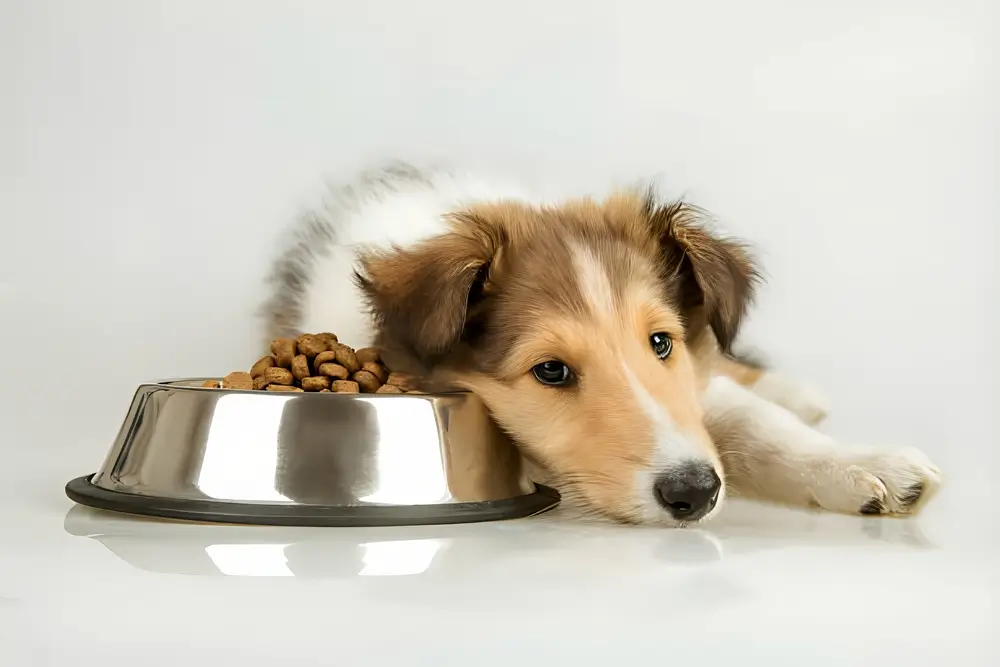
How To Switch Dog Food – Guide to Transitioning
Switching your dog to a new food can be a crucial step in ensuring their health and happiness. Whether due to health concerns, dietary preferences, or lifestyle changes, transitioning your dog’s food should be approached with care. This article will guide you through the process, addressing key aspects and answering common questions to ensure a smooth transition for your furry friend.
Table of Contents
Reasons For Switching Dog’s Food
- Health Issues
- Life Stage Changes
- Dietary Preferences
- Nutritional Quality
- Veterinary Recommendations
How Long Does It Take for a Dog to Adjust to New Food?
Reasons Dogs May Take Longer to Accept New Food
- Neophobia
- Sensory Preferences
- Previous Negative Experiences
What Happens if You Change Your Dog’s Food Too Fast?
How to Switch Dog Food Without Diarrhoea
- Gradual Transition
- Monitoring and Adjusting
Symptoms of Switching a Dog’s Food Too Quickly
- Diarrhoea
- Vomiting
- Loss of Appetite
- Lethargy
- Excessive Gas
Best Ratio and Timing of Mixing Foods When Transitioning
How Transitioning Dog’s Food Can Affect Stool Quality
Reasons For Switching Dog’s Food
There are several reasons why you might need or want to switch your dog’s food:
- Health Issues: Conditions like allergies, digestive problems, or specific health needs (e.g., kidney disease, diabetes) may require a dietary change.
- Life Stage Changes: Puppies, adults, and senior dogs have different nutritional requirements. Transitioning to age-appropriate food ensures they receive the right nutrients.
- Dietary Preferences: Dogs can develop preferences or aversions to certain foods, and switching can help cater to their tastes.
- Nutritional Quality: You might want to upgrade to a higher-quality food with better ingredients.
- Veterinary Recommendations: Vets often recommend dietary changes based on a dog’s health assessment.
How Long Does It Take for a Dog to Adjust to New Food?
The adjustment period for a dog to new food typically ranges from 7 to 14 days. However, this can vary based on the dog’s sensitivity, the difference between the old and new foods, and the dog’s overall health.
Reasons Dogs May Take Longer to Accept New Food
Neophobia
Neophobia, or the fear of new things, can make some dogs hesitant to try new food. This is more common in older dogs or those who have had limited exposure to different types of food.
Sensory Preferences
Dogs have strong preferences based on smell, taste, and texture. If the new food is significantly different, it may take longer for them to accept it.
Previous Negative Experiences
If a dog has previously had a bad reaction (e.g., vomiting, diarrhoea) to a new food, they may be more resistant to future changes.
What Happens if You Change Your Dog’s Food Too Fast?
Rapid changes in a dog’s diet can lead to several issues, including:
- Gastrointestinal Upset: Vomiting, diarrhoea, and excessive gas are common.
- Refusal to Eat: Sudden changes can cause a dog to reject the new food entirely.
- Nutrient Imbalance: Abrupt transitions can disrupt the balance of nutrients your dog is accustomed to, leading to potential health issues.
How to Switch Dog Food Without Diarrhoea
Gradual Transition
The key to preventing diarrhoea during a food transition is to change your dog’s diet gradually:
- Days 1-2: 75% old food, 25% new food
- Days 3-4: 50% old food, 50% new food
- Days 5-6: 25% old food, 75% new food
- Day 7 onward: 100% new food
Monitoring and Adjusting
Closely monitor your dog’s stool quality and overall behaviour. If any signs of gastrointestinal distress appear, slow down the transition process.
Symptoms of Switching a Dog’s Food Too Quickly
Common symptoms include:
- Diarrhoea
- Vomiting
- Loss of Appetite
- Lethargy
- Excessive Gas
These symptoms indicate that the dog’s digestive system is struggling to adjust to the new food.
hese symptoms indicate that the dog’s digestive system is struggling to adjust to the new food.
Reasons for Specific Responses to Switching Foods
Diarrhoea
Diarrhoea occurs because the digestive system is not accustomed to the new ingredients, leading to rapid transit of food through the intestines without proper absorption. This can be due to:
- Abrupt Change in Diet: Sudden introduction of new ingredients can shock the gut.
- Different Fibre Content: New foods may have higher or lower fibre, affecting stool consistency.
- Intolerance or Allergy: Certain ingredients might not agree with your dog’s digestive system.
Vomiting
Vomiting is often a sign that the stomach is irritated by the new food. This can happen due to:
- Overeating: Dogs may eat too much of the new food too quickly.
- Ingredient Sensitivity: Some ingredients might be harder to digest.
- Sudden Dietary Change: The stomach may react negatively to new textures or flavours.
Loss of Appetite
A dog may lose appetite because of:
- Taste and Texture Differences: New food may not be as palatable as the old one.
- Stress or Anxiety: Changes in diet can cause anxiety, leading to reduced interest in food.
- Digestive Discomfort: If the new food causes mild digestive upset, the dog may be reluctant to eat.
Lethargy
Lethargy can occur if the new food:
- Lacks Nutrients: It may not meet the dog’s energy requirements.
- Causes Digestive Distress: Discomfort from gastrointestinal issues can lead to lower activity levels.
- Includes Allergens: Ingredients causing mild allergic reactions can sap energy.
Excessive Gas
Excessive gas is usually a result of:
- Fermentation of New Ingredients: The gut bacteria may ferment new ingredients, producing gas.
- Sudden Fibre Changes: High fibre can cause gas as the digestive system adjusts.
- Food Intolerances: Certain ingredients might not be well-tolerated, leading to gas production.
Best Ratio and Timing of Mixing Foods When Transitioning
The ideal ratio and timing for mixing old and new foods are crucial for a smooth transition:
- Days 1-2: 75% old food, 25% new food
- Days 3-4: 50% old food, 50% new food
- Days 5-6: 25% old food, 75% new food
- Day 7 onward: 100% new food
Adjust the timing based on your dog’s response, extending the period if any gastrointestinal issues arise.
How Transitioning Dog’s Food Can Affect Stool Quality
Transitioning your dog’s food can temporarily affect stool quality. Normal stool should be firm and well-formed. During the transition:
- Slightly Soft Stool: This can be normal as your dog’s digestive system adjusts.
- Diarrhoea: Indicates a need to slow down the transition.
- Constipation: Could suggest the new food is not providing enough fibre.
Monitoring stool quality is an essential part of the transition process. Aim for a gradual change, ensuring that the stool remains firm and regular.
Conclusion
Switching your dog’s food requires patience, observation, and a gradual approach to ensure their digestive health and overall well-being. By understanding the reasons behind a food switch, recognising symptoms of a fast transition, and following best practices for mixing and timing, you can make the transition smooth and stress-free for your dog. Always consult with your veterinarian before making any significant changes to your dog’s diet to ensure it meets their specific health needs.