

Pug Health Problems – A Guide for Owners
Summary
Pugs are one of the most recognisable and adored dog breeds, renowned for their wrinkled faces, curled tails, and affectionate demeanour. However, their unique physical traits and genetic predispositions make them susceptible to several health problems. This comprehensive guide provides an in-depth analysis of common health issues in Pugs, exploring their physiological causes, symptoms, treatment protocols, and nutritional strategies to support health management. It also addresses frequently asked questions about Pug health, making it a valuable resource for owners and researchers.
Table of Contents
- Overview of the Breed
- Unique Physical Characteristics
Common Health Problems in Pugs
- Brachycephalic Airway Syndrome (BAS)
- Skin Fold Dermatitis and Allergies
- Spinal Conditions (Hemivertebrae)
- Eye Problems (Dry Eye, Proptosis, Entropion)
- Hip Dysplasia and Patellar Luxation
- Obesity and Related Issues
- Neurological Disorders (Pug Dog Encephalitis – PDE)
- Dental Issues
Physiological Causes of Health Issues
- Brachycephalic Conformation
- Genetic Predispositions
- Environmental and Lifestyle Factors
Symptoms and Treatment Protocols
- Recognising Health Issues in Pugs
- Medical and Surgical Interventions
- Nutrition and Health Issues
- Skin and Coat Health
- Respiratory Health
- Eye Health
- Obesity Management
- Joint and Inflammation Management
- Do Pugs have lots of health problems?
- What are female Pug-specific health issues?
- What is the life expectancy of a Pug?
- What is the life expectancy of a female Pug?
- What is the life expectancy of a male Pug?
- What percentage of Pugs have health problems?
- What are the common causes of death for Pugs?
- Which Pug colour has the most health problems?
Conclusion
Introduction to Pugs
Overview of the Breed
Pugs are small, sturdy dogs with a compact and muscular build. Originating in China over 2,000 years ago, they were bred as companion animals for royalty. Their sociable nature, playful energy, and adaptability make them cherished family pets today.
Unique Physical Characteristics
Pugs are defined by their flat faces, large round eyes, tightly curled tails, and deep facial wrinkles. While these features are central to their appeal, they also contribute to a variety of health challenges, including breathing difficulties, eye problems, and skin infections.
Common Health Problems in Pugs
A large study undertaken by the Royal Veterinary College (RVC) has revealed that the health of Pugs in the UK is now substantially different, and largely worse, than non-Pugs.
Pugs were at higher risk of many other conditions compared to non-Pugs, which included:
- Narrowed nostrils (x 51.3)
- Eye ulceration (x 13.0)
- Skinfold infections (x 11.0)
- Ear discharge (x 9.6)
- Allergic skin disorder (x 5.9)
- Demodectic mange (x 5.6)
- Retained baby teeth (x 4.3)
- Obesity (x 3.4)
Conversely, Pugs had significantly reduced risk of some conditions, including heart murmur (x 0.2); lipoma (x 0.2); aggression (x 0.3); and wounds (x 0.5).
Brachycephalic Airway Syndrome (BAS)
Like other flat-faced breeds, Pugs frequently suffer from BAS, which includes conditions such as stenotic nares (narrow nostrils), an elongated soft palate, and tracheal hypoplasia (narrow windpipe). These issues result in laboured breathing, snoring, heat intolerance, and exercise intolerance.
Skin Fold Dermatitis and Allergies
Pugs’ deep skin folds are prone to irritation and infection, particularly in hot and humid climates. Allergies to food, pollen, and other environmental triggers often exacerbate these issues.
Spinal Conditions (Hemivertebrae)
Pugs are prone to hemivertebrae, a condition where malformed vertebrae cause spinal curvature. This can lead to pain, weakness, and in severe cases, paralysis.
Eye Problems
Pugs’ large, prominent eyes are vulnerable to a range of conditions, including:
- Eye Ulceration (Corneal Ulcers): Most commonly caused by some form of trauma
- Dry Eye (Keratoconjunctivitis Sicca): A lack of tear production leading to eye irritation.
- Proptosis: Eye displacement due to trauma.
- Entropion: Inward-rolling eyelids causing irritation.
Hip Dysplasia and Patellar Luxation
Hip dysplasia and patellar luxation (dislocated kneecap) are joint disorders that can cause lameness, pain, and arthritis, particularly in older Pugs.
Obesity and Related Issues
Pugs have a tendency to gain weight easily, which exacerbates respiratory issues, joint pain, and cardiovascular stress.
Neurological Disorders (Pug Dog Encephalitis – PDE)
Pug dog encephalitis (PDE), also known as necrotising meningoencephalitis (NME) is a fatal inflammatory brain disease unique to Pugs, characterised by seizures, behavioural changes, and loss of coordination. It is a hereditary condition with no known cure.
Dental Issues
Overcrowded teeth due to their brachycephalic skull structure make Pugs prone to periodontal disease, plaque buildup, and bad breath.
Physiological Causes of Health Issues
Brachycephalic Conformation
The Pug’s flat face contributes to breathing difficulties, overheating, and an increased risk of dental overcrowding. Their short nasal passages also limit their ability to cool air efficiently.
Genetic Predispositions
Selective breeding for specific traits has increased the prevalence of conditions such as hemivertebrae, PDE, and skin fold dermatitis (intertrigo).
Environmental and Lifestyle Factors
Sedentary lifestyles and poor diets can worsen obesity, joint pain, and respiratory conditions. Environmental allergens also play a significant role in skin and respiratory issues.
Symptoms and Treatment Protocols
Recognising Health Issues in Pugs
Symptoms to watch for include laboured breathing, excessive scratching, limping, eye redness or discharge, changes in gait, weight gain, and lethargy. Early detection is key to effective treatment.
Medical and Surgical Interventions
- BAS: Surgical correction of stenotic nares or soft palate resection.
- Skin Fold Issues: Topical treatments and frequent cleaning to prevent infection.
- Spinal Conditions: Anti-inflammatory medications, physical therapy, or surgical intervention.
- Eye Problems: Lubricating drops, antibiotics, or surgery for severe cases.
- Joint Issues: Pain relief, physiotherapy, and in severe cases, corrective surgery.
Nutrition and Health Issues
Skin and Coat Health
- Omega-3 Fatty Acids: Found in fish oil and algal oil, these reduce skin inflammation and improve coat quality.
- Vitamin E and Zinc: Essential for skin repair and maintenance, available in fortified foods and supplements.
- Turmeric (Curcumin): Anti-inflammatory properties help reduce redness and itching.
- Probiotics and Postbiotics: Enhance gut health, reducing systemic inflammation linked to skin issues.
Respiratory Health
- Antioxidants (Vitamin C and E): Combat oxidative stress in respiratory tissues.
- Herbs like Mullein: Support respiratory health and ease airway inflammation.
Eye Health
- Vitamin A and Lutein: Protect against oxidative damage and support vision.
- Bilberry and Eyebright: Improve blood flow to ocular tissues and reduce irritation.
Obesity Management
- High-Quality Protein Sources: Maintain lean muscle mass while promoting weight loss.
- Low-Glycaemic Carbohydrates: Such as sweet potatoes, quinoa and lentils, to avoid blood sugar spikes.
- L-Carnitine: Aids in fat metabolism.
Joint and Inflammation Management
- Glucosamine and Chondroitin: Promote joint repair and reduce inflammation.
- Boswellia Serrata and Turmeric: Effective for reducing arthritis symptoms.
- Hyaluronic Acid: Improves joint lubrication and mobility.
Frequently Asked Questions
Do Pugs have lots of health problems?
Yes, Pugs are predisposed to several health issues due to their brachycephalic anatomy and genetic factors. Proper care, regular veterinary check-ups, and a healthy lifestyle can mitigate these risks.
What are female Pug-specific health issues?
Female Pugs may face complications during pregnancy and delivery due to their small pelvic size, often requiring caesarean sections. They are also prone to urinary tract infections.
What is the life expectancy of a Pug?
The average lifespan of a Pug is 12–15 years, depending on their health and care.
What is the life expectancy of a female Pug?
Female Pugs generally live 12–15 years, similar to males, although health and lifestyle factors can influence longevity.
What is the life expectancy of a male Pug?
Male Pugs also typically live 12–15 years, provided they remain in good health.
What percentage of Pugs have health problems?
Studies suggest that over 70% of Pugs will experience at least one health issue during their lifetime.
What are the common causes of death for Pugs?
Common causes of death include respiratory failure, neurological conditions such as PDE, and complications from obesity.
Which Pug colour has the most health problems?
Rare coat colours like merle may be linked to higher incidences of genetic defects due to unethical breeding practices. Standard colours, such as fawn and black, generally face fewer risks.
Conclusion
Pugs are affectionate and charming companions, but their unique physical traits and genetic predispositions make them vulnerable to a range of health challenges. By understanding these issues and adopting preventive care strategies—including targeted nutrition and regular veterinary check-ups—owners can help their Pugs live healthy, happy lives. Responsible breeding practices are also essential to reducing the prevalence of hereditary health problems in this beloved breed.
Best Food For Pug Health Problems
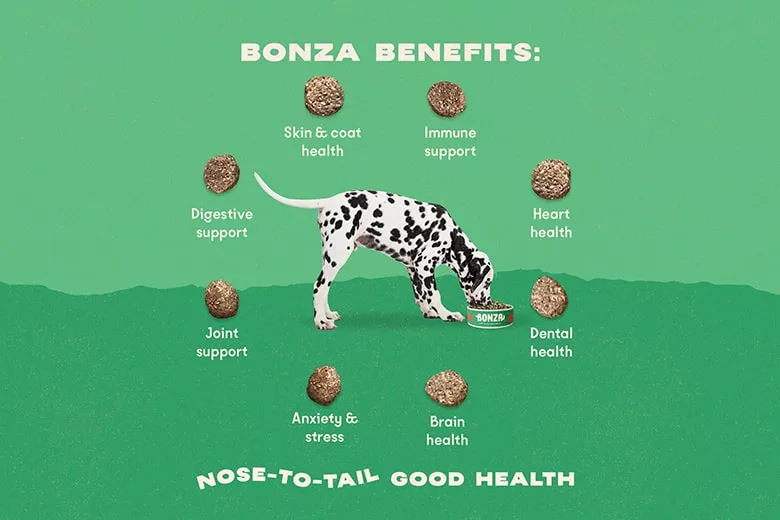
Bonza’s plant-based dog food contains all the ingredients and nutrients required to support some of the most common health issues Beagles may suffer from, at the same time providing daily support for your dog’s health and wellbeing. The Superfoods and Ancient Grains formula is the only dog food that includes DHAgold™, an Omega-3 with DHA, DPA and EPA, Calsporin®, a quality Bacillus subtilis/velenzis probiotic, TruPet™ postbiotic, and prebiotics including FOS and MOS. A number of potent anti-inflammatory ingredients, including medicinal herbs, spices and adaptogens also provide relief from some of the health problems your Beagle may encounter.