

Natural Flea Treatments for Dogs – Environmentally Friendly Alternatives
Summary
Recent research has highlighted significant environmental concerns regarding routine chemical flea treatments for pets. This comprehensive guide explores the environmental impact of conventional flea treatments and presents effective natural flea treatment alternatives that protect both pets and ecosystems.
Environmental Impact of Chemical Flea Treatments
- Scale of the Problem
- Contamination Pathways
- Impact on Wildlife
- Professional Concerns
- Regulatory Status
Natural Alternatives to Chemical Treatments
- Preventive Measures
- Natural Treatment Options
- Topical Solutions
- Environmental Management
- Developing an Effective Natural Program
- Cost Considerations
Recommendations for Pet Owners
- Immediate Actions
- Long-term Strategies
Environmental Impact of Chemical Flea Treatments
Scale of the Problem
Chemical flea treatments contain powerful insecticides that pose significant environmental risks. A single monthly treatment for a large dog contains enough imidacloprid to potentially eliminate 25 million bees. (1) These treatments affect not only the target parasites but also:
- Beneficial insects in the environment
- Songbird populations
- Aquatic ecosystems
- Soil microorganisms
- Overall biodiversity
Contamination Pathways
Chemical treatments can enter the environment through multiple routes:
- Leaching from pet fur during outdoor activities
- Transfer from human hands after application
- Washing of pet bedding
- Direct contamination of waterways
- Indirect exposure through contaminated materials (e.g., pet fur used in bird nests)
Impact on Wildlife
Recent studies from the University of Sussex have identified concerning effects on wildlife:
- Songbirds inadvertently poisoning their young through contaminated nest materials (2)
- Decline in beneficial insect populations
- Potential disruption of food chains
- Contamination of water systems affecting aquatic life (3)
Current Veterinary Practices
Professional Concerns
The standard practice of prescribing preventative treatments regardless of flea presence has raised concerns among experts:
- Professor Dave Goulson of the University of Sussex criticises the practice as “profiteering”
- Growing calls for more responsible prescription protocols
- Need for sustainable alternatives
- Parallel drawn to human treatment approaches (e.g., treating nits only when present)
Regulatory Status
- UK government considering total ban on imidacloprid in agriculture (4)
- Pet treatments currently exempt from proposed restrictions
- British Veterinary Association calling for more research
- Push for risk-based approach to prescribing
Natural Alternatives to Chemical Treatments
Preventive Measures
Several effective natural flea treatment methods can prevent flea infestations:
- Regular grooming with flea combs
- Frequent washing of pet bedding
- Vacuuming and cleaning living areas
- Natural repellent plants in gardens
- Maintaining optimal pet health through nutrition
Natural Treatment Options
When treatment is necessary, consider these natural flea protection alternatives:
Topical Solutions:
- Diatomaceous earth (food grade)
- Nematodes for yard treatment
- Essential oil-based treatments (with veterinary guidance)
- Apple cider vinegar solutions
Environmental Management:
- Regular cleaning protocols
- Natural pest-resistant landscaping
- Beneficial insect encouragement
- Humidity control
Implementation Strategies
Developing an Effective Natural Program
- Regular monitoring for flea presence
- Establishing cleaning routines
- Integrating multiple natural approaches
- Working with supportive veterinary professionals
- Maintaining treatment records
Cost Considerations
While initial veterinary consultations may be necessary:
- Reduced long-term treatment expenses
- Lower environmental impact costs
- Fewer adverse effects on pet health
- More sustainable approach to pest management
Recommendations for Pet Owners
Immediate Actions
- Consult with veterinarians about natural alternatives
- Implement preventive measures
- Monitor pet health closely
- Use chemical treatments only when necessary
Long-term Strategies
- Develop sustainable pest management routines
- Support research into natural alternatives
- Share successful natural treatment experiences
- Advocate for environmentally responsible practices
Conclusion
The environmental impact of routine chemical flea treatments demands a shift toward more sustainable practices. By adopting natural alternatives and responsible treatment protocols, pet owners can protect both their animals and the environment. This approach requires greater awareness, commitment to preventive measures, and support from veterinary professionals in developing effective, environmentally conscious pest management strategies.
This shift in approach not only benefits wildlife and ecosystems but also promotes a more sustainable and holistic approach to pet care. As research continues to reveal the far-reaching effects of chemical treatments, the importance of adopting natural alternatives becomes increasingly clear.
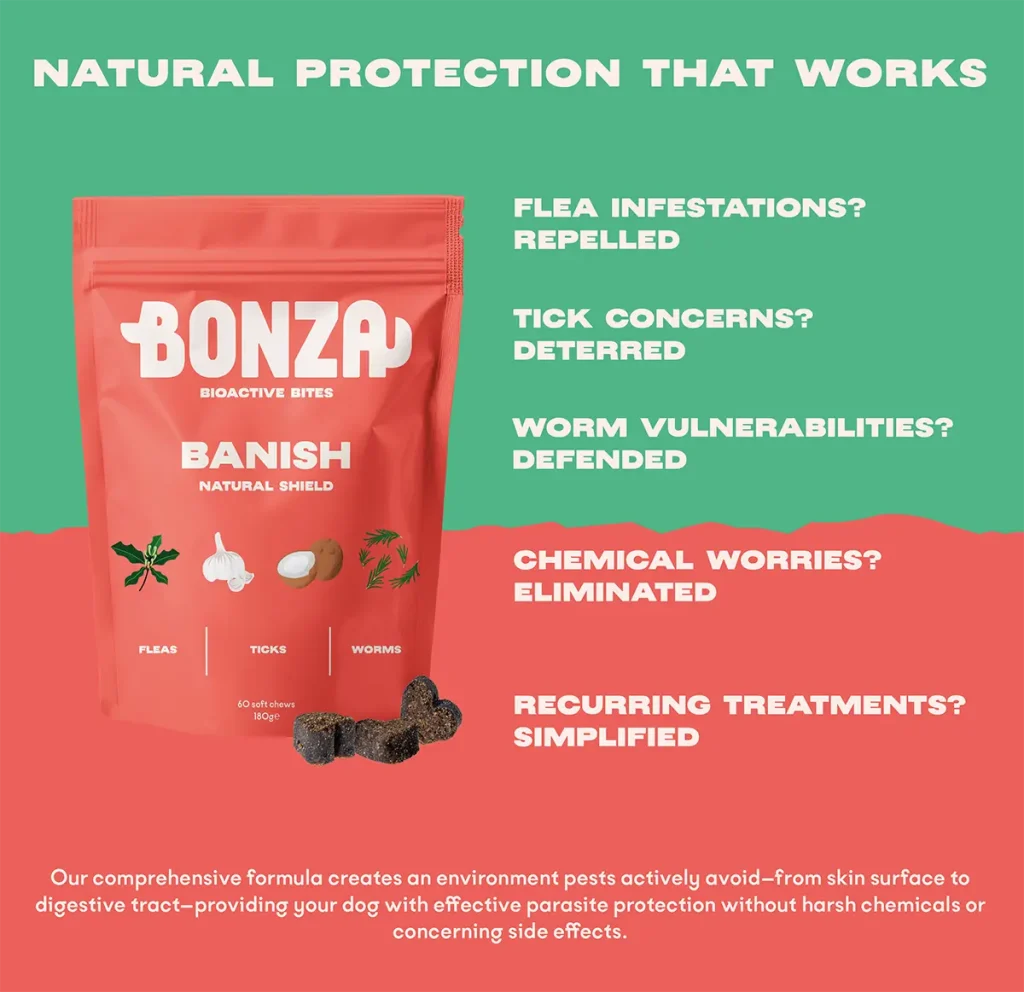
Banish Bioactive Bites: Natural flea & tick prevention for dogs. Chemical-free soft chews safely repel fleas, ticks & internal worms.
Our specialised soft chews combine potent natural repellents, pest-resistant compounds, and immune-supporting botanicals to:
- Create an environment on your dog’s skin and in their system that pests actively avoid
- Support healthy intestinal flora that naturally resists worm colonisation
- Provide comprehensive protection without compromising your dog’s wellbeing
- Build a natural defence system that works continuously with regular use
Formulated with ingredients scientifically selected for their pest-repelling properties and safety profile, these effective chews deliver reliable protection in a form your dog will happily consume – making consistent preventative care simple and worry-free.