

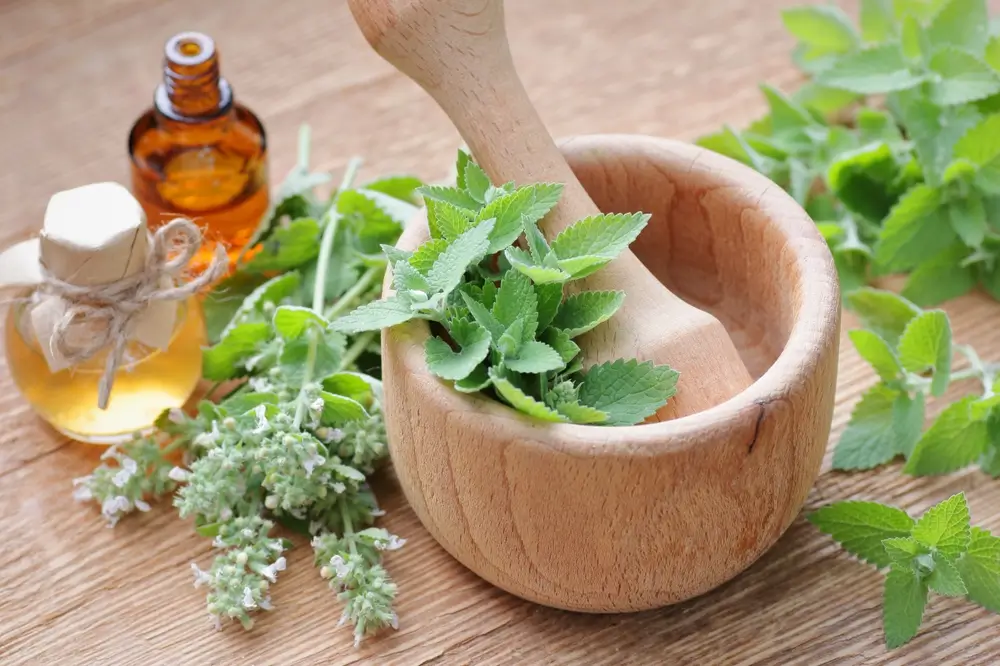
Melissa Officinalis: Natural Calming & Wellness Support for Dogs
Melissa officinalis, commonly known as lemon balm, is a versatile herb with remarkable therapeutic properties that has gained increasing recognition in veterinary care. This comprehensive guide explores the scientific evidence, therapeutic applications, and practical considerations of using lemon balm to support canine health and wellbeing.
Summary
Lemon balm is a perennial herb from the mint family that has been used for centuries in traditional medicine across different cultures. Modern research has validated its calming, antiviral, and digestive benefits, making it particularly valuable for managing various canine health concerns. This article provides detailed information about its benefits, active compounds, and proper administration for dogs.
Key Takeaways
- Natural calming agent with minimal side effects
- Contains multiple bioactive compounds, primarily rosmarinic acid and flavonoids
- Particularly effective for anxiety, stress, and nervous conditions
- Supports digestive health and comfort
- Demonstrates antiviral and antimicrobial properties
- Requires proper dosing and administration for optimal results
- Shows promising results in managing chronic stress-related conditions
- Can be used alongside conventional treatments
Table of Contents
Historical Use and Traditional Applications
Bioactive Compounds and Composition
- Primary Active Compounds
- Essential Oils
- Flavonoids and Phenolic Acids
- Neurotransmitter Regulation
- Antioxidant Pathways
- Anti-inflammatory Properties
- Antiviral and Antimicrobial Effects
Health Benefits and Applications
- Anxiety and Stress Management
- Digestive Support
- Immune System Benefits
- Skin and Coat Health
- Weight-Based Recommendations
- Administration Methods
- Supplement Forms
Safety Considerations and Precautions
- Potential Side Effects
- Contraindications
Frequently Asked Questions – Lemon Balm FAQ
- Common Queries
- Usage Guidelines
- Safety and Interactions
What is Lemon Balm?
Lemon balm (Melissa officinalis) is a lemon-scented perennial herb belonging to the Lamiaceae (mint) family. Native to southern Europe and the Mediterranean region, it now grows worldwide and has been cultivated for over 2,000 years. The plant features serrated, heart-shaped leaves that release a characteristic citrus aroma when crushed, owing to its rich concentration of essential oils.
Historical Use and Traditional Applications
The therapeutic use of lemon balm spans centuries, with documented applications in:
- Ancient Greek and Roman medicine (dating back to 300 BCE)
- Traditional European herbal practices
- Middle Eastern healing traditions
- Early American folk medicine
- Monastic medicinal gardens of the Middle Ages
Historically, lemon balm was revered for its ability to lift the spirits, promote sleep, improve digestion, heal wounds, and reduce fevers—applications that modern science has begun to validate in both human and veterinary contexts.
Bioactive Compounds and Composition
Primary Active Compounds
- Rosmarinic acid
- Caffeic acid
- Chlorogenic acid
- Protocatechuic acid
Essential Oils (0.1-0.3%):
- Citral (neral and geranial)
- Citronellal
- Linalool
- Geraniol
- β-caryophyllene
Flavonoids and Other Components:
- Luteolin
- Quercetin
- Apigenin
- Triterpenoids
- Tannins
Mechanisms of Action
Neurotransmitter Regulation
GABA Activity Enhancement:
- Inhibits GABA transaminase (enzyme that breaks down GABA) also known as ABAT
- Increases available GABA (primary inhibitory neurotransmitter)
- Promotes relaxation without sedation
Cholinergic System Modulation:
- Inhibits acetylcholinesterase
- Supports cognitive function
- Balances autonomic nervous system response
Antioxidant Pathways
Free Radical Scavenging:
- Neutralises harmful reactive oxygen species
- Protects cells from oxidative damage
- Supports cellular repair mechanisms
Enzyme Induction:
- Increases production of antioxidant enzymes
- Enhances cellular protective mechanisms
- Reduces oxidative stress
Anti-inflammatory Properties
Cytokine Modulation:
- Reduces pro-inflammatory cytokine production
- Modulates immune cell activity
- Decreases excessive inflammatory responses
NF-κB Pathway Inhibition:
- Regulates key inflammatory signaling pathway
- Decreases synthesis of inflammatory mediators
- Supports tissue recovery and repair
Antiviral and Antimicrobial Effects
Viral Replication Inhibition:
- Interferes with viral attachment to host cells
- Disrupts viral replication cycles
- Particularly effective against herpes virus family
Bacterial Growth Suppression:
- Inhibits various pathogenic bacteria
- Supports balanced microbiome
- Prevents overgrowth of opportunistic microorganisms
Health Benefits and Applications
Anxiety and Stress Management
Acute Anxiety Relief:
- Reduces situational anxiety (thunderstorms, fireworks)
- Decreases stress-related behaviors
- Promotes calm without drowsiness
Chronic Stress Support:
- Helps manage separation anxiety
- Reduces hyper-vigilance
- Supports healthy stress response
Sleep Enhancement:
- Improves sleep quality
- Helps with nighttime restlessness
- Supports healthy sleep-wake cycles
Digestive Support
Gastrointestinal Comfort:
- Reduces digestive discomfort
- Relieves mild cramping
- Supports normal peristalsis
Nervous Stomach Relief:
- Helps with stress-related digestive issues
- Calms digestive tract hyperactivity
- Balances gut-brain axis responses
Bloating and Gas Reduction:
- Carminative properties reduce gas
- Soothes intestinal muscles
- Improves comfort after meals
Immune System Benefits
Antiviral Support:
- Particularly effective against herpes virus
- Supports overall immune function
- Helps reduce viral load during infections
Balanced Immune Response:
- Modulates rather than simply stimulates immunity
- Supports appropriate immune reactions
- Reduces excessive inflammatory responses
Skin and Coat Health
Topical Applications:
- Soothes minor skin irritations
- Supports healing of minor wounds
- Reduces itching and discomfort
Internal Support:
- Improves coat luster and condition
- Supports skin health from within
- Reduces inflammatory skin conditions
Dosage Guidelines
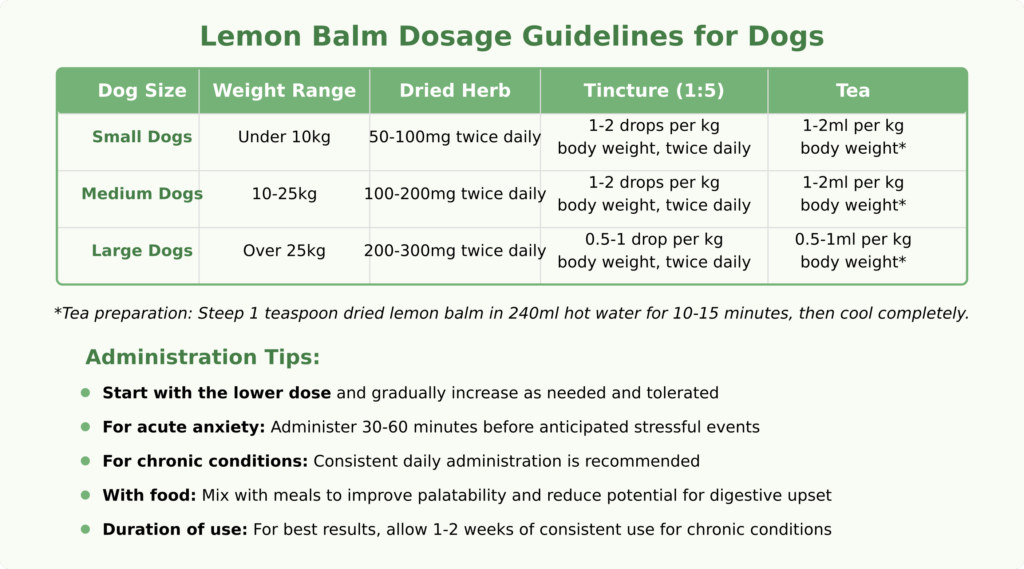
Weight-Based Recommendations
The appropriate dosage of lemon balm for dogs depends on weight, form of administration, and the specific health concern being addressed:
Administration Methods
With Food:
- Mix with wet food
- Sprinkle dried herb on meals
- Add to homemade treats
Direct Administration:
- Diluted tincture orally
- Tea added to drinking water
- Capsules in treat pouches
Supplement Forms
Dried Herb:
- Sprinkled on food
- Incorporated into treats and supplements
- Used to make tea
Tinctures:
- Alcohol-based (use with caution)
- Glycerin-based (safer option)
- Vinegar-based
Capsules/Tablets:
- Commercially prepared supplements
- Standardised extracts
- Combined formulations with complementary herbs
Topical Preparations:
- Infused oils
- Hydrosols
- Balms and salves
Safety Considerations and Precautions
Potential Side Effects
Mild Effects:
- Initial digestive adjustment
- Temporary changes in activity level
- Increased urination
Rare Effects:
- Allergic reactions
- Excessive sedation
- Interaction with medications
Contraindications
- Hypothyroidism (may decrease thyroid hormone)
- Scheduled surgery (discontinue 2 weeks before)
- Pregnancy/nursing
- Certain medication combinations (sedatives, barbiturates)
FAQ – Lemon Balm for Dogs
Yes, lemon balm is generally safe for dogs when administered appropriately. Research and clinical experience show it has minimal side effects and good tolerability. However, proper dosing is important, and a gradual introduction is recommended. As with any supplement, veterinary consultation is advised, especially for dogs with underlying health conditions.
Yes, dogs can safely consume cooled lemon balm tea when prepared properly and given in appropriate amounts. The tea should be made by steeping 1 teaspoon of dried lemon balm in 240ml of hot water for 10-15 minutes, then cooling completely before offering it to your dog. For small dogs, start with just 1-2ml per kg of body weight. Lemon balm tea can be offered directly in a bowl, mixed with regular drinking water, or added to food. It’s particularly useful for dogs who may refuse other forms of the herb. The tea should be freshly prepared, as it loses potency after 24 hours. Never add sweeteners or other additives that might be harmful to dogs.
Yes, substantial evidence supports lemon balm’s effectiveness in managing canine anxiety. Its natural calming properties help reduce nervous behaviours, stress responses, and situational anxiety without causing sedation or personality changes. Many pet owners report notable improvement in anxious behaviours within 30-60 minutes of administration.
Both herbs have valuable calming properties but work through different mechanisms. Lemon balm offers gentle anxiolytic effects with additional benefits for digestive and immune health, while valerian provides stronger sedative effects. For mild anxiety and everyday stress, lemon balm may be preferable due to its gentler action and additional health benefits. They can also be used complementarily for enhanced effects.
Side effects are generally mild and uncommon but may include:
Temporary digestive adjustment
Increased urination
Potential sedation at higher doses
Possible interaction with hypothyroid conditions
The most effective method depends on your dog’s preferences and the specific condition being addressed:
For acute anxiety: Tincture (glycerin-based) offers fastest absorption
For daily support: Dried herb mixed with food or in capsule or supplement form
For digestive issues: Tea or dried herb with meals
For skin conditions: Topical applications combined with internal use
Always start with the lower end of the dosage range and increase gradually as needed.
The onset of action varies depending on the administration method and the condition being addressed:
Acute anxiety effects: 30-60 minutes with tinctures
Digestive benefits: Often apparent within 1-2 hours
Chronic stress support: Cumulative effects over 1-2 weeks of consistent use
Skin and coat improvement: Generally 2-4 weeks of regular administration
Yes, lemon balm often works synergistically with other calming herbs and supplements such as chamomile, L-theanine, and magnesium. These combinations can enhance effectiveness without increasing side effects when properly formulated. Always consult with a veterinarian about specific combinations.
Conclusion
Lemon balm represents a valuable botanical support for canine health, offering multiple benefits beyond its well-known calming properties. Its gentle yet effective action on the nervous system, combined with digestive, immune, and skin benefits, makes it a versatile addition to a holistic approach to dog care. The herb’s long history of traditional use, alongside growing scientific validation, provides confidence in its application for common canine concerns. (1, 2)
Success with lemon balm supplementation depends on proper dosing, quality sourcing, and appropriate administration methods. When used thoughtfully, this herb can significantly contribute to improved quality of life for dogs experiencing anxiety, digestive discomfort, or immune challenges, without the side effects often associated with pharmaceutical interventions.
As with any supplement, individual responses may vary, and lemon balm should be viewed as part of a comprehensive approach to canine wellbeing that includes proper nutrition, regular exercise, and routine veterinary care. Always consult with a veterinarian before starting any new supplement regimen, especially for dogs with existing health conditions or those taking medications.