

Silymarin – Health Benefits for Dogs
Milk thistle (Silybum marianum), with its active compound silymarin, represents a powerful natural hepatoprotective supplement that has gained significant attention in veterinary medicine. This comprehensive guide explores the scientific evidence, therapeutic applications, and practical considerations of using milk thistle for canine health management, with special emphasis on liver support.
Summary
Milk thistle is a flowering herb that has been used for centuries in traditional medicine systems. Modern research has validated its liver-protective, antioxidant, and detoxifying properties, making it particularly valuable for managing various canine health conditions. This article provides detailed information about its benefits, mechanisms of action, and proper administration for dogs.
Key Takeaways
- Natural hepatoprotective agent with minimal side effects
- Contains silymarin, a complex of flavonolignans with potent antioxidant properties
- Particularly effective for liver health and detoxification
- Supports digestive function and immune system health
- Requires proper dosing and administration for optimal results
- Shows promising results in managing acute and chronic liver conditions
- Can be used alongside conventional treatments
Table of Contents
- What is Milk Thistle?
- Historical Use and Traditional Applications
- Bioactive Compounds and Composition
- Primary Active Compounds
- Silymarin Complex
- Flavonoids
- Essential Fatty Acids
- Mechanisms of Action
- Hepatoprotective Pathways
- Antioxidant Activity
- Cell Membrane Stabilisation
- Toxin Blockade
- Health Benefits and Applications
- Liver Support and Detoxification
- Digestive Health
- Kidney Support
- Additional Benefits
- Dosage Guidelines
- Weight-Based Recommendations
- Administration Methods
- Supplement Forms
- Safety Considerations and Precautions
- Potential Side Effects
- Contraindications
- Frequently Asked Questions
- Common Queries
- Usage Guidelines
- Safety and Interactions
- Conclusion
What is Milk Thistle?
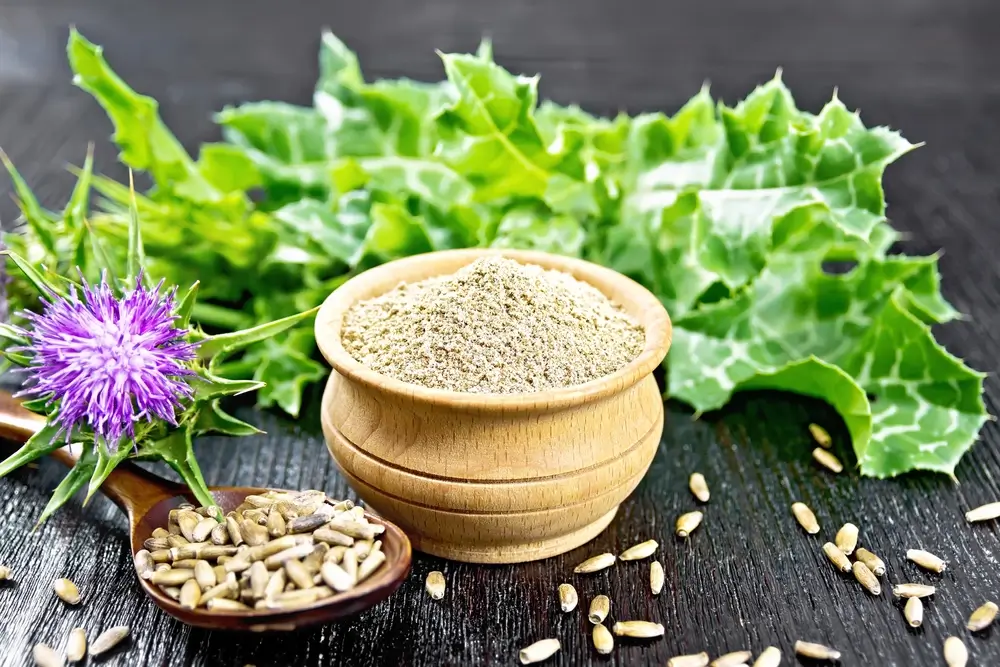
Milk thistle is a thorny plant native to Mediterranean regions, recognisable by its distinctive purple flowers and white-veined leaves. The plant’s seeds contain powerful bioactive compounds that have demonstrated significant therapeutic properties, particularly for liver health. The seeds are harvested and processed to extract their medicinal compounds, primarily silymarin.
Historical Use and Traditional Applications
The use of milk thistle spans centuries, with documented applications in:
- Ancient Greek and Roman medicine (dating back to 1st century AD)
- Traditional European herbalism
- Traditional Chinese Medicine
- Middle Eastern healing practices
- Ayurvedic medicine
Bioactive Compounds and Composition
Primary Active Compounds
Silymarin Complex (65-80% of extract):
- Silybin (most biologically active component)
- Silydianin (Silidianin)
- Silychristin
- Isosilybin
Flavonoids:
- Quercetin
- Taxifolin
- Dihydrokaempferol (aromadendrin)
Essential Fatty Acids:
- Linoleic acid
- Oleic acid
- Palmitic acid
Mechanisms of Action
Hepatoprotective Pathways
Antioxidant Activity:
- Neutralises free radicals
- Prevents lipid peroxidation
- Protects cellular membranes
Cell Membrane Stabilisation:
- Alters outer liver cell membrane structure
- Prevents toxin penetration
- Supports cell integrity
Toxin Blockade:
- Inhibits binding of toxins to liver cell receptors
- Interrupts enterohepatic recirculation
- Supports detoxification pathways
Protein Synthesis Stimulation:
- Enhances RNA polymerase I activity
- Stimulates liver cell regeneration
- Supports liver tissue repair
Health Benefits and Applications
Liver Support and Detoxification
Liver Disease Management:
- Supports recovery from hepatitis
- Helps with fatty liver conditions
- Addresses toxic liver damage
- Supports management of chronic liver disease
Medication Support:
- Protects liver during long-term medication use
- Supports recovery from drug-induced liver damage
- Particularly helpful with certain antibiotics and antifungals
Toxin Exposure:
- Helps detoxify environmental toxins
- Supports recovery from poisoning (certain mushrooms, etc.)
- Assists liver in processing household chemical exposure
By supporting liver function, milk thistle helps the body process the histamine and inflammatory load that comes with chronic allergies. It is included in Bonza’s natural skin and allergy supplement.
Digestive Health
Gallbladder Support:
- Stimulates bile production
- Supports healthy bile flow
- Assists with fat digestion
Digestive Function:
- Supports enzyme production
- Aids nutrient absorption
- Helps maintain gut flora balance
Kidney Support
Complementary Action:
- Assists kidney detoxification
- Supports healthy kidney function
- Helps maintain filtration efficiency
Additional Benefits
Antioxidant Support:
- Combats oxidative stress
- Supports cellular health
- Helps neutralise environmental free radicals
Immune System Modulation:
- Supports balanced immune response
- May help with certain allergic conditions
- Contributes to overall immune health
Milk Thistle for Dogs’ Liver
The liver stands as one of the most vital organs in a dog’s body, responsible for over 500 essential functions including detoxification, nutrient processing, protein synthesis, and hormone metabolism. Milk thistle’s relationship with canine liver health is particularly significant for several reasons:
Regenerative Support:
- Stimulates hepatocyte regeneration
- Accelerates liver cell turnover
- Supports recovery from liver damage
Protection Against Common Canine Liver Challenges:
- Helps manage breed-specific liver sensitivities
- Supports dogs with congenital liver issues
- Addresses age-related liver changes
Clinical Applications in Veterinary Medicine:
- Used in recovery protocols for hepatitis
- Supports management of liver enzyme elevations
- Helps address liver-related symptoms
Veterinary Research Findings:
- Studies show improvement in liver enzyme profiles (1, 2, 3)
- Research supports efficacy in managing certain liver conditions
- Shows particular promise for mature dogs with liver changes
Dosage Guidelines
Weight-Based Recommendations
Small Dogs (under 10kg): 50-100mg daily Medium Dogs (10-25kg): 100-200mg daily Large Dogs (25-45kg): 200-300mg daily Giant Breeds (over 45kg): 300-400mg daily
Administration Methods
With Meals:
- Enhances absorption
- Reduces potential digestive adjustment
- Facilitates consistent administration
Timing Considerations:
- Split into multiple daily doses for acute conditions
- Single daily dose sufficient for maintenance
- Morning administration preferred by some veterinarians
Supplement Forms
Powder Extract:
- Mixed with food
- Added to treats and chews
- Blended in wet food
Tablets/Capsules:
- Direct administration
- Hidden in treats
- Crushed and mixed with food
Liquid Extracts:
- Added to water
- Mixed with food
- Direct oral administration
Standardisation Importance:
- Look for standardised extracts (70-80% silymarin)
- Verify silymarin content per dose
- Consider organic certification when available
Safety Considerations and Precautions
Potential Side Effects
Mild Effects:
- Digestive adjustment period
- Temporary changes in appetite
- Mild laxative effect initially
Rare Effects:
- Allergic reactions
- Interaction with certain medications
- Possible changes in blood glucose levels
Contraindications
- Pregnancy/nursing requires veterinary supervision
- Caution with diabetes (may affect blood sugar)
- Care with certain medication combinations (particularly those metabolised by liver)
- Scheduled surgery (discontinue 1-2 weeks prior)
FAQ – Milk Thistle for Dogs
Yes, milk thistle is generally safe for dogs when administered properly. Research and clinical experience show it has minimal side effects and good tolerability. Most dogs experience no adverse effects, and the supplement has a strong safety profile even with long-term use. However, proper dosing and veterinary consultation are important, especially for dogs with underlying health conditions or those taking medications.
Yes, silymarin, the bioactive compound in milk thistle, has shown significant benefits for dogs with liver disease. Multiple veterinary studies demonstrate its effectiveness in supporting liver function and protecting liver cells. The compound works by stabilising liver cell membranes, promoting protein synthesis, and accelerating regeneration of liver tissue. For dogs with elevated liver enzymes, fatty liver, hepatitis, or toxin exposure, silymarin can help reduce inflammation, support detoxification pathways, and improve overall liver function. However, it’s important to note that milk thistle is a supportive therapy and should be used as part of a comprehensive treatment plan developed by a veterinarian.
The duration of milk thistle supplementation depends on the specific condition being addressed:
For acute liver issues: Typically 3-8 weeks under veterinary supervision
For medication support: Duration of medication course plus 1-2 weeks
For chronic liver conditions: Long-term use may be appropriate with periodic breaks
For maintenance/preventative use: Cyclic administration (3 months on, 1 month off)
Always follow veterinary recommendations for your dog’s specific situation.
Yes, milk thistle supports the liver’s natural detoxification processes in several ways. Its active compound, silymarin, enhances Phase I and Phase II detoxification pathways, helps protect liver cells from toxin damage, and supports the elimination of harmful substances. The antioxidant properties also help neutralise free radicals produced during detoxification. However, it’s important to understand that milk thistle doesn’t “flush” toxins but rather supports the liver’s own sophisticated detoxification systems.
Yes, milk thistle can be beneficial for dogs with elevated liver enzymes. Clinical studies have shown that silymarin can help normalise ALT, AST, ALP, and other liver enzyme values in many cases. The hepatoprotective and regenerative properties help address the underlying causes of enzyme elevation while supporting liver cell repair. For optimal results, milk thistle should be used as part of a comprehensive approach that includes identifying and addressing the root cause of elevated enzymes.
Daily administration is appropriate in many cases, particularly for dogs with chronic liver conditions or those on medications that affect liver function. However, some veterinarians recommend cyclic administration (such as 3 months on, 1 month off) for long-term preventative use. This approach may optimise benefits while allowing the body’s natural systems to function independently. Always follow the specific recommendations of your veterinarian for your dog’s particular situation.
Silymarin is the primary active compound found in milk thistle extract. It’s a complex of flavonolignans that includes silybin, silydianin, and silychristin, with silybin being the most biologically active component. In veterinary medicine, silymarin is valued primarily for its hepatoprotective (liver-protecting) properties. When specifically formulated for dogs, silymarin supplements are designed with appropriate dosing and bioavailability considerations for canine physiology. Quality supplements will specify the standardised silymarin content, typically aiming for 70-80% concentration.
The terms are related but not interchangeable. Milk thistle is the plant, while silymarin is the active compound complex extracted from the plant’s seeds. Quality supplements use standardised milk thistle extract with guaranteed silymarin content. It’s the silymarin that provides the therapeutic benefits. Therefore, when choosing a supplement, focus on standardised silymarin content rather than simply “milk thistle” on the label. Look for products that specify 70-80% silymarin concentration for optimal efficacy.
The timeframe for noticeable improvement varies based on the condition:
For acute toxin exposure: Benefits may begin within 24-48 hours
For elevated liver enzymes: Improvement typically seen within 2-4 weeks
For chronic liver conditions: Gradual improvement over 4-8 weeks
For visible symptom improvement: Often 1-2 weeks with consistent use
Individual response varies, and some dogs may respond more quickly than others.
Yes, milk thistle generally combines well with other supplements. Particularly beneficial combinations include:
SAMe (S-Adenosylmethionine) for enhanced liver support
Vitamin E for complementary antioxidant action
Phosphatidylcholine for improved silymarin absorption
Dandelion for additional liver and kidney support
Turmeric for complementary anti-inflammatory benefits
Always consult with a veterinarian before combining multiple supplements, especially for dogs with existing health conditions or those on medication.
Yes, milk thistle can be particularly beneficial for senior dogs. Aging canines often experience natural changes in liver function and efficiency, making them good candidates for liver support. Additionally, older dogs frequently take medications for age-related conditions, and milk thistle can help protect the liver from medication-related stress. The antioxidant properties also address the increased oxidative stress common in aging. For senior dogs, lower initial doses with gradual increases are often recommended to ensure good tolerance.
Yes, milk thistle can provide valuable support for dogs on medications, particularly those known to affect liver function. Many medications require liver processing, which can place additional stress on the organ. Milk thistle’s protective effects can help minimise medication-induced liver stress while supporting normal detoxification pathways. It’s particularly beneficial for dogs on long-term medications such as certain anti-inflammatory drugs, anticonvulsants, and some antibiotics. However, always consult with your veterinarian before adding milk thistle, as it may affect the metabolism of certain medications.
Conclusion
Milk thistle, with its active compound silymarin, represents a valuable natural supplement for supporting canine health, particularly in managing liver conditions and supporting detoxification processes. Its long history of use, combined with modern scientific validation, makes it a compelling option for dog owners seeking natural support for their pets’ health, especially liver function. However, success depends on proper dosing, quality sourcing, and appropriate administration methods. Always consult with a veterinarian before starting any new supplement regimen, especially for dogs with existing health conditions or those on medication.