

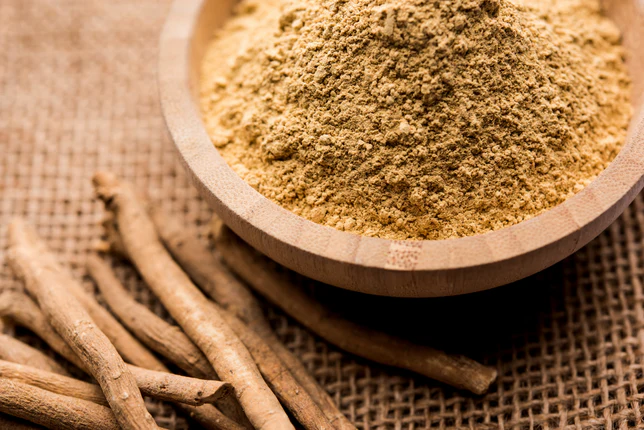
Ashwagandha Supplement for Dogs – Clinically Researched Health Benefits
Ashwagandha (Withania somnifera), often referred to as Indian winter cherry or sleep berry, stands as one of Ayurveda’s most revered adaptogenic herbs and has emerged as a powerful botanical supplement for canine health management. This ancient medicinal plant provides exceptional concentrations of withanolides and other bioactive compounds that support stress resilience, cognitive function, immune balance, and overall vitality. This comprehensive guide explores the scientific evidence, biochemical mechanisms, and therapeutic applications of ashwagandha in canine wellness protocols.
Summary
Ashwagandha root contains a rich profile of withanolides, alkaloids, and phenolic compounds that work synergistically to support the canine stress response, enhance cognitive function, bolster immune resilience, and promote healthy ageing. Modern research has validated the effectiveness of these compounds in modulating cortisol levels, supporting neurotransmitter balance, enhancing physical performance, and protecting against oxidative stress. The adaptogenic properties of ashwagandha enable the body to better respond to various stressors whilst maintaining physiological homeostasis.
Key Takeaways
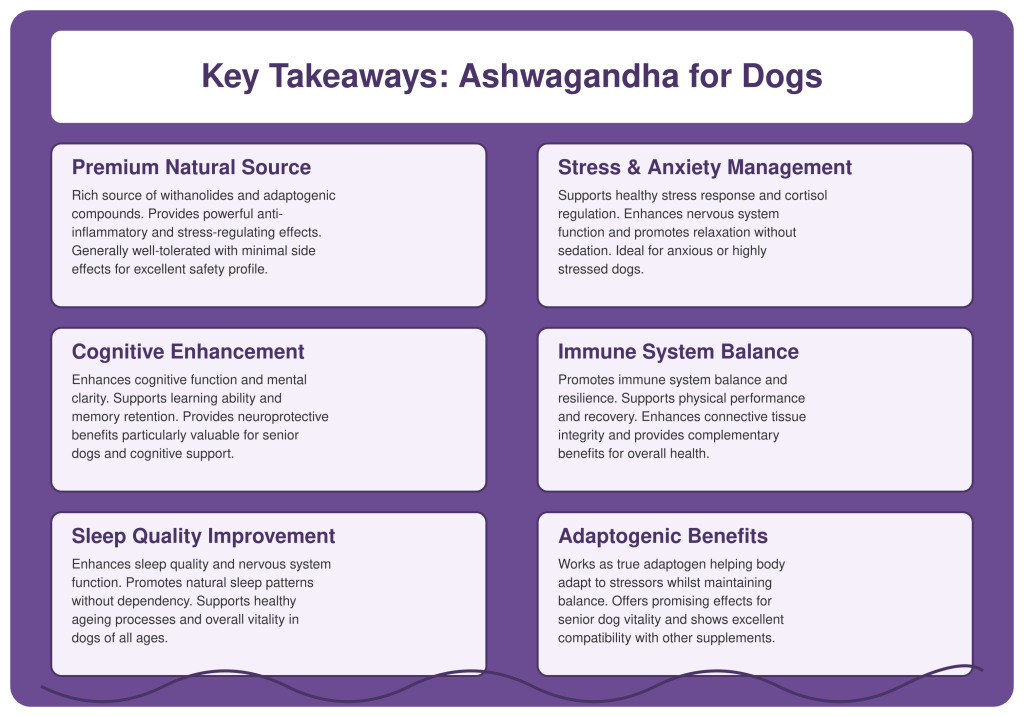
- Premium natural source of withanolides and adaptogenic compounds
- Supports healthy stress response and cortisol regulation
- Enhances cognitive function and mental clarity
- Promotes immune system balance and resilience
- Supports physical performance and recovery
- Provides neuroprotective and anti-ageing benefits
- Enhances sleep quality and nervous system function
- Generally well-tolerated with excellent safety profile
Table of Contents
- Summary
- Key Takeaways
- What is Ashwagandha?
- Bioactive Compounds and Composition
- Primary Withanolide Components
- Secondary Compounds
- Nutritional Elements
- Mechanisms of Action
- Adaptogenic Stress Response
- Neurotransmitter Modulation
- Immune System Regulation
- Antioxidant and Neuroprotective Effects
- Health Benefits and Applications
- Stress and Anxiety Management
- Cognitive Enhancement
- Immune Support Applications
- Additional Therapeutic Applications
- Ashwagandha as an Adaptogenic Herb
- Comparative Adaptogen Analysis
- Bioavailability Considerations
- Synergistic Compound Effects
- Dosage Guidelines
- Weight-Based Recommendations
- Form-Specific Considerations
- Duration of Administration
- Administration Methods
- Supplement Forms
- Integration Strategies
- Absorption Optimisation
- Safety Considerations and Precautions
- Potential Side Effects
- Contraindications
- Quality and Sourcing Importance
- FAQ – Ashwagandha for Dogs
- Common Questions and Answers
- Conclusion
What is Ashwagandha?
Ashwagandha (Withania somnifera), also known as Indian winter cherry, belongs to the Solanaceae family and is native to India, the Middle East, and parts of Africa. This robust perennial shrub has been utilised in Ayurvedic medicine for over 3,000 years, earning the Sanskrit name “ashvagandha,” meaning “smell of horse,” referring both to its distinctive odour and the traditional belief that consuming it imparts the strength and vigour of a horse.
The primary medicinal part used is the root, though other plant components have therapeutic applications:
- Root: Highest concentration of withanolides (primary therapeutic compounds)
- Leaves: Contains withanolides and additional alkaloids
- Berries: Traditional use for specific applications
- Whole plant preparations: Used in certain traditional formulations
In traditional Ayurvedic practice, ashwagandha has been classified as a “rasayana,” meaning a tonic or rejuvenative herb that supports longevity, vitality, and resistance to disease. Modern scientific research has confirmed many of these traditional applications through identification of its adaptogenic properties and bioactive compounds.
Bioactive Compounds and Composition
Primary Withanolide Components
Withanolides (Steroidal Lactones):
- Withanoside IV: 0.01-0.31% in root
- Withanoside VI: 0.007-0.09% in root
- Withanolide A: 0.001-0.016% in root
- Withanolide D: 0.002-0.014% in root
- Withanoside A: Variable concentrations
- 12-Deoxywithastramonolide
- Withastramonolide
Total Withanolides:
- Root extract: 0.3-3.0% (standardised extracts up to 12%)
- Leaves: 0.08-0.39%
- Berries: 0.18-0.31%
Secondary Compounds
- Withanine
- Somniferine
- Somnine
- Withananine
- Pseudowithanine
- Tropine
- Anaferine
- Gallic acid
- Catechin
- Vanillic acid
- Syringic acid
- Ferulic acid derivatives
- Sitoindosides VII-X
- Various glycosides
- Amino acids (including GABA precursors)
- Essential fatty acids
Nutritional Elements
Additional Components:
- Beta-sitosterol
- Stigmasterol
- Chlorophyll (in leaf preparations)
- Polysaccharides with immune-modulating properties
Mechanisms of Action
Adaptogenic Stress Response
Hypothalamic-Pituitary-Adrenal (HPA) Axis Modulation:
- Regulation of cortisol production and release
- Modulation of adrenocorticotropic hormone (ACTH)
- Support for healthy circadian cortisol rhythm
- Prevention of chronic stress-induced HPA dysfunction
- Enhancement of stress resilience capacity
Stress Protein Regulation:
- Modulation of heat shock proteins (HSPs)
- Enhancement of cellular stress tolerance
- Protection against stress-induced cellular damage
- Support for protein folding under stress conditions
- Improved cellular adaptation mechanisms
- Modulation of GABA activity for calming effects
- Support for healthy serotonin levels
- Influence on dopamine pathways
- Regulation of norepinephrine responses
- Enhancement of acetylcholine function
Neurotransmitter Modulation
- Potentiation of GABA receptor activity
- Increased GABAergic signalling
- Reduction of neuronal excitability
- Support for relaxation and sleep quality
- Anxiolytic effects through GABA modulation
Cholinergic System Support:
- Enhancement of acetylcholine synthesis
- Protection of cholinergic neurons
- Improved cognitive processing
- Support for memory formation
- Enhanced learning capacity
Monoamine Regulation:
- Balanced serotonin metabolism
- Dopamine pathway support
- Norepinephrine regulation
- Improved mood stability
- Enhanced motivation and focus
Immune System Regulation
- Enhanced natural killer (NK) cell activity
- Improved lymphocyte function
- Balanced T-helper cell responses
- Increased antibody production capacity
- Modulation of inflammatory cytokines
Inflammatory Response Balance:
- Reduction of excessive inflammatory markers
- Support for resolution of inflammation
- Modulation of nuclear factor-kappa B (NF-κB)
- Balanced prostaglandin production
- Enhanced anti-inflammatory pathways
- Strengthening of innate immune responses
- Support for adaptive immunity
- Enhanced resistance to pathogens
- Improved vaccine responses
- Balanced autoimmune responses
Antioxidant and Neuroprotective Effects
Free Radical Scavenging:
- Direct neutralisation of reactive oxygen species
- Reduction of lipid peroxidation
- Protection against DNA damage
- Mitochondrial antioxidant support
- Enhanced cellular repair mechanisms
Neuroprotective Mechanisms:
- Protection of neurons from oxidative damage
- Support for neuronal regeneration
- Enhancement of brain-derived neurotrophic factor (BDNF)
- Improved synaptic plasticity
- Protection against age-related cognitive decline
Cellular Protection:
- Stabilisation of cell membranes
- Enhanced cellular energy production
- Protection of cellular organelles
- Improved cellular detoxification
- Support for healthy cellular ageing
Health Benefits and Applications
Stress and Anxiety Management
Acute Stress Response:
- Rapid reduction in stress-related behaviours
- Improved adaptation to novel situations
- Enhanced resilience to environmental stressors
- Reduced physiological stress markers
- Support during veterinary visits and travel
Chronic Stress Support:
- Long-term cortisol regulation
- Prevention of stress-related health issues
- Improved quality of life in anxious dogs
- Support for dogs with separation anxiety
- Enhanced coping mechanisms
Behavioural Benefits:
- Reduced excessive barking and restlessness
- Improved social interactions
- Enhanced trainability and focus
- Better response to behavioural modification
- Increased confidence in fearful dogs
As an adaptogen, ashwagandha helps the body modulate its stress response rather than simply sedating it. It is one of the calming actives in Bonza’s calming supplement for dogs.
Cognitive Enhancement
Learning and Memory:
- Improved acquisition of new behaviours
- Enhanced memory consolidation
- Better retention of training
- Increased problem-solving abilities
- Support for working and performance dogs
Age-Related Cognitive Support:
- Protection against cognitive decline
- Maintenance of mental acuity in senior dogs
- Improved recognition and spatial awareness
- Enhanced social cognition
- Support for dogs with canine cognitive dysfunction
- Promotion of new neural connections
- Support for brain adaptation
- Enhanced cognitive flexibility
- Improved response to environmental enrichment
- Better recovery from neurological challenges
Immune Support Applications
- Strengthened resistance to common infections
- Improved recovery from illness
- Enhanced vaccine efficacy
- Support during immune challenges
- Balanced immune responses
Seasonal Support:
- Protection during weather transitions
- Enhanced adaptation to environmental changes
- Support for dogs exposed to pathogens
- Improved resilience during boarding or travel
- Maintenance of health during stress periods
Additional Therapeutic Applications
Physical Performance Enhancement:
- Improved exercise tolerance
- Enhanced recovery from physical activity
- Support for working and athletic dogs
- Increased endurance capacity
- Better adaptation to training programmes
Sleep Quality Improvement:
- Promotion of restful sleep patterns
- Reduced nighttime restlessness
- Enhanced sleep-wake cycle regulation
- Support for dogs with sleep disturbances
- Improved recovery through quality rest
Endocrine System Support:
- Thyroid function optimisation
- Blood sugar regulation support
- Reproductive health maintenance
- Adrenal gland restoration
- Hormonal balance promotion
Senior Dog Vitality:
- Enhanced energy levels in ageing dogs
- Improved mobility and activity
- Support for healthy ageing processes
- Maintenance of cognitive function
- Enhanced quality of life in golden years
Ashwagandha as an Adaptogenic Herb
Comparative Adaptogen Analysis
Superior Stress Management:
- Ashwagandha root: 0.3-12% withanolides (standardised extracts)
- Rhodiola rosea: 0.8-3% rosavins and salidroside
- Ginseng: 2-15% ginsenosides
- Holy basil: 0.1-0.3% ursolic acid
- Schisandra: 2-9% schisandrins
Unique Adaptogenic Properties:
- Dual-directional stress response (both calming and energising)
- Specific affinity for nervous system support
- Enhanced sleep quality without sedation
- Comprehensive endocrine system benefits
- Exceptional safety profile for long-term use
Bioavailability Considerations
Enhanced Absorption Factors:
- Standardised extracts improve consistency
- Withanolide glycosides enhance bioavailability
- Fat-soluble components require lipid co-administration
- Molecular size affects absorption rates
- Gastric pH influences compound stability
Metabolism and Utilisation:
- Hepatic processing of withanolide compounds
- Formation of active metabolites
- Tissue-specific distribution patterns
- Extended half-life of certain withanolides
- Factors affecting metabolic conversion rates
Synergistic Compound Effects
Complementary Withanolide Actions:
- Withanoside IV provides primary adaptogenic effects
- Withanolide A offers neuroprotective benefits
- Withanolide D supports immune modulation
- Combined withanolides enhance overall efficacy
- Natural ratios optimise therapeutic outcomes
Supporting Compound Interactions:
- Alkaloids enhance nervous system effects
- Phenolic compounds provide antioxidant support
- Saponins improve membrane permeability
- Iron content supports energy metabolism
- Amino acids contribute to neurotransmitter synthesis
Whole Root vs. Isolated Compounds:
- Advantages of traditional preparation methods
- Balanced therapeutic activity profiles
- Enhanced tolerability with whole root extracts
- Traditional wisdom validated by modern research
- Entourage effects of complete phytochemical profiles
Dosage Guidelines
Weight-Based Recommendations
Small Dogs (<10 kg):
- Standardised extract (5% withanolides): 125-250 mg daily
- Standardised extract (12% withanolides): 50-125 mg daily
- Whole root powder: 250-500 mg daily
- Tincture (1:5): 0.5-1.0 ml daily
Medium Dogs (10-20 kg):
- Standardised extract (5% withanolides): 250-500 mg daily
- Standardised extract (12% withanolides): 125-250 mg daily
- Whole root powder: 500-1000 mg daily
- Tincture (1:5): 1.0-2.0 ml daily
Large Dogs (20-30 kg):
- Standardised extract (5% withanolides): 500-750 mg daily
- Standardised extract (12% withanolides): 250-375 mg daily
- Whole root powder: 1000-1500 mg daily
- Tincture (1:5): 2.0-3.0 ml daily
Giant Dogs (Over 30 kg):
- Standardised extract (5% withanolides): 750-1000 mg daily
- Standardised extract (12% withanolides): 375-500 mg daily
- Whole root powder: 1500-2000 mg daily
- Tincture (1:5): 3.0-4.0 ml daily
Form-Specific Considerations
Extract Standardisation:
- Standardised to withanolide content (1.5-12%)
- Root-only extracts preferred for therapeutic use
- Organic extraction methods maintain compound integrity
- Third-party testing ensures potency and purity
- Seasonal variation considerations in sourcing
Traditional Preparations:
- Whole root powder (lower concentration, higher volume)
- Traditional churnas (powdered preparations)
- Decoctions and teas (reduced potency)
- Milk-based traditional preparations
- Adjustment factors for different preparation methods
Duration of Administration
Acute Applications:
- Stress events: 3-7 days before and during stressful periods
- Travel anxiety: Begin 2-3 days before travel
- Veterinary visits: 1-2 days prior to appointments
- Acute illness recovery: 1-2 weeks during recovery phase
- Loading protocols: Higher initial dosing for 7-14 days
Long-Term Support:
- Chronic anxiety: Ongoing with periodic assessment every 3-6 months
- Senior dog support: Continuous with occasional breaks
- Immune enhancement: Cyclical administration (8 weeks on, 2 weeks off)
- Cognitive support: Long-term with monitoring protocols
- Performance enhancement: Periodised based on training cycles
Administration Methods
Supplement Forms
Powder and Capsules:
- Standardised root extract powders
- Encapsulated preparations for precise dosing
- Organic whole root powder
- Combined formulations with complementary herbs
- Vegetarian capsules for ethical considerations
Liquid Preparations:
- Traditional tinctures (alcohol or glycerine-based)
- Fluid extracts for enhanced bioavailability
- Glycerite preparations for alcohol-sensitive dogs
- Water-based extracts
- Flavoured liquid formulations for palatability
Specialised Delivery Systems:
- Soft chews with natural flavourings
- Treats incorporating ashwagandha extract
- Powder blends for food incorporation
- Time-release formulations for sustained effects
- Liposomal preparations for enhanced absorption
Integration Strategies
Dietary Incorporation:
- Mixed with warm, moist food
- Incorporated into home-prepared meals
- Added to bone broth or warming foods
- Delivery with coconut oil for absorption
- Integration with calming meal routines
Complementary Supplement Protocols:
- Co-administration with omega-3 fatty acids
- Combination with magnesium for enhanced relaxation
- Synergistic use with probiotics for gut-brain health
- Integration with B-complex vitamins
- Companion to senior dog support formulas
Absorption Optimisation
Timing Considerations:
- Administration with meals containing healthy fats
- Evening dosing for sleep support applications
- Divided dosing for sustained effects
- Consistency in daily timing for adaptation
- Strategic timing before stressful events
Bioavailability Enhancement:
- Co-administration with black pepper (piperine)
- Lipid-based delivery for fat-soluble compounds
- Warm liquid preparations for traditional benefits
- Combination with digestive enzymes
- pH optimisation through meal timing
Safety Considerations and Precautions
Potential Side Effects
Mild Effects (Uncommon):
- Occasional drowsiness in sensitive individuals
- Mild gastrointestinal adjustment period
- Temporary changes in appetite
- Individual sensitivity to nightshade family plants
- Adaptation periods for energy levels
Rare Considerations:
- Potential for herb-drug interactions
- Individual allergic reactions
- Effects on blood sugar in diabetic dogs
- Interaction with sedative medications
- Thyroid hormone level influences
Contraindications
Medical Conditions:
- Caution with diagnosed autoimmune conditions
- Consideration in cases of hyperthyroidism
- Monitoring with severe liver disease
- Adjustment for dogs on immunosuppressive protocols
- Veterinary supervision for complex endocrine cases
Medication Interactions:
- Potential interactions with sedative medications
- Consideration with diabetes medications
- Possible effects on thyroid hormone medications
- Monitoring with immunosuppressive drugs
- Timing adjustments with seizure medications
Special Populations:
- Not recommended for pregnant or lactating bitches
- Caution in very young puppies
- Supervision for elderly dogs with multiple conditions
- Monitoring for dogs with known plant allergies
- Individual assessment for rescue dogs with unknown histories
Quality and Sourcing Importance
Traditional Cultivation:
- Organic cultivation in native regions preferred
- Traditional harvesting methods preserve potency
- Sustainable farming practices ensure long-term availability
- Proper root maturation for optimal withanolide content
- Seasonal timing for maximum therapeutic compounds
Processing Standards:
- Low-temperature drying to preserve active compounds
- Traditional processing methods when appropriate
- Clean extraction techniques
- Standardisation to withanolide content
- Minimal processing to maintain compound integrity
Quality Assurance:
- Third-party testing for withanolide potency
- Screening for heavy metals and contaminants
- Microbiological safety testing
- Identity verification through botanical analysis
- Stability testing for shelf-life determination
FAQ – Ashwagandha for Dogs
Ashwagandha (Withania somnifera) is an adaptogenic herb from traditional Ayurvedic medicine that helps dogs better manage stress while supporting overall health and vitality. The primary benefits come from compounds called withanolides, which work through several mechanisms:
Stress Management: Helps regulate cortisol levels and supports a healthy stress response, making it valuable for anxious or highly stressed dogs.
Cognitive Support: Enhances mental clarity, learning ability, and memory, particularly beneficial for senior dogs or those requiring training.
Immune Balance: Strengthens immune function whilst preventing over-reactive responses, supporting overall health resilience.
Physical Performance: Improves exercise tolerance, recovery, and energy levels, making it useful for working or athletic dogs.
The herb works as an adaptogen, meaning it helps the body adapt to various stressors whilst maintaining balance rather than simply stimulating or sedating. This makes ashwagandha particularly valuable for dogs experiencing chronic stress, anxiety, cognitive challenges, or those needing immune support.
Ashwagandha has an excellent safety profile for dogs when used appropriately. It has been used safely in traditional medicine for thousands of years, and modern research confirms its safety for canine use. Key safety considerations include:
General Safety:
Well-tolerated by most dogs with minimal side effects
Gentle action that doesn’t cause dependency
Safe for long-term use with appropriate monitoring
Natural adaptation period as the body adjusts
Precautions:
Start with lower doses and increase gradually
Not recommended for pregnant or lactating bitches
Use cautiously with dogs on sedative medications
Monitor dogs with autoimmune conditions closely
Supervise use in dogs with thyroid disorders
Individual Responses:
Some dogs may experience mild drowsiness initially
Occasional digestive adjustment during introduction
Individual sensitivity to nightshade family plants
Monitoring recommended for dogs with multiple health conditions
Most dogs tolerate ashwagandha exceptionally well, with benefits often outweighing any minor adjustment effects that typically resolve within a few days of starting supplementation.
Ashwagandha provides comprehensive support for stressed and anxious dogs through multiple biological pathways:
Cortisol Regulation:
Helps normalise elevated stress hormone levels
Prevents chronic stress from damaging health
Supports healthy circadian rhythm of cortisol production
Reduces physical symptoms of chronic stress
Nervous System Support:
Enhances GABA activity for natural calming effects
Supports neurotransmitter balance for mood stability
Improves stress resilience without causing sedation
Promotes relaxation whilst maintaining alertness
Behavioural Benefits:
Reduces excessive barking, panting, and restlessness
Improves ability to settle and relax
Enhances adaptability to new situations
Supports better sleep quality and recovery
Long-term Stress Management:
Builds resilience to ongoing stressors
Prevents stress-related health complications
Improves overall quality of life
Enhances response to training and behavioural modification
Unlike pharmaceutical sedatives, ashwagandha works with the body’s natural systems to restore balance, making it ideal for dogs needing ongoing stress support without impairment of normal function.
Yes, ashwagandha offers significant cognitive benefits for senior dogs through several neuroprotective mechanisms:
Neuroprotection:
Protects brain cells from age-related oxidative damage
Supports healthy brain blood flow and oxygen delivery
Enhances cellular energy production in brain tissues
Promotes repair of damaged neural connections
Cognitive Enhancement:
Improves memory formation and recall
Enhances learning ability and problem-solving
Supports recognition and spatial awareness
Maintains social cognition and interaction
Neurotransmitter Support:
Optimises acetylcholine function for better memory
Supports dopamine pathways for motivation
Enhances GABA for reduced anxiety and better sleep
Balances serotonin for mood stability
Practical Benefits:
Better response to familiar commands and routines
Improved recognition of family members and environments
Enhanced ability to navigate familiar spaces
Reduced confusion and disorientation
For dogs showing early signs of cognitive decline or those wanting preventative support, ashwagandha can be particularly valuable when started before significant symptoms develop. Many owners notice improvements in alertness, engagement, and cognitive clarity within 4-6 weeks of consistent use.
The timeframe for observing effects varies depending on the specific application and individual dog:
Stress and Anxiety Relief:
Initial calming effects: Often within 3-7 days
Significant behavioural improvements: 2-3 weeks
Full adaptogenic benefits: 4-6 weeks of consistent use
Optimal stress resilience: 6-8 weeks
Cognitive Enhancement:
Initial alertness improvements: 1-2 weeks
Memory and learning benefits: 3-4 weeks
Comprehensive cognitive support: 6-8 weeks
Maximum neuroprotective effects: 8-12 weeks
Immune and Physical Support:
Energy level improvements: 1-2 weeks
Enhanced recovery: 2-3 weeks
Immune resilience: 4-6 weeks
Overall vitality enhancement: 6-8 weeks
Factors Affecting Response Time:
Severity of existing conditions
Individual metabolic differences
Dosage and extract standardisation
Consistency of administration
Concurrent health support measures
For best results, consistent daily administration is essential, and patience is important as adaptogenic herbs work gradually to restore balance rather than providing immediate symptomatic relief.
Ashwagandha generally integrates well with most supplements and many medications, but specific considerations apply:
Generally Compatible With:
Most joint and mobility supplements
Omega-3 fatty acids and fish oils
Probiotics and digestive supports
Most vitamins and mineral supplements
Antioxidant complexes
Synergistic Combinations:
Magnesium for enhanced relaxation
B-complex vitamins for nervous system support
Adaptogens like rhodiola for comprehensive stress support
Calming herbs like chamomile or valerian
Omega-3s for brain health enhancement
Exercise Caution With:
Sedative medications (may enhance effects)
Diabetes medications (may affect blood sugar)
Thyroid medications (may influence thyroid function)
Immunosuppressive drugs (may counteract effects)
Blood pressure medications (monitor for interactions)
Administration Guidelines:
Inform your veterinarian about all supplements being used
Start with lower doses when combining multiple supplements
Monitor for any unusual effects when introducing
Consider spacing administration times by 1-2 hours when possible
Maintain consistent dosing schedules for optimal effects
Always consult with your veterinarian before adding ashwagandha to your dog’s regimen, especially if they’re on prescription medications or have complex health conditions.
The optimal form depends on your dog’s specific needs, preferences, and the targeted health benefits:
For Maximum Potency:
Standardised root extracts (5-12% withanolides) provide consistent, concentrated benefits
Capsules offer precise dosing and avoid taste concerns
Organic extracts ensure purity and traditional preparation methods
For Ease of Administration:
Flavoured soft chews or treats for dogs who resist pills
Powdered extracts that mix easily into food
Liquid tinctures for flexible dosing and rapid absorption
Glycerine-based preparations for dogs sensitive to alcohol
For Specific Applications:
High-potency extracts for severe anxiety or cognitive support
Whole root preparations for gentle, long-term support
Combined formulations with complementary calming herbs
Traditional preparations for dogs with sensitive systems
Quality Considerations:
Look for third-party testing for withanolide content
Choose organic, sustainably sourced products
Verify extraction methods preserve active compounds
Select reputable manufacturers with quality certifications
Selection Factors:
Your dog’s size and dosing requirements
Palatability preferences and administration ease
Specific health conditions being addressed
Budget considerations for long-term use
Veterinary recommendations for your individual dog
The most important factor is consistent administration of a quality product at appropriate dosages, regardless of the specific form chosen.
Yes, ashwagandha can significantly improve sleep quality in dogs through its gentle, natural mechanisms:
Sleep-Promoting Mechanisms:
Enhances GABA activity for natural relaxation
Reduces cortisol levels that can interfere with sleep
Supports nervous system balance for better sleep cycles
Promotes physical relaxation without sedation
Sleep Quality Improvements:
Faster settling and sleep initiation
Deeper, more restorative sleep phases
Reduced nighttime restlessness and movement
Better sleep-wake cycle regulation
Enhanced recovery through quality rest
Addressing Sleep Disturbances:
Anxiety-related sleep issues
Age-related sleep pattern changes
Environmental stress affecting rest
Physical discomfort preventing deep sleep
Irregular sleep schedules
Practical Benefits:
Dogs settle more easily at bedtime
Reduced pacing, panting, or restlessness at night
Better tolerance of household noises during sleep
Improved energy and mood due to better rest
Enhanced recovery from daily activities
Optimal Use for Sleep:
Evening administration for best sleep benefits
Consistent timing to support circadian rhythms
Combination with calming bedtime routines
Patience for 2-4 weeks for full sleep cycle benefits
Unlike pharmaceutical sleep aids, ashwagandha promotes natural sleep without morning grogginess or dependency, making it ideal for dogs needing long-term sleep support.
Conclusion
Ashwagandha represents an exceptional adaptogenic herb for supporting comprehensive canine health through its unique combination of stress-regulating, cognitive-enhancing, and immune-supporting properties. The rich concentration of withanolides and complementary compounds in ashwagandha root provides a gentle yet effective approach to managing stress, enhancing mental function, supporting immune resilience, and promoting overall vitality in dogs of all ages.
The adaptogenic nature of ashwagandha makes it particularly valuable for modern dogs facing various stressors, from environmental challenges to performance demands. Its ability to support the body’s natural stress response whilst enhancing cognitive function and immune balance offers a holistic approach to canine wellness that addresses both immediate needs and long-term health maintenance.
When properly administered using quality extracts and appropriate dosages, ashwagandha provides a safe, natural option for supporting anxious dogs, enhancing cognitive function in seniors, boosting immune resilience, and promoting overall well-being. Success depends on consistent administration, quality sourcing, appropriate dosing, and integration into comprehensive health management strategies. As with any supplement regimen, consultation with a qualified veterinarian ensures optimal safety and efficacy, particularly for dogs with existing health conditions or those on concurrent medications.
The extensive traditional use of ashwagandha, combined with growing modern research validation, positions this remarkable herb as an invaluable tool in contemporary canine health management, offering natural support for stress resilience, cognitive vitality, and overall quality of life.