

Why Are Oats Good for Dogs? What Health Benefits Do Oats Provide Dogs?
As a dog owner, you want nothing but the best for your best friend, including a well-balanced and nutritious diet. Incorporating certain grains can provide them with essential nutrients. Oats, in particular, have gained popularity as a potential addition to a dog’s diet. In this article, we’ll explore the nutritional value of oats, their health benefits for dogs, the best types of oats to feed them, and the optimal preparation methods.
What Nutrients Do Oats Provide Dogs With?
Oats offer a range of essential nutrients that contribute to a dog’s overall health and well-being. Let’s delve into the specific nutrients found in oats and their benefits:
- Carbohydrates: Oats are a rich source of carbohydrates, which provide dogs with the energy they need for their daily activities. Carbohydrates are converted into glucose, the primary fuel for the body’s cells. This energy is crucial for dogs to maintain their vitality and support their active lifestyles.
- Dietary Fibre: Oats are packed with dietary fibre, consisting of soluble and insoluble fibre. Soluble fibre forms a gel-like substance in the digestive tract, aiding in proper digestion and preventing constipation. Insoluble fibre adds bulk to the stool, promoting regular bowel movements and a healthy gastrointestinal system. The high fibre content in oats can help dogs maintain healthy digestion and prevent digestive issues.
- Protein: While oats are not a significant source of protein compared to animal-based foods, they still provide a moderate amount. Protein is essential for muscle growth, tissue repair, and overall development. It plays a vital role in maintaining a dog’s health and supporting their active lifestyle.
- Vitamins: Oats contain various vitamins that contribute to a dog’s overall health. Vitamin B complex, including thiamin (B1), riboflavin (B2), niacin (B3), and vitamin B6, supports proper metabolism and energy production. Vitamin E, a potent antioxidant, helps protect cells from damage and supports a healthy immune system.
- Minerals: Oats are a good source of minerals such as iron, magnesium, and zinc. Iron is crucial for the production of red blood cells and oxygen transportation throughout the body. Magnesium plays a vital role in nerve and muscle function, while zinc contributes to a healthy immune system and promotes skin and coat health.
Oats Contain Powerful Phytonutrients
While oats are primarily known for their macronutrients (carbohydrates, fibre, and protein), they also contain a variety of phytonutrients, which are bioactive compounds found in plant-based foods. These phytonutrients contribute to the health benefits of oats for dogs. Here are some of the key phytonutrients found in oats:
- Avenanthramides: Avenanthramides are unique antioxidants found almost exclusively in oats. These compounds have anti-inflammatory properties and can help reduce the risk of chronic diseases, including cardiovascular disease. Avenanthramides also contribute to the itch-relieving properties of oatmeal-based products, making them beneficial for dogs with skin irritations or allergies. (1)
- Phenolic Acids: Oats contain various phenolic acids, such as ferulic acid and caffeic acid. These compounds act as antioxidants, protecting cells from oxidative damage caused by free radicals. Phenolic acids have been associated with reducing the risk of chronic diseases, including cancer and heart disease. (2)
- Phytic Acid: While phytic acid is commonly considered an anti-nutrient because it can bind to certain minerals and inhibit their absorption, it also has some health benefits. Phytic acid acts as an antioxidant and may have anti-cancer properties. However, it’s worth noting that the overall impact of phytic acid on nutrient absorption in dogs is not well-studied.
- Lignans: Oats contain lignans, which are phytoestrogens with potential health benefits. Lignans have been associated with reducing the risk of hormone-related cancers and supporting cardiovascular health. However, more research is needed to understand the specific effects of lignans in dogs.
- Beta-Glucans: While beta-glucans are primarily classified as a type of soluble fibre, they also have immune-modulating properties. Beta-glucans stimulate the immune system, helping to enhance its response to infections and diseases. They can also help regulate blood sugar levels and improve cholesterol profiles. (3)
These phytonutrients contribute to the overall health-promoting properties of oats for dogs. Incorporating oats into their diet can provide them with a range of bioactive compounds that support their well-being and help prevent chronic diseases.
As one of only two ancient grains in the recipe, oats provide gentle, slow-release energy and soluble fibre. They are a base grain in Bonza’s plant-based dog food.
What Are the Health Benefits of Oats for Dogs?
- Digestive Health: The high fibre content in oats is beneficial for dogs’ digestive health. Soluble fibre absorbs water, softening the stool and promoting regular bowel movements. Insoluble fibre adds bulk, aiding in waste removal and preventing constipation. By incorporating oats into their diet, you can help maintain a healthy digestive system for your furry friend.
- Weight Management: Oats can be a valuable addition to a weight management program for dogs. The soluble fibre in oats creates a feeling of fullness, which can help control appetite and reduce overeating. This can be particularly beneficial for dogs prone to obesity or those needing to shed a few pounds.
- Heart Health: The beta-glucans present in oats have been linked to improved heart health in dogs. These compounds help lower cholesterol levels by reducing the absorption of dietary cholesterol. By incorporating oats into their diet, you can potentially reduce the risk of cardiovascular diseases in your canine companion.
- Blood Sugar Regulation: Oats have a low glycemic index, meaning they release glucose into the bloodstream at a slow and steady rate. This property can help stabilise blood sugar levels, making oats a suitable choice for dogs with diabetes or those prone to blood sugar fluctuations.
- Coat and Skin Health: The combination of vitamins, minerals, and omega-6 fatty acids in oats contributes to healthy skin and a shiny coat in dogs. These nutrients help alleviate dryness, itchiness, and promote overall skin health. By incorporating oats into their diet, you can help your dog maintain a healthy and lustrous coat.
By understanding the specific nutrients in oats and their health benefits, you can make informed decisions about incorporating this grain into your dog’s diet. However, it’s important to remember that oats should be used as part of a well-balanced diet and in consultation with your veterinarian to ensure it align.
What Are the Best Oats to Feed Dogs?
When considering oats for your dog, it’s crucial to select the right type and ensure they are of high quality. Here are the best options to consider:
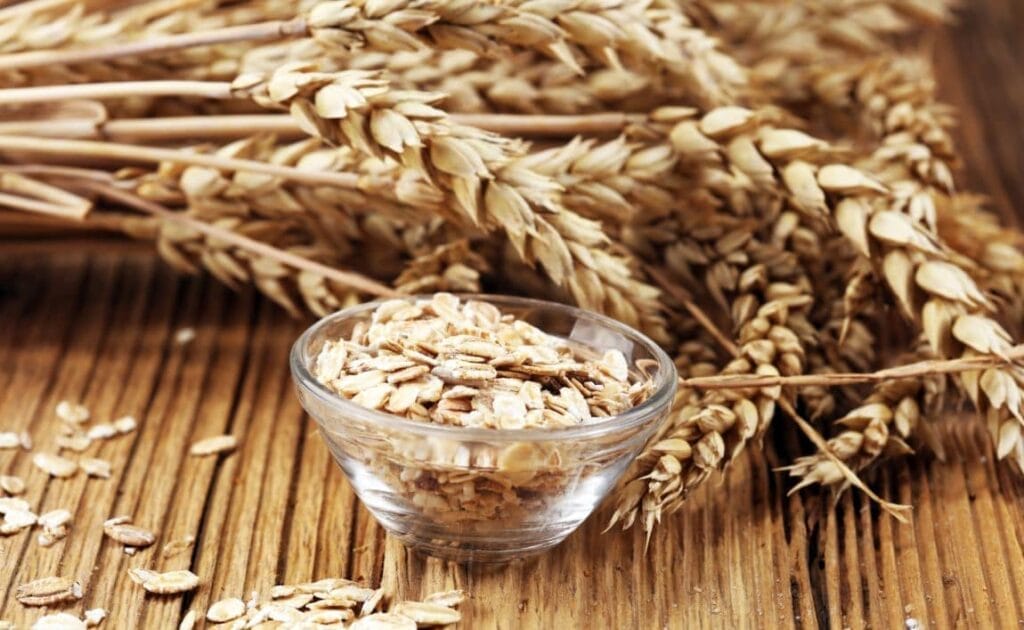
- Plain Rolled Oats: Plain rolled oats are the most recommended choice for dogs. They are minimally processed and do not contain any added sugars, flavors, or preservatives. These oats retain most of their nutritional value and are easily digestible for dogs.
- Steel-Cut Oats: Steel-cut oats are less processed than instant oats, which means they retain more nutrients. However, they take longer to cook and may require additional soaking or grinding to enhance digestibility for dogs.
- Avoid Flavoured or Instant Oats: Flavoured or instant oats often contain added sugars, salt, artificial flavours, and preservatives that can be harmful to dogs. Stick to plain oats to ensure your dog receives the most natural and nutritious benefits.
What Is the Best Way to Prepare Oats for Dogs?
The preparation of oats for dogs should focus on maximising nutrient availability and ensuring ease of digestion. Follow these steps for optimal preparation:
- Cooking: It’s recommended to cook oats before serving them to your dog. This process softens the oats, making them easier to digest. Boil water or low-sodium broth and add the oats, simmering until they reach a desired consistency. Avoid adding any seasonings, as some herbs and spices can be harmful to dogs.
- Portion Control: When introducing oats into your dog’s diet, start with small amounts and gradually increase over time. Oats should be incorporated as a supplement to their regular diet, rather than replacing a significant portion of it.
- Allow for Cooling: Ensure the cooked oats have cooled down before feeding them to your dog. Excess heat can cause discomfort or even burn their mouth or throat.
- Serve in Moderation: While oats can be beneficial for dogs, they should be served in moderation. Consult with your veterinarian to determine the appropriate portion sizes based on your dog’s breed, size, and overall health condition.
Oats can be a valuable addition to a dog’s diet, providing them with essential nutrients, promoting digestive health, aiding in weight management, improving heart health, and enhancing coat and skin health. When feeding your dog oats, choose plain, high-quality options like rolled oats or steel-cut oats, and avoid flavoured or instant varieties. Cooking oats before serving them ensures optimal digestion and nutrient absorption. Remember, always consult with your veterinarian to ensure oats are suitable for your dog’s specific dietary needs and health conditions.
By incorporating oats into your dog’s diet appropriately, you can contribute to their overall well-being and provide them with a nutritious and balanced meal. Remember, a healthy and happy dog starts with a wholesome diet!
Bonza includes whole oats in their vegan dog food alongside a variety of other superfoods and ancient grains, all selected for the powerful nutrients and phytonutrients they provide to support for your dog’s best health, vitality and longest life.
You may be interested in reading our article on ‘What vegetables can dogs eat?‘