

Summary
Probiotics can be a game-changer for dogs with sensitive stomachs, offering a natural and effective way to improve digestion, reduce gastrointestinal discomfort, and enhance overall gut health. This article delves into the causes and symptoms of sensitive stomachs in dogs, explains how probiotics work to alleviate these issues, and highlights the best strains and nutritional strategies for supporting digestive health. It also addresses common questions about the best probiotics for digestive health, providing dog owners with actionable insights to help their furry companions thrive.
<For dogs with sensitive stomachs, Bonza Belly Bioactive Bites delivers the complete biotic framework your dog actually needs: prebiotic substrate that feeds the right bacteria, EFSA-authorised spore-forming probiotic, and two individually named postbiotics, plus direct gut barrier support that ordinary probiotic supplements omit entirely.
Most sensitive-stomach probiotics give you a single strain and a label claim. Belly gives you a complete formulation built for the specific physiology of a sensitive canine gut.
Named prebiotic substrate that actually feeds beneficial bacteria. The only spore-forming probiotic strain with EFSA authorisation specifically for dogs, resistant to stomach acid so it reaches the intestine alive. Two individually named postbiotics from two source categories. L-Glutamine fuelling the cells of the gut wall. Chelated zinc supporting tight junction integrity. Clinoptilolite binding gut toxins.
For dogs with sensitive stomachs, the gut barrier and tight junction layer matter as much as the biotic layer. Compromised tight junctions allow gut contents to provoke immune responses that perpetuate the sensitivity. Belly addresses both.
- Calsporin® (Bacillus velezensis DSM 15544): the only spore-forming probiotic strain with EFSA authorisation specifically for dogs, engineered to survive gastric acid
- TruPet™ and L. helveticus HA-122: two individually named postbiotics, not a generic “postbiotic blend”
- Fibrofos™ 60 chicory root inulin and Biolex® MB40: named, standardised prebiotic substrates with documented fermentation profiles
- L-Glutamine, Zinc chelate of glycine hydrate, and Clinoptilolite: named EU-registered feed additives delivering direct barrier integrity, tight junction support, and toxin binding
Every bioactive ingredient is backed by peer-reviewed research. The Bonza Health Hub explains the evidence-based why behind every ingredient in every Bonza formulation.
Key Takeaways
- Probiotics restore gut balance: Beneficial bacteria promote healthy digestion and reduce symptoms like gas, bloating, and diarrhoea.
- Sensitive stomachs often stem from gut microbiome imbalances: Addressing these imbalances is key to resolving digestive issues.
- Strain specificity matters: Certain probiotic strains are more effective for dogs with sensitive stomachs – discover more on strain-condition evidence matrix.
- Synbiotics offer enhanced benefits: Combining prebiotics, probiotics, and postbiotics provides comprehensive digestive support.
- Diet is critical: Nutritional therapy, including high-quality, easily digestible ingredients, supports a healthy gut and reduces gastrointestinal distress.
Table of Contents
- Introduction
- Why Sensitive Stomachs Require Special Care
- Understanding Sensitive Stomachs in Dogs
- Causes of Sensitive Stomachs
- Symptoms of Digestive Sensitivity
- How Probiotics Support Sensitive Stomachs
- Restoring Gut Microbiota Balance
- Strengthening the Gut Barrier
- Reducing Inflammation
- Key Probiotic Strains for Sensitive Stomachs
- Lactobacillus acidophilus
- Bifidobacterium animalis
- Bacillus velezensis DSM 15544 (Calsporin®)
- Synbiotics and Nutritional Therapy
- Benefits of Synbiotics
- Nutritional Strategies for Sensitive Stomachs
- Ingredients to Avoid
- FAQs
- What are the signs of a sensitive stomach in dogs?
- How do probiotics help dogs with sensitive stomachs?
- What are the best probiotics for dogs with sensitive stomachs?
- Can probiotics cause side effects in dogs?
- How long do probiotics take to work for dogs?
- Should probiotics be given daily to dogs with sensitive stomachs?
- Related Articles
- Conclusion
- Bonza: Synbiotics for Dogs with Sensitive Stomachs
- References
- Editorial Information
Introduction
Dogs with sensitive stomachs require thoughtful care to manage their digestive health effectively. Gastrointestinal issues can significantly affect a dog’s quality of life, causing discomfort and impacting nutrient absorption. Sensitive stomachs may manifest as chronic diarrhoea, vomiting, or frequent gastrointestinal upset, leaving pet owners searching for long-term solutions. Probiotics offer a proven, natural solution for managing these problems by restoring gut balance, reducing inflammation, and promoting optimal digestion. This article explores how probiotics and targeted nutritional therapy can help dogs with sensitive stomachs thrive.
Understanding Sensitive Stomachs in Dogs
Causes of Sensitive Stomachs
Sensitive stomachs can arise due to several factors, including:
- Dietary intolerances: Difficulty digesting specific ingredients, such as certain proteins, grains, or artificial additives, is a common cause.
- Stress and anxiety: Emotional stress can disrupt the gut-brain axis, leading to digestive upset.
- Antibiotics and medications: These can deplete the gut flora causing an imbalance in beneficial bacteria.
- Gut microbiome imbalances (dysbiosis): An unhealthy balance of gut bacteria can lead to inflammation, poor digestion, and increased sensitivity.
- Underlying health conditions: Chronic illnesses like Inflammatory Bowel Disease (IBD) or pancreatitis can contribute to sensitivity.
Symptoms of Digestive Sensitivity
Symptoms that may indicate a sensitive stomach include:
- Vomiting: Frequent or occasional regurgitation of food or bile.
- Diarrhoea or loose stools: Chronic or intermittent diarrhoea can indicate poor gut health.
- Excessive gas and bloating: Often a sign of imbalanced gut bacteria.
- Loss of appetite: Dogs with sensitive stomachs may refuse food due to discomfort.
- Lethargy: Digestive issues can drain energy, leaving your dog less active.
- Abdominal pain: Signs include whining, restlessness, or sensitivity when the stomach is touched.
How Probiotics Support Sensitive Stomachs
Restoring Gut Microbiota Balance
Probiotics introduce beneficial bacteria to the gut, restoring balance to the microbiome. This balance is essential for healthy digestion and the prevention of symptoms like bloating, diarrhoea, and gas. A balanced microbiome also aids in nutrient absorption, ensuring that your dog receives the necessary vitamins and minerals.⁶
Strengthening the Gut Barrier
Probiotics improve the integrity of the intestinal lining, forming a stronger barrier that prevents harmful substances and pathogens from entering the bloodstream. A healthy gut barrier reduces inflammation and supports the immune system, addressing both digestive and systemic health concerns.
Reducing Inflammation
Probiotics produce compounds such as short-chain fatty acids (SCFAs) that have anti-inflammatory properties. These compounds soothe irritated digestive systems and alleviate symptoms such as cramping, diarrhoea, and bloating.⁵
Key Probiotic Strains for Sensitive Stomachs
Lactobacillus acidophilus
This versatile strain enhances digestion by breaking down food more efficiently and improving nutrient absorption. It also helps alleviate diarrhoea and supports a balanced gut microbiome.¹,²
Bifidobacterium animalis
Known for its efficacy in improving stool consistency and reducing gastrointestinal discomfort, Bifidobacterium animalis is particularly beneficial for dogs with chronic diarrhoea or irregular bowel movements.³
Bacillus velezensis DSM 15544 (Calsporin®)
A spore-forming probiotic, Bacillus velezensis withstands the acidic environment of the stomach and effectively colonises the gut. It reduces inflammation and promotes long-term gut health, making it ideal for dogs with sensitive stomachs.⁴
Synbiotics and Nutritional Therapy
Benefits of Synbiotics
Synbiotics combine probiotics with prebiotics (fibres that nourish beneficial bacteria) and postbiotics (metabolic byproducts that support immune and gut health). This synergistic combination maximises the effectiveness of probiotics, improving digestion and overall gut health.⁷
Nutritional Strategies for Sensitive Stomachs
- Incorporate easily digestible proteins: Proteins such as lentils, chickpeas, or tofu are gentle on the stomach and reduce digestive strain.
- Opt for low-fat diets: Reducing fat content minimises the digestive workload, particularly for dogs prone to pancreatitis.
- Include soluble fibre: Ingredients like pumpkin or psyllium husk aid in firming up stools and supporting regular bowel movements.
- Add omega-3 fatty acids: Anti-inflammatory fatty acids from plant-based sources, such as flaxseed or algae, promote gut health and reduce inflammation.
- Probiotic-enriched food: Selecting high-quality food containing clinically proven probiotics, such as Calsporin®, ensures consistent digestive support.
Ingredients to Avoid
- Artificial additives and preservatives: These can irritate the gut lining and trigger sensitivities.
- High-fat content: Avoid overly rich foods that burden digestion.
- Common allergens: Ingredients like beef, dairy, chicken, pork soy, corn or wheat are frequent triggers for sensitive stomachs.
FAQs
Signs include vomiting, diarrhoea, excessive gas, bloating, appetite loss, and lethargy. Some dogs may also show discomfort after eating or exhibit picky eating behaviours.
Probiotics replenish beneficial bacteria in the gut, strengthen the intestinal lining, reduce inflammation, and restore balance to the microbiome, alleviating symptoms like diarrhoea and bloating.
Effective strains include Lactobacillus acidophilus, Bifidobacterium animalis, and Bacillus velezensis DSM 15544 (Calsporin®). These strains are known for their digestive support and anti-inflammatory benefits.
While rare, mild digestive upset such as gas or loose stools may occur during the adjustment period. Gradually introducing probiotics can minimise these effects.
Probiotics typically take 2-4 weeks to show noticeable improvements in digestion and overall gut health.
Yes, consistent daily use ensures optimal gut health and sustained relief from symptoms.
Related Articles
- The Gut Microbiome: Your Dog’s Hidden Health Command Centre — The canonical reference for how the gut microbiome shapes whole-system canine health, including the digestive, immune, and inflammatory pathways relevant to sensitive stomachs.
- Probiotics for Dogs with IBD — Sensitive stomachs and Inflammatory Bowel Disease often share underlying microbiome and inflammatory mechanisms; this article explains when sensitivity may indicate a more substantive clinical condition.
- Probiotics for Dogs: Discover the Next Generation Supplement
- Best Gut Health Supplement for Dogs in 2026: A Canine Nutritionist’s Comparative Evaluation
- Gut Dysbiosis in Dogs — Dysbiosis (an imbalanced gut microbiome) is the underlying mechanism that drives most cases of sensitive stomach in dogs, and addressing it is the foundation of long-term resolution.
Conclusion
Probiotics, combined with targeted nutritional therapy, offer a powerful solution for managing sensitive stomachs in dogs. By addressing the root causes of digestive issues, improving gut health, and enhancing nutrient absorption, probiotics can significantly improve your dog’s quality of life. Incorporating high-quality probiotics and carefully chosen dietary adjustments into your dog’s routine ensures long-term digestive support and comfort.
Bonza: Synbiotics for Dogs with Sensitive Stomachs
Bonza Superfoods and Ancient Grains vegan dog food recipe includes a clinically researched, spore-forming probiotic, Calsporin®, understood to be one of the most effective probiotics for dogs because of its ability to withstand the harsh acidic environment of your dog’s gut, unlike non-spore-forming probiotics.
The combination of probiotic, added prebiotics, and a clinically researched next-generation biotic, the postbiotic TruPet™, in Bonza Superfoods and Ancient Grains plant-based dog food provides your dog with all the enhanced health benefits offered by synbiotics, ensuring gentle and effective digestive support for dogs with sensitive stomachs.
You may find this article on Homemade Probiotics for Dogs helpful.
Natural Probiotic Supplement for Sensitive Stomachs
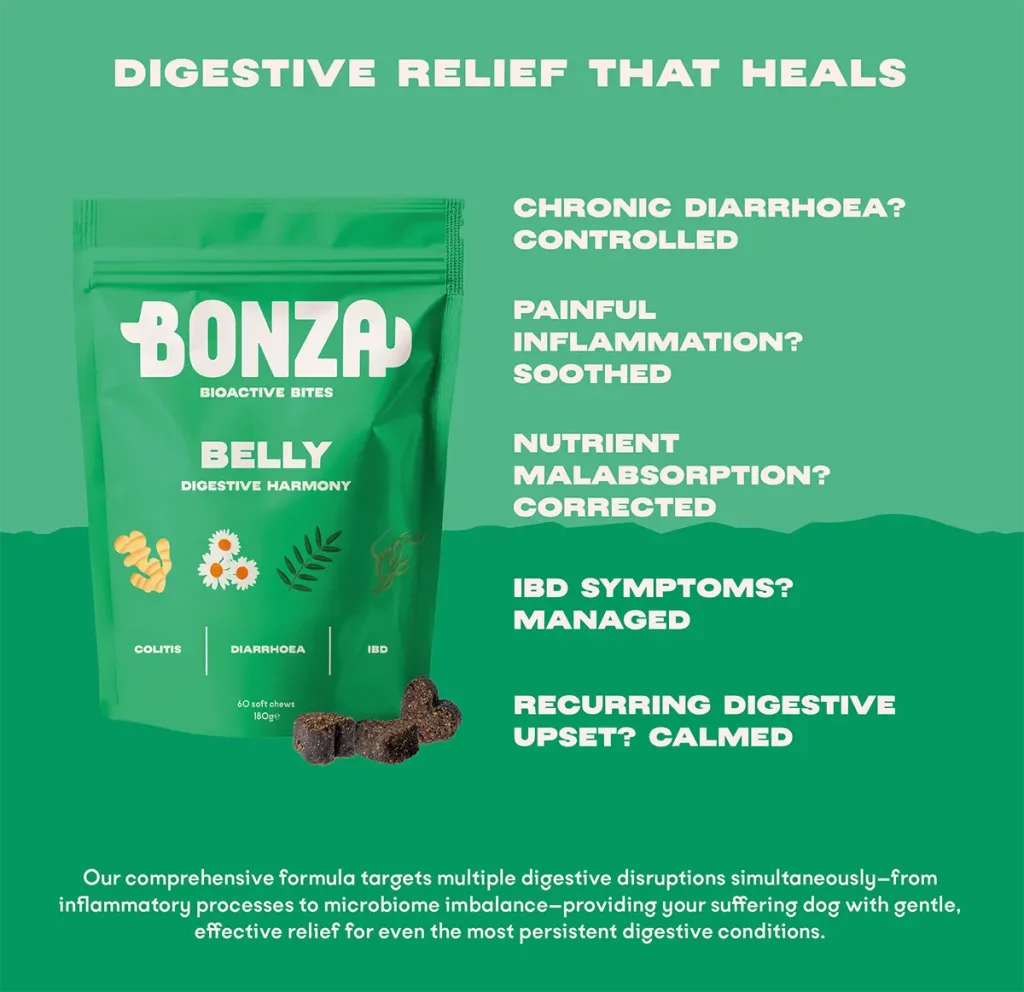
Belly Bioactive Bites, next generation, clinically researched supplements for dogs with sensitive stomachs, are vet-trusted soft chew supplements that combine prebiotics, probiotics, postbiotics, powerful digestive enzymes, natural anti-inflammatories and toxin eliminators to:
- Restore gut health and microbiome balance
- Soothe inflamed intestinal tissue and reduce painful episodes
- Flush toxins including heavy metals
- Support balanced gut flora even during flare-ups or medication cycles
- Help your dog absorb vital nutrients that digestive conditions block
- Promote healthy, well formed bowel movements
Formulated with ingredients clinically shown to soothe digestive disruption, these delicious chews make daily management something your dog will actually look forward to – not another struggle in their already challenging day.
Because when their gut feels better, their whole world does too.
References
- Baillon ML, Marshall-Jones ZV, Butterwick RF. Effects of probiotic Lactobacillus acidophilus strain DSM13241 in healthy adult dogs. Am J Vet Res. 2004;65(3):338-343. doi: 10.2460/ajvr.2004.65.338. PMID: 15027683.
- Strompfová V, Kubašová I, Lauková A. Health benefits observed after probiotic Lactobacillus fermentum CCM 7421 application in dogs. Appl Microbiol Biotechnol. 2017;101(15):6309-6319. doi: 10.1007/s00253-017-8425-z. PMID: 28685174.
- Strompfová V, Lauková A, Simónová M, Marciňáková M. Bifidobacterium animalis B/12 administration in healthy dogs. Anaerobe. 2014;28:37-43. doi: 10.1016/j.anaerobe.2014.04.011. PMID: 24838022.
- Félix AP, Souza CMM, Hori E, de Oliveira SG. Effect of Calsporin® (Bacillus subtilis C-3102, reclassified as Bacillus velezensis DSM 15544) addition to the diet on faecal quality and nutrient digestibility in healthy adult dogs. J Appl Anim Nutr. 2019;7:e9. doi: 10.1017/jan.2019.7.
- Rossi G, Pengo G, Caldin M, Palumbo Piccionello A, Steiner JM, Cohen ND, Jergens AE, Suchodolski JS. Comparison of microbiological, histological, and immunomodulatory parameters in response to treatment with either combination therapy with prednisone and metronidazole or probiotic VSL#3 strains in dogs with idiopathic inflammatory bowel disease. PLoS One. 2014;9(4):e94699. doi: 10.1371/journal.pone.0094699. PMID: 24722235. PMC: PMC3983225.
- Jensen AP, Bjørnvad CR. Clinical effect of probiotics in prevention or treatment of gastrointestinal disease in dogs: A systematic review. J Vet Intern Med. 2019;33(5):1849-1864. doi: 10.1111/jvim.15554. PMID: 31381186. PMC: PMC6766488.
- Pilla R, Guard BC, Steiner JM, Gaschen FP, Olson E, Werling D, Allenspach K, Salavati Schmitz S, Suchodolski JS. Administration of a Synbiotic Containing Enterococcus faecium Does Not Significantly Alter Fecal Microbiota Richness or Diversity in Dogs With and Without Food-Responsive Chronic Enteropathy. Front Vet Sci. 2019;6:277. doi: 10.3389/fvets.2019.00277. PMID: 31508431. PMC: PMC6716148.
Editorial Information
| Field | Detail |
|---|---|
| Published | 10 January 2025 |
| Last Updated | May 2026 |
| Reviewed by | Veterinary Advisory Board |
| Next Review | May 2027 |
| Author | Glendon Lloyd, Dip. Canine Nutrition (Distinction), Dip. Canine Nutrigenomics (Distinction) |
| Disclaimer | This article is for informational purposes only and does not constitute veterinary advice. Always consult a qualified veterinarian before making changes to your dog’s diet or supplement regimen. |