
Turmeric Benefits for Dogs: Unlock Your Dog’s Health
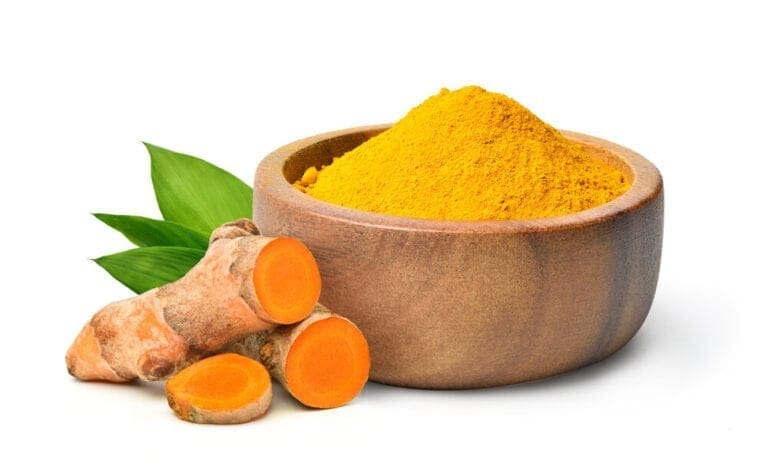
Including turmeric in your dog's diet can offer a range of health benefits, from reducing inflammation and treating arthritis to preventing cancer and gastrointestinal disorders.
Including turmeric in your dog's diet can offer a range of health benefits, from reducing inflammation and treating arthritis to preventing cancer and gastrointestinal disorders.

Siberian Ginseng (Eleuthero, scientifically Eleutherococcus senticosus) is one of six Core strict-definition adaptogens with EMA-approved indications for fatigue and asthenia.
This science-led guide covers what it does for dogs, the canine evidence, dosage, and how Bonza includes it in Superfoods & Ancient Grains and Boost.
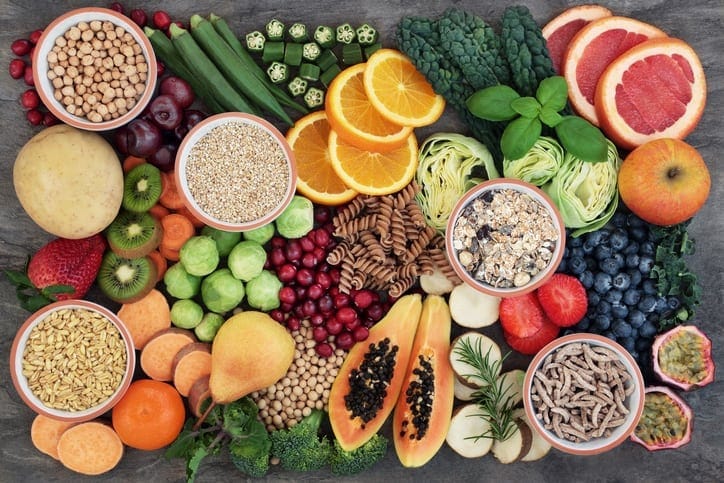
An extensive collection of academic research delving into the nutritional foundations, biological underpinnings, and health implications of plant-based diets in canine nutrition.
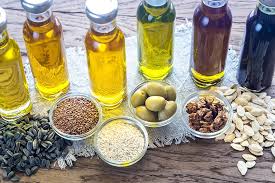
When it comes to maintaining your dog's health, understanding the role of dietary fats, and the healthiest oils, is crucial. Just like in humans, fats are essential for various bodily functions in dogs, including cell growth, organ protection, and nutrient absorption. However, not all fats are created equal, and the type of oil you include in your dog's diet can have significant impacts on their overall health.

While salmon oil offers numerous health benefits for dogs, it's important to be mindful of the potential risks, especially heavy metal toxicity. The safest, and most sustainable, source of Omega-3 fatty acids including DHA and EPA, are algal oil or extract and seaweed.

A diet high in pro-inflammatory ingredients - saturated fats, Omega-6 and AGE's and low in Omega-3, antioxidants and anti-inflammatory ingredients such as phytonutrients and polyphenols - will inevitably contribute to inflammaging greatly reducing their longevity and quality of life.