

Summary
Reishi for dogs sits in two health frameworks at once. As a Secondary strict-definition adaptogen, Reishi (Ganoderma lucidum) modulates the hypothalamic-pituitary-adrenal axis bidirectionally and contributes to long-term stress resilience, alongside Ashwagandha, Panax Ginseng, and Eleuthero in the four-adaptogen Bonza architecture. As the most evidence-supported medicinal mushroom for canine immune health, Reishi has direct peer-reviewed canine clinical trial support: a 2024 University of Illinois randomised controlled trial in 40 adult Beagles documented increased phagocytic activity and significantly enhanced vaccine-specific immune response at a dose of 15 mg/kg body weight per day, with no adverse effects on digestibility or gut microbiota. Reishi’s principal bioactives are lanostane-type triterpenoids (ganoderic acids) and beta-D-glucan polysaccharides, working through pattern recognition receptor activation, gut-immune axis signalling, and downregulation of pro-inflammatory cytokine pathways. Reishi is included in Bonza Superfoods & Ancient Grains plant-based food for dogs within the PhytoPlus® botanical blend, with cold extrusion at 70°C preserving the heat-sensitive bioactivity that conventional high-heat pet food processing destroys.
AT A GLANCE
What Reishi does for dogs
- Reishi (Ganoderma lucidum) is both a Secondary strict-definition adaptogen and the most evidence-supported medicinal mushroom for canine immune health.
- Direct canine evidence comes from a 2024 University of Illinois RCT in 40 adult Beagles, documenting enhanced phagocytic activity and vaccine-specific immune response at 15 mg/kg body weight daily.
- Beta-D-glucans and lanostane-type triterpenoids (ganoderic acids) are the principal bioactive compound classes, with over 380 individual triterpenoids and more than 200 distinct polysaccharides identified to date.
- Mechanism of action operates through pattern recognition receptors (TLRs and CLRs), NF-κB and MAPK signalling pathways, and direct gut microbiota modulation.
- Reishi appears in Bonza Superfoods & Ancient Grains within the 28-ingredient PhytoPlus® botanical blend, alongside the three other Bonza adaptogens (Ashwagandha, Panax Ginseng, Eleuthero) and a comprehensive matrix of polyphenols, prebiotics, and bioactives.
- Cold extrusion at 70°C preserves Reishi’s heat-sensitive polysaccharides and triterpenoids, a critical advantage over the 110-130°C processing temperatures used in conventional pet food extrusion.
- Veterinary input is appropriate for dogs with bleeding disorders, hypotension, autoimmune conditions, on anticoagulant medication, or undergoing pre-surgical preparation.
Key Insight
Reishi’s value to canine health begins in the gut. Beta-glucans bind to receptors on gut-associated lymphoid tissue, ganoderic acids modulate inflammation through NF-κB and MAPK pathways, and polysaccharides selectively support beneficial gut bacteria. The systemic immune resilience, the longevity-supporting antioxidant activity, and the adaptogenic stress modulation all flow from this gut-anchored foundation. One Gut. Whole Dog.
Reishi mushroom (Ganoderma lucidum, known as Lingzhi in China and Reishi in Japan) has been used in East Asian medicine for over two thousand years and was historically reserved for emperors and royalty due to its rarity and reputed effects on longevity. Modern pharmacology has validated much of the traditional claim base. The mushroom contains over 380 distinct lanostane-type triterpenoids and more than 200 polysaccharides, with documented immunomodulatory, anti-inflammatory, antioxidant, and gut-microbiome-modulating activities across a substantial peer-reviewed evidence base.¹,²,³
What sets Reishi apart from most botanicals discussed in canine nutrition is that it sits in two complementary health frameworks at once. Within the strict-definition adaptogen category, Reishi is classified as a Secondary adaptogen with documented hypothalamic-pituitary-adrenal axis modulation, sitting alongside Ashwagandha, Panax Ginseng, and Eleuthero (Siberian Ginseng) in the four-adaptogen Bonza architecture.⁴,⁵ Within the medicinal mushroom category, Reishi has the strongest direct canine clinical trial evidence of any single mushroom species, anchored by a 2024 University of Illinois randomised controlled trial in 40 Beagles.¹ This article covers Reishi from both frames, explains the canine-specific evidence base, and details how Reishi is incorporated into Bonza Superfoods & Ancient Grains. For broader context on the adaptogen category, see the Adaptogens for Dogs hub. For broader context on the medicinal mushroom category, see Medicinal Mushrooms for Dogs.
Key Takeaways
- Reishi is both a Secondary strict-definition adaptogen and the most evidence-supported medicinal mushroom for canine immune health, an unusual dual classification that reflects its breadth of pharmacological activity.
- The 2024 Kayser et al. canine RCT in 40 adult Beagles documented enhanced phagocytic activity and significantly greater vaccine-specific IgG response at 15 mg/kg body weight per day, with no adverse effects on digestibility, gut microbiota, or skin and coat health.
- Beta-D-glucans (the principal polysaccharide class) and lanostane-type triterpenoids (the ganoderic acid family) are the two most pharmacologically characterised bioactive groups in Reishi.
- Mechanism of action involves Toll-like receptor and C-type lectin receptor activation in gut-associated lymphoid tissue, NF-κB and MAPK pathway modulation, and direct effects on gut microbiota composition.
- The gut-immune axis is the primary route of effect for Reishi, with secondary involvement of the gut-liver, gut-brain, and gut-longevity axes.
- Bonza includes Reishi in the PhytoPlus® botanical blend within Superfoods & Ancient Grains, with cold-extrusion processing at 70°C preserving the heat-sensitive bioactives that conventional high-heat pet food processing destroys.
- The 15 mg/kg body weight per day dose used in the canine RCT provides the most defensible canine dosing parameter currently available in the published literature.
- Veterinary input is appropriate for dogs with bleeding disorders, autoimmune conditions, on cardiac or anticoagulant medication, or in the two weeks before any planned surgery.
In This Guide
- What Reishi Is and Why It Sits in Two Health Frameworks
- The Bioactive Composition of Reishi Mushroom
- The Documented Benefits of Reishi for Dogs
- How Reishi Influences the Canine Gut Microbiome and Gut-Organ Axes
- Why Bonza Includes Reishi in Superfoods & Ancient Grains
- Safety, Contraindications, and When to Seek Veterinary Input
- How to Introduce Reishi into Your Dog’s Routine
- Dosage Guidance for Reishi in Dogs
- Frequently Asked Questions
- Conclusion
- Related Articles
- References
- Editorial Information
What Reishi Is and Why It Sits in Two Health Frameworks
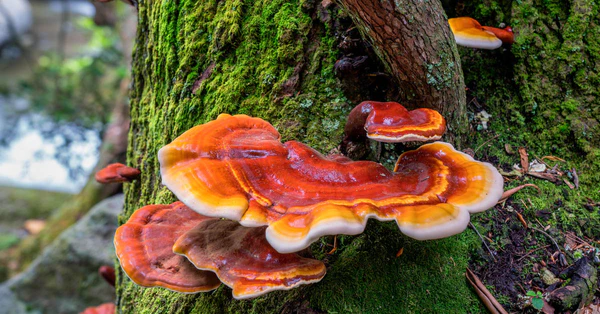
Reishi (Ganoderma lucidum) is a wood-degrading basidiomycete fungus belonging to the family Ganodermataceae, native to the temperate and subtropical forests of East Asia, Europe, and the Americas. The dried fruiting body is the principal medicinal part, with the spores and mycelium also carrying bioactive compounds at varying concentrations.² The mushroom has been called the “Mushroom of Immortality” in traditional Chinese medicine for over two thousand years, with its earliest recorded medicinal use dating to the Han dynasty (206 BCE to 220 CE), and its inclusion in major pharmacopoeias of East Asia as a recognised therapeutic agent.²,³
What makes Reishi unusual for a canine nutrition discussion is that it qualifies for inclusion in two distinct frameworks simultaneously, and both frameworks contribute meaningfully to the editorial answer. Most botanicals fit cleanly into one category. Reishi fits cleanly into both:
- The strict-definition adaptogen framework, originally articulated by Soviet pharmacologists Brekhman and Dardymov in 1969 and refined through modern reviews,⁴,⁵ identifies Reishi as a Secondary adaptogen. Reishi meets the three pharmacological criteria for adaptogen classification (non-specific resistance, normalising action, innocuousness at therapeutic dose) but with weaker stress-axis evidence than the six Core adaptogens (Ashwagandha, Panax Ginseng, Eleuthero, Holy Basil, Rhodiola, Schisandra). Its inclusion in PhytoPlus® alongside three Core adaptogens reflects this Secondary classification.
- The medicinal mushroom framework identifies Reishi as one of the most pharmacologically active mushroom species, with the strongest direct canine evidence of any medicinal mushroom variety. The 2024 Kayser et al. randomised controlled trial in 40 adult Beagles is the single most important reference in canine Reishi nutrition.¹
The two frameworks reinforce rather than conflict with each other. The adaptogen framework anchors Reishi within HPA-axis modulation and stress-response normalising activity. The medicinal mushroom framework anchors Reishi within immune modulation, gut-immune signalling, and the broader bioactive compound profile that distinguishes pharmacologically active fungi from culinary mushrooms. Together they explain why Reishi appears in both an adaptogen-led product (Bonza Superfoods & Ancient Grains within PhytoPlus®) and the broader medicinal mushroom literature (where it sits alongside Turkey Tail, Lion’s Mane, Shiitake, and others).
The Bioactive Composition of Reishi Mushroom
Reishi’s pharmacological breadth comes from a remarkably diverse bioactive profile. Modern phytochemistry has isolated more than 380 distinct triterpenoids and over 200 individual polysaccharides from Ganoderma lucidum, alongside peptidoglycans, proteins, sterols, phenolic compounds, and the antioxidant amino acid ergothioneine.²,⁶ The two most pharmacologically characterised compound classes are the lanostane-type triterpenoids and the beta-D-glucan polysaccharides, which together drive the majority of documented immunomodulatory, anti-inflammatory, and antioxidant effects.
Triterpenoids and Ganoderic Acids
Triterpenoids are the principal lipid-soluble bioactives in Reishi, with the lanostane-type C30 carbon backbone defining the chemistry of the ganoderic acid family. Over 380 individual triterpenoids have been isolated from Ganoderma to date, with ganoderic acids A, B, C, T, and Q among the most pharmacologically characterised.² The triterpenoids contribute the bitter taste characteristic of Reishi (a quality used historically to assess preparation potency) and account for the mushroom’s anti-inflammatory, hepatoprotective, and antioxidant activities. Mechanistically, ganoderic acids inhibit the synthesis of pro-inflammatory cytokines including TNF-alpha and various interleukins, and modulate signalling through the NF-κB and MAPK pathways that govern broader inflammatory responses.²,⁷
Beta-D-Glucans and Polysaccharides
Polysaccharides, particularly beta-D-glucans, are the principal water-soluble bioactives in Reishi and the most extensively studied compound class for immunomodulatory activity. The beta-1,3/1,6 glucan structure, with its triple-helix tertiary configuration, is what allows these polysaccharides to bind to pattern recognition receptors on immune cells.⁶,⁸ Specifically, Reishi beta-glucans bind to dectin-1 receptors on macrophages and natural killer cells, Toll-like receptors (notably TLR2 and TLR4), and complement receptor 3, triggering cascades of immune activation that span both innate and adaptive arms of the immune system.⁷,⁸
The polysaccharide content of Reishi fruiting bodies is approximately 10 to 50 percent of dry mass, with significant variation depending on cultivation method, processing, and the part of the mushroom used.² The water-soluble fraction of Reishi polysaccharides is what the published clinical literature most often references, and is the form preserved by the cold-extrusion processing used in Bonza Superfoods & Ancient Grains.
Peptidoglycans, Sterols, and Antioxidant Compounds
Beyond triterpenoids and polysaccharides, Reishi contains additional bioactive compounds that contribute to its pharmacological breadth. Peptidoglycans (polysaccharide-protein complexes) demonstrate immunomodulatory activity through pathways distinct from pure beta-glucans. Sterols including ergosterol (a precursor to vitamin D2) contribute to immune-related membrane biology. Phenolic compounds and the antioxidant amino acid ergothioneine add to the antioxidant capacity that protects cells from oxidative stress.² The result is a multi-mechanism profile that does not depend on any single bioactive compound, which is one reason Reishi extracts deliver consistent effects across heterogeneous individuals despite natural variation in any single compound’s concentration.
The Documented Benefits of Reishi for Dogs
The documented benefits of Reishi for dogs cover four principal areas: immune modulation (the strongest and best-evidenced), anti-inflammatory and antioxidant activity, adaptogenic HPA-axis modulation, and liver and detoxification support. Cardiovascular relevance is discussed within the gut-organ axis context rather than as a stand-alone benefit area, because the mechanistic evidence is best understood through the gut-heart axis. Each is covered below proportionate to the strength of canine-specific evidence.
Immune Modulation: The Strongest Direct Canine Evidence
The strongest direct canine evidence for Reishi is in the area of immune modulation. The 2024 Kayser et al. trial published in the Journal of Animal Science is the anchor study: 40 adult Beagles were randomised across four treatments (control, 5 mg/kg, 10 mg/kg, or 15 mg/kg of Ganoderma lucidum supplementation per day), with the trial running for 28 days following a 7-day adaptation period.¹ The principal findings were that the 15 mg/kg per day group showed enhanced phagocytic activity and significantly greater vaccine-specific IgG response to rabies vaccination compared with controls, with the immune-response difference reaching statistical significance (P=0.0384). The trial documented no adverse effects on overall health, nutrient digestibility, faecal microbiota, or skin and coat health at any of the three doses studied, providing baseline canine safety data alongside the efficacy findings.¹
The mechanism of action behind this canine immune-modulating effect is well-characterised in the broader pharmacological literature. Reishi beta-glucans bind to pattern recognition receptors on macrophages, natural killer cells, dendritic cells, and B and T lymphocytes, with the dectin-1 receptor being the most heavily-studied target.⁷,⁸ Receptor binding triggers cytokine production cascades, enhanced antigen presentation, and amplified adaptive immune responses, which is consistent with the enhanced vaccine-specific IgG response documented in the canine trial. Triterpenoids contribute through complementary anti-inflammatory pathways that prevent the immune activation from over-shooting into chronic inflammation.²,⁷
Anti-Inflammatory and Antioxidant Activity
Reishi’s anti-inflammatory and antioxidant activity is substantial and well-characterised, with a 2018 comprehensive review by Cör and colleagues documenting the effects of Reishi triterpenoids and polysaccharides on inflammatory mediators, oxidative stress markers, and tissue protection across in vitro and in vivo models.⁶ Triterpenoids inhibit pro-inflammatory cytokine synthesis through NF-κB and MAPK pathway modulation. Polysaccharide-bound antioxidants and ergothioneine reduce oxidative stress at the cellular level. The combined effect is relevant for chronic inflammatory presentations, oxidative-stress-driven ageing processes, and the broader context of inflammaging that connects chronic inflammation to age-related health decline.⁶,⁹
Adaptogenic HPA-Axis Modulation
Reishi’s adaptogenic activity is mediated by the same triterpenoid and polysaccharide compounds that drive its immune and anti-inflammatory effects, with the additional involvement of cortisol metabolism pathways.⁴,⁵ As a Secondary adaptogen within the Brekhman and Dardymov framework, Reishi demonstrates the three defining criteria of normalising adaptogenic action: bidirectional modulation of stress-response system activity (downregulating in stressed states, supporting in suboptimal-function states), non-specific resistance to a wide range of biological stressors, and innocuousness at therapeutic dose.⁴ The HPA-axis modulating mechanism is shared with the three Core adaptogens in PhytoPlus® (Ashwagandha, Panax Ginseng, Eleuthero), with Reishi’s unique contribution being the convergence of HPA-axis activity with gut-immune axis activity through the same beta-glucan and triterpenoid bioactives.
Liver Support and Detoxification
Reishi has documented hepatoprotective activity through its triterpenoid and polysaccharide bioactives, with a substantial preclinical literature base showing protection against chemical, alcohol-induced, and immune-mediated liver injury models.² Ganoderic acid A in particular has been characterised for its hepatoprotective mechanisms, including reduction of oxidative stress in hepatocytes, modulation of inflammatory signalling in the liver, and support for liver cell regeneration. The relevance for canine nutrition is in the context of the gut-liver axis, where Reishi’s combined effects on gut microbiota, intestinal barrier integrity, and direct hepatocyte signalling converge on liver health.¹⁰ Dogs experiencing chronic low-level hepatic stress (older dogs, dogs on long-term medication, dogs with elevated liver enzyme markers) may benefit particularly from this convergent gut-liver axis activity, although the specific clinical evidence in dogs remains primarily mechanistic rather than direct RCT-anchored.
Reishi adds immune-modulating and calming support to the adaptogen blend. It is one of the four adaptogens in Bonza’s plant-based dog food.
How Reishi Influences the Canine Gut Microbiome and Gut-Organ Axes
Reishi’s effects on the canine gut microbiome and the broader gut-organ axes are central to understanding why a mushroom species delivers systemic benefits across immune, inflammatory, hepatic, and longevity outcomes. The gut is the principal site of Reishi bioactivity initiation, where beta-glucans and polysaccharides interact with gut-associated lymphoid tissue (GALT) and modulate microbial community composition, before the systemic effects ripple outward through the gut-organ axis network.¹⁰,¹¹
Gut-Immune Axis (Primary Route of Effect)
The gut-immune axis is the primary route through which Reishi exerts its systemic immune-modulating effects in dogs. Approximately 70 percent of canine immune tissue resides in the gut as GALT, and Reishi beta-glucans are particularly effective at engaging this tissue through dectin-1 and other pattern recognition receptors expressed on intestinal dendritic cells, macrophages, and Peyer’s patch lymphocytes.⁷,¹⁰ The canine 2024 Kayser et al. trial documented that this gut-mediated immune signalling translates into peripheral immune effects (enhanced phagocytic activity, greater vaccine-specific IgG response) without disrupting gut microbiota composition, which is the defining profile of a desirable canine immune-modulating ingredient: systemic effect without gut disturbance.¹
For deeper coverage of the underlying canine gut-immune axis biology, see The Gut-Immune Axis in Dogs.
Gut-Liver Axis
The gut-liver axis connects Reishi’s documented hepatoprotective activity to its gut-microbiome-modulating effects through bidirectional signalling. A 2025 review by Cao and colleagues focused specifically on the immunomodulatory effects of Ganoderma lucidum on gut-brain and gut-liver axis disorders, documenting how Reishi polysaccharides strengthen intestinal barrier function (reducing the leak of pro-inflammatory bacterial endotoxins into the portal circulation), modulate microbiota composition (promoting beneficial bacteria and inhibiting harmful ones), and trigger immune signalling cascades that support liver homeostasis.¹⁰ The triterpenoid contribution is direct hepatocyte protection through NF-κB pathway modulation and reduction of oxidative stress. The combined gut-and-direct mechanism is why Reishi appears in both and liver-protection literature simultaneously.
For the canine gut-liver axis context, see The Gut-Liver Axis in Dogs.
Gut-Brain Axis
Reishi’s gut-brain axis activity is mediated by the same Cao 2025 framework that anchors the gut-liver axis evidence, with the additional dimension that Reishi triterpenoids and polysaccharides modulate inflammatory signalling that crosses the blood-brain barrier and influences neuroinflammation.¹⁰ For dogs, this is most relevant in the context of age-related neuroinflammation and the broader picture of canine cognitive ageing, although direct canine cognitive RCTs for Reishi specifically have not been conducted to date. The mechanistic evidence supports Reishi as a contributor to the gut-brain axis foundation that other adaptogens (notably Panax Ginseng with its direct cognitive evidence in geriatric dogs) build upon, rather than as a primary cognitive-axis agent in its own right.
For the canine gut-brain axis context, see The Gut-Brain Axis in Dogs.
Gut-Longevity Axis
The gut-longevity axis provides a frame for understanding Reishi’s relevance across the dog’s lifespan, particularly in the senior years where chronic low-grade inflammation, immune system decline, and gut microbiome shifts converge on healthspan outcomes. Reishi’s polysaccharide-mediated gut-microbiota support, its triterpenoid-mediated antioxidant and anti-inflammatory activity, and its adaptogenic HPA-axis modulation collectively address several mechanisms of biological ageing in dogs.⁹,¹⁰ The Cör 2018 review documented that Reishi extracts provide measurable antioxidant capacity in mammalian tissues, and the broader gut-microbiome literature increasingly identifies microbial diversity preservation as a longevity-relevant outcome that Reishi supports.⁶,¹¹
For the canine gut-longevity axis context, see The Gut-Longevity Axis in Dogs.
Why Bonza Includes Reishi in Superfoods & Ancient Grains
Bonza includes Reishi in Superfoods & Ancient Grains within the PhytoPlus® botanical and bioactive blend because the canine-specific evidence base supports its inclusion at the food-matrix level, the cold-extrusion processing preserves the heat-sensitive bioactives that conventional pet food processing destroys, and the gut-immune axis route of effect aligns with Bonza’s gut-first nutritional philosophy. PhytoPlus® is a 28-ingredient functional blend that includes four adaptogens (Ashwagandha, Panax Ginseng, Eleuthero, Reishi), Turmeric with Black Pepper for piperine-mediated curcumin bioavailability, DHA Gold™ algae-sourced omega-3, dried seaweed, coconut oil, prebiotic substrates (chicory FOS and inulin), MOS and beta-glucan substrates (yeast hydrolysate), polyphenol botanicals (olive extract, rosemary, oregano, sage, basil, parsley), carotenoid-and-vitamin sources (pineapple, cranberry, papaya, spinach, kale, pumpkin, baobab), chamomile, echinacea, ginger, and yucca extract.
Reishi’s specific contribution within this matrix rests on three defensible architectural points:
- Direct canine RCT evidence at a dose-aligned inclusion level. The 2024 Kayser et al. trial documented immune-modulating efficacy at 15 mg/kg body weight per day, providing the most defensible canine dosing parameter currently published. The PhytoPlus® inclusion of Reishi is calibrated to deliver meaningful daily exposure within the broader food matrix, with the cumulative effect building over the weeks and months of consistent feeding.¹
- Cold-extrusion processing preserves bioactivity. Conventional pet food extrusion typically operates at 110-130°C, temperatures that degrade heat-sensitive polysaccharides and triterpenoids. Bonza Superfoods & Ancient Grains uses cold-extrusion processing at 70°C, which preserves the bioactive integrity of Reishi’s primary compound classes and the broader PhytoPlus® botanical layer. This is a meaningful manufacturing distinction that affects the actual bioavailability of the ingredient list, not just its nominal inclusion.
- Gut-anchored systemic action aligns with the food-matrix delivery vehicle. Reishi’s principal route of effect (gut-associated lymphoid tissue activation by beta-glucans, gut microbiota modulation by polysaccharides, gut-organ axis signalling) is best supported by daily food-matrix exposure within a complete formulation that also provides the fibre, prebiotic, and polyphenol context that the gut microbiome requires. PhytoPlus® appears exclusively in Superfoods & Ancient Grains because the food is the appropriate delivery vehicle for sustained Reishi exposure.
The four-adaptogen architecture within PhytoPlus® reflects deliberate formulation thinking. Ashwagandha brings the strongest cortisol-reduction evidence base. Panax Ginseng brings the strongest cognitive and senior-vitality evidence. Eleuthero brings sustained stress-resilience and anti-fatigue support. Reishi brings the strongest direct canine immune-modulation evidence and the most pharmacologically diverse compound profile of the four. Together they cover the breadth of HPA-axis activity, immune resilience, cognitive support, and stress-system normalising action, with overlapping but complementary mechanism profiles that produce more consistent results across heterogeneous individual dogs than any single adaptogen on its own.
Shop Bonza Superfoods & Ancient Grains.
Safety, Contraindications, and When to Seek Veterinary Input
Reishi has a strong safety profile in dogs at appropriate doses, with the 2024 Kayser et al. canine RCT documenting no adverse effects on health, digestibility, gut microbiota, or skin and coat health at doses up to 15 mg/kg body weight per day over a 28-day intervention period.¹ Specific contraindications and cautions exist, however, and veterinary input is appropriate in defined circumstances. The cautions below apply to Reishi as an ingredient category rather than to any specific Bonza product, since formulated foods deliver Reishi within a managed inclusion level alongside a broader nutritional matrix.
Veterinary input is appropriate or essential in the following contexts:
- Bleeding disorders and anticoagulant therapy. Reishi contains compounds that may affect platelet aggregation and blood clotting. Dogs with diagnosed bleeding disorders (von Willebrand disease, thrombocytopaenia) or those on anticoagulant or antiplatelet medication should not start Reishi supplementation without veterinary review.
- Hypotension or cardiac medication. Reishi has documented hypotensive effects in some preclinical models. Dogs prone to hypotension or on cardiac medication that affects blood pressure should be evaluated by a veterinarian before introduction.
- Autoimmune and immune-mediated conditions. Reishi’s immune-stimulating activity, while generally beneficial, may be counterproductive in dogs with autoimmune disease (immune-mediated haemolytic anaemia, polyarthritis, or similar). Veterinary guidance is essential in these cases.
- Concurrent immunosuppressant medication. Reishi may partially counteract the action of immunosuppressant drugs. Dogs on these medications, including those used in chemotherapy and post-transplant settings, should have any Reishi supplementation reviewed by their veterinarian.
- Pre-surgical contexts. Due to potential effects on platelet function, Reishi supplementation should be discontinued at least two weeks before any planned surgery, with the timing confirmed by the supervising veterinary team.
- Pregnancy and lactation. Insufficient canine safety data exists for Reishi in pregnancy or lactation. Avoidance is the appropriate default until specific safety evidence becomes available.
- Puppies under 12 months. The 2024 Kayser et al. RCT was conducted in adult dogs. No published canine RCT evidence exists for puppies under 12 months. Conservative, veterinary-led decision-making is appropriate in this age group.
The general principle for Reishi in canine nutrition, as for the broader medicinal mushroom category, is gradual introduction, daily consistent use, and assessment over weeks rather than days. Immune-modulating effects build progressively through cumulative receptor-level engagement and microbiome adaptation, not through any single dose.
How to Introduce Reishi into Your Dog’s Routine
Introducing Reishi into a dog’s routine works best as a gradual, daily addition delivered within food rather than as an episodic supplement, because the pharmacology favours sustained low-level exposure and gut-microbiome engagement over high pulse dosing. The steps below apply whether Reishi is being delivered through a complete food such as Bonza Superfoods & Ancient Grains or through a stand-alone canine mushroom supplement.
The recommended introduction sequence is:
- Confirm appropriateness with your veterinarian.
Particularly if your dog is on any concurrent medication, has a diagnosed condition flagged in the safety section above, is in pregnancy or lactation, or is being prepared for any planned surgery within the next two weeks.
- Choose a quality-controlled source.
For stand-alone supplements, look for products specifying the species (Ganoderma lucidum), the part of the mushroom used (fruiting body, mycelium, or both), the beta-glucan content, and ideally third-party testing for identity, purity, and heavy metal content. For complete foods, look for cold-extrusion or comparable low-heat processing that preserves heat-sensitive bioactives.
- Start at half the target dose for the first 7 to 10 days.
This allows for tolerance assessment and identification of any individual digestive sensitivity before reaching full dose.
- Mix into food rather than offering separately.
Reishi’s bioactivity benefits from co-administration with food and from gut-microbial interaction, both of which favour delivery in a complete meal context.
- Maintain consistent daily dosing for at least 6 to 8 weeks before assessing effect.
Immune-modulating and adaptogenic effects accumulate progressively. The 28-day Kayser et al. canine RCT documented effects emerging over the trial period, with the strongest effects at the dose-response peak.¹
- Document baseline and changes.
Note baseline immune-related markers (illness frequency, recovery from minor infections, vaccine response observations where relevant), energy, appetite, and stool quality before introduction, and reassess at 4 and 8 weeks.
For dogs already eating Bonza Superfoods & Ancient Grains, Reishi is included in the daily food matrix at a managed inclusion level alongside the other three Bonza adaptogens within PhytoPlus®. No separate Reishi supplementation is required for the food’s adaptogenic and immune-supporting layer to be active.
Dosage Guidance for Reishi in Dogs
Dosage guidance for Reishi in dogs is more defensibly anchored than for many other adaptogens because of the direct canine RCT evidence at a clearly-specified dose. The 2024 Kayser et al. trial used a four-arm randomised design with control, 5 mg/kg, 10 mg/kg, and 15 mg/kg body weight per day across 28 days, identifying the 15 mg/kg dose as the level at which immune-modulating effects became statistically significant.¹ The lower doses showed trends toward effect without reaching statistical significance, which provides useful gradient information for dosing thinking even though the formal recommendation rests on the 15 mg/kg level.
The practical dosing parameters that emerge from this evidence base are:
- Whole crude Ganoderma lucidum at 15 mg/kg body weight per day is the canine RCT-validated dose for immune-modulating effect, sustained over 4 to 8 weeks minimum to assess outcome, taken with food.¹
- Standardised extract products dose depends on beta-glucan and triterpenoid concentration. Follow the manufacturer’s veterinary-specific guidance, and where this is not available, default to dose-equivalent amounts based on stated concentration.
- Food-matrix delivery (Bonza Superfoods & Ancient Grains) daily feeding at the manufacturer’s recommended portion provides Reishi alongside the broader PhytoPlus® botanical blend. No additional Reishi dosing is required when this food is used.
For dogs being introduced to Reishi for the first time, beginning at 5 mg/kg body weight per day for the first week and progressing to 15 mg/kg body weight per day from week two onwards is a reasonable protocol that allows tolerance assessment before reaching the evidence-based therapeutic dose. Once at 15 mg/kg, sustained daily dosing for at least 6 to 8 weeks is appropriate before assessing effect.
Frequently Asked Questions
Yes, at appropriate doses Reishi has a favourable safety profile in dogs. The 2024 Kayser et al. canine RCT documented no adverse effects on health, nutrient digestibility, faecal microbiota, or skin and coat health across doses up to 15 mg/kg body weight per day over a 28-day intervention period.¹ Specific cautions apply for dogs with bleeding disorders, hypotension, autoimmune conditions, on anticoagulant or immunosuppressant medication, in pregnancy or lactation, and in the two weeks before any planned surgery.
Reishi qualifies for both classifications. As a Secondary strict-definition adaptogen, Reishi modulates the hypothalamic-pituitary-adrenal axis bidirectionally and contributes to long-term stress resilience.⁴,⁵ As a medicinal mushroom, Reishi has the strongest direct canine clinical trial evidence for immune modulation of any mushroom species, anchored by the 2024 Kayser et al. RCT.¹ The two classifications reinforce each other: the same beta-glucan and triterpenoid bioactives drive both the HPA-axis modulating activity and the immune-modulating activity, which is why Reishi appears in both adaptogen and medicinal mushroom literature.
Most published canine and translational data shows progressive effects over 4 to 8 weeks of daily dosing. The 2024 Kayser et al. canine RCT documented effects emerging across a 28-day intervention period, with the strongest effects at the highest dose tested. Short courses of 1 to 2 weeks are unlikely to produce the full effect, particularly for the immune-system-recalibration outcomes that drive most of the documented benefit.¹
Yes, in principle, and Bonza Superfoods & Ancient Grains includes Reishi within PhytoPlus® alongside three other adaptogens (Ashwagandha, Panax Ginseng, Eleuthero) precisely because the four work synergistically. For combinations with other medicinal mushrooms outside the Bonza range (Turkey Tail, Lion’s Mane, Shiitake, others), the general principle is to introduce one new variety at a time, allow 2 to 4 weeks for tolerance assessment, and reduce individual doses proportionally when using blends. Veterinary guidance is appropriate for dogs with autoimmune conditions or on immunomodulating medication.
Yes. Fruiting body extracts generally contain higher concentrations of triterpenoids and polysaccharides than mycelium products grown on grain substrates, which may contain significant amounts of starch alongside the active mushroom material. Hot-water extraction releases polysaccharides into the soluble fraction. Cold-extrusion food processing at 70°C preserves heat-sensitive bioactives that conventional pet food processing at 110-130°C destroys. The form most consistent with the Bonza approach is fruiting body material delivered through cold-extrusion-processed complete food, which preserves bioactivity within a daily feeding context.
Reishi’s principal route of effect is gut-anchored, with beta-glucans engaging gut-associated lymphoid tissue and polysaccharides modulating gut microbiota composition. This activity is best supported by daily food-matrix exposure within a complete formulation that provides the fibre, prebiotic, and polyphenol context the gut microbiome requires. PhytoPlus® appears exclusively in Superfoods & Ancient Grains because the food is the appropriate delivery vehicle for sustained Reishi exposure within the broader gut-supporting matrix.
Reishi contributes to canine stress resilience through its adaptogenic HPA-axis modulating activity, but it is not the strongest-evidence adaptogen for anxiety-specific outcomes. Ashwagandha holds the strongest direct canine RCT evidence for stress and anxiety-related behavioural improvement, with three peer-reviewed canine trials supporting cortisol reduction and behavioural anxiety scores.⁵ For comprehensive coverage of canine anxiety and the multi-mechanism approach Bonza takes through Bliss Bioactive Bites, see Adaptogens for Anxiety in Dogs.
Reishi and Turkey Tail are different medicinal mushrooms with different evidence-base emphases. Turkey Tail (Trametes versicolor) has the strongest direct canine evidence for cancer-adjunct support, with peer-reviewed canine clinical trials in dogs with hemangiosarcoma. Reishi has the strongest direct canine evidence for general immune modulation in healthy adult dogs, with the 2024 Kayser et al. RCT documenting enhanced phagocytic activity and vaccine-specific IgG response.¹ For the comprehensive comparison across nine medicinal mushroom varieties, see Medicinal Mushrooms for Dogs.
Conclusion
Reishi (Ganoderma lucidum) is unusual among canine nutrition ingredients in qualifying for inclusion in two distinct frameworks at once. As a Secondary strict-definition adaptogen, it modulates the hypothalamic-pituitary-adrenal axis bidirectionally and contributes to the cumulative stress resilience that the four-adaptogen Bonza architecture is built around. As the most evidence-supported medicinal mushroom for canine immune health, it is anchored by the 2024 Kayser et al. randomised controlled trial in 40 adult Beagles, which documented enhanced phagocytic activity and significantly greater vaccine-specific IgG response at 15 mg/kg body weight per day, with no adverse effects on digestibility, gut microbiota, or skin and coat health.¹
The pharmacology that drives both classifications is built around lanostane-type triterpenoids (with over 380 individual ganoderic acid family members identified) and beta-D-glucan polysaccharides, working through pattern recognition receptor activation in gut-associated lymphoid tissue, NF-κB and MAPK pathway modulation, and direct gut microbiota effects. The principal route of canine benefit runs through the gut-immune axis, with secondary involvement of the gut-liver, gut-brain, and gut-longevity axes. This is why Reishi’s value to a dog begins in the gut and extends outward across multiple systems rather than acting as a single-target intervention.
Bonza’s inclusion of Reishi within Superfoods & Ancient Grains via the PhytoPlus® botanical blend reflects three deliberate architectural choices: alignment with the canine RCT-validated dose, cold-extrusion processing at 70°C to preserve heat-sensitive bioactives, and gut-anchored delivery within a complete food matrix that provides the fibre, prebiotic, and polyphenol context the gut microbiome requires. Reishi sits alongside Ashwagandha, Panax Ginseng, and Eleuthero (Siberian Ginseng) as the four adaptogens in the blend, alongside Turmeric, DHA Gold™, the broader polyphenol layer, the prebiotic and postbiotic substrates, and the wider 28-ingredient bioactive matrix that PhytoPlus® delivers. One Gut. Whole Dog. is not a slogan in this context. It is the editorial conclusion that the canine Reishi literature itself supports.
Related Articles
- Adaptogens for Dogs: The Strict-Definition Guide to Adaptogenic Herbs for Stress, Resilience, and Healthy Ageing
- Medicinal Mushrooms for Dogs: Guide to Benefits, Safety and Use
- Panax Ginseng for Dogs: A Core Adaptogen for Stress, Cognition, and Senior Vitality
- Adaptogens for Anxiety in Dogs: The Science-Led Guide for Stress, Separation, and Noise Phobia
- The Dog Gut Microbiome: Vital Key to Dog Health
- The Gut-Immune Axis in Dogs
- Bonza Superfoods & Ancient Grains
References
- Kayser E, Castaneda PL, Soto-Diaz K, Steelman AJ, Murphy A, Spindola M, He F, de Godoy MRC. Functional properties of Ganoderma lucidum supplementation in canine nutrition. J Anim Sci. 2024;102:skae051. doi: 10.1093/jas/skae051. PMID: 38417056. PMC: PMC11025632.
- Wachtel-Galor S, Yuen J, Buswell JA, Benzie IFF. Ganoderma lucidum (Lingzhi or Reishi): A Medicinal Mushroom. In: Benzie IFF, Wachtel-Galor S, editors. Herbal Medicine: Biomolecular and Clinical Aspects. 2nd edition. Boca Raton (FL): CRC Press/Taylor & Francis; 2011. Chapter 9. NCBI Bookshelf: NBK92757.
- Lin ZB. Cellular and molecular mechanisms of immuno-modulation by Ganoderma lucidum. J Biomed Sci. 2005;12(1):20-7. doi: 10.1007/s11373-004-8129-9. PMID: 16230843.
- Panossian A, Wikman G. Effects of Adaptogens on the Central Nervous System and the Molecular Mechanisms Associated with Their Stress-Protective Activity. Pharmaceuticals (Basel). 2010;3(1):188-224. doi: 10.3390/ph3010188. PMID: 27713248. PMC: PMC3991026.
- Panossian AG, Efferth T, Shikov AN, Pozharitskaya ON, Kuchta K, Mukherjee PK, Banerjee S, Heinrich M, Wu W, Guo D, Wagner H. Evolution of the adaptogenic concept from traditional use to medical systems: Pharmacology of stress- and aging-related diseases. Med Res Rev. 2021;41(1):630-703. doi: 10.1002/med.21743. PMID: 33103257. PMC: PMC7756641.
- Cör D, Knez Ž, Knez Hrnčič M. Antitumour, Antimicrobial, Antioxidant and Antiacetylcholinesterase Effect of Ganoderma Lucidum Terpenoids and Polysaccharides: A Review. Molecules. 2018;23(3):649. doi: 10.3390/molecules23030649. PMID: 29534044. PMC: PMC6017764.
- Zhang H, Zhang J, Liu Y, Tang C. Recent Advances in the Preparation, Structure, and Biological Activities of β-Glucan from Ganoderma Species: A Review. Foods. 2023;12(15):2975. doi: 10.3390/foods12152975. PMID: 37569244. PMC: PMC10419088.
- Chen SN, Nan FH, Liu MW, Yang MF, Chang YC, Chen S. Evaluation of Immune Modulation by β-1,3; 1,6 D-Glucan Derived from Ganoderma lucidum in Healthy Adult Volunteers, A Randomized Controlled Trial. Foods. 2023;12(3):659. doi: 10.3390/foods12030659. PMC: PMC9914031.
- McEwen BS, Seeman T. Protective and damaging effects of mediators of stress. Elaborating and testing the concepts of allostasis and allostatic load. Ann N Y Acad Sci. 1999;896:30-47. doi: 10.1111/j.1749-6632.1999.tb08103.x. PMID: 10681886.
- Zhao L, Geng Z, Wang Y, Wen J, Liu D. Immunomodulatory Effects of Ganoderma lucidum Bioactive Compounds on Gut-Brain and Gut-Liver Axis Disorders. Curr Issues Mol Biol. 2025;47(10):842. doi: 10.3390/cimb47100842. PMID: 41150791. PMC: PMC12563824.
- Qin X, Fang Z, Zhang J, Zhao W, Zheng N, Wang X. Regulatory effect of Ganoderma lucidum and its active components on gut flora in diseases. Front Microbiol. 2024;15:1362479. doi: 10.3389/fmicb.2024.1362479. PMC: PMC10990249.
Editorial Information
| Field | Detail |
|---|---|
| Originally Published | July 2023 |
| Last Updated | May 2026 |
| Update Note | Comprehensive rewrite (May 2026) to apply current strict-definition adaptogen framework, add the 2024 Kayser et al. canine RCT as the lead anchor reference, integrate the dual-cluster positioning across the adaptogen and medicinal mushroom hubs, expand the gut-organ axis treatment, and apply verified Vancouver-MD references throughout. |
| Reviewed by | Glendon Lloyd Dip.Canine.Nutrition Dip.Dog.Nutrigenomics |
| Next Review | November 2026 |
| Author | Glendon Lloyd Dip.Canine.Nutrition Dip.Dog.Nutrigenomics |
| Disclaimer | This article is for informational purposes only and does not constitute veterinary advice. Always consult a qualified veterinarian before making changes to your dog’s diet or supplement regimen. |