


Functional Foods and Nutraceuticals – Researched Contribution for Dog Health
Functional foods offer a powerful tool for promoting canine health, providing benefits that extend far beyond basic nutrition. From enhancing gut health with probiotics and prebiotics to supporting joint, cardiovascular, and cognitive health with PUFAs and phytonutrients, these foods can play a crucial role in managing and preventing a wide range of diseases in dogs. As research continues to advance, the potential for personalised, microbiome-targeted diets will open new possibilities for improving the health and well-being of our canine companions. By understanding and utilising the full spectrum of functional foods available, dog owners can take proactive steps to ensure their pets lead healthier, happier lives.
Table of Contents
- Introduction
- 1.1 The Growing Importance of Canine Health
- 1.2 Understanding Functional Foods and Their Impact
- Functional Foods and Their Role in Canine Nutrition
- 2.1 The Essentials of Functional Foods
- 2.2 Enriched and Fortified Foods
- 2.3 Targeting Gut Health with Probiotics and Prebiotics
- Probiotics: Balancing the Canine Gut Microbiome
- 3.1 Probiotic Strains and Their Benefits
- 3.2 Probiotics in Treating Canine Gastrointestinal Disorders
- Prebiotics and Synbiotics: Fuelling Beneficial Gut Bacteria
- 4.1 Prebiotic Sources and Functions
- 4.2 The Synergistic Power of Synbiotics
- 4.3 Impact on Digestive Health and Disease Prevention
- Postbiotics: Emerging Benefits for Canine Health
- 5.1 Types of Postbiotics
- 5.2 Postbiotics in Disease Management
- Polyunsaturated Fatty Acids (PUFAs): Vital Fats for Canine Health
- 6.1 Omega-3 and Omega-6 Fatty Acids
- 6.2 PUFAs in Inflammation and Joint Health
- 6.3 Cardiovascular Benefits of PUFAs
- Phytonutrients: Harnessing Plant Power for Canine Health
- 7.1 Carotenoids and Polyphenols
- 7.2 Phytosterols and Their Role in Health
- 7.3 Managing Chronic Diseases with Phytonutrients
- Functional Foods in Managing Canine Diseases
- 8.1 Gastrointestinal Diseases: IBD and Chronic Enteropathies
- 8.2 Diabetes and Insulin Sensitivity
- 8.3 Cardiovascular Health
- 8.4 Musculoskeletal Disorders
- 8.5 Cognitive Health
- Conclusion: The Future of Canine Health with Functional Foods
- 9.1 The Potential of Tailored Functional Foods
- 9.2 Future Research Direction
Introduction
1.1 The Growing Importance of Canine Health
With the rise in the number of households that consider dogs as integral family members, the focus on canine health has never been more pronounced. In South Korea alone, the pet care industry has seen substantial growth, with pet owners spending significant amounts on veterinary care and high-quality food. This trend reflects a broader global movement where dogs are no longer just pets but beloved companions, whose well-being is of utmost importance. Understanding the role of diet, particularly functional foods, in maintaining and enhancing canine health has become a key concern for responsible pet ownership.
1.2 Understanding Functional Foods and Their Impact
Functional foods are increasingly recognised as essential in promoting not only human health but also the health of our canine companions. These foods are designed to go beyond basic nutrition, providing specific health benefits that can prevent or manage diseases. By targeting various aspects of health, such as gut microbiome balance, inflammation, or cognitive function, functional foods can significantly enhance the quality of life for dogs. This article delves into the various types of functional foods available for canines, exploring their benefits and the science behind their efficacy.
Functional Foods and Their Role in Canine Nutrition
2.1 The Essentials of Functional Foods
Functional foods are defined as foods that offer additional health benefits beyond basic nutrition. According to the European Consensus, a food can be considered functional if it has been demonstrated to beneficially affect one or more target functions in the body in a way that improves health or reduces disease risk. For canines, these foods are often enriched or fortified with specific nutrients to address particular health concerns. This might include foods enriched with polyunsaturated fatty acids (PUFAs) for joint health or probiotics for gut health.
2.2 Enriched and Fortified Foods
Enriched and fortified foods are central to functional nutrition. Enriched foods have added nutrients that enhance their health benefits, while fortified foods include nutrients that are not originally present. For instance, commercial canine foods in the United States are often fortified with essential nutrients to meet guidelines established by the Association of American Feed Control Officials (AAFCO). However, the quality of these nutrients can vary, with some commercial foods using lower-quality ingredients, which can affect their overall nutritional value. The inclusion of high-quality functional foods can address these deficiencies, ensuring that dogs receive the nutrients they need for optimal health.
2.3 Targeting Gut Health with Probiotics and Prebiotics
The dog gastrointestinal (GI) microbiome is a dynamic and metabolically active organ that plays a crucial role in canine health. A balanced microbiome is essential for proper nutrient digestion, absorption, and overall health. Functional foods that target gut health, such as those containing probiotics, prebiotics, and synbiotics, are designed to enhance this balance. These foods help maintain a healthy population of beneficial bacteria in the gut, which is critical for preventing and managing various health issues, including chronic enteropathies and allergies.
Probiotics: Balancing the Canine Gut Microbiome
3.1 Probiotic Strains and Their Benefits
Probiotics are live microorganisms that, when administered in adequate amounts, confer a health benefit on the host. In dogs, common probiotic strains include Bacillus Velezensis, Lactobacillus spp., Bifidobacterium spp., and Enterococcus spp., which are naturally found in the canine gut. These strains help restore eubiosis (a balanced gut microbiome) by promoting the growth of beneficial bacteria and inhibiting the proliferation of harmful bacteria. For instance, Calsporin® (Bacillus velezensis/subtilis) has been shown to improve faecal consistency and reduce the presence of pathogenic E. coli in dogs.
3.2 Probiotics in Treating Canine Gastrointestinal Disorders
Probiotics are particularly effective in treating gastrointestinal disorders such as IBD and chronic enteropathies. Studies have shown that probiotic supplementation can lead to significant improvements in clinical symptoms, such as reduced diarrhoea and improved gut health. Multi-strain probiotics, such as those containing Lactobacillus acidophilus, Bifidobacterium longum, Bacillus velezensis and Enterococcus faecium, have been found to enhance the gut microbiome’s diversity and function, leading to better disease management and overall health in dogs with chronic GI issues.
Prebiotics and Synbiotics: Fuelling Beneficial Gut Bacteria
4.1 Prebiotic Sources and Functions
Prebiotics are non-digestible food components that selectively promote the growth and activity of beneficial microbes in the gut. Common prebiotics include complex carbohydrates like inulin, fructooligosaccharides (FOS), and mannan-oligosaccharides (MOS), which are often derived from plant-based sources such as vegetables and grains. These prebiotics serve as food for beneficial bacteria, helping to maintain a healthy gut microbiome and improve digestive health.
4.2 The Synergistic Power of Synbiotics
Synbiotics combine probiotics and prebiotics to create a synergistic effect that enhances gut health more effectively than either component alone. For example, the combination of Lactobacillus strains with FOS has been shown to improve the gut microbiome’s balance, enhance immune function, and reduce the incidence of GI infections. Synbiotics are particularly beneficial for dogs with chronic enteropathies, as they help restore gut health and reduce the severity of symptoms.
4.3 Impact on Digestive Health and Disease Prevention
The impact of prebiotics and synbiotics on digestive health is profound. They not only improve gut health by promoting the growth of beneficial bacteria but also play a crucial role in preventing and managing diseases such as IBD, allergies, and chronic diarrhoea. For instance, supplementation with prebiotics like inulin and FOS has been shown to increase the production of short-chain fatty acids (SCFAs), which are essential for maintaining gut health and preventing inflammation in dogs.
Postbiotics: Emerging Benefits for Canine Health
5.1 Types of Postbiotics
Postbiotics are bioactive compounds produced by probiotics during fermentation, which can include metabolites like SCFAs, vitamins, and bacteriocins. These compounds offer various health benefits, such as enhancing the immune system, reducing inflammation, and protecting against pathogens. Unlike probiotics, which are live microorganisms, postbiotics are non-viable, making them more stable and easier to incorporate into functional foods.
5.2 Postbiotics in Disease Management
The role of postbiotics, like clinically researched postbiotic for dogs, TruPet™, in disease management is still an emerging field, but early studies suggest significant potential. For instance, SCFAs like butyrate have been shown to play a crucial role in maintaining intestinal homeostasis and reducing the risk of gastrointestinal diseases. Postbiotics can also modulate the immune response, helping to manage chronic conditions such as Inflammatory Bowel Disease (IBD) and allergies in dogs. The stability and ease of use of postbiotics make them an attractive option for enhancing canine health through functional foods.
Polyunsaturated Fatty Acids (PUFAs): Vital Fats for Canine Health
6.1 Omega-3 and Omega-6 Fatty Acids
Omega-3 and omega-6 fatty acids are essential nutrients that dogs cannot synthesise on their own. These fats are vital for various bodily functions, including brain development, immune response, and maintaining healthy skin and coat. Omega-3 fatty acids, particularly eicosapentaenoic acid (EPA) and docosahexaenoic acid (DHA), are known for their anti-inflammatory properties, while omega-6 fatty acids like linoleic acid (LA) are crucial for skin health and reproductive function.
6.2 PUFAs in Inflammation and Joint Health
PUFAs are particularly beneficial in managing inflammation and promoting joint health. In dogs with osteoarthritis, supplementation with omega-3 fatty acids has been shown to reduce inflammation, improve joint mobility, and alleviate pain. This is due to the ability of omega-3 fatty acids to inhibit the production of pro-inflammatory cytokines and enhance the expression of anti-inflammatory molecules. Studies have demonstrated that diets enriched with EPA and DHA can significantly improve the quality of life for dogs suffering from joint-related conditions.
6.3 Cardiovascular Benefits of PUFAs
Beyond their role in joint health, PUFAs also offer significant cardiovascular benefits. Omega-3 fatty acids help reduce the risk of heart disease by lowering triglyceride levels, reducing blood pressure, and preventing arrhythmias. For dogs at risk of cardiovascular issues, incorporating omega-3-rich foods like seaweed, algal oil or fish oil into their diet can provide protective benefits and improve overall heart health.
Phytonutrients: Harnessing Plant Power for Canine Health
7.1 Carotenoids and Polyphenols
Phytonutrients, including carotenoids and polyphenols, are bioactive compounds found in plants that offer a range of health benefits. Carotenoids, such as beta-carotene and lutein, are potent antioxidants that help protect cells from oxidative damage. Polyphenols, found in foods like berries and green tea, have anti-inflammatory and anti-carcinogenic properties. These compounds are increasingly being recognised for their role in promoting canine health, particularly in preventing chronic diseases and supporting the immune system.
7.2 Phytosterols and Their Role in Health
Phytosterols, another group of phytonutrients, are plant-based steroids that have been shown to lower cholesterol levels and reduce the risk of heart disease. In dogs, phytosterols can help manage hyperlipidaemia and support cardiovascular health. Foods rich in phytosterols, such as nuts and seeds, can be included in canine diets to enhance these benefits.
7.3 Managing Chronic Diseases with Phytonutrients
The role of phytonutrients in managing chronic diseases is increasingly being explored. For example, quercetin, a flavonoid found in many fruits and vegetables, has been shown to reduce inflammation and support cardiovascular health. Similarly, resveratrol, a polyphenol found in grapes, has potential anti-cancer properties and may help prevent the progression of certain cancers in dogs. Incorporating phytonutrient-rich foods into a dog’s diet can provide a natural way to manage and prevent chronic diseases.
Functional Foods in Managing Canine Diseases
8.1 Gastrointestinal Diseases: IBD and Chronic Enteropathies
Gastrointestinal diseases such as IBD and chronic enteropathies are among the most common health issues in dogs. Functional foods, particularly those enriched with probiotics, prebiotics, postbiotics and synbiotics, have shown promise in managing these conditions. Studies have demonstrated that these foods can help restore balance in the gut microbiome, reduce inflammation, and improve digestive health. For instance, the use of synbiotics in dogs with chronic enteropathies has been associated with improved clinical outcomes, including better stool quality and reduced gastrointestinal symptoms.
8.2 Diabetes and Insulin Sensitivity
Diabetes, particularly type 1 diabetes, is becoming more common in dogs, and functional foods can play a crucial role in managing this condition. Certain functional foods, such as those rich in green tea polyphenols, have been shown to improve insulin sensitivity and reduce oxidative stress, both of which are critical in managing diabetes. Additionally, plant-based compounds like annatto extract have demonstrated potential in reducing blood glucose levels and improving insulin binding, offering a natural approach to diabetes management in dogs.
8.3 Cardiovascular Health
Functional foods rich in omega-3 fatty acids, phytosterols, and polyphenols are beneficial for cardiovascular health in dogs. These foods can help reduce inflammation, lower cholesterol levels, and improve overall heart function. For example, the supplementation of algal oil extracts like DHAgold™ (or fish oils, like Salmon oil), which is high in EPA and DHA, has been shown to reduce the risk of arrhythmias and improve lipid profiles in dogs. Additionally, the use of phytonutrients like quercetin and resveratrol can further enhance cardiovascular health by protecting against oxidative stress and reducing blood pressure.
8.4 Musculoskeletal Disorders
Musculoskeletal disorders, particularly osteoarthritis, are common in aging dogs. Functional foods containing PUFAs, particularly omega-3 fatty acids, have been shown to reduce inflammation, improve joint mobility, and alleviate pain associated with these conditions. Studies have shown that diets enriched with algal oil extracts or fish oil can significantly reduce the need for pain medication in dogs with chronic osteoarthritis, highlighting the potential of functional foods as a complementary therapy for managing musculoskeletal disorders.
8.5 Cognitive Health
As dogs age, they may experience cognitive decline similar to dementia in humans. Functional foods rich in antioxidants, omega-3 fatty acids, and other neuroprotective nutrients can help delay the onset of cognitive dysfunction and improve overall brain health. Studies have shown that antioxidant-rich diets, when combined with behavioral enrichment, can significantly enhance memory, learning, and cognitive function in aging dogs. Additionally, the use of medium-chain triglycerides (MCTs), found in coconut oil, has been shown to improve cognitive function in dogs with cognitive dysfunction syndrome, providing a dietary approach to managing this condition.
Conclusion: The Future of Canine Health with Functional Foods
9.1 The Potential of Tailored Functional Foods
As our understanding of the canine microbiome and the impact of diet on health continues to evolve, the potential for tailored functional foods is immense. By analysing a dog’s specific microbiome profile, it is possible to create personalised diets that address individual health needs, optimising overall health and preventing disease. The development of microbiome-based diagnostics and functional foods tailored to these profiles will likely become a key area of focus in the future of canine nutrition.
9.2 Future Research Directions
The field of functional foods for canine health is still in its early stages, and there is significant potential for future research. Key areas for exploration include the long-term effects of functional foods on canine health, the development of new functional food ingredients, and the integration of multi-omics approaches to better understand the interactions between diet, microbiome, and health – the gut-brain axis. As research progresses, it will be possible to refine our understanding of how functional foods can be used to enhance the health and longevity of our canine companions.
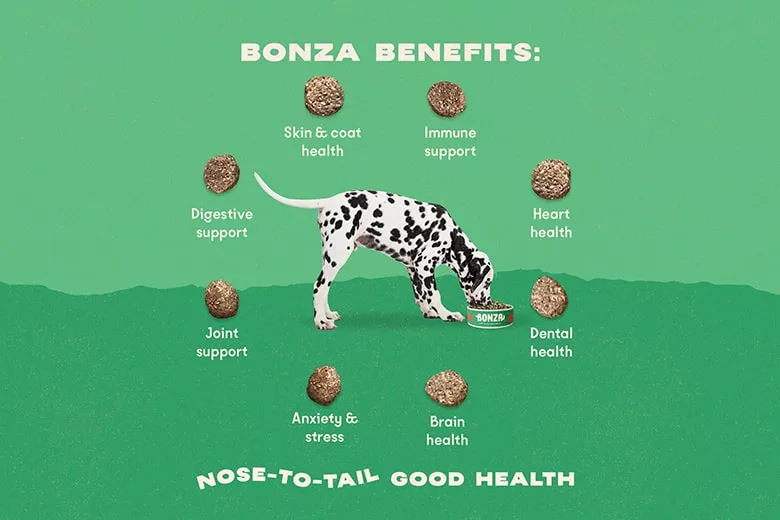
Bonza, Superfoods and Ancient Grains, a plant-based dog food (that is vegan-friendly), was developed by vets, veterinary canine nutritionists and canine herbalists adopting a ‘Food as Medicine‘ approach to dog health.
Informed by the latest scientific nutrigenomics research, the recipe was formulated to include the very best functional foods, and nutraceuticals, to support the prevention, and treatment, of chronic diseases and health conditions that dogs may be subjected to through their lives.
The formula includes:
- Prebiotics (inulin, FOS and MOS, Yucca schidigera and baobab)
- Probiotics – Calsporin®
- Postbiotics – TruPet®/TruMune®
- Omega-3 with EPA, DHA and DPA – DHAgold®
- MCT’s – coconut oil
- Medicinal Herbs and Spices
- Adaptogens
REFERENCES
- AAFCO Association of American Feed Control Officials (2008). The Official Publication of the Association of American Feed Control Officials.Google Scholar
- Abdelrahman et al., 2020N. Abdelrahman, R. El-Banna, M.M. Arafa, M.M. HadyHypoglycemic efficacy of Rosmarinus officinalis and/or Ocimum basilicum leaves powder as a promising clinico-nutritional management tool for diabetes mellitus in Rottweiler dogsVeterinary World, 13 (1) (2020), p. 73, 10.14202/VETWORLD.2020.73-79View at publisherView in ScopusGoogle Scholar
- Abdulmajeed et al., 2014Abdulmajeed, R., Ramadeen, A., Masse, S., Foomany, F. H., Balasundaram, K., Hu, X., Nanthakumar, K., Dorian, P., & Umapathy, K. (2014). The effects of long chain polyunsaturated fatty acids on local activation properties in dogs vulnerable to atrial fibrillation. In 2014 36th Annual International Conference of the IEEE Engineering in Medicine and Biology Society, EMBC 2014 (pp. 1067–1070). 10.1109/EMBC.2014.6943778.Google Scholar
- Adler et al., 2018N. Adler, A. Schoeniger, H. FuhrmannPolyunsaturated fatty acids influence inflammatory markers in a cellular model for canine osteoarthritisJournal of Animal Physiology and Animal Nutrition, 102 (2) (2018), pp. e623-e632, 10.1111/JPN.12804View at publisherView in ScopusGoogle Scholar
- Adogony et al., 2007V. Adogony, F. Respondek, V. Biourge, F. Rudeaux, J. Delaval, J.L. Bind, et al.Effects of dietary scFOS on immunoglobulins in colostrums and milk of bitchesJournal of Animal Physiology and Animal Nutrition, 91 (5–6) (2007), pp. 169-174, 10.1111/J.1439-0396.2007.00688.XView in ScopusGoogle Scholar
- Alessandri et al., 2019G. Alessandri, C. Milani, L. Mancabelli, M. Mangifesta, G.A. Lugli, A. Viappiani, et al.Metagenomic dissection of the canine gut microbiota: Insights into taxonomic, metabolic and nutritional featuresEnvironmental Microbiology, 21 (4) (2019), pp. 1331-1343, 10.1111/1462-2920.14540View in ScopusGoogle Scholar
- Alexander et al., 2018C. Alexander, T.W.L. Cross, S. Devendran, F. Neumer, S. Theis, J.M. Ridlon, et al.Effects of prebiotic inulin-type fructans on blood metabolite and hormone concentrations and faecal microbiota and metabolites in overweight dogsBritish Journal of Nutrition, 120 (6) (2018), pp. 711-720, 10.1017/S0007114518001952View in ScopusGoogle Scholar
- Altinel et al., 2007L. Altinel, Z.K. Saritas, K.C. Kose, K. Pamuk, Y. Aksoy, M. SerteserTreatment with unsaponifiable extracts of avocado and soybean increases TGF-β1 and TGF-β2 levels in canine joint fluidThe Tohoku Journal of Experimental Medicine, 211 (2) (2007), pp. 181-186, 10.1620/TJEM.211.181View in ScopusGoogle Scholar
- Apanavicius et al., 2007C.J. Apanavicius, K.L. Powell, B.M. Vester, L.K. Karr-Lilienthal, L.L. Pope, N.D. Fastinger, et al.Fructan supplementation and infection affect food intake, fever, and epithelial sloughing from salmonella challenge in weanling puppiesThe Journal of Nutrition, 137 (8) (2007), pp. 1923-1930, 10.1093/JN/137.8.1923View PDFView articleView in ScopusGoogle Scholar
- Apper et al., 2020E. Apper, L. Privet, B. Taminiau, C. Le Bourgot, L. Svilar, J.C. Martin, et al.Relationships between gut microbiota, metabolome, body weight, and glucose homeostasis of obese dogs fed with diets differing in prebiotic and protein contentMicroorganisms, 8 (4) (2020), p. 513, 10.3390/microorganisms8040513View in ScopusGoogle Scholar
- Arshad et al., 2021M.S. Arshad, M.H. Ahmad, M.S. Arshad, M.H. AhmadFunctional foods – Phytochemicals and health promoting potentialFunctional Foods – Phytochemicals and Health Promoting Potential (2021), 10.5772/INTECHOPEN.93962Google Scholar
- Ayyash et al., 2021M.M. Ayyash, A.K. Abdalla, N.S. AlKalbani, M.A. Baig, M.S. Turner, S.-Q. Liu, et al.Characterization of new probiotics from dairy and non-dairy products – Insights into acid tolerance, bile metabolism and tolerance and adhesion capabilityJournal of Dairy Science, 104 (8) (2021), pp. 8363-8379, 10.3168/jds.2021-20398View PDFView articleView in ScopusGoogle Scholar
- Bauer, 2011J.E. BauerTherapeutic use of fish oils in companion animalsJournal of the American Veterinary Medical Association, 239 (11) (2011), pp. 1441-1451, 10.2460/JAVMA.239.11.1441View in ScopusGoogle Scholar
- Bastos et al., 2020T.S. Bastos, D.C. de Lima, C.M.M. Souza, A. Maiorka, S.G. de Oliveira, L.C. Bittencourt, et al.Bacillus subtilis and Bacillus licheniformis reduce faecal protein catabolites concentration and odour in dogsBMC Veterinary Research, 16 (1) (2020), p. 116, 10.1186/s12917-020-02321-7View in ScopusGoogle Scholar
- Beloshapka et al., 2012A.N. Beloshapka, A.K. Wolff, K.S. SwansonEffects of feeding polydextrose on faecal characteristics, microbiota and fermentative end products in healthy adult dogsBritish Journal of Nutrition, 108 (4) (2012), pp. 638-644, 10.1017/S0007114511005927View in ScopusGoogle Scholar
- Beloshapka et al., 2013A.N. Beloshapka, S.E. Dowd, J.S. Suchodolski, J.M. Steiner, L. Duclos, K.S. SwansonFecal microbial communities of healthy adult dogs fed raw meat-based diets with or without inulin or yeast cell wall extracts as assessed by 454 pyrosequencingFEMS Microbiology Ecology, 84 (3) (2013), pp. 532-541, 10.1111/1574-6941.12081View in ScopusGoogle Scholar
- Beynen, 2014Beynen, A. (2014, July 14). COLUMN: Unfair war on grain use in petfoods – All About Feed. All About Feed. https://www.allaboutfeed.net/animal-feed/feed-processing/column-unfair-war-on-grain-use-in-petfoods/.Google Scholar
- Biagi et al., 2010G. Biagi, I. Cipollini, M. Grandi, G. ZaghiniInfluence of some potential prebiotics and fibre-rich foodstuffs on composition and activity of canine intestinal microbiotaAnimal Feed Science and Technology, 159 (1–2) (2010), pp. 50-58, 10.1016/J.ANIFEEDSCI.2010.04.012View PDFView articleView in ScopusGoogle Scholar
- Billman et al., 1999G.E. Billman, J.X. Kang, A. LeafPrevention of sudden cardiac death by dietary pure omega-3 polyunsaturated fatty acids in dogsCirculation, 99 (18) (1999), pp. 2452-2457, 10.1161/01.CIR.99.18.2452View in ScopusGoogle Scholar
- Billman et al., 2010G.E. Billman, Y. Nishijima, A.E. Belevych, D. Terentyev, Y. Xu, K.M. Haizlip, et al.Effects of dietary omega-3 fatty acids on ventricular function in dogs with healed myocardial infarctions: In vivo and in vitro studiesAmerican Journal of Physiology. Heart and Circulatory Physiology, 298 (4) (2010), 10.1152/AJPHEART.01065.2009Google Scholar
- Boileau et al., 2009C. Boileau, J. Martel-Pelletier, J. Caron, P. Msika, G.B. Guillou, C. Baudouin, et al.Protective effects of total fraction of avocado/soybean unsaponifiables on the structural changes in experimental dog osteoarthritis: Inhibition of nitric oxide synthase and matrix metalloproteinase-13Arthritis Research and Therapy, 11 (2) (2009), pp. 1-9, 10.1186/AR2649/FIGURES/5Google Scholar
- Borin-Crivellenti et al., 2021S. Borin-Crivellenti, L.Z. de Crivellenti, F.R. Oliveira, P.B. Costa, A.W. Alvarenga, L.R. Rezende, et al.Effect of phytosterols on reducing low-density lipoprotein cholesterol in dogsDomestic Animal Endocrinology, 76 (2021), Article 106610, 10.1016/j.domaniend.2021.106610View PDFView articleView in ScopusGoogle Scholar
- Bradshaw, 2006J.W.S. BradshawThe evolutionary basis for the feeding behavior of domestic dogs (Canis familiaris) and cats (Felis catus)The Journal of Nutrition, 136 (7 Suppl) (2006), 10.1093/JN/136.7.1927SGoogle Scholar
- Bybee et al., 2011S.N. Bybee, A.V. Scorza, M.R. LappinEffect of the probiotic enterococcus faecium SF68 on presence of diarrhea in cats and dogs housed in an animal shelterJournal of Veterinary Internal Medicine, 25 (4) (2011), pp. 856-860, 10.1111/J.1939-1676.2011.0738.XView in ScopusGoogle Scholar
- Cassmann et al., 2016E. Cassmann, R. White, T. Atherly, C. Wang, Y. Sun, S. Khoda, et al.Alterations of the ileal and colonic mucosal microbiota in canine chronic enteropathiesPLoS One1, 11 (2) (2016), p. e0147321CrossrefView in ScopusGoogle Scholar
- Colitti et al., 2012M. Colitti, B. Gaspardo, A. Della Pria, C. Scaini, B. StefanonTranscriptome modification of white blood cells after dietary administration of curcumin and non-steroidal anti-inflammatory drug in osteoarthritic affected dogsVeterinary Immunology and Immunopathology, 147 (3–4) (2012), pp. 136-146, 10.1016/J.VETIMM.2012.04.001View PDFView articleView in ScopusGoogle Scholar
- D’Angelo et al., 2017S. D’Angelo, F. Fracassi, F. Bresciani, R. Galuppi, A. Diana, N. Linta, et al.Effect of Saccharomyces boulardii in dogs with chronic enteropathies: Double-blinded, placebo-controlled studyVeterinary Record, 182 (9) (2017), 10.1136/VR.104241Google Scholar
- D’Angelo et al., 2018S. D’Angelo, F. Fracassi, F. Bresciani, R. Galuppi, A. Diana, N. Linta, et al.Effect of Saccharomyces boulardii in dog with chronic enteropathies: Double-blinded, placebo-controlled studyThe Veterinary Record, 182 (9) (2018), 10.1136/VR.104241Google Scholar
- De Souza Theodoro et al., 2019S. De Souza Theodoro, T.C. Putarov, C. Tiemi, L.M. Volpe, C.A.F. de Oliveira, M.B. de Abreu Glória, et al.Effects of the solubility of yeast cell wall preparations on their potential prebiotic properties in dogsPLoS One1, 14 (11) (2019), p. e0225659View in ScopusGoogle Scholar
- Delucchi et al., 2017L. Delucchi, M. Fraga, P. ZuninoEffect of the probiotic Lactobacillus murinus LbP2 on clinical parameters of dogs with distemper-associated diarrheaCanadian Journal of Veterinary Research, 81 (2) (2017), p. 118/pmc/articles/PMC5370537/View in ScopusGoogle Scholar
- Demrow et al., 1995H.S. Demrow, P.R. Slane, J.D. FoltsAdministration of wine and grape juice inhibits in vivo platelet activity and thrombosis in stenosed canine coronary arteriesCirculation, 91 (4) (1995), pp. 1182-1188, 10.1161/01.CIR.91.4.1182View in ScopusGoogle Scholar
- Diez et al., 1998M. Diez, J.L. Hornick, P. Baldwin, C. Van Eenaeme, L. IstasseThe influence of sugar-beet fibre, guar gum and inulin on nutrient digestibility, water consumption and plasma metabolites in healthy Beagle dogsResearch in Veterinary Science, 64 (2) (1998), pp. 91-96, 10.1016/S0034-5288(98)90001-7View PDFView articleView in ScopusGoogle Scholar
- Dillitzer et al., 2011N. Dillitzer, N. Becker, E. KienzleIntake of minerals, trace elements and vitamins in bone and raw food rations in adult dogsBritish Journal of Nutrition, 106 (S1) (2011), pp. S53-S56, 10.1017/S0007114511002765Google Scholar
- Dodd et al., 2019S.A.S. Dodd, N.J. Cave, J.L. Adolphe, A.K. Shoveller, A. VerbrugghePlant-based (vegan) diets for pets: A survey of pet owner attitudes and feeding practicesPLoS One1, 14 (1) (2019), p. e0210806CrossrefView in ScopusGoogle Scholar
- Dominguez et al., 2021T.E. Dominguez, K. Kaur, L. BurriEnhanced omega-3 index after long- versus short-chain omega-3 fatty acid supplementation in dogsVeterinary Medicine and Science, 7 (2) (2021), pp. 370-377, 10.1002/VMS3.369View in ScopusGoogle Scholar
- Dufossé et al., 2005L. Dufossé, P. Galaup, A. Yaron, S.M. Arad, P. Blanc, K.N.C. Murthy, et al.Microorganisms and microalgae as sources of pigments for food use: A scientific oddity or an industrial realityTrends in Food Science & Technology, 16 (9) (2005), pp. 389-406, 10.1016/j.tifs.2005.02.006View PDFView articleView in ScopusGoogle Scholar
- Dunlap et al., 2006K.L. Dunlap, A.J. Reynolds, L.K. DuffyTotal antioxidant power in sled dogs supplemented with blueberries and the comparison of blood parameters associated with exerciseComparative Biochemistry and Physiology. Part A, Molecular & Integrative Physiology, 143 (4) (2006), pp. 429-434, 10.1016/J.CBPA.2005.09.007View PDFView articleView in ScopusGoogle Scholar
- Evenepoel et al., 2017P. Evenepoel, R. Poesen, B. MeijersThe gut-kidney axisPediatric Nephrology (Berlin, Germany), 32 (11) (2017), pp. 2005-2014, 10.1007/S00467-016-3527-XView in ScopusGoogle Scholar
- Félix et al., 2022A.P. Félix, C.M.M. Souza, S.G. de OliveiraBiomarkers of gastrointestinal functionality in dogs: A systematic review and meta-analysisAnimal Feed Science and Technology, 283 (2022), Article 115183, 10.1016/J.ANIFEEDSCI.2021.115183View PDFView articleView in ScopusGoogle Scholar
- Fenimore et al., 2017A. Fenimore, L. Martin, M.R. LappinEvaluation of metronidazole with and without enterococcus faecium SF68 in shelter dogs with diarrheaTopics in Companion Animal Medicine, 32 (3) (2017), pp. 100-103, 10.1053/J.TCAM.2017.11.001View PDFView articleView in ScopusGoogle Scholar
- Fernández et al., 2019L. Fernández, R. Martínez, M. Pérez, R. Arroyo, J.M. RodríguezCharacterization of lactobacillus rhamnosus MP01 and lactobacillus plantarum MP02 and assessment of their potential for the prevention of gastrointestinal infections in an experimental canine modelFrontiers in Microbiology, 10 (MAY) (2019), p. 1117, 10.3389/FMICB.2019.01117/BIBTEXView in ScopusGoogle Scholar
- Filburn and Griffin, 2005C. Filburn, D. GriffinCanine plasma and erythrocyte response to a docosahexaenoic acid-enriched supplement: Characterization and potential benefits.Veterinary Therapeutics: Research in Applied Veterinary Medicine (2005)Google Scholar
- Foongsawat et al., 2023N. Foongsawat, S. Sunthornthummas, K. Nantavisai, K. Surachat, A. Rangsiruji, S. Sarawaneeyaruk, et al.Isolation, characterization, and comparative genomics of the novel potential probiotics from canine fecesFood Science of Animal Resources, 43 (4) (2023), pp. 685-702, 10.5851/kosfa.2023.e28View in ScopusGoogle Scholar
- Fox, 2012Fox, M. W. (2012). Not fit for a dog!: The truth about manufactured dog and cat food, Linden Publishing. ISBN 13: 9781884956836.Google Scholar
- Fragua et al., 2017V. Fragua, A. Lepoudère, V. Leray, C. Baron, J.A. Araujo, P. Nguyen, et al.Effects of dietary supplementation with a mixed blueberry and grape extract on working memory in aged beagle dogsJournal of Nutritional Science, 6 (2017), 10.1017/JNS.2017.33Google Scholar
- Freeman et al., 2013L.M. Freeman, M.L. Chandler, B.A. Hamper, L.P. WeethCurrent knowledge about the risks and benefits of raw meat-based diets for dogs and catsJournal of the American Veterinary Medical Association, 243 (11) (2013), pp. 1549-1558, 10.2460/JAVMA.243.11.1549View in ScopusGoogle Scholar
- Freeman et al., 1998L.M. Freeman, J.E. Rush, J.J. Kehayias, J.N. Ross, S.N. Meydani, D.J. Brown, et al.Nutritional alterations and the effect of fish oil supplementation in dogs with heart failureJournal of Veterinary Internal Medicine, 12 (6) (1998), pp. 440-448, 10.1111/J.1939-1676.1998.TB02148.XView in ScopusGoogle Scholar
- Fritsch et al., 2010D.A. Fritsch, T.A. Allen, C.E. Dodd, D.E. Jewell, K.A. Sixby, P.S. Leventhal, et al.A multicenter study of the effect of dietary supplementation with fish oil omega-3 fatty acids on carprofen dosage in dogs with osteoarthritisJournal of the American Veterinary Medical Association, 236 (5) (2010), pp. 535-539, 10.2460/javma.236.5.535View in ScopusGoogle Scholar
- Fritsch et al., 2010D. Fritsch, T.A. Allen, C.E. Dodd, D.E. Jewell, K.A. Sixby, P.S. Leventhal, et al.Dose titration effects of fish oil in osteoarthritic dogsJournal of Veterinary Internal Medicine., 24 (5) (2010), pp. 1020-1026, 10.1111/j.1939-1676.2010.0572.xView in ScopusGoogle Scholar
- Fritsch et al., 2023D.A. Fritsch, M.I. Jackson, S.M. Wernimont, G.K. Feld, D.V. Badri, J.J. Brejda, et al.Adding a polyphenol-rich fiber bundle to food impacts the gastrointestinal microbiome and metabolome in dogsFrontiers in Veterinary Science, 9 (2023), p. 1039032, 10.3389/fvets.2022.1039032View in ScopusGoogle Scholar
- Giaretta et al., 2020P.R. Giaretta, J.S. Suchodolski, A.E. Jergens, J.M. Steiner, J.A. Lidbury, A.K. Cook, et al.Bacterial biogeography of the colon in dogs with chronic inflammatory enteropathyVeterinary Pathology, 57 (2) (2020), pp. 258-265, 10.1177/0300985819891259View in ScopusGoogle Scholar
- Gómez-Gallego et al., 2016C. Gómez-Gallego, J. Junnila, S. Männikkö, P. Hämeenoja, E. Valtonen, S. Salminen, et al.A canine-specific probiotic product in treating acute or intermittent diarrhea in dogs: A double-blind placebo-controlled efficacy studyVeterinary Microbiology, 197 (2016), pp. 122-128, 10.1016/J.VETMIC.2016.11.015View PDFView articleView in ScopusGoogle Scholar
- Grześkowiak et al., 2015Ł. Grześkowiak, A. Endo, S. Beasley, S. SalminenMicrobiota and probiotics in canine and feline welfareAnaerobe, 34 (2015), pp. 14-23, 10.1016/J.ANAEROBE.2015.04.002View PDFView articleView in ScopusGoogle Scholar
- Hadley et al., 2017K.B. Hadley, J. Bauer, N.W. MilgramThe oil-rich alga Schizochytrium sp. as a dietary source of docosahexaenoic acid improves shape discrimination learning associated with visual processing in a canine model of senescenceProstaglandins, Leukotrienes and Essential Fatty Acids, 118 (2017), pp. 10-18, 10.1016/J.PLEFA.2017.01.011View PDFView articleView in ScopusGoogle Scholar
- Hall et al., 2006J.A. Hall, R.A. Picton, P.S. Finneran, K.E. Bird, M.M. Skinner, D.E. Jewell, et al.Dietary antioxidants and behavioral enrichment enhance neutrophil phagocytosis in geriatric BeaglesVeterinary Immunology and Immunopathology, 113 (1–2) (2006), pp. 224-233, 10.1016/j.vetimm.2006.03.019View PDFView articleView in ScopusGoogle Scholar
- Hansen et al., 2008R.A. Hansen, M.A. Harris, G.E. Pluhar, T. Motta, S. Brevard, G.K. Ogilvie, et al.Fish oil decreases matrix metalloproteinases in knee synovia of dogs with inflammatory joint diseaseThe Journal of Nutritional Biochemistry, 19 (2) (2008), pp. 101-108, 10.1016/J.JNUTBIO.2007.01.008View PDFView articleView in ScopusGoogle Scholar
- Head et al., 2002E. Head, J. Liu, T.M. Hagen, B.A. Muggenburg, N.W. Milgram, B.N. Ames, et al.Oxidative damage increases with age in a canine model of human brain agingJournal of Neurochemistry, 82 (2) (2002), pp. 375-381, 10.1046/J.1471-4159.2002.00969.XView in ScopusGoogle Scholar
- Helmerick et al., 2014E.C. Helmerick, J.P. Loftus, J.J. WakshlagThe effects of baicalein on canine osteosarcoma cell proliferation and deathVeterinary and Comparative Oncology, 12 (4) (2014), pp. 299-309, 10.1111/VCO.12013View in ScopusGoogle Scholar
- Henrotin et al., 2005Y. Henrotin, C. Sanchez, M. BalligandPharmaceutical and nutraceutical management of canine osteoarthritis: present and future perspectivesVeterinary Journal (London, England : 1997), 170 (1) (2005), pp. 113-123, 10.1016/J.TVJL.2004.08.014View PDFView articleView in ScopusGoogle Scholar
- Hesta et al., 2018M. Hesta, S. Arnouts, G.P.J. JanssensDietary supplementation of coated butyrate in healthy dogs: Effect on apparent digestibility, faecal flora and faecal volatile fatty acidsVeterinarni Medicina, 53 (3) (2018), pp. 147-152a, 10.17221/1941-VETMEDGoogle Scholar
- Howard et al., 2000M.D. Howard, M.S. Kerley, G.D. Sunvold, G.A. ReinhartSource of dietary fiber fed to dogs affects nitrogen and energy metabolism and intestinal microflora populationsNutrition Research, 20 (10) (2000), pp. 1473-1484, 10.1016/S0271-5317(00)80028-7View PDFView articleView in ScopusGoogle Scholar
- Innes et al., 2003J.F. Innes, C.J. Fuller, E.R. Grover, A.L. Kelly, J.F. BurnRandomised, double-blind, placebo-controlled parallel group study of P54FP for the treatment of dogs with osteoarthritisThe Veterinary Record, 152 (15) (2003), pp. 457-460, 10.1136/VR.152.15.457View in ScopusGoogle Scholar
- Jergens et al., 2019A.E. Jergens, B.C. Guard, A. Redfern, G. Rossi, J.P. Mochel, R. Pilla, et al.Microbiota-related changes in unconjugated fecal bile acids are associated with naturally occurring, insulin-dependent diabetes mellitus in dogsFrontiers in Veterinary Science, 6 (JUN) (2019), 10.3389/FVETS.2019.00199Google Scholar
- Kalenyak et al., 2018K. Kalenyak, A. Isaiah, R.M. Heilmann, J.S. Suchodolski, I.A. BurgenerComparison of the intestinal mucosal microbiota in dogs diagnosed with idiopathic inflammatory bowel disease and dogs with food-responsive diarrhea before and after treatmentFEMS Microbiology Ecology, 94 (2) (2018), 10.1093/FEMSEC/FIX173Google Scholar
- Kelley et al., 2009R.L. Kelley, D. Minikhiem, B. Kiely, L. O’Mahony, D. O’Sullivan, T. Boileau, J.S. ParkClinical benefits of probiotic canine-derived Bifidobacterium animalis strain AHC7 in dogs with acute idiopathic diarrheaVeterinary Journal, 10 (3) (2009), pp. 121-130, 10.5167/UZH-31198View in ScopusGoogle Scholar
- Kim et al., 2017J. Kim, J.U. An, W. Kim, S. Lee, S. ChoDifferences in the gut microbiota of dogs (Canis lupus familiaris) fed a natural diet or a commercial feed revealed by the Illumina MiSeq platformGut Pathogens, 9 (1) (2017), pp. 1-11, 10.1186/S13099-017-0218-5/FIGURES/4Google Scholar
- Kim et al., 2018H.-T. Kim, J.P. Loftus, S. Mann, J.J. WakshlagEvaluation of arsenic, cadmium, lead and mercury contamination in over-the-counter available dry dog foods with different animal ingredients (red meat, poultry, and fish)Frontiers in Veterinary Science, 5 (2018), p. 264, 10.3389/fvets.2018.00264View PDFView articleGoogle Scholar
- Kim et al., 2021M.G. Kim, K. Jo, K. Cho, S.S. Park, H.J. Suh, K.B. HongPrebiotics/probiotics mixture induced changes in cecal microbiome and intestinal morphology alleviated the loperamide-induced constipation in ratFood Science of Animal Resources, 41 (3) (2021), pp. 527-541, 10.5851/kosfa.2021.e17View in ScopusGoogle Scholar
- Kirby et al., 2007N.A. Kirby, S.L. Hester, J.E. BauerDietary fats and the skin and coat of dogsJournal of the American Veterinary Medical Association, 230 (11) (2007), pp. 1641-1644, 10.2460/JAVMA.230.11.1641View in ScopusGoogle Scholar
- Kolchin et al., 1991I.N. Kolchin, N.P. Maksiutina, P.P. Balanda, A.I. Luĭk, V.N. Bulakh, A.A. MoĭbenkoThe cardioprotective action of quercetin in experimental occlusion and reperfusion of the coronary artery in dogsFarmakologiia i Toksikologiia, 54 (6) (1991), pp. 20-23Google Scholar
- Kroll et al., 2020F.S.A. Kroll, T.C. Putarov, L. Zaine, K.S. Venturini, C.G. Aoki, J.P.F. Santos, et al.Active fractions of mannoproteins derived from yeast cell wall stimulate innate and acquired immunity of adult and elderly dogsAnimal Feed Science and Technology, 261 (2020), Article 114392, 10.1016/J.ANIFEEDSCI.2020.114392View PDFView articleView in ScopusGoogle Scholar
- Kumar et al., 2016S. Kumar, A.K. Pattanaik, S. Sharma, S. JadhavSpecies-specific probiotic Lactobacillus johnsonii CPN23 supplementation modulates blood biochemical profile and erythrocytic antioxidant indices in Labrador dogsIndian Journal of Animal Sciences, 86 (8) (2016), pp. 918-924https://www.researchgate.net/publication/306495591_Species-specific_probiotic_Lactobacillus_johnsonii_CPN23_supplementation_modulates_blood_biochemical_profile_and_erythrocytic_antioxidant_indices_in_Labrador_dogsView in ScopusGoogle Scholar
- Kumar et al., 2017S. Kumar, A.K. Pattanaik, S. Sharma, S.E. Jadhav, N. Dutta, A. KumarProbiotic potential of a lactobacillus bacterium of canine faecal-origin and its impact on select gut health indices and immune response of dogsProbiotics and Antimicrobial Proteins, 9 (3) (2017), pp. 262-277, 10.1007/S12602-017-9256-Z/METRICSView in ScopusGoogle Scholar
- Kumar et al., 2012S. Kumar, F. Sutherland, J.B. Morton, G. Lee, J. Morgan, J. Wong, et al.Long-term omega-3 polyunsaturated fatty acid supplementation reduces the recurrence of persistent atrial fibrillation after electrical cardioversionHeart Rhythm, 9 (4) (2012), pp. 483-491, 10.1016/J.HRTHM.2011.11.034View PDFView articleView in ScopusGoogle Scholar
- Laurent et al., 2008G. Laurent, G. Moe, X. Hu, B. Holub, H. Leong-Poi, J. Trogadis, et al.Long chain n-3 polyunsaturated fatty acids reduce atrial vulnerability in a novel canine pacing modelCardiovascular Research, 77 (1) (2008), pp. 89-97, 10.1093/CVR/CVM024View in ScopusGoogle Scholar
- Lee et al., 2023S. Lee, S. Eom, J. Lee, M. Pyeon, K. Kim, K.Y. Choi, et al.Probiotics that ameliorate cognitive impairment through anti-inflammation and anti-oxidation in miceFood Science of Animal Resources, 43 (4) (2023), pp. 612-624, 10.5851/kosfa.2023.e22View in ScopusGoogle Scholar
- Lee et al., 2022D. Lee, T.W. Goh, M.G. Kang, H.J. Choi, S.Y. Yeo, J. Yang, et al.Perspectives and advances in probiotics and the gut microbiome in companion animalsJournal of Animal Science and Technology, 64 (2) (2022), pp. 197-217, 10.5187/JAST.2022.E8View in ScopusGoogle Scholar
- Lenox, 2015C.E. LenoxTimely topics in nutrition: An overview of fatty acids in companion animal medicineJournal of the American Veterinary Medical Association, 246 (11) (2015), pp. 1198-1202, 10.2460/JAVMA.246.11.1198View in ScopusGoogle Scholar
- Lenox and Bauer, 2013C.E. Lenox, J.E. BauerPotential adverse effects of omega-3 fatty acids in dogs and catsJournal of Veterinary Internal Medicine, 27 (2) (2013), pp. 217-226, 10.1111/JVIM.12033View in ScopusGoogle Scholar
- Lin et al., 2020C.Y. Lin, M.Q. Carroll, M.J. Miller, R. Rabot, K.S. SwansonSupplementation of yeast cell wall fraction tends to improve intestinal health in adult dogs undergoing an abrupt diet transitionFrontiers in Veterinary Science, 7 (2020), p. 905, 10.3389/FVETS.2020.597939/BIBTEXGoogle Scholar
- Linden et al., 2008D.R. Linden, L. Sha, A. Mazzone, G.J. Stoltz, C.E. Bernard, J.K. Furne, et al.Production of the gaseous signal molecule hydrogen sulfide in mouse tissuesJournal of Neurochemistry, 106 (4) (2008), pp. 1577-1585, 10.1111/J.1471-4159.2008.05502.XView in ScopusGoogle Scholar
- Luang-In et al., 2020V. Luang-In, T. Katisart, A. Konsue, S. Nudmamud-Thanoi, A. Narbad, W. Saengha, et al.Psychobiotic effects of multi-strain probiotics originated from thai fermented foods in a rat modelFood Science of Animal Resources, 40 (6) (2020), pp. 1014-1032, 10.5851/kosfa.2020.e72View in ScopusGoogle Scholar
- Lucena et al., 2018R. Lucena, A.B. Olmedilla, B. Blanco, M. Novales, P.J. GinelEffect of Enterococcus faecium SF68 on serum cobalamin and folate concentrations in healthy dogsJournal of Small Animal Practice, 59 (7) (2018), pp. 438-443, 10.1111/JSAP.12845View in ScopusGoogle Scholar
- Lucena et al., 2019R. Lucena, M. Novales, B. Blanco, E. Hernandez, P.J. GinelEffect of probiotic Enterococcus faecium SF68 on liver function in healthy dogsJournal of Veterinary Internal Medicine, 33 (6) (2019), pp. 2628-2634, 10.1111/JSAP.12845View in ScopusGoogle Scholar
- Makki et al., 2018K. Makki, E.C. Deehan, J. Walter, F. BäckhedThe impact of dietary fiber on gut microbiota in host health and diseaseCell Host & Microbe, 23 (6) (2018), pp. 705-715, 10.1016/J.CHOM.2018.05.012View PDFView articleView in ScopusGoogle Scholar
- Marchesi et al., 2017M.C. Marchesi, C.C. Timpano, S. Busechian, C. Pieramati, F. RuecaThe role of diet in managing inflamatory bowel disease affected dogs: A retrospective cohort study on 76 casesVeterinaria Italiana, 53 (4) (2017), pp. 297-302, 10.12834/VETIT.566.2700.1View in ScopusGoogle Scholar
- Marelli et al., 2020Marelli, S. P., Fusi, E., Giardini, A., Martino, P. A., Polli, M., Bruni, N., & Rizzi, R. (2020). Effects of probiotic Lactobacillus acidophilus D2/CSL (CECT 4529) on the nutritional and health status of boxer dogs. The Veterinary Record, 187(4), e28. 10.1136/VR.105434.Google Scholar
- Martin et al., 2010G.R. Martin, G.W. McKnight, M.S. Dicay, C.S. Coffin, J.G.P. Ferraz, J.L. WallaceHydrogen sulphide synthesis in the rat and mouse gastrointestinal tractDigestive and Liver Disease, 42 (2) (2010), pp. 103-109, 10.1016/J.DLD.2009.05.016View PDFView articleView in ScopusGoogle Scholar
- Matthews et al., 2012H. Matthews, N. Granger, J. Wood, B. SkellyEffects of essential fatty acid supplementation in dogs with idiopathic epilepsy: A clinical trialThe Veterinary Journal, 191 (3) (2012), pp. 396-398, 10.1016/J.TVJL.2011.04.018View PDFView articleView in ScopusGoogle Scholar
- Mayyas et al., 2011F. Mayyas, S. Sakurai, R. Ram, J.H. Rennison, E.S. Hwang, L. Castel, et al.Dietary ω3 fatty acids modulate the substrate for post-operative atrial fibrillation in a canine cardiac surgery modelCardiovascular Research, 89 (4) (2011), pp. 852-861, 10.1093/CVR/CVQ380View in ScopusGoogle Scholar
- Mehler et al., 2016S.J. Mehler, L.R. May, C. King, W.S. Harris, Z. ShahA prospective, randomized, double blind, placebo-controlled evaluation of the effects of eicosapentaenoic acid and docosahexaenoic acid on the clinical signs and erythrocyte membrane polyunsaturated fatty acid concentrations in dogs with osteoarthritisProstaglandins, Leukotrienes and Essential Fatty Acids, 109 (2016), pp. 1-7, 10.1016/J.PLEFA.2016.03.015View PDFView articleView in ScopusGoogle Scholar
- Milgram et al., 2002N.W. Milgram, E. Head, B. Muggenburg, D. Holowachuk, H. Murphey, J. Estrada, et al.Landmark discrimination learning in the dog: Effects of age, an antioxidant fortified food, and cognitive strategyNeuroscience & Biobehavioral Reviews, 26 (6) (2002), pp. 679-695, 10.1016/S0149-7634(02)00039-8View PDFView articleView in ScopusGoogle Scholar
- Minamoto et al., 2019Y. Minamoto, T. Minamoto, A. Isaiah, P. Sattasathuchana, A. Buono, V.R. Rangachari, et al.Fecal short-chain fatty acid concentrations and dysbiosis in dogs with chronic enteropathyJournal of Veterinary Internal Medicine, 33 (4) (2019), pp. 1608-1618, 10.1111/JVIM.15520View in ScopusGoogle Scholar
- Mondo et al., 2019E. Mondo, G. Marliani, P.A. Accorsi, M. Cocchi, A. Di LeoneRole of gut microbiota in dog and cat’s health and diseasesOpen Veterinary Journal, 9 (3) (2019), pp. 253-258, 10.4314/ovj.v9i3.10View in ScopusGoogle Scholar
- Mongkon and Soontornvipart, 2012Mongkon, N., & Soontornvipart, K. (2012). Preliminary study of the clinical outcome of using PCSO-524 polyunsaturated fatty acid compound in the treatment of canine osteoarthritis and degenerative spinal diseases. The Thai Journal of Veterinary Medicine, 42(3), 311–317. https://he01.tci-thaijo.org/index.php/tjvm/article/view/10987.Google Scholar
- Monteagudo-Mera et al., 2019A. Monteagudo-Mera, R.A. Rastall, G.R. Gibson, D. Charalampopoulos, A. ChatzifragkouAdhesion mechanisms mediated by probiotics and prebiotics and their potential impact on human healthApplied Microbiology and Biotechnology, 103 (16) (2019), pp. 6463-6472https://doi-org10.1007/s00253-019-09978-7CrossrefView in ScopusGoogle Scholar
- Moreau et al., 2013M. Moreau, E. Troncy, J.R.E. del Castillo, C. Bédard, D. Gauvin, B. LussierEffects of feeding a high omega-3 fatty acids diet in dogs with naturally occurring osteoarthritisJournal of Animal Physiology and Animal Nutrition, 97 (5) (2013), pp. 830-837, 10.1111/J.1439-0396.2012.01325.XView in ScopusGoogle Scholar
- Mosteller, 2008J. MostellerAnimal-companion extremes and underlying consumer themesJournal of Business Research, 61 (5) (2008), pp. 512-521, 10.1016/J.JBUSRES.2007.07.004View PDFView articleView in ScopusGoogle Scholar
- Nixon et al., 2019S.L. Nixon, L. Rose, A.T. MullerEfficacy of an orally administered anti-diarrheal probiotic paste (Pro-Kolin Advanced) in dogs with acute diarrhea: A randomized, placebo-controlled, double-blinded clinical studyJournal of Veterinary Internal Medicine, 33 (3) (2019), pp. 1286-1294, 10.1111/JVIM.15481View in ScopusGoogle Scholar
- Niyyat et al., 2018R.M. Niyyat, M. Azizzadeh, J. KhoshnegahEffect of supplementation with omega-3 fatty acids, magnesium, and zinc on canine behavioral disorders: Results of a pilot studyTop Companion Animal Medicine., 33 (4) (2018), pp. 150-155, 10.1053/j.tcam.2018.08.006Google Scholar
- Nrc, 2006NrcNutrient requirements of dogs and catsNational Academies Press (2006)Google Scholar
- Oberbauer et al., 2018A.M. Oberbauer, R. Daniels, K. Levy, T.R. Famula, P. Mundell, R. KelleyMaternal omega-3 polyunsaturated fatty acid supplementation on offspring hip joint conformationPLoS One1, 13 (8) (2018), p. e0202157CrossrefView in ScopusGoogle Scholar
- Park et al., 2018H. Park, S. Park, F.W. Bazer, W. Lim, G. SongMyricetin treatment induces apoptosis in canine osteosarcoma cells by inducing DNA fragmentation, disrupting redox homeostasis, and mediating loss of mitochondrial membrane potentialJournal of Cellular Physiology, 233 (9) (2018), pp. 7457-7466, 10.1002/JCP.26598View in ScopusGoogle Scholar
- Park et al., 2018H.E. Park, Y.J. Kim, K.H. Do, J.K. Kim, J.S. Ham, W.K. LeeEffects of queso blanco cheese containing Bifidobacterium longum KACC 91563 on the intestinal microbiota and short chain fatty acid in healthy companion dogsFood Science of Animal Resources, 38 (6) (2018), pp. 1261-1272, 10.5851/kosfa.2018.e62View in ScopusGoogle Scholar
- Pilla et al., 2019R. Pilla, B.C. Guard, J.M. Steiner, F.P. Gaschen, E. Olson, D. Werling, et al.Administration of a synbiotic containing enterococcus faecium does not significantly alter fecal microbiota richness or diversity in dogs with and without food-responsive chronic enteropathy. Frontiers in VeterinaryScience, 6 (AUG) (2019), p. 277, 10.3389/FVETS.2019.00277/BIBTEXView in ScopusGoogle Scholar
- Pilla and Suchodolski, 2020R. Pilla, J.S. SuchodolskiThe role of the canine gut microbiome and metabolome in health and gastrointestinal diseaseFrontiers in Veterinary Science, 6 (2020), p. 498, 10.3389/FVETS.2019.00498/BIBTEXView in ScopusGoogle Scholar
- Rabetafika et al., 2023H.N. Rabetafika, A. Razafindralambo, B. Ebenso, H.L. RazafindralamboProbiotics as Antibiotic Alternatives for Human and Animal ApplicationsEncyclopedia, 3 (2) (2023), pp. 561-581, 10.3390/encyclopedia3020040Google Scholar
- Ren et al., 2011Z. Ren, Z. Zhao, Y. Wang, K. HuangPreparation of selenium/zinc-enriched probiotics and their effect on blood selenium and zinc concentrations, antioxidant capacities, and intestinal microflora in canineBiological Trace Element Research, 141 (1–3) (2011), pp. 170-183, 10.1007/s12011-010-8734-xView in ScopusGoogle Scholar
- Roberfroid, 2000M.B. RoberfroidA European consensus of scientific concepts of functional foodsNutrition, 16 (7–8) (2000), pp. 689-691, 10.1016/S0899-9007(00)00329-4View PDFView articleView in ScopusGoogle Scholar
- Roediger et al., 1997W.E.W. Roediger, J. Moore, W. BabidgeColonic sulfide in pathogenesis and treatment of ulcerative colitisDigestive Diseases and Sciences, 42 (8) (1997), pp. 1571-1579, 10.1023/A:1018851723920/METRICSView in ScopusGoogle Scholar
- Rossi et al., 2020G. Rossi, M. Cerquetella, A. Gavazza, L. Galosi, S. Berardi, S. Mangiaterra, S. Mari, J.S. Suchodolski, J.A. Lidbury, J.M. Steiner, G. PengoRapid resolution of large bowel diarrhea after the administration of a combination of a high-fiber diet and a probiotic mixture in 30 dogsVeterinary Sciences, 7 (1) (2020), p. 21, 10.3390/VETSCI7010021View in ScopusGoogle Scholar
- Rossi et al., 2014G. Rossi, G. Pengo, M. Caldin, A.P. Piccionello, J.M. Steiner, N.D. Cohen, et al.Comparison of microbiological, histological, and immunomodulatory parameters in response to treatment with either combination therapy with prednisone and metronidazole or probiotic VSL#3 strains in dogs with idiopathic inflammatory bowel diseasePLoS One1, 9 (4) (2014), p. e94699CrossrefView in ScopusGoogle Scholar
- Roush et al., 2010J.K. Roush, A.R. Cross, W.C. Renberg, C.E. Dodd, K.A. Sixby, D.A. Fritsch, et al.Evaluation of the effects of dietary supplementation with fish oil omega-3 fatty acids on weight bearing in dogs with osteoarthritisJournal of the American Veterinary Medical Association, 236 (1) (2010), pp. 67-73, 10.2460/JAVMA.236.1.67View in ScopusGoogle Scholar
- Roush et al., 2010J.K. Roush, C.E. Dodd, D.A. Fritsch, T.A. Allen, D.E. Jewell, W.D. Schoenherr, et al.Multicenter veterinary practice assessment of the effects of omega-3 fatty acids on osteoarthritis in dogsJournal of the American Veterinary Medical Association, 236 (1) (2010), pp. 59-66, 10.2460/JAVMA.236.1.59Google Scholar
- Russell et al., 2005K.R.M. Russell, E.Y.S.A. Morrison, D. RagoobirsinghThe effect of annatto on insulin binding properties in the dogPhytotherapy Research, 19 (5) (2005), pp. 433-436, 10.1002/PTR.1650View in ScopusGoogle Scholar
- Sandri et al., 2017M. Sandri, S. Dal Monego, G. Conte, S. Sgorlon, B. StefanonRaw meat based diet influences faecal microbiome and end products of fermentation in healthy dogsBMC Veterinary Research, 13 (1) (2017), pp. 1-11, 10.1186/S12917-017-0981-Z/TABLES/5Google Scholar
- Sauter et al., 2005S.N. Sauter, K. Allenspach, F. Gaschen, A. Gröne, E. Ontsouka, J.W. BlumCytokine expression in an ex vivo culture system of duodenal samples from dogs with chronic enteropathies: Modulation by probiotic bacteriaDomestic Animal Endocrinology, 29 (4) (2005), pp. 605-622, 10.1016/J.DOMANIEND.2005.04.006View PDFView articleView in ScopusGoogle Scholar
- Sauter et al., 2006S.N. Sauter, J. Benyacoub, K. Allenspach, F. Gaschen, E. Ontsouka, G. Reuteler, et al.Effects of probiotic bacteria in dogs with food responsive diarrhoea treated with an elimination diet*Journal of Animal Physiology and Animal Nutrition, 90 (7–8) (2006), pp. 269-277, 10.1111/J.1439-0396.2005.00595.XView in ScopusGoogle Scholar
- Schmitz et al., 2015S. Schmitz, D. Werling, K. AllenspachEffects of ex-vivo and in-vivo treatment with probiotics on the inflammasome in dogs with chronic enteropathyPLoS One1, 10 (3) (2015), p. e0120779CrossrefView in ScopusGoogle Scholar
- Schmitz et al., 2015S. Schmitz, B. Glanemann, O.A. Garden, H. Brooks, Y.M. Chang, D. Werling, et al.A prospective, randomized, blinded, placebo-controlled pilot study on the effect of Enterococcus faecium on clinical activity and intestinal gene expression in canine food-responsive chronic enteropathyJournal of Veterinary Internal Medicine, 29 (2) (2015), pp. 533-543, 10.1111/JVIM.12563View in ScopusGoogle Scholar
- Scorza et al., 2009F.A. Scorza, E.A. Cavalheiro, R.M. Arida, V.C. Terra, C.A. Scorza, M.O. Ribeiro, et al.Positive impact of omega-3 fatty acid supplementation in a dog with drug-resistant epilepsy: A case studyEpilepsy and Behavior, 15 (4) (2009), pp. 527-528, 10.1016/j.yebeh.2009.05.013View PDFView articleView in ScopusGoogle Scholar
- Serisier et al., 2008S. Serisier, V. Leray, W. Poudroux, T. Magot, K. Ouguerram, P. NguyenEffects of green tea on insulin sensitivity, lipid profile and expression of PPARα and PPARγ and their target genes in obese dogsBritish Journal of Nutrition, 99 (6) (2008), pp. 1208-1216, 10.1017/S0007114507862386View in ScopusGoogle Scholar
- Shanmuganayagam et al., 2002D. Shanmuganayagam, M.R. Beahm, H.E. Osman, C.G. Krueger, J.D. Reed, J.D. FoltsGrape seed and grape skin extracts elicit a greater antiplatelet effect when used in combination than when used individually in dogs and humansThe Journal of Nutrition, 132 (12) (2002), pp. 3592-3598, 10.1093/JN/132.12.3592View PDFView articleView in ScopusGoogle Scholar
- Shmalberg et al., 2019J. Shmalberg, C. Montalbano, G. Morelli, G.J. BuckleyA randomized double blinded placebo-controlled clinical trial of a probiotic or metronidazole for acute canine diarrheaFrontiers in Veterinary Science, 6 (JUN) (2019), p. 163, 10.3389/FVETS.2019.00163/BIBTEXView in ScopusGoogle Scholar
- Smith et al., 2008C.E. Smith, L.M. Freeman, J.E. Rush, S.M. Cunningham, V. BiourgeOmega-3 fatty acids in Boxer dogs with arrhythmogenic right ventricular cardiomyopathy. | Semantic ScholarJournal of Veterinary Internal Medicine, 21 (2) (2008), pp. 265-273, 10.1111/j.1939-1676.2007.tb02959.xGoogle Scholar
- Soriano, 2023Soriano, M. (2023). South Korean Pet Food Market: Overview. Veterinaria Digital. https://www.veterinariadigital.com/en/articulos/south-korean-pet-food-market-overview/.Google Scholar
- Spring et al., 2000P. Spring, C. Wenk, K.A. Dawson, K.E. NewmanThe effects of dietary mannaoligosaccharides on cecal parameters and the concentrations of enteric bacteria in the ceca of salmonella-challenged broiler chicksPoultry Science, 79 (2) (2000), pp. 205-211, 10.1093/PS/79.2.205View PDFView articleView in ScopusGoogle Scholar
- Stoeckel et al., 2011K. Stoeckel, L.H. Nielsen, H. Fuhrmann, L. BachmannFatty acid patterns of dog erythrocyte membranes after feeding of a fish-oil based DHA-rich supplement with a base diet low in n-3 fatty acids versus a diet containing added n-3 fatty acidsActa Veterinaria Scandinavica, 53 (1) (2011), p. 57, 10.1186/1751-0147-53-57View in ScopusGoogle Scholar
- Strompfová et al., 2017V. Strompfová, I. Kubašová, A. LaukováHealth benefits observed after probiotic Lactobacillus fermentum CCM 7421 application in dogsApplied Microbiology and Biotechnology, 101 (16) (2017), pp. 6309-6319, 10.1007/S00253-017-8425-Z/METRICSView in ScopusGoogle Scholar
- Strompfová et al., 2019V. Strompfová, I. Kubašová, J. Ščerbová, A. Maďari, S. Gancarčíková, D. Mudroňová, et al.Oral administration of bacteriocin-producing and non-producing strains of Enterococcus faecium in dogsApplied Microbiology and Biotechnology, 103 (12) (2019), pp. 4953-4965, 10.1007/S00253-019-09847-3/METRICSView in ScopusGoogle Scholar
- Strompfová et al., 2006V. Strompfová, M. Marciňáková, M. Simonová, B. Bogovič-Matijašić, A. LaukováApplication of potential probiotic Lactobacillus fermentum AD1 strain in healthy dogsAnaerobe, 12 (2) (2006), pp. 75-79, 10.1016/J.ANAEROBE.2005.12.001View PDFView articleView in ScopusGoogle Scholar
- Strompfová et al., 2014V. Strompfová, M. Pogány Simonová, S. Gancarčíková, D. Mudroňová, J. Farbáková, Mad’ari, A., A. LaukováEffect of Bifidobacterium animalis B/12 administration in healthy dogsAnaerobe, 28 (2014), pp. 37-43, 10.1016/J.ANAEROBE.2014.05.001View PDFView articleView in ScopusGoogle Scholar
- Sun et al., 2019H.Y. Sun, K.P. Kim, C.H. Bae, A.J. Choi, H.D. Paik, I.H. KimEvaluation of weissella cibaria JW15 probiotic derived from fermented korean vegetable product supplementation in diet on performance characteristics in adult beagle dogAnimals, 9 (8) (2019), p. 581, 10.3390/ANI9080581Google Scholar
- Terada et al., 2009A. Terada, H. Hara, T. Oishi, S. Matsui, T. Mitsuoka, S. Nakajyo, et al.Effect of dietary lactosucrose on faecal flora and faecal metabolites of dogsHttp://Dx.Doi.Org/10.3109/08910609209141294, 5 (2) (2009), pp. 87-92, 10.3109/08910609209141294Google Scholar
- Tizard and Jones, 2018I.R. Tizard, S.W. JonesThe microbiota regulates immunity and immunologic diseases in dogs and catsVeterinary Clinics of North America: Small Animal Practice, 48 (2) (2018), pp. 307-322, 10.1016/J.CVSM.2017.10.008View PDFView articleView in ScopusGoogle Scholar
- Tu et al., 2022T. Tu, B. Li, X. Li, B. Zhang, Y. Xiao, J. Li, et al.Dietary ω-3 fatty acids reduced atrial fibrillation vulnerability via attenuating myocardial endoplasmic reticulum stress and inflammation in a canine model of atrial fibrillationJournal of Cardiology, 79 (2) (2022), pp. 194-201, 10.1016/J.JJCC.2021.08.012View PDFView articleView in ScopusGoogle Scholar
- Twomey et al., 2003L.N. Twomey, J.R. Pluske, J.B. Rowe, M. Choct, W. Brown, D.W. PethickThe effects of added fructooligosaccharide (Raftilose®P95) and inulinase on faecal quality and digestibility in dogsAnimal Feed Science and Technology, 108 (1–4) (2003), pp. 83-93, 10.1016/S0377-8401(03)00162-7View PDFView articleView in ScopusGoogle Scholar
- Urfer et al., 2021S.R. Urfer, M. Darvas, K. Czeibert, S. Sándor, D.E. Promislow, K.E. Creevy, et al.Canine cognitive dysfunction (CCD) scores correlate with amyloid beta 42 levels in dog brain tissueGeroScience, 43 (5) (2021), pp. 2379-2386, 10.1007/s11357-021-00422-1View in ScopusGoogle Scholar
- Vickers et al., 2001R.J. Vickers, G.D. Sunvold, R.L. Kelley, G.A. ReinhartComparison of fermentation of selected fructooligosaccharides and other fiber substrates by canine colonic microfloraAmerican Journal of Veterinary Research, 62 (4) (2001), pp. 609-615, 10.2460/AJVR.2001.62.609View in ScopusGoogle Scholar
- Vijarnsorn et al., 2019M. Vijarnsorn, I. Kwananocha, N. Kashemsant, T. Jarudecha, C. Lekcharoensuk, B. Beale, et al.The effectiveness of marine based fatty acid compound (PCSO-524) and firocoxib in the treatment of canine osteoarthritisBMC Veterinary Research, 15 (1) (2019), p. 349, 10.1186/s12917-019-2110-7View in ScopusGoogle Scholar
- Wakshlag and Balkman, 2010J.J. Wakshlag, C.E. BalkmanEffects of lycopene on proliferation and death of canine osteosarcoma cellsAmerican Journal of Veterinary Research, 71 (11) (2010), pp. 1362-1370, 10.2460/AJVR.71.11.1362View in ScopusGoogle Scholar
- Waldron et al., 1998M. Waldron, A. Spencer, J. BauerRole of long-chain polyunsaturated n-3 fatty acids in the development of the nervous system of dogs and catsJournal of the American Veterinary Medical Association, 213 (5) (1998), pp. 619-622https://pubmed.ncbi.nlm.nih.gov/9731252/CrossrefView in ScopusGoogle Scholar
- Waldron et al., 2012M.K. Waldron, S.S. Hannah, J.E. BauerPlasma phospholipid fatty acid and ex vivo neutrophil responses are differentially altered in dogs fed fish-and linseed-oil containing diets at the same n-6:n-3 fatty acid ratioLipids, 47 (4) (2012), pp. 425-434, 10.1007/S11745-012-3652-7/METRICSView in ScopusGoogle Scholar
- Wander et al., 1997R.C. Wander, J.A. Hall, J.L. Gradin, S.H. Du, D.E. JewellThe ratio of dietary (n-6) to (n-3) fatty acids influences immune system function, eicosanoid metabolism, lipid peroxidation and vitamin E status in aged dogsThe Journal of Nutrition, 127 (6) (1997), pp. 1198-1205, 10.1093/JN/127.6.1198View PDFView articleView in ScopusGoogle Scholar
- Wang et al., 2016W. Wang, J. Hernandez, C. Moore, J. Jackson, K. NarfströmAntioxidant supplementation increases retinal responses and decreases refractive error changes in dogsJournal of Nutritional Science, 5 (2016), p. e18View in ScopusGoogle Scholar
- Wernimont et al., 2020S.M. Wernimont, J. Radosevich, M.I. Jackson, E. Ephraim, D.V. Badri, J.M. MacLeay, et al.The effects of nutrition on the gastrointestinal microbiome of cats and dogs: Impact on health and diseaseFrontiers in Microbiology, 11 (2020), 10.3389/FMICB.2020.01266Google Scholar
- Westgarth et al., 2018S. Westgarth, S.L. Blois, D. Wood, R., Verbrugghe, A., & Ma, D. W.Effects of omega-3 polyunsaturated fatty acids and aspirin, alone and combined, on canine platelet functionJournal of Small Animal Practice, 59 (5) (2018), pp. 272-280, 10.1111/JSAP.12776View in ScopusGoogle Scholar
- White et al., 2017R. White, T. Atherly, B. Guard, G. Rossi, C. Wang, C. Mosher, et al.Randomized, controlled trial evaluating the effect of multi-strain probiotic on the mucosal microbiota in canine idiopathic inflammatory bowel diseaseGut Microbes, 8 (5) (2017), pp. 451-466, 10.1080/19490976.2017.1334754/SUPPL_FILE/KGMI_A_1334754_SM8130.ZIPView in ScopusGoogle Scholar
- Yeom, 2021Yeom, J. H. (2021, March 28). Nearly a quarter of Koreans live with a four-legged or finned companion. Korea JoongAng Daily. https://koreajoongangdaily.joins.com/2021/03/28/business/finance/pet-tech-dog-kb-financial-group/20210328070101296.html.Google Scholar
- Zentek et al., 2002J. Zentek, B. Marquart, T. PietrzakIntestinal effects of mannanoligosaccharides, transgalactooligosaccharides, lactose and lactulose in dogsJournal of Nutrition, 132 (6 SUPPL. 1) (2002), 10.1093/JN/132.6.1682SGoogle Scholar
- Zhang et al., 2023Zhang, Y., Tang, Z.-H., Ren, Z., Qu, S.-L., Liu, M.-H., Liu, L.-S., & Jiang, Z.-S. (2023). Hydrogen sulfide, the next potent preventive and therapeutic agent in aging and age-associated diseases. Doi: 10.1128/MCB.01215-12 33(6), 1104–1113. 10.1128/MCB.01215-12.Google Scholar
- Zhang et al., 2011Z. Zhang, C. Zhang, H. Wang, J. Zhao, L. Liu, J. Lee, et al.n-3 polyunsaturated fatty acids prevents atrial fibrillation by inhibiting inflammation in a canine sterile pericarditis modelInternational Journal of Cardiology, 153 (1) (2011), pp. 14-20, 10.1016/J.IJCARD.2010.08.024View PDFView articleView in ScopusGoogle Scholar
- Ziese and Suchodolski, 2021A.L. Ziese, J.S. SuchodolskiImpact of changes in gastrointestinal microbiota in canine and feline digestive diseasesVeterinary Clinics of North America: Small Animal Practice, 51 (1) (2021), pp. 155-169, 10.1016/J.CVSM.2020.09.004View PDFView articleView in ScopusGoogle Scholar