

Dog Health Issues- Symptoms, Causes and Treatments
Summary
Caring for a dog involves more than just providing food and shelter. Dog families are deeply invested in their pets’ overall health, happiness, and well-being. This guide covers the primary health concerns of dog owners, offering evidence-based insights into nutrition, preventative care, chronic disease management, and more, helping you make informed decisions for your furry companion.
Table of Contents
- Importance of Balanced Diets
- Identifying High-Quality Dog Food
- Role of Prebiotics, Probiotics, and Postbiotics
- Life Stage Nutrition: Puppies, Adults, Seniors
- Vaccination Essentials
- Parasite Prevention
- Maintaining Dental Health
3. Chronic Conditions and Disease Management
- Recognising Early Signs
- Managing Arthritis, Diabetes, and Heart Disease
- Advancements in Veterinary Care
4. Behavioural and Emotional Well-being
- Addressing Anxiety and Phobias
- Training for Behavioural Challenges
- Importance of Mental Enrichment
- Common Joint Problems
- Nutritional Support and Supplements
- Alternative Therapies for Joint Health
- Identifying Common Allergens
- Diet’s Role in Skin Health
- Effective Treatments and Remedies
- Managing Sensitive Stomachs
- Preventing Bloat
- Long-term Digestive Health Strategies
8. Aging and Cognitive Decline
- Supporting Senior Dogs
- Recognising Cognitive Dysfunction
- Nutrients for Brain Health
9. Weight Management and Obesity Prevention
- Calculating Calorie Needs
- Exercise and Diet Balance
- Weight-Management Diets
10. Environmental Impact of Pet Care
- Eco-Friendly Dog Food
- Sustainable Practices in Pet Care
- Minimising Your Dog’s Carbon Pawprint
1. Nutrition and Diet
Importance of Balanced Diets A balanced diet ensures your dog receives essential nutrients, including proteins for muscle development, fats for energy and cell structure, carbohydrates for immediate energy, vitamins for metabolic support, and minerals for skeletal health. Malnutrition can lead to developmental delays, weakened immunity, or chronic illnesses, while overfeeding can result in obesity and related complications like joint strain and diabetes. Proper portioning and nutrient analysis tailored to your dog’s breed, size, and activity level are crucial.
Identifying High-Quality Dog Food High-quality dog foods prioritise transparency and whole ingredients. Key characteristics to look for include:
- Named animal or plant proteins such as “chicken,” “lentils,” or “pea protein.” Avoid ambiguous terms like “meat meal” or “by-products.”
- Absence of artificial additives like BHA (Butylated hydroxyanisole), BHT (Butylated hydroxytoluene), and ethoxyquin.
- Inclusion of nutrient-dense ingredients such as sweet potatoes, quinoa, or blueberries.
- Adherence to AAFCO and/or FEDIAF nutritional standards for complete and balanced diets. Consider consulting your veterinarian for tailored advice, especially if your dog has unique dietary needs.
Role of Prebiotics, Probiotics, and Postbiotics These elements are vital for gut health and overall well-being:
- Prebiotics (e.g., inulin, found in chicory root): Fuel beneficial gut bacteria.
- Probiotics (e.g., Bacillus, Lactobacillus, Bifidobacterium): Replenish gut flora and reduce digestive issues like diarrhoea or bloating.
- Postbiotics (e.g., short-chain fatty acids): Promote gut lining integrity and immune health. Studies show that a healthy gut microbiome also impacts behaviour and stress resilience in dogs.
Life Stage Nutrition: Puppies, Adults, Seniors
- Puppies: Growing dogs require high-quality protein, calcium, and phosphorus to support bone and muscle development. DHA (an omega-3 fatty acid) supports cognitive and vision development.
- Adults: Maintenance diets should focus on balanced macronutrients, with proteins contributing around 18-25% of calories. Fats provide sustained energy, while fibre aids digestion.
- Seniors: Older dogs benefit from lower-calorie, nutrient-rich diets to manage reduced activity and prevent obesity. Joint-supporting nutrients like glucosamine, chondroitin, and omega-3s are particularly beneficial.
2. Preventative Healthcare
Vaccination Essentials Vaccinations are essential for protecting dogs against fatal diseases. Core vaccines like rabies, distemper, and parvovirus are universally recommended, while non-core vaccines (e.g., bordetella for kennel cough) are administered based on risk factors such as boarding or outdoor exposure. Timely boosters maintain immunity, and titre tests can determine whether additional boosters are needed.
Parasite Prevention Parasites such as fleas, ticks, and intestinal worms can cause discomfort and transmit diseases like Lyme disease and tapeworm. Regular treatments include:
- Topical applications: Flea and tick preventatives.
- Oral medications: Broad-spectrum protection against heartworms and intestinal parasites.
- Collars: Extended protection for outdoor dogs. Natural remedies, like diluted apple cider vinegar sprays, may supplement prevention but should not replace vet-recommended treatments.
Maintaining Dental Health Dental issues, like periodontal disease, affect 80% of dogs over age three. Key strategies include:
- Daily brushing: Use canine-safe toothpaste.
- Dental chews: Products approved by the Veterinary Oral Health Council (VOHC) help reduce plaque.
- Professional cleanings: Annual or biannual cleanings prevent tartar buildup and infections that could spread to organs.
3. Chronic Conditions and Disease Management
Recognising Early Signs Early detection of chronic conditions can improve outcomes. Monitor for:
- Increased thirst (potential diabetes or kidney disease).
- Lethargy or reluctance to move (arthritis or cardiac issues).
- Persistent coughing (heart disease or respiratory problems). Routine bloodwork and diagnostic imaging during annual check-ups can identify issues before symptoms escalate.
Managing Arthritis, Diabetes, and Heart Disease
- Arthritis: Anti-inflammatory diets with omega-3 fatty acids, turmeric, and glucosamine reduce joint pain. Regular low-impact exercise like swimming maintains mobility.
- Diabetes: Consistent feeding schedules, low-glycaemic diets, and insulin therapy regulate blood sugar levels.
- Heart Disease: Low-sodium diets, ACE inhibitors, and taurine supplementation improve cardiovascular health. Regular echocardiograms track disease progression.
Advancements in Veterinary Care Innovations include:
- Stem cell therapy: Repairs cartilage and reduces inflammation in arthritic dogs.
- Telemedicine: Enables remote consultations and faster care for non-emergency issues.
- Precision diagnostics: Genetic testing identifies breed-specific risks, guiding preventative care.
4. Behavioural and Emotional Well-being
Addressing Anxiety and Phobias Behavioural concerns often stem from stress or fear. Effective interventions include:
- Natural supplements: Chamomile, CBD oil, or L-theanine reduce anxiety.
- Behavioural therapy: Gradual desensitisation and counter-conditioning address phobias like loud noises.
- Environmental modifications: White noise machines or crate training provide comfort.
Training for Behavioural Challenges Positive reinforcement builds trust and reduces unwanted behaviours like barking or aggression. Consult professional trainers for severe issues such as separation anxiety or resource guarding.
Importance of Mental Enrichment Interactive toys, scent work games, and regular play sessions stimulate your dog’s mind. Enrichment prevents boredom, which can lead to destructive behaviours.
5. Joint and Mobility Health
Common Joint Problems Joint conditions like hip dysplasia, arthritis, and cruciate ligament tears are common, particularly in large or active breeds. Genetic testing and weight management reduce risks.
Nutritional Support and Supplements Supplements like MSM, glucosamine, and omega-3s promote cartilage repair and reduce inflammation. Antioxidant-rich foods like spinach and blueberries combat oxidative stress in joints.
Alternative Therapies for Joint Health Hydrotherapy strengthens muscles without joint strain. Acupuncture improves blood flow to inflamed areas, while massage therapy eases muscle tension.
6. Allergies and Skin Health
Identifying Common Allergens Dogs can be allergic to food ingredients like chicken or grains, or environmental triggers such as pollen and dust mites. Symptoms include:
- Excessive itching or licking.
- Red, inflamed skin.
- Chronic ear infections. Allergy tests (blood or intradermal) help pinpoint irritants.
Diet’s Role in Skin Health Fatty acids (omega-3 and -6) support skin hydration and reduce inflammation. Zinc, biotin, and vitamin E strengthen the skin barrier.
Effective Treatments and Remedies Topical sprays, medicated shampoos, and natural antihistamines offer immediate relief. Probiotics and elimination diets address underlying causes.
7. Digestive Health
Managing Sensitive Stomachs Easily digestible diets with single protein sources and limited ingredients minimise stomach upset. Transition foods gradually to avoid diarrhoea.
Preventing Bloat To reduce bloat risk:
- Feed smaller, frequent meals.
- Avoid vigorous activity before and after meals.
- Use slow-feed bowls to prevent gulping.
Long-term Digestive Health Strategies Prebiotics (e.g., chicory root) and probiotics improve gut flora. High-fibre diets regulate bowel movements and support colon health.
8. Aging and Cognitive Decline
Supporting Senior Dogs Provide orthopaedic beds, joint supplements, and lower-calorie diets to support aging dogs. Regular vet visits track changes in mobility and organ health.
Recognising Cognitive Dysfunction Signs include disorientation, pacing, and changes in social interaction. Supplements like SAMe, antioxidants, and MCT oils enhance brain function.
Nutrients for Brain Health DHA, vitamin E, and flavonoids protect neurons and slow cognitive decline. Feeding antioxidant-rich diets improves memory and focus.
9. Weight Management and Obesity Prevention
Calculating Calorie Needs Use formulas based on Resting Energy Requirements (RER) to determine daily intake. Adjust for activity levels to prevent underfeeding or overfeeding.
Exercise and Diet Balance Combine regular exercise (walks, agility training) with portion-controlled meals. High-protein, low-fat diets promote lean muscle retention.
Weight-Management Diets Foods with high fibre and protein content keep dogs satiated. Consider therapeutic diets for obese dogs under veterinary supervision.
10. Environmental Impact of Pet Care
Eco-Friendly Dog Food Plant-based and insect-based proteins reduce the carbon footprint of pet food production. Locally sourced ingredients minimise transportation emissions.
Sustainable Practices in Pet Care Choose biodegradable waste bags, eco-friendly grooming products, and energy-efficient appliances for your dog’s care.
Minimising Your Dog’s Carbon Pawprint Support companies prioritising sustainability and engage in practices like recycling packaging and composting organic waste. Opt for durable, reusable pet products.
Conclusion
Dog health encompasses a wide range of concerns, from nutrition and preventative care to managing chronic conditions and supporting emotional well-being. By staying informed and proactive, dog families can ensure their pets lead happy, healthy lives while minimising environmental impact.
The healthiest dog food is one that addresses the specific needs of your dog, considering their age, breed, and health status. By focusing on high-quality ingredients and essential nutrients, you can help your dog live a longer, healthier, and happier life. Always consult with your veterinarian when choosing or creating a diet plan to ensure it meets your dog’s individual needs. A complete and balanced diet tailored to their unique requirements is the best gift you can give to your canine companion.
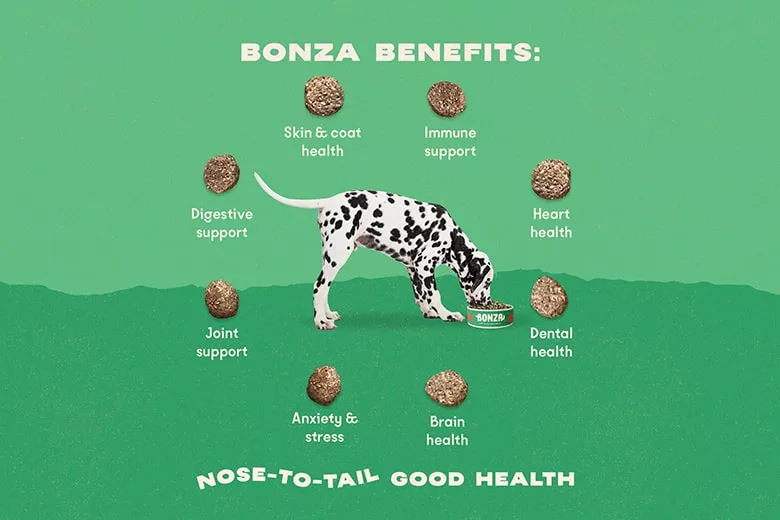
Bonza Superfoods and Ancient Grains is a premium, vegan dog food that has been formulated to deliver supportive health benefits for your dog’s whole body.
The inclusion of hypoallergenic plant-based proteins, complex carbohydrates, healthy fats and oils and a selection of the most beneficial herbs and adaptogens, our food provides your dog with the nutritional care they deserve, and need, to support their longest, healthiest life.
Transform your dogs mealtime into a powerful act of care by feeding them the healthiest plant-based dog food.