

Common Health Problems with Border Collies
Summary
Border Collies are renowned for their exceptional intelligence, herding ability, and boundless energy. However, like all breeds, they are susceptible to certain health conditions that owners should be aware of. This comprehensive guide explores common Border Collie issues, their symptoms, causes, and treatment options. It also offers in-depth nutritional strategies to support and prevent these conditions.
Table of Contents
Introduction to Border Collies
- Overview of the Breed
- Unique Physical Characteristics
Common Health Problems in Border Collies
- Hip Dysplasia
- Collie Eye Anomaly (CEA)
- Epilepsy
- Progressive Retinal Atrophy (PRA)
- Osteochondritis Dissecans (OCD)
- Trapped Neutrophil Syndrome (TNS)
- Border Collie Collapse (BCC)
- Neurological Issues
- Dental Problems
- Obsessive-Compulsive Behaviours
Physiological Causes of Health Issues
- Genetic Predispositions
- Structural and Physiological Traits
- Environmental and Lifestyle Factors
Symptoms and Treatment Protocols
- Recognising Health Issues in Border Collies
- Medical and Surgical Interventions
- Joint and Bone Health
- Eye Health
- Neurological Support
- Dental Health
- Mental Stimulation and Behavioural Support
- Weight Management
Best Food for Staffordshire Bull Terrier Health Issues
Introduction to Border Collies
Overview of the Breed
The Border Collie, originating from the border country between Scotland and England, is widely considered the world’s most intelligent dog breed. Developed primarily for sheep herding, these dogs possess exceptional working ability, agility, and problem-solving skills. Their intense focus and drive make them outstanding working and sporting dogs, though these traits can also present challenges in a domestic setting.
Unique Physical Characteristics
Border Collies typically have a medium-sized, athletic build with a double coat that can be rough or smooth. Their distinctive broad skull, alert expression, and intense gaze (known as ‘the eye’) are breed hallmarks. Their agile, light-footed movement reflects their working heritage, but their intense activity level and physical structure can predispose them to certain health issues.
Common Health Problems in Border Collies
Hip Dysplasia
While less common than in some larger breeds, hip dysplasia remains a concern in Border Collies.
Symptoms:
- Reluctance to jump or climb stairs
- Unusual gait or lameness
- Reduced activity levels
- Pain when exercising
Treatment:
- Weight management
- Controlled exercise programmes
- Anti-inflammatory medications
- Surgery in severe cases
Nutritional Support:
- Glucosamine and Chondroitin: Support cartilage health
- Omega-3 Fatty Acids (Algal Oil): Reduce inflammation
- Turmeric (Curcumin): Natural anti-inflammatory properties
- Collagen: Supports joint tissue repair
- Vitamin C: Enhances collagen synthesis
- Green-Lipped Mussel: Provides joint support
Collie Eye Anomaly (CEA)
CEA is a hereditary condition affecting the development of the eye, particularly common in herding breeds.
Symptoms:
- Vision impairment (variable severity)
- Abnormal eye development
- Potential blindness in severe cases
Treatment:
- Regular eye examinations
- Management of complications
- Genetic testing for breeding programmes
Nutritional Support:
- Lutein and Zeaxanthin: Support retinal health
- Vitamin A: Essential for eye function
- Bilberry Extract: Improves ocular blood flow
- Omega-3 Fatty Acids: Support eye development
- Taurine: Maintains retinal health
Epilepsy
Border Collies have a higher incidence of epilepsy compared to many other breeds.
Symptoms:
- Seizures
- Temporary loss of consciousness
- Unusual behaviour before seizures
- Post-seizure disorientation
Treatment:
- Anti-epileptic medications
- Regular veterinary monitoring
- Lifestyle management
Nutritional Support:
- MCT Oil (Coconut Oil): Alternative brain energy source
- Omega-3 Fatty Acid DHA: Support neurological function
- B-Complex Vitamins: Support nervous system health
- Magnesium: Helps regulate nerve function
- L-Taurine: Supports brain health
Progressive Retinal Atrophy (PRA)
PRA is an inherited condition causing gradual deterioration of the retina.
Symptoms:
- Night blindness (early stage)
- Gradual loss of day vision
- Eventual complete blindness
- Dilated pupils
Treatment:
- No cure available
- Management of symptoms
- Environmental adaptations
- Regular eye examinations
Nutritional Support:
- Antioxidants: Protect retinal cells
- Vitamin E: Reduces oxidative stress
- Beta Carotene: Supports eye health
- DHA: Maintains retinal function
- Zinc: Essential for retinal metabolism
Osteochondritis Dissecans (OCD)
A developmental condition affecting joint cartilage, particularly common in active breeds.
Symptoms:
- Joint pain and stiffness
- Lameness
- Reduced range of motion
- Swelling in affected joints
Treatment:
- Rest and activity modification
- Anti-inflammatory medications
- Surgery in severe cases
- Physical therapy
Nutritional Support:
- Glucosamine: Supports cartilage repair
- MSM: Reduces joint inflammation
- Vitamin D: Supports bone health
- Calcium: Essential for bone strength
- Chondroitin: Promotes joint flexibility
Trapped Neutrophil Syndrome (TNS)
A genetic condition affecting the immune system, specific to Border Collies.
Symptoms:
- Recurring infections
- Poor wound healing
- Fever
- Lethargy
Treatment:
- Antibiotic therapy
- Supportive care
- Genetic testing for breeding
- Regular health monitoring
Nutritional Support:
- Vitamin C: Boosts immune function
- Zinc: Supports immune system
- Probiotics and Postbiotics: Enhance gut immunity
- Beta Glucans: Stimulate immune response
- Echinacea: Natural immune support
Border Collie Collapse (BCC)
Border Collie Collapse is a breed-specific condition that causes episodes of collapse during intense exercise or periods of high excitement.
Symptoms:
- Disorientation and loss of coordination
- Weakness in hind legs
- Mental confusion during exercise
- Recovery within 30 minutes after rest
- Normal behavior between episodes
Treatment:
- Activity modification
- Avoiding trigger situations
- Temperature management during exercise
- Close monitoring during physical activity
Nutritional Support:
- Electrolyte balance support
- B-Complex vitamins for energy metabolism
- Coenzyme Q10 for cellular energy
- L-Carnitine for muscle function
- Magnesium for muscle recovery
Neurological Issues
Border Collies can experience various neurological conditions beyond epilepsy.
Symptoms:
- Balance problems
- Unusual eye movements
- Coordination difficulties
- Changes in behavior
Treatment:
- Specific to underlying cause
- Medications as needed
- Physical therapy
- Environmental management
Nutritional Support:
- DHA: Supports brain function
- Antioxidants: Protect nerve cells
- B-Complex Vitamins: Support nerve health
- Alpha-Lipoic Acid: Neuroprotective effects
- Phosphatidylserine: Cognitive support
Dental Problems
Good dental health is crucial for Border Collies’ overall wellbeing.
Symptoms:
- Bad breath
- Gingivitis
- Tartar buildup
- Tooth loss
Treatment:
- Regular dental cleaning
- Professional scaling
- Home dental care
- Treatment of infections
Nutritional Support:
- Vitamin C: Supports gum health
- Probiotics: Oral microbiome support
- Coenzyme Q10: Gum health
- Zinc: Supports oral tissue health
- Seaweed – Ascophyllum Nodosum (brown seaweed) reduces plaque and tartar buildup
- Green Tea Extract: Natural antibacterial
Obsessive-Compulsive Behaviours
Border Collies’ high intelligence and intense working drive can manifest in problematic behavioral patterns, particularly when under-stimulated.
Symptoms:
- Excessive shadow or light chasing
- Compulsive tail chasing
- Obsessive ball or toy fixation
- Repetitive behaviors like circling or pacing
- Excessive herding behaviors with people or objects
Treatment:
- Behavioral modification training
- Environmental enrichment
- Regular mental stimulation
- Professional behavioral therapy
- Structured exercise routines
Nutritional Support:
- L-Theanine for stress reduction
- Tryptophan for mood regulation
- Ashwagandha for anxiety management
- B-Complex vitamins for nervous system support
- Omega-3 fatty acids for cognitive function
- Chamomile and passionflower for calming effects
Physiological Causes of Health Issues
Genetic Predispositions
Border Collies have several inherited conditions that can affect their health:
- CEA and other eye conditions
- TNS
- Epilepsy
- Hip dysplasia
Structural and Physiological Traits
Their athletic build and high energy levels can contribute to:
- Joint stress
- Exercise-related injuries
- Metabolic demands
- Neurological sensitivity
Environmental and Lifestyle Factors
Factors that can impact Border Collie health:
- Exercise intensity
- Mental stimulation levels
- Working conditions
- Living environment
Symptoms and Treatment Protocols
Recognising Health Issues in Border Collies
Early detection is crucial for managing health problems:
- Regular veterinary check-ups
- Monitoring behavior changes
- Tracking exercise tolerance
- Observing eating and drinking habits
Medical and Surgical Interventions
Treatment approaches may include:
- Preventive care
- Genetic testing
- Surgical procedures
- Rehabilitation therapy
- Behavioral modification
- Medication management
Nutrition and Health Issues
Border Collies have specific nutritional needs due to their high energy levels, intense mental activity, and genetic predispositions. A properly balanced diet should support both their physical and cognitive demands while addressing breed-specific health concerns. Key nutritional considerations should include:
- Higher protein content (25-30%) from quality sources to support intense physical activity and maintain lean muscle mass
- Essential fatty acids, particularly DHA and EPA, for cognitive function, eye health, and herding ability maintenance
- Complex carbohydrates for sustained energy release during working or training sessions
- Specific amino acid profiles supporting neurotransmitter function and mental acuity
- Joint-supporting nutrients (glucosamine, chondroitin, MSM) for active lifestyle demands
- Antioxidants targeting eye health and neurological function
- B-complex vitamins for energy metabolism and nervous system support
- Balanced mineral content for bone health and electrical conductivity in muscles
- Calorie-dense nutrition that can be adjusted based on activity level (working vs. companion dogs)
Frequently Asked Questions
Do Border Collies have a lot of health problems?
Border Collies are generally healthy dogs, but they are prone to certain breed-specific conditions. Their intense working drive and high activity levels can contribute to physical stress, while their intelligence can lead to behavioural challenges if not properly managed. Regular veterinary care, appropriate exercise, and mental stimulation can help prevent or manage many potential health issues.
What are specific health problems in Border Collies?
Common health issues include Collie Eye Anomaly (CEA), hip dysplasia, epilepsy, Border Collie Collapse (BCC), and Trapped Neutrophil Syndrome (TNS). They may also develop obsessive-compulsive behaviours, particularly if under-stimulated. Working lines may be more prone to exercise-related injuries due to their intense drive.
What is the life expectancy of a Border Collie?
Border Collies typically live between 12-15 years with proper care. Working dogs may have different life expectancies depending on their lifestyle and work intensity. Good nutrition, regular exercise, and preventive healthcare can help maximise their lifespan.
How can I prevent health issues in my Border Collie?
Prevention strategies include:
- Regular veterinary check-ups including eye examinations
- Appropriate exercise and mental stimulation
- Balanced nutrition tailored to their high energy needs
- Genetic testing before breeding
- Weight management and joint care
- Proper dental hygiene
- Environmental enrichment to prevent behavioural issues
Are Border Collies prone to anxiety?
Yes, Border Collies can be prone to anxiety and stress-related behaviours due to their high intelligence and sensitivity. They require consistent mental stimulation, appropriate exercise, and may benefit from behaviour modification techniques and proper socialisation. Some may require nutritional support for stress management.
How much exercise does a Border Collie need to stay healthy?
Border Collies typically need 2-3 hours of exercise daily, including both physical activity and mental stimulation. However, exercise should be appropriately structured to prevent overexertion and reduce the risk of Border Collie Collapse. Puppies and senior dogs require adjusted exercise routines.
Conclusion
Border Collies are remarkable dogs with specific health needs stemming from their unique combination of intelligence, intensity, and physical capabilities. Understanding and addressing these needs through appropriate nutrition, exercise, mental stimulation, and preventive care is essential for maintaining their health and wellbeing. Regular veterinary check-ups, genetic testing where appropriate, and early intervention in health issues can help ensure a long, healthy life for these exceptional dogs.
Best Food for Border Collie Health Issues
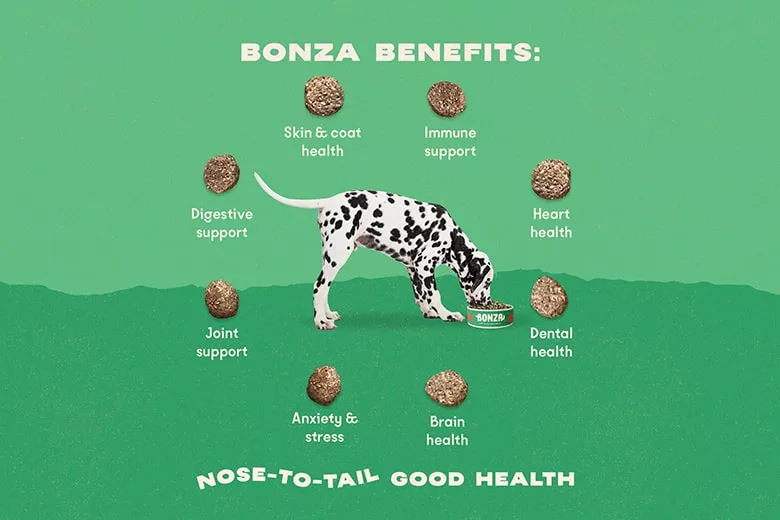
Bonza Superfoods and Ancient Grains, 100% plant-based food for dogs, contains a selection of high-quality proteins, complex carbohydrates, and healthy oils and fats to support a Border Collie’s best health. This formula includes DHAgold®, an advanced Omega-3 with DHA, EPA, and DPA; Calsporin®, a highly effective probiotic; TruPet™, a clinically researched postbiotic for dogs; Glucosamine; beta-glucans; and PhytoPlus®, a proprietary blend of medicinal herbs, spices and adaptogens, including turmeric, chamomile, ashwagandha and echinacea, containing natural plant-based phytonutrients formulated to protect your Staffy against common health issues.
Add the variety and health-boosting goodness this excellent dry dog food provides to your Collie’s diet for their optimal health and vitality.