
Summary
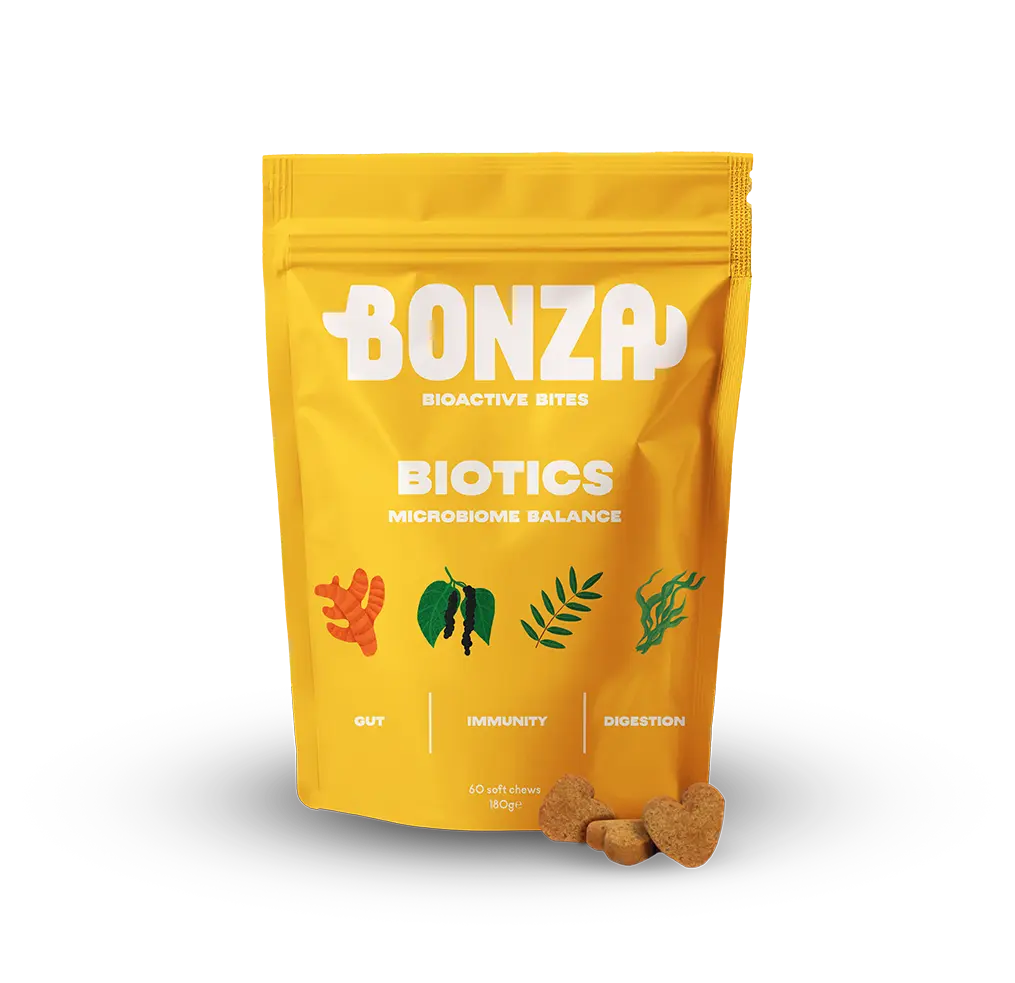
This article compares six pre-, pro- and postbiotic supplements for dogs across the UK and DE markets: Bonza Biotics Bioactive Bites, Mammaly Probiotika Tri-Synbiotikum, Nutripaw Pre-, Pro- and Postbiotic Treats, Omni Pre/Probiotics, Zesty Paws Probiotic Chews, and YuMove Digestive Care Tablets. The analysis uses a multi-criteria framework covering formulation depth, mechanism breadth, ingredient specificity, and clinical application, evaluating each product against the physiological requirements of the canine gut. Two products in the review explicitly position around the three-layer biotic framework: Bonza Biotics around the Biotics Triad, and Mammaly around the Tri-Synbiotikum. Both deliver the integrated three-layer architecture that single-layer competitors omit. Bonza Biotics ranks highest for multi-system coverage and ingredient specificity, with eight complementary mechanisms extending beyond the three biotic layers to include barrier integrity, tight junction support, and toxin binding. Mammaly Probiotics + Pre- & Postbiotics ranks second on the integrated three-layer framework, with two named probiotic strains and Yang® (Lallemand) as the named branded postbiotic. Nutripaw leads on enzymatic support, Omni delivers the highest single-strain probiotic dose, Zesty Paws provides the strongest fibre-led stool normalisation, and YuMove offers the highest combined prebiotic concentration. The most effective supplement choice depends on the dog’s specific presenting condition and market availability.
For the wider context on what these biotics do, see the canine nutritionist’s guide to the best probiotics for dogs.
For owners weighing prebiotics versus probiotics versus postbiotics, the answer is all three: a complete biotic system delivering each layer at named, dosed, and sourced ingredient level, for your dog’s gut and immune health. Bonza Biotics is the formulation built around this framework.
The pet supplement aisle treats prebiotics, probiotics, and postbiotics as competing options. They are not. Each layer does work the others cannot.
A prebiotic feeds beneficial bacteria. A probiotic introduces and modulates them. A postbiotic delivers physiological activity that does not depend on live bacterial colonisation.
This article compares six leading pre-, pro- and postbiotic supplements head to head: Bonza Biotics, Mammaly, Nutripaw, Omni, YuMove and Zesty Paws. Bonza Biotics and Mammaly both deliver the complete three-layer system; across all six, only Bonza Biotics does so with two individually named postbiotics.
Bonza Biotics formulates for how the gut microbiome and the immune system actually work together, across all three layers.
- Prebiotic layer: Fibrofos™ 60 chicory root inulin (Cosucra) at 210mg and Biolex® MB40 (Leiber GmbH) at 313mg, named and standardised substrates with documented fermentation profiles
- Probiotic layer: Calsporin® (Bacillus velezensis DSM 15544) at 1.5 × 10⁹ CFU per chew, the only spore-forming probiotic strain with EFSA authorisation specifically for dogs, named at full strain level
- Postbiotic layer: TruPet™ (285mg) and L. helveticus HA-122 (2.7 × 10⁹ CFU per chew), two individually named postbiotics that work independently of live bacterial colonisation dynamics
Every bioactive ingredient is backed by peer-reviewed research. The Bonza Health Hub explains the evidence-based why behind every ingredient, and why all three layers are needed rather than any one alone.
- The three-component biotics framework consistently outperforms single-ingredient approaches: prebiotics, probiotics, and postbiotics each address distinct and non-interchangeable aspects of gut physiology
- Postbiotics are the most absent layer in commercial supplement formulations, and the layer that delivers functional metabolite activity regardless of live bacterial survival
- Strain-level probiotic identity, named postbiotic sources, and specific ingredient dosages are the strongest quality markers when evaluating any gut health supplement
- Two products in this six-product review explicitly adopt the three-layer framework: Bonza Biotics through the Biotics Triad, and Mammaly through the Tri-Synbiotikum. Both deliver the integrated three-layer architecture that single-layer competitors omit
- No single product is optimal for every dog; the correct choice is determined by the primary presenting condition, the physiological mechanism that needs supporting, and market availability
- Bonza Biotics: complex gut presentations, post-antibiotic recovery, inflammatory and barrier dysfunction, multi-system support, eight-mechanism Biotics Triad framework with extended barrier and toxin-binding layer
- Mammaly Tri-Synbiotikum: integrated three-layer biotic support with dual probiotic strain coverage, DE-market availability, NoHeat manufacturing preference, owners prioritising veterinary-developed formulations and the synergistic Tri-Synbiotikum architecture
- Nutripaw: enzyme-related digestive inefficiency, food sensitivities, mild gut support, picky eaters
- Omni: acute bacterial dysbiosis, high-dose single-strain intervention, targeted immune challenge
- Zesty Paws: stool consistency issues, dietary fibre regulation, gentle maintenance support
- YuMove: intensive prebiotic loading, immune-mediated digestive disturbance, pathogen binding priority
Introduction
The canine digestive system represents one of the most critical yet complex physiological systems affecting overall health and wellbeing. Recent research has revealed that gut health influences not only digestive function but also immune regulation, neurological health, skin condition, and even behavioural patterns. With approximately 70% of the immune system residing in the gut, the microbiome, the collective community of microorganisms inhabiting the digestive tract, plays a pivotal role in maintaining overall canine health.¹ This immune concentration is the basis of the gut-immune axis.
The management of canine digestive health has evolved significantly in recent years, transitioning from simple dietary adjustments to sophisticated nutraceutical approaches targeting multiple physiological pathways simultaneously. These advanced supplements employ strategic combinations of prebiotics, probiotics, and postbiotics designed to address the complex interconnected systems involved in digestive function. For a full explanation of the three-component framework underpinning Bonza’s approach, see the Biotics Triad.
This comprehensive analysis examines five distinctive commercial formulations developed specifically for canine digestive and immune health, evaluating their mechanisms of action, evidence-based efficacy, and clinical applications. By understanding the physiological basis of digestive function and how various ingredients interact with these pathways, veterinary professionals and pet owners can make more informed decisions about which approach might best suit individual dogs. For a condition-specific supplement decision framework, see From Skin to Joints to Mood: Which Gut Supplement Does Your Dog Actually Need?
Key Takeaways
The canine gut microbiome governs digestion, immune function, neurological signalling, skin integrity, and joint health, making gut microbiome support one of the most upstream interventions available for whole-body canine health.¹
Prebiotics, probiotics, and postbiotics address different and non-interchangeable layers of gut physiology. Prebiotics feed beneficial bacterial communities. Probiotics replenish and modulate those communities with live microorganisms. Postbiotics deliver the bioactive metabolite outputs that connect microbiome activity to the organ systems the gut-organ axes govern.² This three-layer integration is what Bonza describes as the Biotics Triad, the architecture that defines the most rigorous gut health formulations across UK and DE markets.
Bonza Biotics Bioactive Bites delivers the most comprehensive formulation across all six products reviewed, with eight complementary mechanisms including two distinct, named postbiotics from two source categories: TruPet™ (yeast fermentation postbiotic, 285mg) and L. helveticus HA-122 (heat-inactivated bacterial postbiotic), both required components of Bonza’s Biotics Triad framework.³
Calsporin® (Bacillus velezensis DSM 15544) is the probiotic strain in Bonza Biotic, the only EFSA-authorised spore-forming probiotic for dogs, selected for documented gastric acid resistance and colonisation stability.
L-Glutamine and L. helveticus HA-122 together provide direct intestinal barrier support, fuelling enterocytes, upregulating tight junction proteins, and addressing the barrier dysfunction that underlies many chronic digestive presentations.
Mammaly Probiotics + Pre- & Postbiotics (DE market) delivers the second-most-comprehensive formulation in this review and the second product in the comparator set built explicitly around the three-layer biotic framework. The formulation combines two named probiotic strains (Enterococcus faecium 4b1707 at 7.9996 × 10¹¹ CFU/kg and Bacillus velezensis DSM 15544 at 8.0 × 10¹¹ CFU/kg), three prebiotic substrates (inulin 12%, oligofructose 8%, psyllium husk 16%), and Yang® from Lallemand as the named branded postbiotic, a synergistic alliance of inactivated yeast fractions. Mammaly’s Tri-Synbiotikum is structurally similar to Bonza’s Biotics Triad but does not extend to barrier integrity, tight junction support, or toxin binding mechanisms.
Nutripaw Pre-, Pro- and Postbiotic Treats provides excellent enzymatic digestive support through three complementary enzyme sources alongside a three-strain probiotic blend, making it particularly suited to dogs with digestive inefficiency or food sensitivities.
Omni Pre/Probiotics delivers the highest single-strain Bacillus velezensis concentration in this review, combined with high-dose astragalus and beta-glucans for immune modulation, a focused, high-dose approach suited to acute bacterial dysbiosis.
Zesty Paws Probiotic Chews provides the highest dietary fibre content of the five products, with substantial pumpkin (19.5%) and fructo-oligosaccharides (15%), optimal for stool normalisation and digestive regularity.
YuMove Digestive Care Tablets offers the highest combined prebiotic concentration (scFOS + MOS >60%) alongside significant beta-glucans, a prebiotic-led formulation for intensive microbial substrate provision and immune modulation.
The optimal supplement choice is determined by the dog’s primary presenting condition and market availability. Bonza Biotics ranks highest for breadth and complexity of support across both UK and DE markets, with the eight-mechanism Biotics Triad framework extending beyond the three biotic layers to include barrier and toxin-binding mechanisms. Few supplements cover all three biotic categories at once. Bonza’s gut microbiome and immunity supplement pairs a spore-forming probiotic, a prebiotic and a postbiotic in one formula.
Mammaly Probiotics + Pre- & Postbiotics ranks second on the integrated three-layer architecture, particularly relevant for DE-market owners. Each remaining competitor formulation delivers genuine advantages for specific, narrower digestive presentations.
In This Guide
- Why Canine Gut Health Affects Every System in Your Dog’s Body
- What Prebiotics, Probiotics and Postbiotics Each Do for Your Dog’s Gut
- Bonza Biotics Bioactive Bites: Full Formulation Analysis
- Mammaly Probiotics + Pre- & Postbiotics: Full Formulation Analysis
- Nutripaw Pre-, Pro- and Postbiotic Treats: Full Formulation Analysis
- Omni Pre/Probiotics: Full Formulation Analysis
- Zesty Paws Probiotic Chews: Full Formulation Analysis
- YuMove Digestive Care Tablets: Full Formulation Analysis
- How These Six Supplements Compare: Head-to-Head Analysis
- Overall Rankings: Which Supplement Delivers the Most Comprehensive Support
- Which Supplement to Choose for Your Dog’s Specific Condition
- How to Introduce and Time Your Dog’s Supplement for Best Results
- Frequently Asked Questions
- Conclusion
- References
- Editorial Information
Why Canine Gut Health Affects Every System in Your Dog’s Body
The canine gut is not simply a digestive organ. It is the primary site of immune education, a central regulator of systemic inflammation, a producer of neurotransmitters, and the ecosystem from which the health or dysfunction of skin, joints, liver and brain downstream can be predicted. Understanding the specific physiological systems the gut governs is essential for evaluating why any supplement’s mechanism of action matters, and why formulation breadth determines clinical outcome.
How a Diverse Gut Microbiome Determines Digestive and Systemic Health
The canine gut microbiome comprises trillions of microorganisms that collectively influence digestive processes and overall health. A diverse, balanced microbiome performs several essential functions, including breaking down complex nutrients, producing beneficial short-chain fatty acids, synthesising vitamins, and preventing colonisation by pathogenic organisms. Dysbiosis, an imbalance in microbiome composition, is associated with digestive disorders, compromised immune function, and systemic inflammation.¹
Why a Compromised Gut Barrier Leads to Inflammation Throughout the Body
The intestinal epithelium forms a critical selective barrier that permits nutrient absorption while preventing the entry of harmful substances. Tight junctions between epithelial cells regulate permeability, and their dysfunction can lead to “leaky gut,” allowing bacterial products and food antigens to trigger immune responses and inflammation. Barrier integrity depends on multiple factors, including a balanced microbiome, absence of chronic inflammation, and specialised compounds like glutamine.⁴
How the Gut Houses and Trains 70% of Your Dog’s Immune System
Approximately 70% of the immune system resides within the gut-associated lymphoid tissue (GALT), making the digestive tract a primary site for immune education and regulation. The gut microbiome directly influences immune development, tolerance to food and environmental antigens, and appropriate inflammatory responses. Disruptions in this balance can lead to inappropriate inflammation, allergic responses, and compromised defence against pathogens.
How Gut Dysbiosis Drives Anxiety and Behavioural Changes in Dogs
The enteric nervous system communicates bidirectionally with the central nervous system via the vagus nerve and neuroendocrine pathways. This gut-brain axis influences both digestive function and cognitive-emotional states. Microbiome composition affects neurotransmitter production, stress hormone regulation, and inflammation that can alter brain function and behaviour. In dogs, this connection manifests in stress-related digestive symptoms and anxiety behaviours associated with gastrointestinal disorders.⁶
How Chronic Gut Inflammation Damages Joints, Skin and Metabolic Health
Inflammation in the digestive tract can range from acute, protective responses to chronic, damaging processes. The microbiome plays a key role in regulating inflammatory states through the production of anti-inflammatory compounds like butyrate. Chronic inflammation disrupts nutrient absorption, damages the intestinal barrier, alters microbiome composition, and contributes to systemic inflammatory conditions affecting joints, skin, and other organs.
Why Gut Health Determines Whether Your Dog Gets the Nutrition You Provide
Efficient extraction and absorption of nutrients depends on multiple factors, including appropriate enzyme production, intact absorptive surfaces, regulated transit time, and microbial assistance. The microbiome enhances nutrient availability by fermenting dietary fibres, producing additional enzymes, and synthesising vitamins. Disruptions in these processes can lead to suboptimal nutritional outcomes despite adequate dietary intake.
What Prebiotics, Probiotics and Postbiotics Each Do for Your Dog’s Gut
The three components of the biotics framework are not interchangeable, and they are not hierarchical. Each addresses a distinct layer of gut physiology. Understanding what each layer does, and why all three are necessary, is the prerequisite for evaluating any gut health supplement with precision.
What Prebiotics Do: Feeding the Beneficial Bacteria Your Dog Depends On
Prebiotics are non-digestible food ingredients that selectively stimulate the growth and activity of beneficial gut bacteria. The key word is selective: prebiotics do not feed all bacteria indiscriminately, but preferentially support beneficial populations. Common prebiotics include:
- Fructo-oligosaccharides (FOS): Short chains of fructose molecules that preferentially feed Bifidobacteria
- Mannan-oligosaccharides (MOS): Complex carbohydrates derived from yeast cell walls that bind to pathogenic bacteria and support competitive exclusion
- Inulin: A long-chain fructan that ferments more slowly than FOS, providing extended prebiotic substrate across the length of the colon
- Beta-glucans: Complex polysaccharides that support immune function and serve as bacterial food sources
Prebiotics function by selectively feeding beneficial bacteria, lowering colonic pH through SCFA production, supporting intestinal barrier function, and enhancing mineral absorption.
How Probiotics Work and Why Strain Identity Determines Their Effectiveness
Probiotics are live microorganisms that, when administered in adequate amounts, confer a measurable health benefit on the host. Probiotic mechanisms include competitive exclusion of pathogenic bacteria, production of antimicrobial compounds (bacteriocins), modulation of immune responses, enhancement of intestinal barrier function, production of beneficial metabolites, and regulation of intestinal motility.
Strain specificity is critical in probiotic efficacy, different bacterial strains confer entirely different benefits, and genus-level labelling tells you almost nothing about the actual clinical effect. For example, Lactobacillus species generally support barrier function, Bifidobacteria contribute to carbohydrate fermentation, and Bacillus species offer excellent gastric acid survival through spore formation.
What Postbiotics Are and Why They Complete the Three-Component Framework
Postbiotics are preparations of inanimate microorganisms and/or their components that confer a health benefit on the host.² They represent the most recently characterised layer of the biotics framework and, in many respects, the most direct: where prebiotics and probiotics work through the microbiome to produce functional outputs, postbiotics deliver those outputs, or their structural equivalents, directly, regardless of live bacterial survival or colonisation dynamics. Postbiotic components include short-chain fatty acids that nourish colonocytes and regulate inflammation, bacteriocins with antimicrobial properties, enzymes that aid digestion and nutrient extraction, cell wall components that stimulate immune function, and metabolites that modulate gut motility and hormone production. Postbiotics offer enhanced stability and consistent bioactive compound delivery independent of gastrointestinal conditions.²
Why the Combined Approach Outperforms Any Single Ingredient
The most sophisticated digestive support formulations address multiple physiological aspects simultaneously. Prebiotics feed beneficial communities but cannot deliver direct physiological effects alone. Probiotics populate the gut but require fermentable substrate to thrive. Postbiotics deliver the functional metabolite layer but work most effectively when the microbial ecosystem generating them is also supported. The three layers are mechanistically interdependent, which is why the combined approach consistently outperforms single-ingredient formulations across the evidence base.³
Why Only Two of the Six Products Adopt the Three-Layer Biotic Framework
Two of the six products in this review (Bonza Biotics and Mammaly Probiotika Tri-Synbiotikum) explicitly adopt the three-layer biotic framework and deliver each layer at named, dosed, and sourced ingredient level. The remaining four (Nutripaw, Omni, Zesty Paws and YuMove) address the framework partially, omit one or more layers, or substitute single-ingredient interventions for the integrated three-layer architecture. This is the dividing line that separates supplements built for the full microbiome from supplements built for one aspect of it.
Operating the framework substantively means three specific things: a named prebiotic substrate with documented fermentation profile (not generic fibre); a named probiotic strain with regulatory authorisation (not a genus-level claim); and a named postbiotic by ISAPP standard (not a vague “metabolite” reference). All three components must be present, individually identified, and dosed. Marketing language that references the three layers without the substantive ingredient transparency does not meet this bar.
Bonza Biotics delivers the three-layer framework through the Biotics Triad architecture: Fibrofos™ 60 chicory root inulin (Cosucra) and Biolex® MB40 (Leiber GmbH) as named prebiotic substrates; Calsporin® (Bacillus velezensis DSM 15544) as the EFSA-authorised probiotic strain; and two postbiotics from two source categories, TruPet™ as a yeast fermentation postbiotic and L. helveticus HA-122 as a heat-inactivated bacterial postbiotic.
Mammaly Probiotika Tri-Synbiotikum (DE market) delivers the three-layer framework through dual probiotic strain coverage (Enterococcus faecium 4b1707 and Bacillus velezensis DSM 15544, the same strain Bonza markets as Calsporin®), three prebiotic substrates (inulin, oligofructose and psyllium husk), and Yang® from Lallemand as a single-source-category branded postbiotic. The Mammaly formulation meets the three-layer architecture substantively but does not extend beyond the three biotic layers into barrier integrity, tight junction support, or toxin binding mechanisms.
The remaining four products operate within narrower formulation positions. Nutripaw provides a three-strain probiotic blend with enzymatic support but does not name a postbiotic component substantively. Omni delivers a high-dose single-strain Bacillus probiotic with herbal immune support, with no named postbiotic. Zesty Paws features Calsporin® at high concentration with EpiCor® as a named postbiotic and substantial dietary fibre, addressing two of the three layers substantively while operating closer to the framework than Nutripaw or Omni. YuMove offers the highest combined prebiotic concentration of any product in the review alongside beta-glucans for immune modulation, with the postbiotic layer addressed through inactivated yeast components rather than a named branded postbiotic.
The three-layer framework is no longer unique to any single brand in marketing terms. Both Bonza and Mammaly position around it, and the broader category is moving toward it as the convention for serious gut health formulations. The substantive difference within the framework-adopting tier is what Bonza extends beyond the three layers: direct intestinal barrier support through L-Glutamine, tight junction integrity through chelated zinc, and toxin binding through Clinoptilolite. These additional mechanisms are not covered by the three-layer framework itself, and no other product in this review delivers them. The product analyses that follow examine each formulation against this framework and against the further extensions where they exist.
Bonza Biotics Bioactive Bites Analysis
BONZA BIOTICS – AT A GLANCE
The most comprehensive pre-, pro- and postbiotic formulation in this review: eight complementary mechanisms, dual named postbiotics (TruPet™ and L. helveticus HA-122), and direct intestinal barrier support.
PRIMARY MECHANISM
Multi-system gut support: dual postbiotics, dual prebiotics, spore-forming probiotic, L-glutamine barrier repair, four anti-inflammatory botanicals, toxin binding
BEST FOR
Complex digestive conditions, post-antibiotic recovery, inflammatory bowel presentations, leaky gut, food sensitivities with barrier involvement, multi-system presentations
Bonza Biotics is the only product in this review to deliver both TruPet™ and L. helveticus HA-122 as distinct named postbiotics, the two postbiotic components of the Biotics Triad framework.
What Bonza Biotics Contains: Eight Active Mechanisms in One Formula
Bonza Biotics Bioactive Bites features a sophisticated, multi-component formulation with clearly specified dosages for active ingredients. Key components include:
Postbiotics: TruPet™ (inactivated yeast culture, 285mg) and L. helveticus HA-122 (heat-inactivated postbiotic), both distinct postbiotic components delivering direct bioactive activity independent of live bacterial colonisation.³
Probiotic: Calsporin® (Bacillus velezensis DSM 15544, 4.5 × 10⁴ CFU), the only EFSA-authorised spore-forming probiotic strain for dogs, selected for documented gastric acid resistance and colonisation stability.
Prebiotics: Biolex® MB40 MOS (278mg) and Fibrofos® 60 FOS with high inulin content (218mg), a dual-prebiotic system supporting distinct beneficial bacterial populations simultaneously.
Barrier and gut wall support: L-Glutamine (98mg), the primary fuel for intestinal epithelial cells and a structural component of tight junction repair.⁴
Anti-inflammatory botanicals: Spirulina (45mg), Boswellia Serrata (38mg), Turmeric (38mg), Ginger (38mg), four botanicals targeting different inflammatory pathways simultaneously.
Additional active components: Clinoptilolite (144mg) for toxin and endotoxin binding, Zinc Glycinate (23mg) for epithelial cell regeneration, DHAgold® Omega-3 (30mg) for membrane integrity and immune modulation, digestive enzymes via Pineapple/Bromelain (30mg), German Chamomile (23mg), and Black Pepper Extract (3mg) for enhanced bioavailability.
How Bonza Biotics Works: Eight Complementary Mechanisms Explained
Bonza Biotics employs an exceptionally sophisticated approach to digestive and immune health through eight distinct, complementary mechanisms:
Comprehensive microbiome support: Calsporin® (Bacillus velezensis DSM 15544) is a spore-forming probiotic that survives gastric transit to germinate and colonise in the intestinal tract, providing direct competitive exclusion of pathogenic bacteria and modulation of the gut immune response.
Dual postbiotic delivery: TruPet™ provides inactivated yeast culture rich in beneficial metabolites including beta-glucans for immune stimulation and mannan for pathogen binding. L. helveticus HA-122, a heat-inactivated postbiotic, upregulates tight junction proteins and modulates gut-epithelial immune signalling, delivering direct barrier and immune activity without requiring live organism colonisation.³
Dual-prebiotic substrate system: Biolex® MB40 MOS and Fibrofos® 60 FOS target different beneficial bacterial populations, ensuring comprehensive substrate provision across the length of the colon.
Direct intestinal barrier repair: L-Glutamine serves as the primary fuel for enterocytes, supporting tight junction formation and barrier integrity. Combined with L. helveticus HA-122’s tight junction upregulation, this creates a two-mechanism approach to barrier support absent in all competing products.⁴
Multi-pathway anti-inflammatory support: Spirulina, Boswellia Serrata, Turmeric, and Ginger target different inflammatory pathways, COX inhibition, NF-κB modulation, antioxidant activity, and prostaglandin suppression, providing broad-spectrum inflammatory modulation.
Enzymatic digestive support: Pineapple-derived Bromelain provides proteolytic enzyme activity that enhances protein digestion and helps break down biofilms protecting pathogenic bacteria.
Toxin binding and elimination: Clinoptilolite acts as a molecular sieve, selectively binding toxins, heavy metals, and bacterial endotoxins for elimination before systemic absorption.
Nutritional cofactor optimisation: Zinc Glycinate supports intestinal cell regeneration and immune function. DHAgold® Omega-3 provides anti-inflammatory EPA and DHA for systemic inflammatory tone management.
Where Bonza Biotics Excels and What It Is Best Used For
Strengths: Most comprehensive formulation with eight distinct mechanisms. Two named, distinct postbiotics (TruPet™ and L. helveticus HA-122) delivering complementary bioactive activities. Dual-prebiotic strategy supporting diverse beneficial bacterial populations. Only product in this review with direct intestinal barrier support compounds. Four complementary anti-inflammatory botanicals targeting different pathways. Toxin binding via Clinoptilolite. Enhanced bioavailability through black pepper extract. Named, EFSA-authorised probiotic strain with documented canine efficacy.
Limitations: Complex formulation may exceed requirements for minor, isolated digestive issues. Premium ingredient sourcing is reflected in cost. Relative Bacillus velezensis dose is lower than Omni Pre/Probiotics for single-strain colonisation intensity.
Which Dogs Benefit Most from Bonza Biotics
Bonza Biotics Bioactive Bites is the primary recommendation for dogs with inflammatory bowel conditions, compromised intestinal barriers and associated inflammatory symptoms, post-antibiotic microbiome disruption requiring comprehensive restoration, concurrent digestive and immune dysfunction, food sensitivities where barrier function improvement is central, chronic or recurrent digestive issues requiring multi-mechanism intervention, senior dogs with age-related digestive and immune decline, and working or performance dogs requiring optimised nutrient absorption.
Mammaly Probiotics + Pre- & Postbiotics: Full Formulation Analysis
Mammaly Probiotics + Pre- & Postbiotics (Powder for Dogs, 90g)
- Framework: Tri-Synbiotikum (probiotics + prebiotics + postbiotic), the closest direct parallel in this comparator set to Bonza’s Biotics Triad
- Probiotic strains (named, EU-coded): Enterococcus faecium 4b1707 at 7.9996 × 10¹¹ CFU/kg; Bacillus velezensis DSM 15544 (4b1820) at 8.0 × 10¹¹ CFU/kg
- Prebiotic substrates: Inulin 12%, oligofructose 8%, psyllium husk powder 16% (sources not specified at supplier level)
- Postbiotic: Yang® (Lallemand), named branded synergistic alliance of inactivated yeast fractions
- Manufacturing: Made in Germany using the NoHeat process to preserve bioactive integrity
- Veterinary positioning: Developed under Melissa Welmans (med. vet. MSc, animal nutrition specialist)
- Suitability: Dogs from 6 months of age, hypoallergenic, suitable as BARF supplement
- Analytical constituents: Crude protein 18.4%, crude fat 5%, crude ash 8.6%, crude fibre 4.3%, moisture 5.3%
Mammaly’s Tri-Synbiotikum framework is structurally similar to Bonza’s Biotics Triad, and the comparison reveals both the substantive maturity of Mammaly’s three-layer architecture and the additional five mechanisms that distinguish Bonza’s eight-mechanism framework.
Mammaly Probiotics + Pre- & Postbiotics is a German-market complementary feed supplement marketed around the Tri-Synbiotikum framework: a synergistic combination of probiotics, prebiotics, and postbiotics. The product is the closest direct conceptual parallel in this comparator set to Bonza’s Biotics Triad, and the comparison reveals both the substantive maturity of Mammaly’s formulation and the additional mechanism breadth that distinguishes Bonza’s eight-mechanism framework.
Probiotic layer: Mammaly delivers two named probiotic strains at full strain-level disclosure with EU feed additive registration codes:
- Enterococcus faecium 4b1707 at 7.9996 × 10¹¹ CFU/kg, a registered intestinal flora stabiliser
- Bacillus velezensis DSM 15544 (4b1820) at 8.0 × 10¹¹ CFU/kg, the same strain Bonza markets as Calsporin® and the only spore-forming probiotic with EFSA authorisation specifically for dogs
The dual-strain approach is genuinely broader than Bonza Biotics’ single-strain probiotic layer, and is one of the few dimensions where Mammaly arguably exceeds Bonza on raw probiotic coverage. The choice to combine Enterococcus faecium with Bacillus velezensis DSM 15544 reflects Mammaly’s well-documented research-led approach. The trade-off is that Enterococcus faecium can produce histamine in some contexts, which is a consideration for dogs with allergic or histamine-sensitive presentations. Bonza’s single-strain choice (Bacillus velezensis DSM 15544 alone) avoids this consideration entirely.
Prebiotic layer: Mammaly’s prebiotic substrate provision uses three components:
- Inulin at 12% inclusion (source not specified at supplier level)
- Oligofructose at 8% inclusion
- Psyllium husk powder at 16% inclusion, contributing soluble fibre and prebiotic substrate function
This is a substantial prebiotic provision by inclusion level. The structural difference compared to Bonza Biotics is that Mammaly’s inulin and oligofructose are not specified at supplier level, whereas Bonza specifies Fibrofos™ 60 from Cosucra (chicory root inulin standardised at 65% inulin, with documented sesquiterpene lactones, chlorogenic acid, and natural antiparasitic activity beyond simple prebiotic substrate provision) and Biolex® MB40 from Leiber GmbH (named beta-glucan and MOS-rich yeast cell wall product with documented immune-modulating activity through Toll-like receptor and macrophage interactions). The Mammaly prebiotic layer is functionally complete; the Bonza prebiotic layer carries additional supplier-documented mechanism breadth that generic substrate provision does not deliver.
Postbiotic layer: Mammaly’s postbiotic component is Yang® from Lallemand Animal Nutrition, a branded postbiotic comprising a synergistic alliance of inactivated yeast fractions from multiple specifically selected yeast strains. Yang® is a sophisticated and well-researched postbiotic ingredient: Lallemand has documented its bacteria-binding capacity (particularly against E. coli pathogens in canine gut studies), its multi-receptor immune modulation activity, and its synergistic effects between the yeast fractions. The product’s composition declaration also lists “inactive yeast powder” at 16%, which represents broader yeast product inclusion alongside the Yang® branded postbiotic.
Mammaly’s postbiotic layer is one named branded postbiotic from a single source category (yeast). Bonza Biotics’ postbiotic layer is two named postbiotics from two source categories: TruPet™ as a yeast fermentation postbiotic, and L. helveticus HA-122 as a heat-inactivated bacterial postbiotic. Both Yang® and TruPet™ are sophisticated yeast-derived postbiotics. The substantive difference is mechanism diversity: Bonza addresses postbiotic activity through both yeast-derived and bacterial-derived pathways, while Mammaly addresses it through the (sophisticated) yeast-derived pathway alone.
Manufacturing and positioning: Mammaly is manufactured in Germany using the company’s NoHeat process, designed to preserve bioactive integrity by avoiding the production heat that can compromise live probiotic viability and active compound stability in conventional manufacturing. The brand is veterinary-developed under the technical guidance of Melissa Welmans (med. vet. MSc, animal nutrition specialist). The product is positioned for dogs from 6 months of age, marketed as hypoallergenic, and explicitly suitable as a BARF supplement.
Analytical constituents: Crude protein 18.4%, crude fat 5%, crude ash 8.6%, crude fibre 4.3%, moisture 5.3%. Oat flake flour at 21.7% serves as the carrier base.
What Mammaly does and does not address: Mammaly’s Tri-Synbiotikum delivers the integrated three-layer biotic framework substantively, addressing the prebiotic-probiotic-postbiotic architecture that single-layer competitors omit.
The formulation does not extend to:
- Barrier integrity support — no L-Glutamine inclusion to fuel enterocytes and support tight junction protein synthesis directly
- Tight junction support — no chelated zinc or equivalent direct mechanism beyond the indirect support provided by the biotic layers themselves
- Toxin binding — no clinoptilolite or equivalent named adsorbent for ammonia, mycotoxins, and gut toxins (though Yang® provides bacteria-binding capacity for E. coli specifically)
- Anti-inflammatory botanicals — no boswellia, turmeric, or equivalent direct anti-inflammatory inclusions
The structural difference is the additional five mechanisms that take Bonza’s framework from three biotic layers to the eight-mechanism multi-system architecture documented in the Biotics Triad pillar.
Best clinical fit for Mammaly: Owners in DE markets seeking the integrated three-layer biotic framework, dogs without complex multi-system presentations or significant barrier dysfunction, contexts where the dual probiotic strain coverage is preferred over single-strain rigour, and households prioritising NoHeat manufacturing or German veterinary-developed formulations. Mammaly is genuinely a strong product on its target dimensions, and the Tri-Synbiotikum framework is substantively similar to (though narrower than) the Biotics Triad architecture Bonza delivers.
Nutripaw Pre-, Pro-, and Postbiotic Treats Analysis
NUTRIPAW – AT A GLANCE
A food-based, enzyme-led digestive support supplement with a diverse three-strain probiotic and a branded postbiotic, strongest when enzymatic inefficiency is the primary concern.
PRIMARY MECHANISM
Triple enzyme source (papaya, pineapple, pumpkin) with three-strain probiotic consortium and EpiCor® Pets postbiotic
BEST FOR
Digestive inefficiency, suboptimal nutrient absorption, mild gut support, diet transitions, picky eaters
Choose Nutripaw over Bonza Biotics when enzymatic digestive support is the primary need and inflammatory or barrier involvement is absent.
What Nutripaw Contains: An Enzyme-Focused Three-Component Formula
Nutripaw Pre-, Pro-, and Postbiotic Treats contain a balanced blend of digestive health ingredients including a 3-Strain Probiotics Blend (3 billion CFUs), Epicor® Pets (inactivated yeast culture, 140mg), enzymatic support through Pumpkin Powder (200mg), Papaya (200mg) and Pineapple Powder (200mg), prebiotic fibres through Flaxseed Powder (250mg) and Chicory Root Inulin (30mg), and digestive support from Plum Powder (20mg).
How Nutripaw Works: Enzyme Support, Probiotics and Postbiotics Combined
Diverse probiotic consortium: The 3-Strain Probiotic Blend offers broader colonisation potential than single-strain products, potentially addressing different niches within the digestive tract. Note that Nutripaw does not identify individual strains, which limits strain-specific efficacy assessment.
Triple-enzyme digestive support: Papaya provides papain, Pineapple Powder provides bromelain, and Pumpkin Powder contributes additional enzymes and gentle fibre, three complementary enzyme sources that enhance protein digestion and nutrient extraction.
Targeted postbiotic inclusion: Epicor® Pets provides metabolically active compounds including beta-glucans, mannan-oligosaccharides, and other immune-modulating components via inactivated yeast cells.
Balanced prebiotic profile: Flaxseed Powder provides both soluble and insoluble fibres alongside omega-3 fatty acids; Chicory Root Inulin delivers concentrated prebiotic substrate. Combined prebiotic content is modest relative to YuMove and Bonza Biotics.
Digestive motility support: Plum Powder provides natural sorbitol and phenolic compounds that gently stimulate motility and offer antioxidant protection to the intestinal epithelium.
Where Nutripaw Excels and What It Is Best Used For
Strengths: Excellent enzymatic support through three complementary natural sources. Multi-strain probiotic approach with substantial CFU count. Branded postbiotic with documented immune benefits. Gentle, food-based profile suitable for sensitive dogs and picky eaters. Good palatability.
Limitations: Probiotic strains not individually identified, limiting strain-specific assessment. Modest inulin content compared to most competitors. No direct intestinal barrier support (no L-glutamine or equivalent). No anti-inflammatory botanical inclusion. No mineral cofactors or toxin-binding components.
Which Dogs Benefit Most from Nutripaw
Nutripaw is particularly well-suited for dogs with suboptimal nutrient digestion and absorption, animals transitioning between diets or experiencing mild digestive upset, dogs recovering from mild to moderate digestive disturbances, older dogs with decreased digestive enzyme production, cases involving occasional constipation or irregular bowel movements, and sensitive or picky dogs requiring gentle, food-based support.
Omni Pre/Probiotics Analysis
OMNI PRE/PROBIOTICS – AT A GLANCE
A focused, high-dose intervention with the highest Bacillus velezensis concentration in this review, combined with high-dose astragalus and beta-glucans for targeted immune modulation.
PRIMARY MECHANISM
High-dose Bacillus velezensis colonisation with astragalus-led immune modulation and kaolin adsorbent for stool normalisation
BEST FOR
Acute bacterial dysbiosis, targeted pathogenic intervention, focused immune challenge, mild to moderate diarrhoea
Choose Omni over Bonza Biotics when the primary goal is intensive single-strain Bacillus colonisation or focused immune modulation, rather than multi-system gut support.
What Omni Pre/Probiotics Contains: A Focused High-Dose Formula
Omni Pre/Probiotics features a concentrated formulation with Astragalus Root Powder (600mg), Beta Glucans (120mg), Inulin (88mg), Kaolin (40mg), and Bacillus velezensis (400mg active ingredient). Nutritional additives include Bacillus velezensis DSM 15544 (6.80 × 10¹⁰ CFU/g) and Vitamin C (20.0g/kg).
How Omni Pre/Probiotics Works: High-Dose Single-Strain Intervention
High-potency probiotic intervention: The substantial dose of Bacillus velezensis DSM 15544 provides the highest concentration of this specific strain across all five evaluated products. This spore-forming bacterium survives gastric acid and bile exposure, allowing effective colonisation throughout the intestinal tract.
Immune system modulation: Astragalus Root Powder provides substantial immunomodulatory activity as the dominant botanical ingredient. Beta Glucans complement this through specific binding to immune cell receptors, enhancing pathogen recognition and cytokine balance.
Prebiotic and adsorbent support: Inulin provides moderate prebiotic substrate, while Kaolin contributes adsorbent properties that bind bacterial toxins and irritants, reducing mucosal inflammation and normalising stool consistency.
Where Omni Pre/Probiotics Excels and What It Is Best Used For
Strengths: Highest Bacillus velezensis concentration in this review. Substantial immune support through high-dose astragalus and beta-glucans. Focused approach with higher doses of fewer key ingredients. Transparent, clearly specified active ingredient dosages. Kaolin for toxin binding and stool normalisation.
Limitations: Single probiotic strain, no microbial diversity benefits. Limited prebiotic substrate compared to multi-prebiotic formulations. No direct barrier support compounds. No anti-inflammatory botanicals beyond immune modulation. No omega fatty acid inclusion.
Which Dogs Benefit Most from Omni Pre/Probiotics
Omni Pre/Probiotics is particularly effective for dogs with confirmed pathogenic bacterial overgrowth requiring intensive probiotic intervention, cases involving bacterial imbalances specifically responsive to Bacillus species, recovery from acute intestinal infections where pathogen competitive exclusion is the priority, dogs with mild to moderate diarrhoea benefiting from kaolin’s binding properties, and situations requiring immune support alongside digestive intervention.
Zesty Paws Probiotic Chews Analysis
ZESTY PAWS – AT A GLANCE
A fibre-centric stool normalisation supplement with substantial pumpkin, intensive FOS loading, Calsporin® probiotic, and EpiCor® postbiotic, strongest for digestive regularity presentations.
PRIMARY MECHANISM
High dietary fibre (19.5% pumpkin + 15% FOS) for stool normalisation, Calsporin® spore-forming probiotic, EpiCor® postbiotic immune support
BEST FOR
Chronic soft stool, digestive irregularity, dietary fibre regulation, gentle maintenance support
Choose Zesty Paws over Bonza Biotics when stool consistency through dietary fibre is the primary goal and inflammatory involvement is not a significant factor.
What Zesty Paws Contains: A Fibre-Led Formula with Branded Probiotic and Postbiotic
Zesty Paws Probiotic Chews features Dried Pumpkin (19.5%), Calsporin® Bacillus subtilis DSM 15544 (3×10¹¹ CFU/kg), EpiCor® Pets (inactivated yeast, 3%), and Fructo-oligosaccharides (15%). The base consists of potato flakes, pea flakes, vegetable glycerine, tapioca starch, algae meal, linseed, sunflower oil, and dried rosemary.
How Zesty Paws Works: Fibre Regulation, Prebiotics, Probiotic and Postbiotic Combined
High-fibre stool normalisation: Substantial dried pumpkin provides high levels of both soluble and insoluble fibres that regulate transit time, normalise stool water content, and provide bulk, addressing both constipation and loose stool through fibre balance.
Intensive prebiotic loading: 15% fructo-oligosaccharides provides intensive Bifidobacteria feeding, one of the highest FOS concentrations in this review.
Spore-forming probiotic: Calsporin® Bacillus subtilis DSM 15544 is the same EFSA-authorised Bacillus strain family used in Bonza Biotics, here at a higher total CFU concentration.
Postbiotic immune support: EpiCor® Pets delivers fermentation metabolites from Saccharomyces cerevisiae that support immune function and barrier activity.
Complementary nutritional support: Algae meal provides omega-3 fatty acids and micronutrients for epithelial health and inflammatory modulation. Rosemary provides natural antioxidant support.
Where Zesty Paws Excels and What It Is Best Used For
Strengths: Exceptional dietary fibre content for stool normalisation. High FOS concentration for intensive Bifidobacteria support. EFSA-authorised Calsporin® strain at high CFU concentration. Named branded postbiotic. Food-based palatability. Addresses both constipation and soft stool.
Limitations: Single probiotic strain with no microbial diversity benefit. No direct barrier support compounds. Limited anti-inflammatory botanicals. Percentage-based ingredient listing makes absolute dosage comparison difficult. Less comprehensive than Bonza Biotics for multi-system presentations.
Which Dogs Benefit Most from Zesty Paws
Zesty Paws is particularly well-suited for dogs with chronic soft stool or occasional constipation, cases of mild to moderate digestive irregularity, animals transitioning between diets or recovering from dietary indiscretion, dogs with occasional gas or bloating, and maintenance support following more intensive interventions.
YuMove Digestive Care Tablets Analysis
YUMOVE – AT A GLANCE
The highest combined prebiotic concentration in this review (scFOS + MOS exceeding 60%), with significant beta-glucan immune modulation and Enterococcus faecium probiotic support.
PRIMARY MECHANISM
Intensive dual-prebiotic loading (scFOS + MOS >60%) with beta-glucan immune modulation and Enterococcus faecium probiotic
BEST FOR
Intensive prebiotic substrate provision, pathogen binding via MOS, immune-mediated digestive disturbance, long-term maintenance
Choose YuMove over Bonza Biotics when the therapeutic priority is intensive prebiotic concentration and beta-glucan-led immune modulation rather than multi-mechanism gut support.
What YuMove Contains: A Prebiotic-Led Formula with High Beta-Glucan Content
YuMove Digestive Care Tablets features Fructo-oligosaccharides [scFOS] (30.5%), Yeast Extract as source of manno-oligo-saccharides [MOS] (30.5%), Beta-glucans (15.3%), and the probiotic Enterococcus faecium DSM 10663/NCIMB 10415 (2.4 × 10¹¹ CFU/kg).
How YuMove Works: Intensive Prebiotics, Beta-Glucan Immunity and Probiotic Support
Exceptional prebiotic concentration: scFOS and MOS together exceed 60% of active ingredients, providing the highest combined prebiotic loading of all five products. The dual-prebiotic approach combines Bifidobacteria feeding via scFOS with pathogen binding and competitive exclusion via MOS.
Beta-glucan immune modulation: 15.3% beta-glucan content provides intensive immune support through specific binding to pattern recognition receptors on immune cells, triggering enhanced pathogen detection and balanced cytokine production.
Specific-strain probiotic: Enterococcus faecium DSM 10663/NCIMB 10415 produces lactic acid to maintain intestinal pH, competes with pathogens for adhesion sites, and produces bacteriocins inhibiting pathogenic bacteria.
Mineral cofactor support: Dicalcium phosphate provides calcium and phosphorus supporting intestinal cell function and enzymatic reactions.
Where YuMove Excels and What It Is Best Used For
Strengths: Highest combined prebiotic concentration in this review. Substantial beta-glucan content for intensive immune support. Documented Enterococcus faecium strain with research backing. Dual-mechanism pathogen control via MOS binding and probiotic competition. Tablet form offers enhanced stability.
Limitations: Single probiotic strain with no microbial diversity benefit. No anti-inflammatory botanicals. No digestive enzymes. No direct barrier support compounds. No specific toxin-binding components beyond MOS. Tablet format may be less palatable than chews.
Which Dogs Benefit Most from YuMove
YuMove Digestive Care Tablets is particularly well-suited for dogs with immune-mediated digestive disturbances, cases requiring pathogen inhibition without intensive probiotic colonisation, dogs requiring long-term prebiotic-led maintenance support, animals with sensitivities to multiple ingredients in more complex formulations, and dogs where tablet stability is preferable to chew formats.
How These Six Supplements Compare
The following comparison table provides a rapid reference across all five products on the criteria that most differentiate them:
| Product | Probiotic Layer | Prebiotic Layer | Postbiotic Layer | Additional Mechanisms | Best Clinical Fit |
|---|---|---|---|---|---|
| Bonza Biotics Bioactive Bites (UK and DE markets) | Calsporin® (Bacillus velezensis DSM 15544) at 1.5 × 10⁹ CFU per chew, the only spore-forming probiotic strain with EFSA authorisation specifically for dogs | Fibrofos™ 60 chicory root inulin (Cosucra) at 210mg + Biolex® MB40 (Leiber GmbH) at 313mg, named substrates with documented sesquiterpene lactones, chlorogenic acid, beta-glucans, and MOS | TruPet™ (yeast fermentation, 285mg) + L. helveticus HA-122 (heat-inactivated bacterial, 2.7 × 10⁹ CFU per chew), two named postbiotics from two source categories | L-Glutamine (3c451) for enterocyte fuel and tight junction protein synthesis; Zinc chelate of glycine hydrate (3b607) for tight junction integrity; Clinoptilolite for toxin and ammonia binding. Eight-mechanism Biotics Triad framework | Complex multi-system gut presentations, post-antibiotic recovery, inflammatory and barrier dysfunction, owners seeking the most comprehensive single formulation |
| Mammaly Probiotics + Pre- & Postbiotics (DE market) | Enterococcus faecium 4b1707 at 7.9996 × 10¹¹ CFU/kg + Bacillus velezensis DSM 15544 (4b1820) at 8.0 × 10¹¹ CFU/kg, two named strains at full strain-level disclosure | Inulin 12% + oligofructose 8% + psyllium husk powder 16% (sources not specified at supplier level) | Yang® (Lallemand), single named branded postbiotic comprising a synergistic alliance of inactivated yeast fractions from multiple specifically selected yeast strains | None beyond the three biotic layers; NoHeat manufacturing process (Germany); veterinary-developed under Melissa Welmans (med. vet. MSc) | DE-market owners, integrated three-layer Tri-Synbiotikum architecture, dogs without complex multi-system presentations, owners prioritising NoHeat manufacturing |
| Nutripaw Pre-, Pro- and Postbiotic Treats (UK market) | Three-strain probiotic blend | Mixed prebiotic content alongside the probiotic blend | Implied postbiotic content; not named at branded ingredient level | Three complementary digestive enzyme inclusions for enzymatic support across protein, fat, and carbohydrate digestion | Enzyme-related digestive inefficiency, food sensitivities, mild gut support, picky eaters who respond to treat-format supplements |
| Omni Pre/Probiotics (UK market) | Bacillus velezensis DSM 15544 at 6.80 × 10¹⁰ CFU/g, high-dose single-strain | Inulin 1.5% + yeast hydrolysates (natural source of MOS and beta-glucans) + sugar beet fibre | No named postbiotic component | Astragalus root powder for immune modulation; kaolinitic clay for toxin binding; Vitamin C inclusion | Acute bacterial dysbiosis, high-dose single-strain intervention, targeted immune challenge, owners preferring soft chew format |
| Zesty Paws Probiotic Chews (UK market) | Multi-strain probiotic blend | Pumpkin 19.5% + fructo-oligosaccharides (FOS) 15%, highest dietary fibre content in the review | No named postbiotic component | Fibre-led formulation prioritising stool consistency and digestive regularity | Stool consistency issues, dietary fibre regulation, gentle maintenance support, dogs with mild irregularity rather than complex presentations |
| YuMove Digestive Care Tablets (UK market) | Enterococcus faecium NCIMB 10415, single-strain at full strain-level disclosure | scFOS + MOS at greater than 60% combined inclusion, plus significant beta-glucans, the highest combined prebiotic concentration in the review | No named postbiotic component | Montmorillonite clay for pathogen and toxin binding; prebiotic-led architecture | Intensive prebiotic loading, immune-mediated digestive disturbance, pathogen binding priority, owners who prefer tablet format |
Bonza Biotics vs. Nutripaw: When Formulation Depth Outweighs Enzymatic Focus
Bonza Biotics and Nutripaw both address multiple digestive mechanisms, but they serve different presentations. Bonza is the clear choice when inflammation, barrier dysfunction, or significant dysbiosis is present, its eight complementary mechanisms, dual postbiotics, and anti-inflammatory botanicals address causes as well as symptoms. Nutripaw leads when the primary problem is enzymatic digestive inefficiency: its triple-enzyme approach (papain, bromelain, pumpkin enzymes) is unmatched across these five products. For a dog with chronic inflammatory gut disease, choose Bonza Biotics. For a senior dog whose nutrient absorption has declined due to reduced enzyme production, Nutripaw addresses the root cause more directly.
Bonza Biotics vs. Omni Pre/Probiotics: Multi-Mechanism vs. High-Dose Single Intervention
The distinction here is breadth versus intensity. Bonza addresses eight physiological systems simultaneously. Omni delivers the highest single-strain Bacillus velezensis dose in this review, combined with high-dose astragalus immune support. In acute bacterial dysbiosis where rapid, high-intensity colonisation with a specific strain is the therapeutic goal, Omni’s concentrated approach has a case. For everything else, chronic conditions, inflammatory presentations, barrier involvement, post-antibiotic recovery, Bonza’s comprehensiveness is the deciding factor.
Bonza Biotics vs. Zesty Paws: Complex Gut Support vs. Fibre-Led Stool Normalisation
Zesty Paws’ standout attribute is its fibre content: 19.5% dried pumpkin and 15% FOS create a stool-normalising foundation that Bonza Biotics’ more modest prebiotic components do not replicate. For a dog whose primary problem is chronic soft stool or inconsistent digestive transit, Zesty Paws addresses the mechanism directly. When the condition involves gut wall inflammation, immune dysregulation, or barrier dysfunction, Bonza’s additional mechanisms are clinically necessary.
Bonza Biotics vs. YuMove: Comprehensive Support vs. Prebiotic-Led Immune Focus
YuMove’s combined prebiotic concentration (scFOS + MOS exceeding 60%) substantially outweighs Bonza’s prebiotic substrate in terms of raw volume. For cases where the therapeutic priority is maximising prebiotic loading and intensive beta-glucan immune support, without requiring the additional complexity of anti-inflammatory botanicals, barrier compounds, or toxin binding, YuMove’s focused formulation is appropriate. When the presentation requires those additional mechanisms, Bonza is the more complete intervention.
Nutripaw vs. Omni Pre/Probiotics: Enzyme and Probiotic Diversity vs. High-Dose Colonisation
Nutripaw’s three-strain probiotic blend provides broader colonisation coverage than Omni’s single-strain approach, though Omni’s dose is substantially higher for its specific strain. Nutripaw is better for dogs needing combined enzyme and probiotic support. Omni is better for cases needing intensive single-strain colonisation with concurrent immune modulation via astragalus.
Nutripaw vs. Zesty Paws: Enzyme Efficiency vs. Fibre Regulation
Both take food-based approaches, but Nutripaw’s differentiating feature is enzymatic digestive support, which Zesty Paws largely lacks. Zesty Paws’ differentiating feature is fibre-led stool normalisation, which Nutripaw provides modestly but not at Zesty Paws’ level. The selection criterion is straightforward: enzyme deficiency presentation points to Nutripaw; stool consistency presentation points to Zesty Paws.
Nutripaw vs. YuMove: Enzyme Support vs. Prebiotic Loading
YuMove’s prebiotic volume substantially exceeds Nutripaw’s. Nutripaw’s enzymatic support substantially exceeds YuMove’s. The choice resolves cleanly around the presenting condition: digestive inefficiency with nutrient absorption problems points to Nutripaw; intensive prebiotic substrate provision with immune modulation points to YuMove.
Omni Pre/Probiotics vs. Zesty Paws: Targeted Colonisation vs. Fibre Regulation
Both contain Bacillus species (different strains). Omni delivers a higher dose of its strain and adds high-dose immune support. Zesty Paws delivers substantially more prebiotic substrate and fibre. For acute microbial intervention, Omni. For digestive regularity and prebiotic loading, Zesty Paws.
Omni Pre/Probiotics vs. YuMove: Probiotic Intensity vs. Prebiotic Intensity
These two products represent opposite poles: Omni concentrates almost entirely on probiotic colonisation intensity; YuMove concentrates almost entirely on prebiotic substrate provision. Neither addresses barrier function, enzymes, or anti-inflammatory pathways. The selection depends on whether the clinical priority is live microbial colonisation or microbial substrate.
Zesty Paws vs. YuMove: Fibre-Regulated Stool vs. Intensive Prebiotic Loading
YuMove delivers substantially higher combined prebiotic concentrations than Zesty Paws, while Zesty Paws delivers substantially more dietary fibre. YuMove’s tablet format offers stability advantages; Zesty Paws’ chew format likely provides better palatability. For pathogen binding and intensive prebiotic loading, YuMove. For stool normalisation through dietary fibre, Zesty Paws.
Overall Rankings: Which Supplement Delivers the Most Comprehensive Support
How We Assessed and Ranked These Five Supplements
The efficacy ranking reflects multiple criteria including breadth of physiological systems addressed, dosage adequacy for key active components, specificity and documentation of ingredient identity, complementarity of mechanisms, evidence base for included ingredients, suitability across digestive presentations, and comprehensiveness of approach to gut physiology. This ranking is not an endorsement of any single product for all dogs, it reflects formulation breadth and quality, not outcome in any specific clinical scenario.
The Six-Product Ranking: From Most to Least Comprehensive
- Bonza Biotics: most comprehensive multi-system support across all six products. Eight-mechanism Biotics Triad framework with extended barrier integrity, tight junction support, and toxin-binding mechanisms beyond the three biotic layers. Strongest fit for complex multi-system gut presentations, post-antibiotic recovery, inflammatory and barrier dysfunction.
- Mammaly Probiotika Tri-Synbiotikum: second-most-comprehensive formulation in this review. The integrated three-layer Tri-Synbiotikum architecture is structurally similar to Bonza’s Biotics Triad but does not extend to barrier or toxin-binding mechanisms. Dual probiotic strain coverage (Enterococcus faecium + Bacillus velezensis DSM 15544) is broader than Bonza’s single-strain approach, with the trade-off of histamine considerations from the E. faecium component. Yang® (Lallemand) is a sophisticated single-source-category postbiotic. Strongest fit for DE-market owners prioritising the integrated three-layer framework, NoHeat manufacturing, and veterinary-developed formulation positioning.
- Nutripaw: enzymatic support leadership. Three-strain probiotic blend with three complementary digestive enzyme inclusions. Strongest fit for enzyme-related digestive inefficiency, food sensitivities, picky eaters.
- Omni: high-dose single-strain probiotic. Highest single-strain Bacillus velezensis concentration in the review combined with high-dose astragalus and beta-glucans for immune modulation. Strongest fit for acute bacterial dysbiosis, targeted immune challenge, single-strain intervention preference.
- Zesty Paws: fibre-led stool normalisation. Highest dietary fibre content (pumpkin 19.5%, FOS 15%) with multi-strain probiotic blend. Strongest fit for stool consistency issues, dietary fibre regulation, gentle maintenance support.
- YuMove: prebiotic concentration leadership. Highest combined prebiotic concentration (scFOS + MOS >60%) alongside significant beta-glucans. Single-strain Enterococcus faecium NCIMB 10415 probiotic. Strongest fit for intensive prebiotic loading, immune-mediated digestive disturbance, pathogen binding priority.
Why Each Product Earned Its Position in the Ranking
Bonza Biotics earns first position through its integration of mechanisms that no other product in this review simultaneously delivers: two named postbiotics operating through distinct pathways, a dual-prebiotic system supporting different beneficial bacterial populations, direct barrier repair through L-Glutamine and L. helveticus HA-122, and the only anti-inflammatory botanical layer across all five products. The ranking reflects formulation completeness against the physiological requirements of the canine gut as a multi-system organ.
Each lower-ranked product delivers genuine advantages for its optimal use case. Ranking fifth does not mean YuMove is inferior, it means it optimises for a narrower set of physiological parameters. The ranking acknowledges that the correct product for any individual dog is determined by the presenting condition, not by formulation breadth alone.
Which Supplement to Choose for Your Dog’s Specific Condition
The Right Supplement for Common Digestive Presentations
Acute Diarrhoea: Bonza Biotics is the primary recommendation when inflammation is a significant factor, its anti-inflammatory botanicals, barrier support, and toxin-binding clinoptilolite address the multiple mechanisms typically driving acute gut disturbance. Where the goal is focused, high-intensity single-strain bacterial intervention and rapid stool binding, Omni Pre/Probiotics’ high-dose Bacillus velezensis and kaolin offer targeted acute management. YuMove’s high MOS content supports pathogen binding where competitive exclusion is the priority.
Chronic Loose Stool: When underlying inflammation or gut barrier dysfunction is driving chronic loose stool, Bonza Biotics is the correct primary intervention, it addresses multiple causative mechanisms simultaneously. Where the condition is primarily fibre-related or transit-related rather than inflammatory, Zesty Paws’ substantial pumpkin and FOS content provides direct fibre-led normalisation. Nutripaw is appropriate when digestive enzyme deficiency is contributing. Where microbiome-driven imbalance is the dominant feature without significant inflammation or barrier dysfunction, Mammaly Probiotics + Pre- & Postbiotics provides dual probiotic strain coverage and Yang® postbiotic support, particularly relevant for DE-market owners.
Constipation: Zesty Paws is the lead recommendation through its high dietary fibre content and FOS prebiotic loading. Nutripaw’s enzymatic profile addresses cases where digestive inefficiency is a contributing factor. Bonza Biotics supports underlying microbiome restoration where dysbiosis is driving altered motility.
Food Sensitivities: Bonza Biotics is the primary recommendation, it addresses barrier function, gut-immune axis dysregulation, probiotic diversity, and inflammatory signalling simultaneously, targeting the multiple pathways driving immune-mediated food reactions. Nutripaw’s enzyme support can complement where incomplete protein digestion is generating antigenic fragments. Omni’s immune modulation through astragalus and beta-glucans is appropriate as an adjunct where immune dysregulation is the dominant feature.
Post-Antibiotic Recovery: Bonza Biotics is the comprehensive first-line recommendation for post-antibiotic gut restoration, its EFSA-authorised probiotic strain, dual prebiotics, L-Glutamine barrier repair, and toxin-binding clinoptilolite address the overlapping deficits that antibiotic use creates simultaneously. Mammaly Probiotics + Pre- & Postbiotics provides a strong DE-market alternative through its integrated three-layer Tri-Synbiotikum architecture, with dual probiotic strain coverage (Enterococcus faecium and Bacillus velezensis DSM 15544) supporting microbiome restoration after antibiotic disruption. Nutripaw provides gentle probiotic diversity and enzymatic support for shorter antibiotic courses or milder disruption. YuMove’s intensive prebiotic loading supports the beneficial bacteria that survive antibiotic treatment.
Inflammatory Bowel Conditions: Bonza Biotics is the primary recommendation. Four anti-inflammatory botanicals, direct barrier support, dual postbiotics, and toxin binding address the overlapping inflammatory, microbial, and structural components of IBD simultaneously. Omni Pre/Probiotics provides useful immune modulation where immune-mediated inflammation is the dominant feature. Always work alongside veterinary supervision for IBD management.
Gas and Bloating: Nutripaw’s triple-enzyme support reduces fermentative gas by enhancing complete protein and carbohydrate digestion. Zesty Paws’ fibre balance can regulate gas production from prebiotic fermentation. Bonza Biotics addresses potential inflammatory causes of gastrointestinal distension.
Which Supplement to Choose for Puppies, Seniors and Dogs with Compromised Immunity
Puppies: Bonza Biotics is the primary recommendation for puppy gut support, its comprehensive microbiome-supporting framework, barrier-strengthening compounds, and anti-inflammatory botanicals support healthy gut development from early life. Zesty Paws provides palatable fibre support for puppies prone to soft stool. Nutripaw offers gentle, food-based support as a secondary option.
Senior Dogs: Bonza Biotics provides the most comprehensive support for age-related digestive and immune changes, covering the multiple mechanisms that decline concurrently in ageing dogs. Nutripaw’s enzymatic supplementation directly compensates for the reduction in endogenous enzyme production that is characteristic of ageing. Zesty Paws provides gentle fibre support for seniors with inconsistent stool quality.
Dogs with Compromised Immunity: Bonza Biotics leads as the primary recommendation, its multi-mechanism immune support (dual postbiotics, anti-inflammatory botanicals, Calsporin® probiotic, beta-glucans from TruPet™) addresses immune dysfunction from multiple angles simultaneously. Omni Pre/Probiotics provides intensive focused immune modulation through astragalus and beta-glucans where rapid immune support is specifically required. YuMove’s concentrated beta-glucan content provides supplementary immune modulation.
Working and Performance Dogs: Bonza Biotics is the primary recommendation, optimised nutrient absorption through barrier integrity, anti-inflammatory support for recovery, and comprehensive microbiome support for peak physiological function. Nutripaw’s enzymatic support enhances digestive efficiency under high nutritional demand. Omni Pre/Probiotics provides immune resilience during high-stress or high-exposure periods.
For a single ranked verdict rather than a side-by-side comparison, see our canine nutritionist’s ranked list of dog probiotics.
How to Introduce and Time Your Dog’s Supplement for Best Results
Dosing Introduction Strategy
Start with half the recommended dose for the first five to seven days before moving to the full dose. This reduces the risk of temporary loose stool, gas, or fermentation symptoms associated with rapid prebiotic fermentation onset. Where multiple supplements are being introduced, introduce one at a time with a five-day gap between each.
For intensive support, some conditions benefit from modified dosing: Bonza Biotics at full dose during acute inflammatory phases; Omni Pre/Probiotics at full dose with meals during acute bacterial challenges; Nutripaw administered before meals to maximise enzymatic activity timed against incoming nutrients.
Timing Your Supplement for Maximum Effect
For enzyme activity (Nutripaw): administer fifteen to twenty minutes before meals to position enzymes at peak activity during digestion. For probiotic colonisation (Bonza Biotics, Omni): consistency of daily timing matters more than any specific timing relative to meals. For fibre regulation (Zesty Paws): administer with meals to integrate fibre throughout the digestive bolus.
Dietary Integration
With Bonza Biotics: a reduced-inflammatory protein profile supports the anti-inflammatory mechanisms if gut inflammation is present. With Nutripaw: higher-quality protein sources allow the enzymatic activity to demonstrate its full benefit. With Zesty Paws: ensure adequate hydration to support fibre function and stool bulking. With YuMove: modest simple carbohydrate content avoids inadvertently feeding pathogenic bacterial populations the intensive prebiotic substrate is designed to displace.
When to Combine Multiple Supplements
For acute conditions transitioning to maintenance: Omni Pre/Probiotics for ten to fourteen days of intensive bacterial intervention, then transition to Bonza Biotics for ongoing multi-mechanism support. For high-stress periods alongside a maintenance protocol: add Omni Pre/Probiotics during acute immune challenges and return to Bonza Biotics as the baseline. Always allow four to six weeks of consistent supplementation before assessing outcomes, microbiome rebalancing operates on this timeframe.³
Frequently Asked Questions
General Gut Health Questions
Common signs include loose stools or diarrhoea, constipation, excessive gas, stomach gurgling, vomiting, changes in appetite, weight loss despite normal eating, excessive grass eating, scooting, dull coat, lethargy after eating, and visible discomfort after meals. If you notice several of these signs, especially if persistent, consult with your veterinarian to rule out serious medical conditions.
Digestive problems can stem from dietary factors, microbiome imbalances, inflammatory conditions, infections, stress and anxiety, age-related changes, medication side effects, enzyme deficiencies, physical obstructions, autoimmune conditions, and systemic diseases. Many dogs experience digestive issues due to a combination of these factors rather than a single cause.
The onset varies by supplement and mechanism:
For stool consistency improvement: Often noticeable within 3-7 days
For enzyme-related digestive efficiency: Initial effects often within 2-3 days
For immune modulation: Gradual improvements over 2-4 weeks
For inflammatory modulation: Progressive effects over 2-3 weeks
For microbiome rebalancing: Generally requires 3-6 weeks for substantial shifts
Most conditions require consistent supplementation for 4-6 weeks before maximum benefits are observed.
The gut influences overall canine health through multiple pathways:
Immune Function: Approximately 70% of the immune system resides in gut-associated lymphoid tissue
Nutrient Absorption: The digestive system extracts nutrients essential for all bodily functions
Detoxification: The gut helps eliminate toxins and waste products
Neurological Health: The gut-brain axis influences mood, behaviour, and cognitive function
Skin and Coat Quality: Many skin conditions manifest as a result of gut dysfunction
Metabolic Health: Gut microbiome composition influences metabolism and energy utilisation
Allergy Regulation: The gut plays a central role in developing tolerance to food and environmental antigens
Ingredient-Specific Questions
Prebiotics are non-digestible food ingredients that selectively feed beneficial bacteria already present in the gut, including FOS, MOS, inulin, and beta-glucans. They work by providing specific nutrients that beneficial bacteria can utilise while harmful bacteria cannot.
Probiotics are live beneficial microorganisms that temporarily colonise the gut, providing direct benefits through competitive exclusion of pathogens, production of antimicrobial compounds, modulation of immune responses, enhancement of barrier function, and production of beneficial metabolites.
Postbiotics are beneficial compounds produced by probiotics or derived from inactivated probiotic cells, providing benefits without requiring live microorganisms, including short-chain fatty acids, bacteriocins, enzymes, cell wall components, and metabolites.
The most comprehensive approach often involves all three categories working synergistically, prebiotics feeding beneficial bacteria, probiotics directly supplementing the microbiome, and postbiotics providing beneficial compounds regardless of microbial activity.
Digestive enzymes supplement the dog’s natural enzyme production to enhance the breakdown and absorption of nutrients, providing benefits for protein digestion, carbohydrate processing, fat utilisation, fibre breakdown, age-related support, and recovery from digestive inflammation. Enzyme-rich formulations like Nutripaw are particularly valuable for dogs with suboptimal digestive efficiency, food sensitivities, or age-related digestive changes.
Anti-inflammatory ingredients like those found in Bonza Biotics support digestive health through mucosal protection, reduced tissue damage, enhanced barrier function, microbiome protection, enzyme preservation, pain reduction, and motility normalisation. The multi-faceted anti-inflammatory approach in Bonza Biotics, targeting different inflammatory pathways simultaneously, provides comprehensive protection against the numerous detrimental effects of digestive inflammation.
Product Selection Questions
For post-antibiotic microbiome restoration, Bonza Biotics provides the most comprehensive support with multi-strain probiotics, dual-prebiotic system, L-glutamine for barrier repair, and clinoptilolite for toxin binding. For shorter courses or when digestive efficiency is a primary concern, Nutripaw may be sufficient. For cases specifically responsive to Bacillus species, Omni Pre/Probiotics offers targeted benefits.
For chronic loose stool management, Zesty Paws excels when fibre normalisation is paramount with substantial pumpkin content and high FOS content. Bonza Biotics is superior when inflammation underlies loose stool, addressing multiple inflammatory pathways. Nutripaw works well when digestive inefficiency contributes, with its enzyme-rich formulation enhancing complete digestion.
Using different supplements for specific digestive manifestations can be beneficial. For acute digestive upset, Omni Pre/Probiotics provides focused intervention. For chronic conditions, Bonza Biotics addresses multiple pathways for comprehensive management. For transitional support, Nutripaw offers digestive efficiency during diet transitions.
Some dogs benefit from a primary daily supplement with additional products during flares, while others may respond best to rotating between different supplements based on changing needs.
For optimal management, preventative (daily) supplementation is beneficial for dogs with recurring digestive sensitivity, breeds predisposed to digestive issues, senior dogs, animals on gut-impacting medications, working dogs, and those exposed to frequent changes.
As-needed supplementation works best for dogs with generally robust digestive health, specific known triggers, post-antibiotic recovery periods, dietary indiscretions, and boarding or travel.
Many dogs with moderate digestive sensitivity benefit from a foundational daily supplement with increased dosing during challenging periods.
Safety Questions
These supplements are generally well-tolerated, but possible side effects include temporary loose stool during initial adjustment, mild fermentation symptoms from prebiotic content, digestive adjustment to enzymatic activity, and occasional changes in stool volume or odour. Side effects are generally mild and transient, often resolving within 5-7 days of consistent use.
Digestive supplements can often be used alongside medications, but separate administration times by 1-2 hours when possible, inform your veterinarian about all supplements, and monitor for any changes in medication efficacy or side effects. Specific considerations apply for antibiotics, immunosuppressants, antacids, anti-inflammatory medications, and diabetes medications.
For mild reactions (temporary gas, minor stool changes), reduce the dose by half for 5-7 days and ensure adequate water intake. For moderate reactions (significant digestive discomfort, vomiting, persistent diarrhoea), temporarily discontinue the supplement and contact your veterinarian. For severe reactions, discontinue immediately and seek veterinary care promptly.
Most adverse reactions relate to dosing too high initially or introducing multiple supplements simultaneously. A gradual, methodical approach significantly reduces risk of adverse effects.
Conclusion:
The canine digestive system is a complex ecosystem where the balance of beneficial microorganisms, digestive enzymes, immune factors, and structural integrity determines not only digestive function but whole-body health. The five products reviewed here represent genuinely different approaches to supporting that ecosystem, and each earns its position through formulation decisions that reflect specific physiological priorities.
Bonza Biotics Bioactive Bites delivers the most comprehensive approach across all criteria evaluated. Its dual postbiotics, TruPet™ and L. helveticus HA-122 named individually as required by the Biotics Triad framework, combined with direct barrier support, four anti-inflammatory botanicals, and toxin binding represent a formulation architecture with no equivalent in this review. For complex digestive conditions involving inflammation, barrier dysfunction, or significant dysbiosis, it is the most complete commercially available option.
Nutripaw’s triple-enzyme approach makes it the strongest option for enzyme-related digestive inefficiency. Omni’s high-dose single-strain Bacillus colonisation serves acute bacterial dysbiosis presentations. Zesty Paws’ fibre-led formulation is the clearest recommendation for stool normalisation. YuMove’s concentrated prebiotic system serves intensive substrate provision and immune-mediated digestive disturbance.
The optimal supplement choice is made by matching formulation mechanism to presenting condition. Through appropriate pre-, pro- and postbiotic supplementation, selected precisely rather than generically, canine gut health can be supported at the level of specificity the evidence now makes possible.
The addition of Mammaly Probiotika Tri-Synbiotikum to this comparator set sharpens the substantive case for the integrated three-layer biotic framework. Two of the six products in this review (Bonza Biotics and Mammaly) explicitly position around the framework, and both deliver the architecture substantively. The remaining four products in the review address the framework partially or omit it entirely. The framework itself is no longer unique to any single brand in marketing terms, but the formulation rigour with which it is delivered varies materially. Bonza Biotics extends the framework to eight complementary mechanisms through the Biotics Triad architecture, with named branded ingredients at supplier level, two postbiotics from two source categories, and additional layers for barrier integrity, tight junction support, and toxin binding. Mammaly delivers the three-layer architecture through dual probiotic strain coverage and Yang® from Lallemand as a sophisticated single-source-category postbiotic, manufactured under the NoHeat process. Both products represent the most rigorous end of the canine gut supplement category. The choice between them depends primarily on market availability and the specific clinical or formulation priorities of the owner.
This 2025 comparative analysis applies a three-layer biotics framework across six leading products. For an updated 2026 evaluation that expands the framework to four criteria (adding a barrier and detoxification layer) and broadens the product field to nine of the leading gut health supplements on the UK and German markets, see Best Gut Health Supplement for Dogs in 2026.
Related Articles
- Best Gut Health Supplement for Dogs in 2026: A Canine Nutritionist’s Comparative Evaluation
- Gut Health Supplements for Dogs: Why Probiotics Alone Are Not Enough
- From Skin to Joints to Mood: Which Gut Supplement Does Your Dog Actually Need?
- Best Probiotics for Dogs: A Canine Nutritionist’s Guide to Real Gut Impact
- The Gut Microbiome: Your Dog’s Hidden Health Command Centre
References
- Pilla R, Suchodolski JS. The role of the canine gut microbiome and metabolome in health and gastrointestinal disease. Front Vet Sci. 2020;6:498. doi: 10.3389/fvets.2019.00498. PMID: 31993446. PMC: PMC6971114.
- Salminen S, Collado MC, Endo A, Hill C, Lebeer S, Quigley EMM, Sanders ME, Shamir R, Swann JR, Szajewska H, Vinderola G. The International Scientific Association of Probiotics and Prebiotics (ISAPP) consensus statement on the definition and scope of postbiotics. Nat Rev Gastroenterol Hepatol. 2021;18(9):649-667. doi: 10.1038/s41575-021-00440-6. PMID: 33948025.
- Swanson KS, Gibson GR, Hutkins R, Reimer RA, Reid G, Verbeke K, Scott KP, Holscher HD, Azad MB, Delzenne NM, Sanders ME. The International Scientific Association for Probiotics and Prebiotics (ISAPP) consensus statement on the definition and scope of synbiotics. Nat Rev Gastroenterol Hepatol. 2020;17(11):687-701. doi: 10.1038/s41575-020-0344-2. PMID: 32826966. PMC: PMC7581511.
- Rao R, Samak G. Role of glutamine in protection of intestinal epithelial tight junctions. J Epithel Biol Pharmacol. 2012;5(Suppl 1-M7):47-54. doi: 10.2174/1875044301205010047. PMID: 25810794. PMC: PMC4369670.
- Deschamps C, Humbert D, Brun M, Denis S, Durif C, Apper E, Blanquet-Diot S. Lactobacillus helveticus-derived postbiotic and live Saccharomyces boulardii restore gut microbiota after antibiotic disturbance in an in vitro canine gut model. Beneficial Microbes. 2025;17(2):191-211. doi: 10.1163/18762891-bja00088. PMID: 40716759.
- Carabotti M, Scirocco A, Maselli MA, Severi C. The gut-brain axis: interactions between enteric microbiota, central and enteric nervous systems. Ann Gastroenterol. 2015;28(2):203-209. PMID: 25830558. PMC: PMC4367209.
- Vázquez-Baeza Y, Hyde ER, Suchodolski JS, Knight R. Dog and human inflammatory bowel disease rely on overlapping yet distinct dysbiosis networks. Nat Microbiol. 2016;1:16177. doi: 10.1038/nmicrobiol.2016.177. PMID: 27694806.
- Vighi G, Marcucci F, Sensi L, Di Cara G, Frati F. Allergy and the gastrointestinal system. Clin Exp Immunol. 2008;153(Suppl 1):3-6. doi: 10.1111/j.1365-2249.2008.03713.x. PMID: 18721321. PMC: PMC2515351.
Editorial Information
| Field | Detail |
|---|---|
| Published | April 2025 |
| Last Updated | May 2026 |
| Reviewed by | Glendon Lloyd, Dip. Canine Nutrition (Distinction), Dip. Canine Nutrigenomics (Distinction) |
| Next Review | May 2027 |
| Author | Glendon Lloyd |
| Disclaimer | This article is for informational purposes only and does not constitute veterinary advice. Always consult a qualified veterinarian before making changes to your dog’s diet or supplement regimen. |