

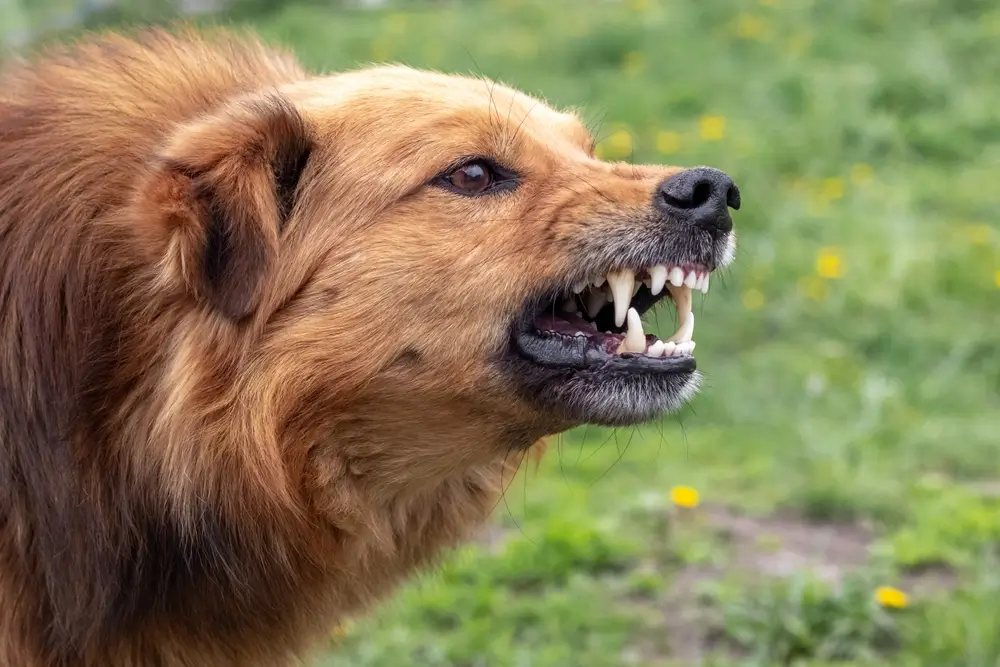
Yes, gut health directly affects dog behaviour. The gut microbiome produces neuroactive compounds, regulates stress hormones, and communicates in real time with the brain through the gut-brain axis, influencing reactivity, anxiety, and aggression.
You have tried training. You have tried management. You have consulted a behaviourist. And yet your dog continues to react, startle, lunge, or snap in ways that feel disproportionate, unpredictable, or simply impossible to explain through experience alone. For a growing number of dogs, the missing piece of that puzzle is not in the mind. It is in the gut.
Over the past decade, research into the canine microbiome has consistently pointed toward the same conclusion: the trillions of microorganisms living in your dog’s digestive tract are not passive bystanders. They actively produce neuroactive compounds, regulate inflammatory pathways, modulate stress hormones, and communicate in real time with the brain. When that microbial community is disrupted, the consequences extend far beyond loose stools or a sensitive stomach. They can reshape how a dog perceives threat, how quickly arousal escalates, and how difficult it becomes to return to calm.
This article is for owners who suspect there is a physiological dimension to their dog’s behaviour that has not yet been explored. It covers the evidence linking gut dysbiosis to reactivity, anxiety, and aggression in dogs, the mechanisms that drive those connections, and what current nutritional science suggests about addressing them.
For a comprehensive evidence-based overview of the canine gut microbiome, what disrupts it, and the full range of dietary and nutritional strategies available to restore it, see our complete guide: Dog Gut Health: Their Most Important Health Asset
Key Takeaways
- The communicates directly with the brain via the gut-brain axis, producing and modulating neurotransmitters, inflammatory signals, and stress hormones that shape behaviour.
- Gut dysbiosis drives neuroinflammation via LPS translocation, disrupts serotonin and GABA production, activates the kynurenine pathway, and dysregulates HPA axis reactivity.
- Canine aggression has been directly associated with specific microbiome signatures, including depleted Blautia and Lactobacillus species, in peer-reviewed research.
- Dogs displaying reactivity, anxiety, or aggression alongside digestive symptoms, or following antibiotic treatment or dietary disruption, may have a gut-behaviour component worth addressing.
- The gut-behaviour relationship is bidirectional. Chronic stress worsens dysbiosis. Dysbiosis amplifies stress reactivity. Effective intervention addresses both simultaneously.
- Dietary fibre diversity, targeted prebiotics and probiotics, adequate tryptophan, and anti-inflammatory fatty acids are the core nutritional levers for gut-behaviour support.
- Nutritional gut support works most effectively alongside, not instead of, qualified behavioural assessment and intervention.
In This Guide:
- Key takeaways
- The gut-brain axis: the communication highway between gut and behaviour
- What gut dysbiosis actually does to the brain
- The microbiome and serotonin: why most of your dog’s calm comes from the gut
- The kynurenine pathway: when tryptophan goes the wrong way
- Gut dysbiosis and canine aggression: what the research shows
- Recognising a gut-behaviour connection in your dog
- What diet and nutrition can do
- How Bonza approaches gut-behaviour support
- The bidirectional loop: why stress makes dysbiosis worse
- Frequently asked questions
The Gut-Brain Axis: The Communication Highway Between Gut and Behaviour
The gut-brain axis is a bidirectional communication network connecting the gastrointestinal tract to the central nervous system. It operates across four primary channels: the vagus nerve, the enteric nervous system (sometimes called the second brain), the immune system, and the systemic circulation of microbial metabolites and signalling molecules.
What makes this network remarkable is that the communication is not one-directional. The brain does not simply send instructions to the gut. The gut sends a continuous stream of signals back to the brain, and a significant proportion of those signals originate from the microbiome itself. Specific bacterial species produce or stimulate the production of neurotransmitters, neuropeptides, and short-chain fatty acids (SCFAs) that influence mood, arousal, fear responses, and cognitive function.¹
In dogs, the enteric nervous system contains an estimated 200 to 600 million neurons, comparable in complexity to the spinal cord. This is not an incidental arrangement. Evolutionary biology has consistently preserved the gut-brain connection across mammalian species because gut status is critical information for survival. A gut under microbial siege is a gut that signals threat. And a brain that receives those signals interprets the world accordingly.
For a deep exploration of the neurological mechanisms underpinning this network, see our dedicated article on the gut-brain axis in dogs. This article focuses specifically on what happens when the gut microbiome is disrupted and how that disruption manifests in behaviour.
What Gut Dysbiosis Actually Does to the Brain
Dysbiosis refers to a state of microbial imbalance in the gut: a reduction in beneficial bacteria, a loss of species diversity, and the proliferation of potentially pathogenic or inflammatory taxa. Common causes in dogs include antibiotic exposure, ultra-processed diets low in fermentable fibre, chronic psychological stress, environmental toxins, and repeated gastrointestinal infections.
When dysbiosis develops, three interconnected mechanisms drive changes in the brain.
Increased intestinal permeability and neuroinflammation
A diverse and balanced microbiome maintains the integrity of the gut epithelial lining through the production of SCFAs, particularly butyrate, which fuel the colonocytes that form the gut wall. When beneficial bacteria decline and butyrate production falls, tight junction proteins between epithelial cells are degraded. The gut becomes permeable.
One of the most significant consequences of this permeability is the translocation of lipopolysaccharide (LPS), an endotoxin released from the outer membrane of gram-negative bacteria, into systemic circulation. LPS is a potent activator of the innate immune system. In the circulation, it binds to toll-like receptor 4 (TLR4) on immune cells, triggering the release of pro-inflammatory cytokines including tumour necrosis factor alpha (TNF-alpha), interleukin-1 beta (IL-1beta), and interleukin-6 (IL-6).²
These cytokines cross the blood-brain barrier through multiple routes: active transport, circumventricular organs with a reduced barrier, and direct vagal nerve signalling. Once inside the brain, they activate microglia, the brain’s resident immune cells, producing a state of neuroinflammation.
Neuroinflammation is not a subtle process. It alters synaptic transmission, disrupts prefrontal cortical function, amplifies amygdala reactivity, and reduces the inhibitory control the prefrontal cortex normally exerts over threat responses. In practical terms, this means a dog in a neuroinflammatory state is operating with a sensitised threat-detection system and a reduced capacity to appraise, contextualise, and inhibit fear or aggression responses.³
Disrupted neurotransmitter production
The gut microbiome contributes directly to the synthesis of the neurotransmitters that regulate emotional state. Specific bacterial species produce GABA (gamma-aminobutyric acid), the brain’s primary inhibitory neurotransmitter, or stimulate its production in enteric neurons. Lactobacillus and Bifidobacterium strains are the best evidenced producers.⁴ Other species produce dopamine precursors and modulate glutamate signalling. When the microbial populations responsible for these functions are depleted by dysbiosis, the neurochemical substrate for calm and inhibitory control is eroded.
Dysregulated HPA axis activity
The hypothalamic-pituitary-adrenal (HPA) axis governs the stress response, orchestrating the release of corticosterone (the primary glucocorticoid in dogs) in response to perceived threat. Mounting evidence indicates that gut microbiome composition modulates HPA axis reactivity.
Foundational rodent studies demonstrated that germ-free animals exhibit exaggerated HPA axis responses to acute stress compared to colonised controls, and that colonisation with specific Lactobacillus strains normalises this reactivity.⁵ While direct canine-specific HPA-microbiome research remains limited, the conserved neurobiological architecture across mammalian species makes these findings mechanistically plausible in dogs.
A dog with chronic dysbiosis may therefore be maintaining an elevated stress baseline. Their HPA axis is primed. What would register as a manageable challenge for a dog with a healthy microbiome becomes overwhelming for one whose stress regulatory system is perpetually sensitised from within.
The Microbiome and Serotonin: Why Most of Your Dog’s Calm Comes from the Gut
Serotonin is perhaps the neurotransmitter most closely associated in popular understanding with mood and wellbeing. What is less widely appreciated is that approximately 90 per cent of the body’s serotonin is produced not in the brain, but in the gut, specifically by enterochromaffin cells in the gut lining. And the production of that gut-derived serotonin is directly regulated by the microbiome.
Certain gut bacteria, including spore-forming bacteria from the Clostridia class, stimulate enterochromaffin cells to synthesise serotonin from dietary tryptophan.⁶ Lactobacillus and Bifidobacterium species modulate tryptophan availability and serotonin receptor sensitivity. When these populations are reduced by dysbiosis, serotonin production in the gut is compromised.
While gut-derived serotonin does not cross the blood-brain barrier directly, it serves multiple functions relevant to behaviour. It regulates gut motility, activates vagal afferent fibres that carry signals to the brainstem and limbic system, and modulates the enteric immune response. The vagal signalling pathway in particular is significant: gut-produced serotonin activates vagal afferents that project to regions of the brain involved in emotional processing, including the nucleus tractus solitarius, the raphe nuclei (which govern central serotonin synthesis), and the limbic system.
What this means practically is that a depleted gut serotonin system does not simply affect digestion. It reduces the tonic inhibitory and calming signals reaching the brain, contributing to the heightened baseline arousal that owners often describe in reactive dogs as an inability to settle, a hair-trigger response to stimuli, or an animal that simply cannot come down from a state of alertness.
Studies examining dogs with chronic anxiety and stress-related conditions have found reduced abundances of Lactobacillus species and lower overall microbial diversity compared to calmer counterparts, consistent with the predicted effects on serotonin-related microbial activity.⁷
The Kynurenine Pathway: When Tryptophan Goes the Wrong Way
Tryptophan, the amino acid from which serotonin is synthesised, has an alternative metabolic fate that becomes increasingly relevant under conditions of gut dysbiosis and systemic inflammation. When inflammatory cytokines are elevated, the enzyme indoleamine 2,3-dioxygenase (IDO) is upregulated, diverting tryptophan away from the serotonin synthesis pathway and towards the kynurenine pathway instead.⁸
This diversion has two important consequences. First, less tryptophan is available for serotonin production, compounding the deficit already created by dysbiotic depletion of serotonin-stimulating bacteria. Second, the kynurenine pathway generates a cascade of downstream metabolites, several of which are neuroactive.
Of particular relevance is quinolinic acid, a kynurenine pathway metabolite with pronounced neuroexcitatory and neurotoxic properties. Quinolinic acid is an N-methyl-D-aspartate (NMDA) receptor agonist. Elevated NMDA receptor activation has been associated with anxiety, hyperarousal, and depressive phenotypes in animal models.⁸ The kynurenine pathway therefore represents a second mechanism by which gut dysbiosis, operating through systemic inflammation, can directly alter the neurochemical environment in ways that manifest as behavioural disruption.
This pathway is less commonly discussed in the context of canine behaviour but represents one of the more mechanistically compelling links between gut health and behavioural disorders, particularly those characterised by hyperarousal, fear generalisation, and aggression.
Gut Dysbiosis and Canine Aggression: What the Research Shows
The suggestion that aggression might have a gut component will strike some owners and clinicians as counterintuitive. Aggression is typically framed as a training problem, a socialisation deficit, a breed characteristic, or a response to trauma. These factors are real and should not be dismissed. But they do not explain all cases, and for a subset of dogs whose aggression is disproportionate, unpredictable, or resistant to behavioural intervention, the gut warrants serious investigation.
The most direct evidence comes from a study by Kirchoff, Udell, and Sharpton, published in NPJ Biofilms and Microbiomes in 2019.⁹ The researchers compared the gut microbiome composition of aggressive dogs (defined as those with a documented history of conspecific aggression) with non-aggressive controls. Aggressive dogs showed significantly different microbiome profiles, including lower abundances of Blautia species and Lactobacillus, and elevated representation of taxa associated with inflammatory gut environments. The authors proposed that altered microbial populations contribute to a neuroinflammatory state that underpins exaggerated threat responses in these animals.
Blautia deserves particular attention here. This genus of commensal bacteria, typically abundant in healthy canine guts, produces acetate and contributes to butyrate production through cross-feeding relationships with other species. Reduced Blautia is a marker of compromised gut homeostasis and reduced SCFA output. Lower butyrate means reduced epithelial integrity, greater LPS translocation, and the neuroinflammatory cascade described earlier. The Kirchoff findings therefore align mechanistically with everything we understand about how dysbiosis influences brain function.
Additional support comes from comparative research in humans and other mammals examining the relationship between gut microbiome composition and aggression-related phenotypes. Consistent patterns emerge: reduced microbial diversity, lower Lactobacillus and Bifidobacterium counts, and elevated inflammatory markers correlate with heightened aggression and impaired impulse control across species.³ The convergent evidence across species strengthens the biological plausibility of the gut-aggression link in dogs.
It is worth being clear about what this evidence does and does not establish. It demonstrates an association between certain microbiome signatures and aggressive behaviour. It does not prove that fixing the gut will eliminate aggression. Causality is difficult to establish in this field, and the research population in the Kirchoff study was small. What it does strongly suggest is that the gut is a legitimate biological variable in canine aggression that has been largely absent from clinical and owner-level conversations. For dogs whose aggression does not have an obvious environmental explanation, that absence is significant.
Corroborating evidence comes from Mondo et al., who examined gut microbiome profiles alongside adrenocortical activity in dogs with aggressive and phobic disorders.⁷ Their findings demonstrated that dogs with these behavioural presentations showed distinct microbiome signatures compared to controls, with altered corticosteroid metabolite profiles suggesting dysregulated HPA axis activity. This is particularly significant because it connects microbiome composition not just to the presence of aggressive behaviour, but to the underlying hormonal stress dysregulation that drives it, providing a biological mechanism that bridges the gut findings in the Kirchoff study with the HPA axis pathway described earlier in this article.
Breed considerations
Several breeds with documented predispositions to anxiety-related or impulsive aggression also show patterns of gastrointestinal sensitivity that may be relevant. Cocker Spaniels, German Shepherds, Border Collies, and Belgian Malinois are among those where the intersection of gut sensitivity and behavioural intensity has been observed clinically. Breed-specific microbiome research in dogs remains limited, but the overlap between breeds known for digestive sensitivity and breeds represented in aggression-related behaviour consultations is a pattern that merits further investigation.
Recognising a Gut-Behaviour Connection in Your Dog
There is no single diagnostic marker that confirms a gut-behaviour connection. What owners and clinicians can look for is a pattern, particularly when behavioural symptoms appear alongside digestive irregularities or following events known to disrupt the microbiome.
The most telling scenarios are those where a change in gut health precedes or coincides with a change in behaviour. An owner notices that their dog became significantly more reactive following a course of antibiotics. A dog that managed well for years begins to display resource guarding after a prolonged period of stress, dietary disruption, or illness. A puppy whose gut microbiome was compromised in early life by repeated gastrointestinal infections never quite settles into the emotional stability expected of the breed.
The following patterns are worth taking seriously, especially when they occur alongside digestive symptoms such as intermittent loose stools, excessive gas, variable appetite, or visible abdominal discomfort.
Reactivity that escalates disproportionately. The dog responds to familiar, non-threatening stimuli with an intensity that seems neurologically driven rather than learned. The response is fast, difficult to interrupt, and slow to resolve.
Difficulty returning to baseline. After a stressful event, a dog with a healthy stress-regulating system typically recovers within a predictable window. Dogs with dysbiosis-related HPA dysregulation may remain in a state of arousal for hours, affecting every subsequent interaction in that period.
Aggression that lacks clear function. Most canine aggression is communicative and follows a recognisable sequence. Aggression that appears sudden, unpredictable, and disproportionate to the provocation, particularly in dogs without a trauma history, suggests that the threshold for threat appraisal has been pathologically lowered. Neuroinflammation is one mechanism that can produce exactly this picture.
Separation anxiety that is disproportionate or treatment-resistant. Separation anxiety is among the most common behavioural presentations in dogs, and its relationship with gut health is increasingly well-supported. The same HPA axis dysregulation and serotonin deficit produced by gut dysbiosis directly lowers the threshold at which separation triggers an anxiety response. Dogs with a gut-behaviour component to their separation anxiety may show elevated baseline arousal even before departure cues begin, prolonged recovery after reunion, and gastrointestinal symptoms (loose stools, vomiting, reduced appetite) that appear specifically in the context of separation or anticipatory stress. If separation anxiety has been resistant to behavioural and environmental management, assessing gut health as a contributing variable is a clinically reasonable step.
Worsening following antibiotic treatment or dietary change. If a clear behavioural deterioration follows a gut-disrupting event, the temporal relationship is meaningful clinical information.
Improvements in gut health correlating with behavioural improvement. Some owners report, often to their surprise, that addressing a dog’s gastrointestinal condition produces measurable improvements in emotional regulation. This bidirectional observation is consistent with what the science would predict.
None of these patterns is proof. They are indicators. When they are present, the gut deserves to be part of the clinical picture alongside environmental, socialisation, and training assessments.
What Diet and Nutrition Can Do
If gut dysbiosis can drive the neurobiological changes that produce behavioural disruption, then supporting gut health through nutrition is a legitimate component of a comprehensive approach. It is not a substitute for behavioural intervention, and it is not a guarantee of resolution. But for a dog whose behaviour has a gut-mediated component, nutritional support may be the variable that makes other interventions substantially more effective.
Dietary fibre diversity
Microbial diversity, the single most consistent marker of gut health across species, is sustained by the diversity of fermentable substrates available to the microbiome. Highly processed, low-fibre diets provide inadequate substrate for fermentation, leading to the starvation of commensal species, reduced SCFA production, and the gradual narrowing of microbial diversity.
Different fibre types selectively support different microbial communities. Inulin-type fructans from chicory root are among the most extensively researched prebiotics in companion animal nutrition, demonstrating consistent support for Bifidobacterium, Lactobacillus, and Faecalibacterium prausnitzii, a butyrate producer with notable anti-inflammatory properties.¹⁰ Pectin, particularly from apple sources, supports mucus layer production and epithelial integrity. Resistant starch, from sources such as potato or green banana, provides a substrate that reaches the distal colon, supporting the production of butyrate in regions most relevant to gut barrier function.
A diet providing a diverse spectrum of these fibre types creates the conditions for a resilient, diverse, and anti-inflammatory microbial community.
Tryptophan availability
Given the role of tryptophan in serotonin synthesis, and the competition for tryptophan from the kynurenine pathway under inflammatory conditions, dietary tryptophan levels matter. Diets providing adequate tryptophan from high-quality protein sources support serotonin production, particularly when combined with the gut microbiome conditions that direct tryptophan towards the serotonin pathway rather than the kynurenine pathway.
Probiotics and the GABA-Lactobacillus connection
Specific probiotic strains have demonstrated direct effects on anxiety and stress responses in mammalian models. Lactobacillus rhamnosus JB-1, in a widely cited murine study, reduced anxiety-related behaviour and altered GABA receptor expression in a vagus nerve-dependent manner.⁴ While strain-specific effects vary and direct canine replication of this specific finding is limited, the mechanistic pathway is biologically plausible in dogs, and evidence for Lactobacillus-class strains in reducing stress-related behaviours continues to accumulate.
The key principle in probiotic selection for behavioural support is evidence quality: strain specificity matters, and the evidence base for a given strain should be scrutinised carefully.
Omega-3 fatty acids and neuroinflammation
Docosahexaenoic acid (DHA) and eicosapentaenoic acid (EPA) serve as direct precursors to anti-inflammatory lipid mediators that counteract the neuroinflammatory cascade driven by elevated LPS and pro-inflammatory cytokines. DHA in particular is a structural component of neuronal cell membranes and supports synaptic plasticity and the resolution of neuroinflammation. Algae-derived DHA provides a sustainable and bioavailable source that does not carry the heavy metal contamination risks associated with fish oil.
How Bonza Approaches Gut-Behaviour Support
Bonza’s entire product architecture is built around the gut as the central axis of canine health, captured in our core philosophy: One Gut. Whole Dog. This means that gut-behaviour support is not an afterthought in how we formulate, it is the foundation.
Superfoods and Ancient Grains, our complete cold-extruded food, is processed at temperatures below 70 degrees Celsius to preserve the biological activity of heat-sensitive nutrients and to maintain the structural integrity of fermentable fibres. It provides chicory root as a natural source of inulin, alongside baobab and a broad spectrum of plant-based ingredients that collectively support microbial diversity. PhytoPlus, our exclusive botanical blend included in Superfoods and Ancient Grains, supports the immune-regulatory and anti-inflammatory conditions in which a healthy microbiome thrives.
Within the Bioactive Bites supplement range, two products are particularly relevant to gut-behaviour support.
Belly provides a targeted prebiotic and postbiotic formula designed to support gut barrier integrity and reduce intestinal permeability. Addressing barrier dysfunction is upstream of the LPS-driven neuroinflammatory cascade described in this article.
Biotics provides our Biotics Triad: prebiotics, probiotics (including Calsporin, Bacillus velezensis DSM 15544, one of the most rigorously evidenced canine probiotic strains available), and postbiotics. The triad approach supports not just microbial seeding but the conditions for sustained colonisation and fermentation activity.
For dogs where the gut-behaviour connection is more pronounced, Bonza’s Bliss supplement is specifically formulated to support calm and reduce anxiety.
The formulation includes L-tryptophan to support serotonin synthesis, magnesium glycinate for nervous system regulation, and Lactobacillus helveticus ha-122, a probiotic strain with relevance to stress-axis modulation via the gut-brain axis.
Bliss also incorporates algae-derived DHA alongside a botanical complex of passionflower (Passiflora incarnata), lemon balm (Melissa officinalis), green tea (Camellia sinensis), and ashwagandha, all of which have established roles in supporting calm behaviour and stress resilience.
Bliss is designed to work alongside Bonza’s plant-based food, addressing both the gut-behaviour axis and the broader neurochemical environment that shapes how a dog responds to stress.
For dogs displaying behaviour with a possible gut component, we would always recommend a foundation of nutritional gut support running in parallel with, not instead of, a qualified behavioural assessment and intervention programme.
For a full explanation of the three-layer prebiotic, probiotic and postbiotic framework that underpins these recommendations, see Gut Health Supplements for Dogs: Why Probiotics Alone Are Not Enough.
The Bidirectional Loop: Why Stress Makes Dysbiosis Worse
One of the most clinically important aspects of the gut-behaviour relationship is that it runs in both directions, and it can become self-reinforcing.
Chronic psychological stress activates the HPA axis and the sympathetic nervous system. Sustained corticosterone and catecholamine elevation alter gut motility, increase intestinal permeability, shift immune function in the gut mucosa, and alter the composition of the gut microbiome directly, by changing the gut environment in which bacteria compete.¹¹ A dog under chronic behavioural stress, whether from an unsuitable living environment, an unaddressed fear, or an unresolved social conflict, is actively damaging their own gut microbiome. That damage then feeds back into the neurobiological state that makes the behavioural problem worse.
This loop has a practical implication that owners sometimes find frustrating to hear: improving nutrition will be harder to maintain as long as the source of chronic stress is unaddressed. And behavioural intervention will be harder to sustain while the gut is in a state of active dysbiosis that neurobiologically undermines emotional regulation.
The most effective approach addresses both simultaneously. Nutritional gut support reduces the physiological burden. Behavioural and environmental intervention reduces the stress load that undermines microbiome recovery. Neither alone is as effective as both together.
Frequently Asked Questions
For dogs whose aggression has a gut-mediated neurobiological component, addressing dysbiosis can reduce the physiological burden that lowers the threshold for aggressive responses. This does not mean gut support alone will resolve aggression. The evidence supports gut health as a contributing factor in some cases, not as the sole explanation. Always work with a qualified behaviourist alongside nutritional support.
Microbiome changes from dietary intervention and probiotic supplementation typically begin within two to four weeks, but meaningful shifts in microbial community structure and SCFA output can take three to six months of consistent support. Behavioural changes, if gut-mediated, tend to follow microbiome improvements rather than precede them.
Antibiotics are among the most potent disruptors of the gut microbiome, reducing microbial diversity rapidly and sometimes causing shifts that persist for months. If you noticed a behavioural change following an antibiotic course, the temporal connection is worth raising with both your vet and a canine nutritionist.
Breed affects gut microbiome composition to a degree. Some breeds have documented tendencies toward both gastrointestinal sensitivity and behavioural intensity, and the intersection of those two characteristics may be relevant. Research in this area is still developing.
Yes, and arguably most important during early development. The microbiome is established and diversified during the first months of life, a period that also corresponds to the critical window for emotional and behavioural development. Early gut support during this phase may have lasting benefits for neurological and behavioural resilience.
No. These approaches work together. Behavioural training, particularly positive reinforcement-based approaches, reshapes learned associations and provides the dog with skills and confidence. Gut support reduces the neurobiological state of threat hyperreactivity that makes those associations harder to form and maintain. The combination is consistently more effective than either alone.
References
- Cryan JF, O’Riordan KJ, Cowan CSM, et al. The Microbiota-Gut-Brain Axis. Physiol Rev. 2019;99(4):1877-2013. doi: 10.1152/physrev.00018.2018. PMID: 31460832.
- Pilla R, Suchodolski JS. The Role of the Canine Gut Microbiome and Metabolome in Health and Gastrointestinal Disease. Front Vet Sci. 2020;6:498. doi: 10.3389/fvets.2019.00498. PMID: 31993446. PMC: PMC6962170.
- Mayer EA, Tillisch K, Gupta A. Gut/Brain Axis and the Microbiota. J Clin Invest. 2015;125(3):926-938. doi: 10.1172/JCI76304. PMID: 25689247. PMC: PMC4362231.
- Bravo JA, Forsythe P, Chew MV, et al. Ingestion of Lactobacillus strain regulates emotional behavior and central GABA receptor expression in a mouse via the vagus nerve. Proc Natl Acad Sci USA. 2011;108(38):16050-16055. doi: 10.1073/pnas.1102999108. PMID: 21876150. PMC: PMC3179073.
- Sudo N, Chida Y, Aiba Y, et al. Postnatal microbial colonization programs the hypothalamic-pituitary-adrenal system for stress response in mice. J Physiol. 2004;558(Pt 1):263-275. doi: 10.1113/jphysiol.2004.063388. PMID: 15133062. PMC: PMC1664925.
- Yano JM, Yu K, Donaldson GP, et al. Indigenous bacteria from the gut microbiota regulate host serotonin biosynthesis. Cell. 2015;161(2):264-276. doi: 10.1016/j.cell.2015.02.047. PMID: 25860609. PMC: PMC4393509.
- Mondo E, Barone M, Soverini M, et al. Gut microbiome structure and adrenocortical activity in dogs with aggressive and phobic behavioral disorders. Heliyon. 2020;6(1):e03311. doi: 10.1016/j.heliyon.2020.e03311. PMID: 32021942. PMC: PMC6994244.
- Kennedy PJ, Cryan JF, Dinan TG, Clarke G. Kynurenine pathway metabolism and the microbiota-gut-brain axis. Neuropharmacology. 2017;112(Pt B):399-412. doi: 10.1016/j.neuropharm.2016.07.002. PMID: 27392632.
- Kirchoff NS, Udell MAR, Sharpton TJ. The gut microbiome correlates with conspecific aggression in a small population of rescued dogs (Canis familiaris). PeerJ. 2019;7:e6103. doi: 10.7717/peerj.6103. PMID: 30643689. PMC: PMC6327890.
- Re S, Zanoletti M, Emanuele E. Aggressive dogs are characterized by low omega-3 polyunsaturated fatty acid status. Vet Res Commun. 2008;32(3):225-230. doi: 10.1007/s11259-007-9021-y. PMID: 17891468.
- Foster JA, Rinaman L, Cryan JF. Stress & the gut-brain axis: Regulation by the microbiome. Neurobiol Stress. 2017;7:124-136. doi: 10.1016/j.ynstr.2017.03.001. PMID: 29276734. PMC: PMC5736941.
Editorial Information
| Field | Detail |
|---|---|
| Published | March 2026 |
| Last Updated | March 2026 – see editorial notes for revision history |
| Reviewed by | Veterinary Advisory Board |
| Next Review | March 2027 |
| Author | Glendon Lloyd, Dip. Canine Nutrition (Dist.), Dip. Dog Nutrigenomics (Dist.), Founder, Bonza |
| Disclaimer | This article is for informational purposes only and does not constitute veterinary advice. Always consult a qualified veterinarian before making changes to your dog’s diet or supplement regimen. |