

Summary
This canine gut microbiome glossary defines over 40 key scientific terms in plain language for dog owners, veterinary professionals, and anyone navigating the rapidly growing field of canine gut health. From foundational concepts such as microbiome and eubiosis to specific organisms, mechanisms, and diagnostic methods, each entry includes a clear definition, its biological significance for dogs, and where relevant, links to in-depth Bonza articles. Whether you have encountered these terms in a research paper, on a supplement label, or in conversation with your vet, this reference guide provides the scientific context needed to make confident, informed decisions about your dog’s gut health. This glossary is updated regularly as the science evolves.
Introduction
The science of canine gut health has accelerated dramatically over the past decade. What was once a niche area of veterinary research is now one of the most active fields in animal nutrition, with studies linking the gut microbiome to immunity, behaviour, joint health, skin condition, longevity, and more.
For dog owners, this is genuinely exciting. But it has also introduced a vocabulary that can feel impenetrable: dysbiosis, SCFAs, tight junctions, 16S sequencing, Akkermansia. These terms appear increasingly in veterinary journals, supplement marketing, and gut health testing apps, often without adequate explanation.
This glossary exists to change that. Every entry is written to be accurate enough for a clinician and clear enough for a curious dog owner. Each definition explains not just what a term means, but why it matters for your dog’s health.
Key Takeaways
- The gut microbiome is a dynamic ecosystem of trillions of microorganisms that influence almost every system in your dog’s body
- Eubiosis (a balanced microbiome) and dysbiosis (an imbalanced one) are the two poles that determine gut health outcomes
- Short-chain fatty acids (SCFAs), produced by microbial fermentation of dietary fibre, are among the most important molecules in canine health
- Prebiotics, probiotics, postbiotics, and synbiotics each act through distinct mechanisms and serve different functional roles
- Microbial diversity, measured as alpha and beta diversity, is one of the most reliable indicators of gut health status
- The gut-organ axes framework demonstrates that the microbiome communicates with the brain, joints, skin, immune system, heart, liver, and more
In This Guide:
- Canine Gut Microbiome Terms: A-F
- Canine Gut Microbiome Terms: G-M
- Canine Gut Microbiome Terms: N-S
- Canine Gut Microbiome Terms: T-Z
- Frequently Asked Questions
- Conclusion
Canine Gut Microbiome Terms: A-F
Akkermansia muciniphila
A gram-negative bacterium that colonises the mucus layer lining the gut wall. Akkermansia muciniphila is considered a keystone species in gut health research: it feeds on mucin (the primary component of intestinal mucus) and in doing so stimulates the host to produce more mucus, reinforcing the protective gut barrier. Higher abundance of Akkermansia is consistently associated with lower intestinal permeability, better metabolic health, and reduced systemic inflammation in both human and canine studies.¹ Abundance declines with age, antibiotic use, and low-fibre diets. Prebiotic supplementation, particularly with inulin and resistant starch, is among the most reliable dietary strategies for supporting Akkermansia populations. See also: [Intestinal Permeability], [Mucin], [Inulin].
Alpha Diversity
A measure of microbial diversity within a single sample, typically expressed as the number of different species present (richness) and how evenly they are distributed (evenness). High alpha diversity is generally associated with a resilient, healthy gut microbiome capable of resisting disruption and recovering from perturbation. Low alpha diversity – fewer species, or a microbiome dominated by one or two taxa – is a hallmark of dysbiosis and has been associated with increased susceptibility to gastrointestinal disease, inflammation, and immune dysfunction in dogs.² Alpha diversity is assessed via [16S rRNA Sequencing] or [Metagenomics]. See also: [Beta Diversity], [Dysbiosis].
Archaea
A domain of single-celled microorganisms distinct from bacteria. In the canine gut, archaea are present in smaller numbers than bacteria but play functional roles in microbial metabolism. Methanogenic archaea (methanogens) are among the best characterised, consuming hydrogen produced by other microbes during [Colonic Fermentation] and influencing the efficiency of energy extraction from food. Their role in canine gut health is an emerging research area distinct from, but complementary to, the bacterial microbiome. See also: [Microbiota], [Gut Microbiome].
Bacteriophage
Viruses that infect and replicate within bacteria. Bacteriophages (phages) are among the most numerous entities in the gut and form part of the virome – the viral component of the gut microbiome. They shape bacterial community composition by selectively lysing (destroying) specific bacterial populations, creating a constant predator-prey dynamic that influences microbiome diversity. The canine gut virome is poorly characterised compared to the bacterial microbiome, but emerging research suggests phages play a significant regulatory role in microbiome stability and resilience. See also: [Gut Microbiome], [Microbiota].
Bacteroidetes
One of the two dominant phyla (major taxonomic groups) in the canine gut microbiome, alongside [Firmicutes]. Bacteroidetes includes genera such as Bacteroides and Prevotella, primarily involved in the fermentation of complex carbohydrates and the production of [SCFAs], particularly propionate and acetate. The relative proportion of Bacteroidetes compared to Firmicutes – the [Firmicutes:Bacteroidetes Ratio] – is one of the most commonly referenced indicators of microbiome health, though its interpretation requires nuance beyond a simple high/low reading.
Beta Diversity
A measure of microbial diversity between samples – typically between different dogs, or in the same dog at different time points or under different dietary conditions. High beta diversity between two samples indicates their microbiomes are compositionally distinct. Beta diversity analysis is used in research to assess how diet, disease, geography, or age affects microbiome composition across a population. In an individual dog, a significant shift in beta diversity over time may signal a clinically meaningful change in gut health status. See also: [Alpha Diversity], [16S rRNA Sequencing].
Beta-Glucans
A class of polysaccharides composed of glucose monomers linked through beta-glycosidic bonds, with structural and functional properties that vary considerably by source. The two beta-glucan types most relevant in canine nutrition are the (1→3),(1→4)-beta-glucans found in oats and barley, which act primarily as fermentable [Prebiotics] supporting [SCFA] production, and the (1→3),(1→6)-beta-glucans found in yeast cell walls (notably Saccharomyces cerevisiae and the Biolex® MB40 fraction used in Bonza formulations) and medicinal mushrooms, which act primarily as [Immunomodulatory] agents via the dectin-1 receptor on macrophages and dendritic cells. Beta-glucans bridge the prebiotic and immunomodulatory categories: they are among the few ingredient classes with documented dual action across both mechanisms, which is why they appear in trained immunity literature alongside conventional prebiotic research. See: [MOS], [Postbiotics], Best Prebiotics for Dogs.
Bifidobacterium
A genus of gram-positive bacteria among the most studied and clinically significant in canine gut health. Bifidobacterium species are obligate anaerobes primarily found in the colon, where they ferment non-digestible carbohydrates (particularly [Inulin], [FOS], and [Resistant Starch]) to produce SCFAs including acetate and lactate. They are strongly associated with gut barrier integrity, immune modulation, and resistance to pathogen colonisation. Bifidobacterium abundance decreases with age and following antibiotic treatment, and is supported through prebiotic supplementation. See: Best Prebiotics for Dogs, Best Probiotics for Dogs.
Butyrate
A [short-chain fatty acid] produced primarily by Firmicutes bacteria (including [Faecalibacterium prausnitzii] and Roseburia) during the fermentation of dietary fibre in the colon. Butyrate is the primary energy source for colonocytes (the cells lining the colon wall), and adequate butyrate production is essential for maintaining mucosal integrity and preventing [intestinal permeability]. Beyond the gut, butyrate has systemic anti-inflammatory effects: it inhibits NF-kB signalling, reduces pro-inflammatory cytokine production, and supports regulatory T-cell function. Butyrate production is closely linked to fermentable fibre intake, particularly from chicory root, inulin, and resistant starch. See: Gut-Immune Axis, [SCFAs].
Butyrogenic
Describing dietary substrates and microbial communities that increase the production of [Butyrate] in the colon. Butyrogenic foods include fermentable dietary fibres such as [Inulin], [FOS], [Resistant Starch], pectin, and the beta-glucans found in oats, alongside microbial cross-feeding networks that convert lactate and acetate into butyrate. The clinical importance of butyrogenic interventions is direct: butyrate is the primary energy source for colonocytes, the principal regulator of [Tight Junction] integrity, and a potent endogenous anti-inflammatory. Increasing the butyrogenic capacity of a dog’s diet is among the most evidence-supported nutritional strategies in modern canine gut health. See: [Butyrate], [SCFAs], [Inulin], [Resistant Starch], Best Prebiotics for Dogs.
Colonic Fermentation
The microbial process by which non-digestible dietary substrates (primarily fibre, resistant starch, and some proteins) are broken down by bacteria in the large intestine (colon). Fermentation produces [SCFAs], gases (hydrogen, methane, carbon dioxide), and a range of bioactive metabolites including indoles and phenols. The nature and extent of fermentation depends on the type and quantity of substrates available, the composition of the microbial community, and gut transit time. Optimising colonic fermentation through targeted dietary fibre provision is one of the most evidence-based strategies for supporting canine gut health. See: Best Prebiotics for Dogs.
Colonocyte
The epithelial cells lining the colon (large intestine), forming the single-cell-thick barrier between gut lumen contents and the underlying tissue and circulation. Colonocytes are unusual among the body’s cells in that their preferred energy source is not glucose but [Butyrate], which they extract directly from the lumen and oxidise via beta-oxidation to fuel their high turnover rate. This metabolic dependence on a microbial product is a defining feature of the gut-microbiome relationship: colonocytes essentially outsource their fuel supply to the bacterial community. When [Butyrogenic] capacity is compromised through dysbiosis, low fibre intake, or antibiotic disruption, colonocyte energy supply suffers, [Tight Junction] integrity weakens, and [Intestinal Permeability] rises. Adequate butyrate supply is therefore foundational to gut barrier function. See: [Butyrate], [Tight Junctions], [SCFAs], [Leaky Gut].
Cross-Feeding
The microbial process by which the metabolic by-products of one bacterial species serve as the substrate for another. Cross-feeding networks are central to how the gut microbiome functions as an integrated ecosystem rather than a collection of independent organisms. The most clinically significant example is the lactate-and-acetate-to-butyrate pathway: Bifidobacterium and Lactobacillus species ferment dietary fibres to produce lactate and acetate; cross-feeding bacteria including Roseburia, Eubacterium hallii, and Anaerobutyricum hallii consume those by-products and convert them to [Butyrate]. This explains why probiotic strains that do not themselves produce butyrate can still raise butyrate levels via the bacteria they support. Cross-feeding also underpins the rationale for [Synbiotic] formulations: a prebiotic substrate that feeds primary fermenters indirectly fuels the secondary fermenters whose end-products carry the dominant clinical effect. See: [Butyrate], [Butyrogenic], [Synbiotics], [SCFAs].
Dysbiosis
An imbalance in the composition, diversity, or function of the gut microbiome, characterised by a reduction in beneficial microbial species, an overgrowth of potentially harmful bacteria, and a decline in overall diversity. Dysbiosis disrupts fermentation, impairs SCFA production, compromises the gut barrier, and dysregulates immune signalling. In dogs, it has been associated with chronic gastrointestinal disease, allergic skin conditions, anxiety and behavioural issues, joint inflammation, and poor metabolic health.³ Common triggers include antibiotic use, dietary change, stress, infection, and prolonged consumption of ultra-processed food. Dysbiosis exists on a spectrum from mild, transient disruption to severe microbiome collapse. See: Gut Dysbiosis in Dogs, [Eubiosis].
Enteric Nervous System (ENS)
Often described as the “second brain,” the enteric nervous system is a network of approximately 500 million neurons embedded in the gastrointestinal tract wall. It operates semi-independently of the central nervous system, regulating gut motility, secretion, and blood flow. The ENS communicates bidirectionally with the brain via the vagus nerve – a key pathway in the [Gut-Brain Axis] – and is profoundly influenced by the gut microbiome. Microbial metabolites including SCFAs and neurotransmitter precursors such as tryptophan directly modulate ENS function, linking diet and gut bacteria to mood, stress response, and behaviour in dogs. See: Gut-Brain Axis.
Eubiosis
The state of microbial balance characterised by high diversity, appropriate species composition, and a functional symbiotic relationship between the microbiome and the host. In eubiosis, beneficial microorganisms dominate, SCFA production is optimal, the gut barrier is intact, and immune signalling is appropriately calibrated. Eubiosis is the target state for gut health interventions and represents the healthy opposite of [Dysbiosis]. It is maintained through adequate dietary fibre, minimal antibiotic exposure, regular physical activity, and low chronic stress. Eubiosis is not a fixed endpoint but a dynamic equilibrium requiring ongoing nutritional support.
Faecalibacterium prausnitzii
One of the most abundant and clinically significant bacteria in the healthy canine gut. F. prausnitzii is a gram-positive, obligate anaerobe and a primary producer of [butyrate] in the colon. It has potent anti-inflammatory properties, inhibiting NF-kB signalling, suppressing pro-inflammatory cytokines (including IL-8 and TNF-alpha), and supporting regulatory T-cell activity.⁴ Low abundance is consistently associated with inflammatory bowel disease, leaky gut, and systemic inflammation in dogs. It is highly sensitive to antibiotic use and low dietary fibre. Supporting F. prausnitzii through prebiotic and high-fibre nutrition is among the most well-evidenced strategies in canine gut health. See: Gut-Immune Axis, [Leaky Gut].
Firmicutes
One of the two dominant phyla in the canine gut alongside [Bacteroidetes]. Firmicutes includes a wide range of gram-positive bacteria, among them key butyrate producers such as Faecalibacterium prausnitzii, Roseburia, and Clostridium clusters IV and XIVa. While often framed negatively in popular media (elevated Firmicutes is associated with obesity in some human studies), in dogs the relationship is more nuanced: the specific genera within the phylum matter considerably more than the phylum-level reading alone. Firmicutes bacteria are essential contributors to SCFA production and overall fermentative capacity.
Firmicutes:Bacteroidetes Ratio (F:B Ratio)
A metric comparing the relative abundance of the two dominant bacterial phyla in the gut. An elevated F:B ratio (more Firmicutes relative to Bacteroidetes) has been historically associated with obesity and metabolic dysfunction in human research. In dogs, the relationship is considerably less clear: healthy canine gut microbiomes show wide variation in F:B ratio across breeds, ages, and dietary patterns.⁵ Interpreting F:B ratio in isolation is considered a significant oversimplification; genus- and species-level analysis provides a more clinically meaningful picture of gut health status. See also: [Alpha Diversity], [Metagenomics].
Fructooligosaccharides (FOS)
A class of prebiotic dietary fibre consisting of short chains of fructose molecules. FOS occurs naturally in chicory root and Jerusalem artichoke, which are the primary sources in canine nutrition. FOS selectively stimulates the growth of Bifidobacterium and Lactobacillus species in the colon, increases SCFA production (particularly butyrate and propionate), and supports the gut barrier. FOS is one of the most thoroughly researched prebiotics in canine nutrition. See: Best Prebiotics for Dogs, [Inulin].
Canine Gut Microbiome Terms: G-M
Gut-Associated Lymphoid Tissue (GALT)
The largest component of the immune system in the body by mass. GALT is a network of lymphoid structures embedded throughout the gastrointestinal tract, including Peyer’s patches, mesenteric lymph nodes, and intraepithelial lymphocytes. Approximately 70% of the immune system resides in or around the gut, and GALT is the primary site where immune cells are educated to distinguish commensal bacteria (beneficial microbes) from pathogens. The gut microbiome plays a critical role in GALT development and function. See: Gut-Immune Axis, [Toll-Like Receptors].
Gut-Brain Axis
The bidirectional communication network connecting the gut and the central nervous system, operating via the vagus nerve, the [Enteric Nervous System], the immune system, and microbial metabolites. In dogs, the gut microbiome influences brain function and behaviour through multiple pathways: production of neurotransmitter precursors (particularly tryptophan, the precursor to [Serotonin]), synthesis of GABA, modulation of the HPA stress axis, and direct neural signalling. Dysbiosis has been associated with anxiety, hyperreactivity, and cognitive changes in dogs. See: The Gut-Brain Axis in Dogs.
Gut Microbiome
The collective community of microorganisms – bacteria, archaea, fungi, viruses, and protozoa – residing in the gastrointestinal tract, along with their genetic material and metabolic products. The canine gut microbiome contains an estimated 10¹³ microorganisms representing hundreds of species, with the large intestine hosting the greatest microbial density. The microbiome performs essential functions including digestion of dietary fibre, production of B vitamins and vitamin K, immune system education, and protection against pathogen colonisation. Each dog’s microbiome is unique, shaped by genetics, diet, early-life microbial exposure, environment, and medication history. See: The Dog Gut Microbiome: Vital Key to Dog Health.
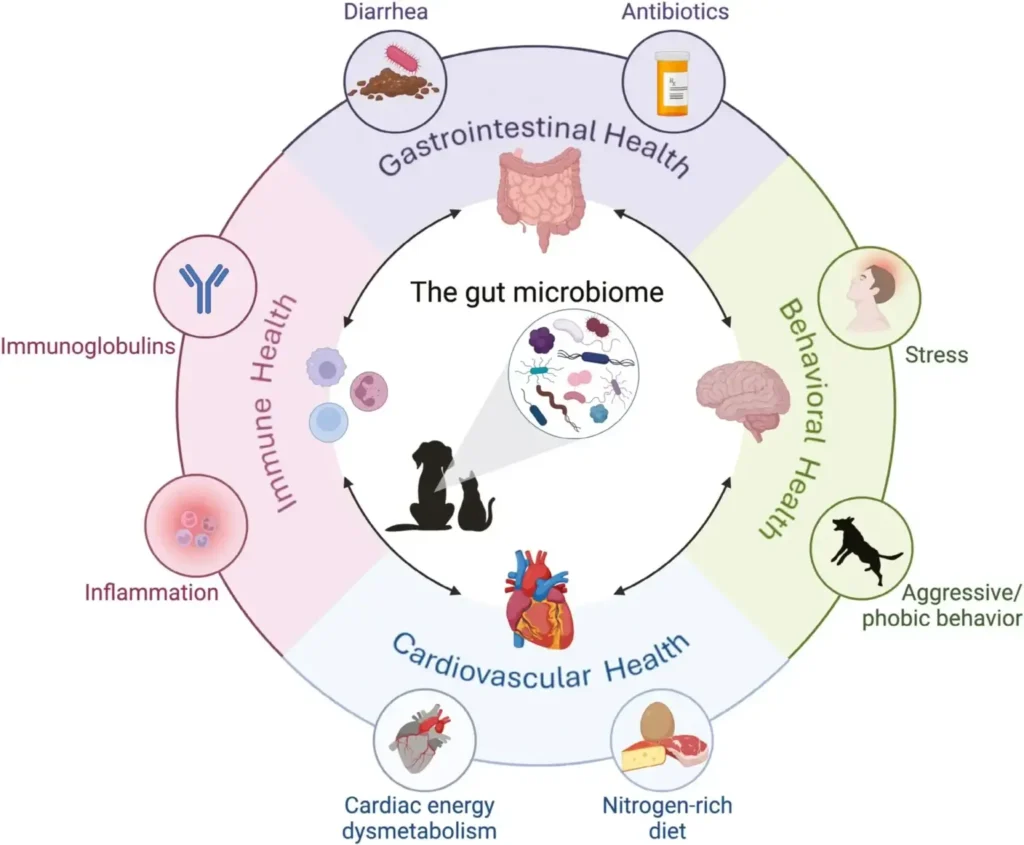
Gut-Organ Axes
A framework describing the bidirectional communication channels between the gut microbiome and other organ systems in the body. Research has identified at least eight clinically relevant gut-organ axes in dogs: the gut-brain, gut-immune, gut-skin, gut-joint, gut-metabolic, gut-heart, gut-liver, and gut-longevity axes. Each axis operates through distinct but overlapping mechanisms including SCFA signalling, immune modulation, microbial metabolite production, and neural pathways. The gut-organ axes framework underpins Bonza’s “One Gut. Whole Dog.” philosophy and reflects the scientific consensus that the microbiome is a central regulator of whole-body health. See: Gut-Organ Axes in Dogs – Significant Health Impacts.
16S rRNA Sequencing
The most widely used method for characterising the bacterial composition of the gut microbiome. 16S rRNA sequencing targets the 16S ribosomal RNA gene, a region present in all bacteria that contains both conserved sequences (enabling universal amplification) and variable regions (enabling species-level identification). By sequencing this gene from a faecal sample, researchers can identify which bacterial taxa are present and in what relative abundance. Commercial canine microbiome testing kits use 16S sequencing. While powerful, it provides relative rather than absolute abundance data and does not capture fungi, viruses, or archaea. See: Dog Gut Microbiome Testing, [Metagenomics].
Inulin
A soluble dietary fibre and one of the most studied prebiotics in canine nutrition. Inulin is a polysaccharide consisting of fructose chains with a terminal glucose molecule. It is found naturally in chicory root (the richest dietary source) and certain other plants. Inulin resists digestion in the small intestine, reaching the colon intact, where it is selectively fermented by Bifidobacterium, Lactobacillus, and Faecalibacterium prausnitzii. Fermentation produces SCFAs (particularly butyrate and propionate) and has been shown to increase Akkermansia muciniphila abundance.⁶ Inulin is included in Bonza food formulations as a primary prebiotic substrate. See: Best Prebiotics for Dogs, [FOS].
Intestinal Permeability
A measure of how readily molecules pass through the epithelial lining of the intestine into the bloodstream. In a healthy gut, the epithelial barrier acts as a selective filter, absorbing nutrients while preventing the translocation of bacterial toxins, undigested food particles, and pathogens into systemic circulation. This selectivity is maintained by [Tight Junction] proteins. When tight junctions are disrupted – through dysbiosis, certain dietary factors, stress, NSAIDs, or pathogen-derived toxins – the barrier becomes compromised, allowing inflammatory molecules to enter the bloodstream and triggering systemic immune activation. Elevated intestinal permeability (commonly referred to as [Leaky Gut]) has been linked to allergies, joint inflammation, and chronic disease in dogs. See: [Leaky Gut in Dogs], Gut-Skin Axis.
Lactobacillus
A large and diverse genus of gram-positive lactic acid bacteria present throughout the canine gastrointestinal tract. Lactobacillus species produce lactic acid and some SCFAs, lower luminal pH to create an inhospitable environment for pathogens, and compete directly with harmful bacteria for adhesion sites on the gut epithelium. They also modulate immune responses via interactions with gut-associated lymphoid tissue. Among the clinically relevant species in dogs are L. acidophilus, L. rhamnosus, and L. helveticus – the latter (strain HA-122) included in Bonza’s Biotics formulation for its documented immune-modulating properties. See: Best Probiotics for Dogs.
Leaky Gut (Intestinal Hyperpermeability)
A colloquial term for a state of elevated [intestinal permeability] in which the tight junctions between intestinal epithelial cells are disrupted, allowing bacteria, bacterial endotoxins (particularly lipopolysaccharide, LPS), undigested food antigens, and other macromolecules to translocate from the gut lumen into the bloodstream. This triggers systemic immune activation and chronic low-grade inflammation. In dogs, leaky gut has been associated with food sensitivities, atopic dermatitis, joint disease, anxiety, and accelerated ageing. It is both a consequence of dysbiosis and a driver of further microbiome disruption, creating a self-reinforcing inflammatory cycle. See: [Tight Junctions], [Zonulin], Gut-Skin Axis, Gut-Immune Axis.
Lipopolysaccharide (LPS)
A large molecule consisting of a lipid component (lipid A) anchored to a polysaccharide chain, present in the outer membrane of gram-negative bacteria. LPS is one of the most potent immune-activating molecules in biology: even minute quantities entering systemic circulation trigger pattern recognition by [Toll-Like Receptors] (specifically TLR4) and provoke a robust pro-inflammatory cytokine response. In a healthy gut, LPS is contained within the lumen by an intact epithelial barrier and the [Mucin] layer. In [Dysbiosis] and [Leaky Gut], LPS translocates into circulation in increased quantities, a state known as metabolic endotoxaemia. Chronic low-grade LPS exposure is now recognised as a unifying mechanism behind a wide range of canine conditions including allergic dermatitis, joint inflammation, metabolic dysfunction, and accelerated cognitive ageing. Reducing LPS load through fibre-driven microbiome rebalancing is one of the most consequential outcomes of effective gut-health nutrition. See: [Tight Junctions], [Leaky Gut], [Toll-Like Receptors], [Intestinal Permeability], Gut-Skin Axis.
Mannan-Oligosaccharides (MOS)
A class of prebiotic derived from the outer cell wall of Saccharomyces cerevisiae (yeast). MOS works primarily through competitive exclusion: pathogenic bacteria such as Salmonella and E. coli possess mannose-binding lectins that attach to mannose residues in the gut epithelium as part of the colonisation process. MOS provides competing binding sites, causing pathogens to adhere to the MOS molecule and be excreted rather than establishing in the gut wall. MOS also modulates immune function via interactions with [Toll-Like Receptors] and supports gut barrier integrity. It is a core prebiotic in Bonza food formulations. See: Best Prebiotics for Dogs.
Metagenomics
A sequencing approach that analyses the total genetic material (DNA) extracted from a sample – such as canine faeces – without prior cultivation of microorganisms. Unlike [16S rRNA Sequencing], which targets a single bacterial gene, shotgun metagenomics sequences all DNA present in the sample, providing information about bacteria, archaea, fungi, viruses, and their functional genes. This enables researchers to assess not just which microorganisms are present, but what metabolic pathways they are capable of expressing. Metagenomics is the gold standard for microbiome characterisation and was the methodology used in the landmark Waltham 2026 Canine Microbiome Catalogue. See: Dog Gut Microbiome Testing, [Waltham Microbiome Project].
Microbiome
The collective term for all microorganisms inhabiting a particular environment – in this context, the gastrointestinal tract – including their genetic material and the functional relationships between them. The term is sometimes used interchangeably with “[Microbiota]” (which refers specifically to the organisms themselves), though strictly, the microbiome encompasses both the organisms and their collective genes. The canine gut microbiome is estimated to contain 30-50 times more microbial genes than the dog’s own genome, making it a functionally profound component of overall physiology. See: The Dog Gut Microbiome: Vital Key to Dog Health.
Microbiota
The specific community of living microorganisms (bacteria, archaea, fungi, viruses, protozoa) that inhabit a given environment such as the gut. The term is distinguished from “[Microbiome]” in that microbiota refers specifically to the organisms themselves, whereas microbiome includes their collective genetic material and metabolic products. In practice, the two terms are used interchangeably in most scientific and popular literature. The canine intestinal microbiota is dominated by bacteria from the phyla Firmicutes and Bacteroidetes, with significant contributions from Proteobacteria, Actinobacteria, and Fusobacteria.
Mucin and the Mucus Layer
Mucin is the primary glycoprotein component of the mucus layer lining the intestinal epithelium. The mucus layer performs several critical functions: it acts as a physical barrier between the gut epithelium and luminal contents (including bacteria), provides a habitat for commensal bacteria (notably [Akkermansia muciniphila], which feeds on mucin), and contains secretory IgA, the predominant antibody in mucosal immunity. A healthy mucus layer is essential for gut barrier integrity: thinning or disruption of the mucus layer increases epithelial exposure to bacteria and bacterial products, elevating the risk of [Intestinal Permeability] and immune activation.
Mycotoxin
Toxic secondary metabolites produced by fungi, particularly moulds of the genera Aspergillus, Fusarium, and Penicillium. Mycotoxins of clinical concern in canine nutrition include aflatoxins, ochratoxin A, fumonisins, deoxynivalenol, and zearalenone, which can contaminate stored grains, nuts, oilseeds, and processed pet foods at levels that produce hepatotoxic, nephrotoxic, immunosuppressive, or carcinogenic effects depending on dose and chronicity. Mycotoxin binders, including natural [Adsorbents] such as clinoptilolite (a natural zeolite), sepiolite, and kaolin, are used in pet food formulations to physically bind mycotoxins in the gut lumen and prevent their absorption into systemic circulation. The binding mechanism depends on the surface charge and pore structure of the adsorbent and is selective for certain mycotoxin classes; clinoptilolite is particularly effective against aflatoxin B1. Monitoring and managing mycotoxin exposure is a recognised component of pet food safety and a relevant consideration in [Hepatoprotective] nutrition strategies. See: Gut-Liver Axis.
Canine Gut Microbiome Terms: N-S
Postbiotics
Defined by the International Scientific Association for Probiotics and Prebiotics (ISAPP) as “a preparation of inanimate microorganisms and/or their components that confers a health benefit on the host.” Postbiotics include heat-killed bacteria, bacterial cell wall fragments, bacterial DNA, and bioactive metabolites such as SCFAs, bacteriocins, and exopolysaccharides. Unlike [Probiotics] (which are live organisms), postbiotics are stable at ambient temperature and are not dependent on survival through the gastrointestinal tract. They act directly on host immune receptors (including [Toll-Like Receptors]) and may be particularly valuable in dogs where gut health is compromised and probiotic colonisation is impaired. An emerging and rapidly growing area of canine nutrition research.
Prebiotics
Non-digestible dietary substrates that are selectively utilised by beneficial gut microorganisms, conferring a health benefit on the host. The ISAPP definition emphasises selectivity: a true prebiotic must be shown to specifically stimulate beneficial bacteria rather than the microbial community indiscriminately. The most well-evidenced prebiotics in canine nutrition include [Inulin], [FOS], [MOS], and [Resistant Starch]. Prebiotics act as the “fertiliser” for beneficial bacteria – they do not introduce new organisms (as probiotics do) but provide the substrate that allows existing beneficial populations to flourish. A diet rich in diverse fermentable fibres is the most sustainable prebiotic strategy for dogs. See: Best Prebiotics for Dogs.
Probiotics
Live microorganisms which, when administered in adequate amounts, confer a health benefit on the host (WHO/FAO definition). In canine nutrition, the most studied probiotic genera include Lactobacillus, Bifidobacterium, Enterococcus, and Bacillus. Efficacy is strain-specific: the genus and species designation (e.g., Lactobacillus helveticus) identifies the organism; the strain designation (e.g., HA-122) identifies whether that specific variant has been studied for a particular health outcome. Bonza’s Biotics Triad (prebiotics, probiotics, postbiotics) is built on this strain-specificity principle: every probiotic strain included in Bonza formulations is selected on the basis of published canine evidence. See: Best Probiotics for Dogs.
Resistant Starch
A form of dietary starch that resists digestion in the small intestine and reaches the colon intact, where it functions as a fermentable prebiotic substrate. There are five types (RS1-RS5), differentiated by structural source and processing characteristics. RS2 (native granular starch, from raw potato or high-amylose corn) and RS3 (retrograded starch, formed during cooking and cooling of starchy foods) are most relevant in canine nutrition. Resistant starch is among the most potent stimulants of butyrate production in the colon and has been shown to increase Akkermansia muciniphila and Bifidobacterium abundance. It also supports insulin sensitivity via the [Gut-Metabolic Axis]. See: Gut-Metabolic Axis.
Serotonin
A monoamine neurotransmitter critically involved in mood regulation, cognition, and gut motility. Approximately 90-95% of the body’s serotonin is produced in the gastrointestinal tract, primarily by enterochromaffin cells in the intestinal epithelium. The gut microbiome regulates serotonin biosynthesis by influencing tryptophan availability (serotonin is synthesised from the essential amino acid tryptophan) and by producing indole metabolites that directly stimulate enterochromaffin cell activity. In dogs, microbiome disruption can impair serotonin production, contributing to anxiety, hyperreactivity, and abnormal gut motility. See: Gut-Brain Axis, [Enteric Nervous System].
Short-Chain Fatty Acids (SCFAs)
Organic acids produced by the microbial fermentation of dietary fibre and resistant starch in the colon. The three primary SCFAs are [Butyrate], propionate, and acetate, each with distinct physiological roles. Butyrate is the primary energy source for colonocytes and the most potent anti-inflammatory of the three. Propionate is transported to the liver where it participates in gluconeogenesis and cholesterol regulation (relevant to the Gut-Metabolic Axis and Gut-Heart Axis). Acetate enters systemic circulation and supports energy metabolism in peripheral tissues. Adequate SCFA production requires both sufficient quantity and appropriate diversity of fermentable dietary fibre. SCFAs are arguably the most important molecules produced by the gut microbiome, with downstream effects extending to immune function, brain health, joint inflammation, skin integrity, and longevity. See: Gut-Immune Axis, Gut-Longevity Axis.
Synbiotics
Combinations of [prebiotics] and [probiotics] formulated to exert complementary or synergistic effects. A synbiotic may be designed so that the prebiotic component specifically supports the survival and activity of the probiotic organism included (complementary synbiotic), or so that both components independently stimulate different beneficial bacterial populations (synergistic synbiotic). The term was formalised by ISAPP in 2020. Synbiotic formulations are theoretically advantageous because the prebiotic can enhance probiotic survival through the gastrointestinal tract and support colonisation in the colon. Bonza’s Biotics formulation operates on a synbiotic principle, combining prebiotic substrates with clinically evidenced probiotic strains. See: Best Probiotics for Dogs.
Canine Gut Microbiome Terms: T-Z
Tight Junctions
Protein complexes that seal the spaces between adjacent intestinal epithelial cells, forming a selective physical barrier between the gut lumen and the bloodstream. Key tight junction proteins include occludin, claudin family proteins, and zonula occludens (ZO) proteins. Tight junction integrity is fundamental to gut barrier function: when these proteins are disrupted – by dysbiosis, NSAIDs, stress, or pathogen-derived toxins – the paracellular space opens, allowing bacterial endotoxins and food antigens to translocate into systemic circulation. [Butyrate], produced by microbial fermentation of dietary fibre, is one of the most effective nutritional regulators of tight junction expression. [Zonulin] is increasingly used as a clinical biomarker of tight junction disruption. See: [Leaky Gut], [Intestinal Permeability].
Toll-Like Receptors (TLRs)
Pattern recognition receptors expressed on immune cells and intestinal epithelial cells that detect microbial-associated molecular patterns (MAMPs) – structural components of bacteria, fungi, and viruses such as lipopolysaccharide (LPS), flagellin, and bacterial DNA. TLRs are a critical interface between the gut microbiome and the immune system. In a healthy, diverse microbiome, TLR signalling is appropriately calibrated – recognising and tolerating commensal organisms while mounting responses to pathogens. In [Dysbiosis], aberrant TLR activation by bacterial endotoxins (particularly LPS from gram-negative bacteria) contributes to chronic systemic inflammation. [MOS] and certain postbiotic fractions modulate TLR signalling as part of their immune-regulatory mechanism. See: Gut-Immune Axis.
Tryptophan
An essential amino acid serving as the metabolic precursor to [Serotonin], melatonin, niacin, and a range of microbially-derived indole metabolites. Approximately 95% of the body’s tryptophan flux is metabolised through the kynurenine pathway, with the remaining 5% feeding serotonin synthesis. The fraction available for serotonin production depends on competition with other large neutral amino acids at the blood-brain barrier and on the activity of indoleamine 2,3-dioxygenase, which is upregulated by inflammation. The gut microbiome modulates tryptophan availability and metabolism in three ways: by regulating dietary tryptophan absorption, by metabolising tryptophan directly into bioactive indoles that signal through the aryl hydrocarbon receptor (AhR) on intestinal immune cells, and by modulating systemic inflammation that determines kynurenine pathway flux. Tryptophan supplementation is used in canine calming formulations on the basis of its serotonin-precursor role. See: [Serotonin], [Enteric Nervous System], Gut-Brain Axis.
Waltham Microbiome Project and Canine Microbiome Catalogue
A landmark research initiative by the WALTHAM Petcare Science Institute that produced the most comprehensive characterisation of the healthy canine gut microbiome to date. The 2026 Canine Microbiome Catalogue used shotgun [metagenomics] to analyse faecal samples from a large cohort of healthy dogs, generating a species-level reference catalogue of the canine gut microbiome. The project identified previously uncharacterised bacterial species specific to dogs, established reference ranges for microbial diversity in healthy populations, and created a foundational dataset for comparing microbiome signatures across age, breed, diet, and health status. It represents the current gold standard reference dataset for canine microbiome research. See: Dog Gut Microbiome Testing.
Zonulin
A protein produced by intestinal epithelial cells that modulates the permeability of [tight junctions] in the gut lining. When released in response to dysbiosis, certain bacterial products, or dietary triggers, zonulin triggers the disassembly of tight junction complexes, temporarily increasing intestinal permeability. Elevated zonulin levels in serum or faeces are used clinically as a biomarker of [intestinal hyperpermeability] (leaky gut). Zonulin was characterised by Dr Alessio Fasano and colleagues and has since become central to the understanding of gut barrier dysfunction in both human and veterinary medicine. See: [Leaky Gut], [Tight Junctions], [Intestinal Permeability].
Frequently Asked Questions
Microbiota refers specifically to the community of living microorganisms in the gut – the organisms themselves. Microbiome is the broader term encompassing both the organisms and their collective genetic material and metabolic products. In everyday use, the two terms are used interchangeably, though the distinction matters in research contexts.
Low alpha diversity means fewer different bacterial species are present in your dog’s gut, or that a small number of species dominate at the expense of others. This reduces the functional resilience of the microbiome: it has less capacity to adapt to disruption, produce the full range of SCFAs, and resist pathogen colonisation. Low diversity is a hallmark of dysbiosis and is associated with chronic gastrointestinal disease, allergies, and systemic inflammation.
Yes – diet is the most powerful modifiable driver of microbiome composition. Increasing dietary fibre diversity (particularly fermentable fibres like inulin, FOS, and resistant starch) consistently increases microbial diversity, SCFA production, and beneficial bacteria abundance. Reducing ultra-processed ingredients and supporting prebiotic intake through whole-food plant sources and targeted supplementation are the most evidence-supported dietary strategies available to dog owners.
Prebiotics are the food for beneficial bacteria (fermentable fibres and specific carbohydrates). Probiotics are the beneficial bacteria themselves (live organisms in adequate doses). Postbiotics are the health-active compounds produced by bacteria, or preparations of inactivated microorganisms and their components. Synbiotics combine prebiotics and probiotics in a single formulation designed for complementary or synergistic effects. Each category acts through distinct mechanisms and they are most effective when used in combination.
In isolation, no. While the F:B ratio is widely cited in human gut health research, in dogs the relationship between F:B ratio and health outcomes is considerably more complex and variable across breeds, ages, and dietary patterns. Genus- and species-level analysis provides a far more clinically meaningful picture than phylum-level ratios alone. The F:B ratio should be interpreted as one data point within a broader microbiome profile, not as a standalone diagnostic metric.
Dysbiosis is an imbalance in gut microbiome composition, characterised by a reduction in beneficial bacteria, an overgrowth of potentially harmful species, and a decline in diversity. Its consequences extend well beyond the gut: dysbiosis has been linked to skin conditions, anxiety, joint inflammation, immune dysregulation, metabolic dysfunction, and accelerated ageing in dogs. See: Gut Dysbiosis in Dogs.
Conclusion
The vocabulary of canine gut health has expanded rapidly alongside the science, and there is a real risk that terminology becomes a barrier rather than a bridge between research and the dog owner making daily feeding decisions. This glossary is an attempt to close that gap.
Understanding what SCFAs are and why they matter, why tight junction integrity is central to whole-body inflammation, or what distinguishes a prebiotic from a postbiotic – this is not academic knowledge. It is the foundation for making genuinely informed decisions about what to feed your dog, which supplements to prioritise, and why a gut-first approach to canine health is the most evidence-supported position in modern veterinary nutrition.
The science of the canine gut microbiome is advancing fast. The Waltham 2026 Canine Microbiome Catalogue has already expanded what we know about species composition in healthy dogs; metagenomics is replacing 16S sequencing as the research standard; and the gut-organ axes framework is now the conceptual backbone of a growing body of canine clinical research. This glossary will be updated as the science evolves.
Related Articles
- The Dog Gut Microbiome: Vital Key to Dog Health
- Best Prebiotics for Dogs: Canine Nutritionist’s Complete Guide
- Best Probiotics for Dogs: Nutritionist’s Guide to Real Gut Impact
- Gut Dysbiosis in Dogs: Causes, Symptoms & How to Restore Balance
- The Gut-Brain Axis in Dogs: The Impact of Nutrition
- The Gut-Immune Axis in Dogs – How Gut Health Supports Immune Health
- Dog Gut Microbiome Testing: What Your Results Actually Mean
References
- Plovier H, Everard A, Druart C, Depommier C, Van Hul M, Geurts L, Chilloux J, Ottman N, Duparc T, Lichtenstein L, Myridakis A, Delzenne NM, Klievink J, Bhattacharjee A, van der Ark KCH, Aalvink S, Martinez LO, Dumas ME, Maiter D, Loumaye A, Hermans MP, Thissen JP, Belzer C, de Vos WM, Cani PD. A purified membrane protein from Akkermansia muciniphila or the pasteurized bacterium improves metabolism in obese and diabetic mice. Nat Med. 2017;23(1):107-113. doi: 10.1038/nm.4236. PMID: 27892954.
- Suchodolski JS. Companion animals symposium: microbes and gastrointestinal health of dogs and cats. J Anim Sci. 2011;89(5):1520-1530. doi: 10.2527/jas.2010-3377. PMID: 21075970. PMC: PMC7199667.
- Minamoto Y, Otoni CC, Steelman SM, Büyükleblebici O, Steiner JM, Jergens AE, Suchodolski JS. Alteration of the fecal microbiota and serum metabolite profiles in dogs with idiopathic inflammatory bowel disease. Gut Microbes. 2015;6(1):33-47. doi: 10.1080/19490976.2014.997612. PMID: 25531678. PMC: PMC4615558.
- Martín R, Miquel S, Benevides L, Bridonneau C, Robert V, Hudault S, Chain F, Berteau O, Azevedo V, Chatel JM, Sokol H, Bermúdez-Humarán LG, Thomas M, Langella P. Functional characterization of novel Faecalibacterium prausnitzii strains isolated from healthy volunteers: a step forward in the use of F. prausnitzii as a next-generation probiotic. Front Microbiol. 2017;8:1226. doi: 10.3389/fmicb.2017.01226. PMID: 28713353.
- Hooda S, Minamoto Y, Suchodolski JS, Swanson KS. Current state of knowledge: the canine gastrointestinal microbiome. Anim Health Res Rev. 2012;13(1):78-88. doi: 10.1017/S1466252312000059. PMID: 22647637.
- Everard A, Belzer C, Geurts L, Ouwerkerk JP, Druart C, Bindels LB, Guiot Y, Derrien M, Muccioli GG, Delzenne NM, de Vos WM, Cani PD. Cross-talk between Akkermansia muciniphila and intestinal epithelium controls diet-induced obesity. Proc Natl Acad Sci U S A. 2013;110(22):9066-9071. doi: 10.1073/pnas.1219451110. PMID: 23671105.
Editorial Information
| Field | Detail |
|---|---|
| Published | March 2026 |
| Last Updated | March 2026 – This glossary is updated periodically as new research emerges |
| Reviewed by | Veterinary Advisory Board |
| Next Review | September 2026 |
| Author | Glendon Lloyd, Dip. Canine Nutrition (Dist.), Dip. Dog Nutrigenomics (Dist.), Founder, Bonza |
| Disclaimer | This article is for informational purposes only and does not constitute veterinary advice. Always consult a qualified veterinarian before making changes to your dog’s diet or supplement regimen. |