

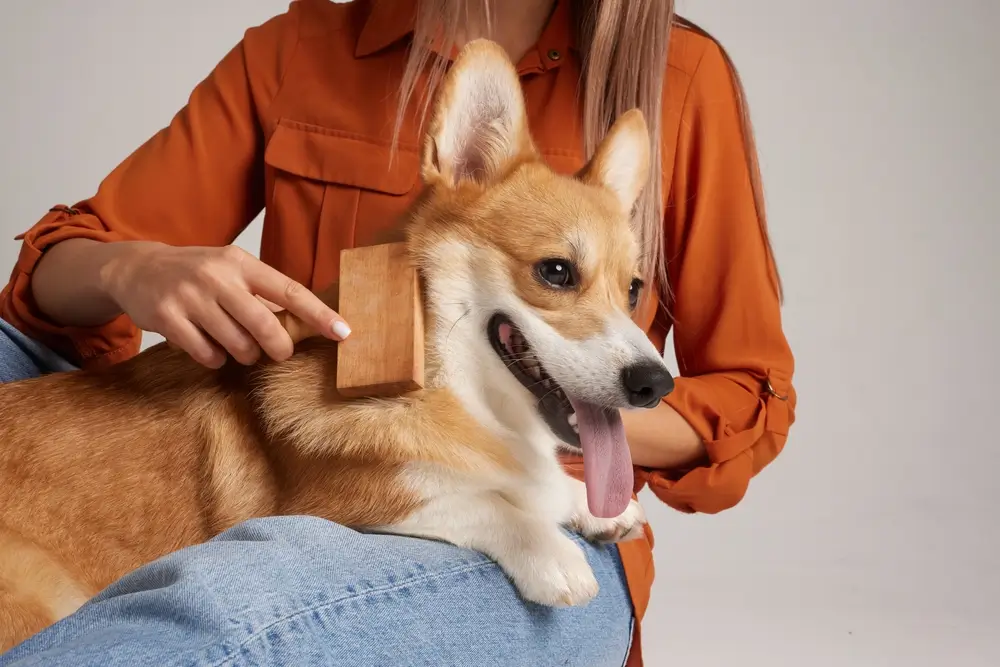
“The gut-skin axis reveals why chronic skin conditions often have their roots in intestinal dysfunction. While we cannot change genetic predispositions to allergies, we can profoundly influence the gut microbiome that determines inflammatory status and skin barrier integrity.”
Summary
Gut dysbiosis is a root cause of canine skin conditions. Dogs with atopic dermatitis consistently show altered gut microbiomes preceding skin symptom onset, and clinical research confirms that interventions targeting gut health can significantly improve skin barrier integrity, reduce itching, and resolve secondary infections. Approximately 70-80% of immune tissue resides in the gut, and this immune hub directly influences skin health through circulating metabolites, immune cell trafficking, and inflammatory signalling. Interventions targeting gut health, including probiotics, prebiotics, postbiotics, and specific nutrients, can significantly improve skin symptoms.
At Bonza, the gut-skin axis is one of the eight gut-organ axes forming the scientific foundation of the “One Gut. Whole Dog.” philosophy. Block Bioactive Bites is formulated specifically for this axis, targeting gut-skin communication at both ends simultaneously.
At a glance
Itchy skin, hot spots, and recurrent ear infections are rarely skin-only problems. Research consistently shows that gut dysbiosis precedes skin symptom onset in atopic dogs – meaning the gut is where chronic skin conditions begin, and where effective intervention starts.
What the science shows
- Dogs with atopic dermatitis consistently show reduced gut microbial diversity and altered bacterial populations before skin symptoms develop, establishing gut dysfunction as a root cause rather than a downstream consequence.
- The 2026 Waltham catalogue confirmed that 45.6% of the healthy canine microbiome by abundance is dedicated to butyrate production – the metabolite that simultaneously strengthens gut barrier integrity and skin barrier protein expression.
- Gut-derived indoles, produced when bacteria metabolise tryptophan, activate a master regulator of skin immune responses called the aryl hydrocarbon receptor – with an indole-rich postbiotic shown to reduce scratching behaviour by 20% and owner-perceived itching by 27% in clinical research.
- Immune cells educated in the gut-associated lymphoid tissue travel directly to the skin, carrying their immune programming with them – meaning gut dysbiosis fundamentally shapes how the skin’s immune system responds to allergens and irritants.
- In a 2024 randomised controlled trial, probiotic-treated dogs reached normal pruritus levels by week 4, compared to week 7 for the placebo group – confirming that gut-targeted intervention produces faster and more meaningful skin improvement than no intervention.
How to support it
- Prioritise gut health as the foundational intervention for skin conditions – topical treatments address the symptom, while nutritional support addresses the source.
- Choose probiotic strains with documented skin-specific benefits, particularly Lactobacillus helveticus for reducing skin inflammatory markers and restoring healthy skin microbiota, alongside spore-forming strains for reliable gut delivery.
- Feed prebiotic fibres – FOS, MOS, and inulin – to sustain the SCFA-producing bacteria that strengthen both gut and skin barriers simultaneously.
- Supplement with EPA and DHA omega-3s consistently – these reduce inflammation across the gut-skin axis, support skin barrier lipid production, and are among the most evidence-backed nutritional interventions for allergic skin disease in dogs.
Key insight
Chronic skin conditions often have their roots in gut dysfunction. A gleaming coat and comfortable skin are not just genetics – they reflect the health of the microbial ecosystem in the gut, and that ecosystem is directly shaped by what your dog eats every day.
Key Takeaways
Nutritional intervention addresses both ends of the axis simultaneously. Prebiotic fibre, evidence-based probiotics, postbiotics, omega-3 fatty acids, and skin-barrier micronutrients can support SCFA production, restore gut barrier integrity, modulate skin immune responses, and reduce systemic inflammation through a single coordinated dietary strategy.
Gut dysbiosis precedes skin conditions in dogs. Dogs with atopic dermatitis consistently show altered gut microbiome compositions before skin symptoms develop, establishing gut dysfunction as a root cause rather than a consequence of skin disease.¹²
Approximately 70-80% of the immune system resides in the gut. Immune cells educated in the gut-associated lymphoid tissue (GALT) travel directly to the skin, meaning gut dysbiosis fundamentally impairs the immune responses that determine skin health.³
Short-chain fatty acids are the primary molecular link between gut and skin. The 2026 Waltham catalogue confirmed that 45.6% of the healthy canine gut microbiome by abundance is dedicated to butyrate production, the metabolite that simultaneously strengthens gut barrier and skin barrier protein expression.²¹
Indoles produced by gut bacteria directly modulate itch signalling. These tryptophan-derived metabolites activate the aryl hydrocarbon receptor, a master regulator of skin immune responses. An indole-rich postbiotic reduced scratching behaviour by 20% and owner-perceived itching by 27% in clinical research.⁵
Increased intestinal permeability drives allergic skin reactions. When the gut barrier is compromised, food allergens and bacterial endotoxins enter circulation and provoke immune responses that manifest at the skin surface, explaining why leaky gut and food-related skin conditions consistently co-occur.⁶
The canine gut microbiome is fundamentally distinct from humans. The 2026 Waltham catalogue identified 240 core canine bacterial species, with Akkermansia muciniphila, widely promoted in human gut health products, entirely absent from all canine samples, underscoring the need for canine-specific microbiome support.²¹
Skin microbiome dysbiosis follows gut microbiome dysbiosis. Dogs with atopic dermatitis show significantly lower bacterial species richness on their skin compared to healthy dogs, with pathogenic Staphylococcus pseudintermedius and Malassezia pachydermatis filling the ecological space left by lost commensal species.¹⁰
Probiotic and postbiotic interventions produce measurable skin improvements. Faecal microbiota transplantation and nutraceutical supplementation targeting the gut microbiome have demonstrated significant improvements in atopic dermatitis symptoms, confirming the causal role of gut health in canine skin disease.¹⁴
Breed predisposition to skin conditions frequently overlaps with gut vulnerability. West Highland White Terriers, Boxers, French Bulldogs, Cocker Spaniels, and Shar-Pei show concurrent susceptibility to both gastrointestinal and dermatological conditions, reflecting shared underlying mechanisms in the gut-skin axis.²⁰
In This Guide
- Why Chronic Skin Conditions in Dogs So Often Begin in the Gut
- What Is the Gut-Skin Axis?
- How Gut Microbiome Disruption Drives Skin Disease in Dogs
- How the Canine Skin Microbiome Changes When Gut Health Fails
- Canine Atopic Dermatitis: How Gut Dysbiosis Drives the Most Common Chronic Skin Condition in Dogs
- Which Other Canine Skin Conditions Are Rooted in Gut Dysfunction?
- How the Gut Sends Signals to the Skin: Key Communication Pathways
- How Life Stage and Early Intervention Shape Gut-Skin Outcomes
- What to Feed Your Dog to Support the Gut-Skin Axis
- Which Probiotic Strains Have Demonstrated Skin Health Benefits in Dogs?
- How Prebiotics Strengthen the Gut-Skin Axis by Fuelling Beneficial Bacteria
- How Postbiotics Deliver Direct Gut-Skin Benefits Without Relying on Live Bacteria
- Which Nutrients Are Most Important for Gut-Skin Axis Health in Dogs?
- Which Herbs and Botanicals Support the Gut-Skin Axis in Dogs?
- How Bonza’s Formulations Target the Gut-Skin Axis at Both Ends
- When to Seek Veterinary Advice for Your Dog’s Skin Condition
- How to Build a Gut-Skin Protocol for Your Dog
- Recommended Probiotic and Omega-3 Dosage for Dogs with Skin Conditions
- Frequently Asked Questions
- Conclusion
- References
- Editorial Information
Why Chronic Skin Conditions in Dogs So Often Begin in the Gut
Chronic skin conditions in dogs — atopic dermatitis, recurrent infections, persistent itching — consistently show altered gut microbiome compositions before skin symptoms develop, establishing gut dysfunction as a root cause rather than a consequence of skin disease.
For decades, veterinarians and pet owners treated skin conditions as isolated problems, addressing symptoms with topical treatments, antihistamines, or immunosuppressive medications. While these approaches remain valuable, emerging research reveals that many chronic skin conditions have their roots in gut dysfunction. The gut-skin axis provides a scientific framework for understanding this connection and, more importantly, for developing effective nutritional interventions.
This article explores the intricate science behind the gut-skin axis in dogs, examining how the gut microbiome, intestinal barrier function, and circulating metabolites influence skin health. Most importantly, it provides practical guidance on using nutrition and targeted supplements to optimise this vital connection, offering a meaningful path forward for the millions of dogs affected by pruritus, allergies, and chronic skin conditions.
What Is the Gut-Skin Axis?
How the Gut-Skin Axis Is Defined and Why It Matters
The gut-skin axis refers to the bidirectional communication pathway between the gastrointestinal tract and the skin. This concept describes how the gut microbiome, intestinal barrier, and gut-associated immune system influence skin health, and conversely, how skin conditions can affect gut function.¹
The term “axis” reflects the continuous, two-way nature of this communication. Just as the better-known gut-brain axis describes the connection between digestive and neurological health, the gut-skin axis explains why gut dysfunction so often manifests as skin problems, and why addressing gut health can resolve seemingly unrelated skin conditions.
How the Gut-Skin Axis Fits Within the Eight Gut-Organ Axes
The gut-skin axis is one of eight gut-organ axes through which the canine microbiome influences whole-body health. Each axis describes a different organ system shaped by the same upstream root: microbial metabolites, immune cell trafficking, inflammatory signalling, and barrier integrity. The eight axes are the gut-immune, gut-brain, gut-heart, gut-skin, gut-joint, gut-metabolic, gut-liver, and gut-longevity axes.
This shared mechanistic foundation underpins the One Gut. Whole Dog. philosophy. A dog presenting with chronic skin disease frequently shows concurrent dysfunction across other axes, such as anxiety (gut-brain), reduced immunity (gut-immune), or joint inflammation (gut-joint), reflecting a common microbial source rather than separate conditions that happen to coincide.
Understanding the gut-skin axis as one expression of a wider system clarifies why surface-level treatments rarely produce lasting resolution of chronic skin disease. The microbial ecosystem driving skin symptoms is the same ecosystem driving every other axis, and supporting that ecosystem nutritionally produces benefits that extend across the whole dog.
How the Gut-Skin Axis Operates in Both Directions
Research has demonstrated that this connection operates in both directions.²
The gut influences the skin through four primary mechanisms:
- Gut bacteria produce metabolites that circulate throughout the body and influence skin cell behaviour
- Immune cells educated in the gut-associated lymphoid tissue (GALT) travel to the skin
- Inflammatory mediators from gut dysbiosis can trigger skin inflammation
- Intestinal permeability allows allergens and toxins to enter circulation, provoking skin reactions
The skin can in turn affect gut function through the following pathways:
- Skin damage and inflammation can alter the gut microbiome
- Dermal injuries increase expression of gut defence genes²
- Skin conditions can affect intestinal barrier function
- Chronic skin inflammation may promote gut dysbiosis
What Biological Characteristics Make the Gut and Skin So Closely Connected?
The gut and skin share several fundamental characteristics that explain their intimate connection:
- Barrier Tissues: Both the gut and skin are barrier organs that interface directly with the external environment, requiring sophisticated immune surveillance and microbial management.
- Microbial Communities: Both host complex microbiomes that influence local and systemic health.
- Immune Function: Both contain significant immune tissue and employ similar mechanisms to maintain homeostasis.
- Shared Embryological Origins: The gut and skin develop from the same embryonic tissue layers, maintaining communication pathways established during development.
- Common Innervation: Both are innervated by the autonomic nervous system, allowing neuroendocrine signalling between them.
How Gut Microbiome Disruption Drives Skin Disease in Dogs
Gut dysbiosis does not affect the skin through a single mechanism. It disrupts skin health through a cascade of interconnected pathways that, when operating simultaneously, explain why restoring gut balance so consistently improves skin outcomes in affected dogs.
What a Healthy Canine Gut Microbiome Looks Like and Why Balance Matters
In a healthy dog, the gut microbiome is dominated by beneficial bacteria from the phyla Firmicutes, Bacteroidetes, Actinobacteria, and Fusobacteria, a diverse community known as eubiosis that produces the metabolites and immune signals on which skin health depends.⁷·²²
A healthy, diverse gut microbiome, termed “eubiosis,” maintains immune balance, produces beneficial metabolites, and outcompetes pathogenic organisms. When this balance is disrupted, gut dysbiosis follows, with far-reaching consequences for skin health.
The Four Pathways Through Which Gut Dysbiosis Drives Skin Disease
Gut dysbiosis affects skin health through four primary pathways:
1. Immune Modulation: Specific gut bacteria stimulate regulatory T cells (Tregs) that dampen excessive inflammatory responses throughout the body, including in the skin. When these populations are reduced, inflammatory skin conditions become more likely and more severe.
2. Barrier Function: Gut bacteria influence the production of proteins that maintain barrier integrity in both the gut and the skin. SCFAs, particularly butyrate, upregulate the expression of tight junction proteins in both tissues.
3. Antimicrobial Peptide Production: The gut microbiome influences the production of antimicrobial peptides that help control pathogenic microbes at distant sites, including the skin.
4. Systemic Inflammation: Dysbiosis promotes low-grade systemic inflammation that manifests in various tissues, with the skin being particularly susceptible due to its role as a barrier organ.
How SCFAs Produced by Gut Bacteria Strengthen the Skin Barrier
SCFAs deserve special attention for their role in gut-skin communication. These metabolites, produced when beneficial bacteria ferment dietary fibre, strengthen the skin barrier by enhancing the expression of skin barrier proteins, reduce skin inflammation by inhibiting the production of pro-inflammatory cytokines in skin cells, support skin immune function by regulating Treg cells, and influence sebum production, which is essential for skin barrier function.⁸
The scope of this SCFA-producing capacity was quantified by the Waltham Petcare Science Institute’s 2026 catalogue of the canine gut microbiome. Their research revealed that 37.5% of bacterial species, representing 45.6% of the microbiome by abundance, possess genes for butyrate production. The two most abundant novel species discovered, Candidatus Skylacomonas catulintestiniplasma and Candidatus Ileibacterium canenteradaptatus, are both enriched for butyrate production pathways. This means that in healthy dogs, the gut’s primary metabolic output includes substantial quantities of the very compounds that strengthen skin barriers and reduce inflammation.²¹
Dogs with inflammatory skin conditions consistently show lower levels of SCFA-producing bacteria in their gut microbiomes, highlighting the importance of supporting these populations through diet and supplementation.
How Indoles Produced by Gut Bacteria Reduce Itch and Regulate Skin Immunity
Indoles are metabolites produced when gut bacteria break down the amino acid tryptophan. These compounds activate the aryl hydrocarbon receptor (AhR), which plays a crucial role in regulating skin barrier function, controlling skin immune responses, modulating itch signalling, and supporting skin cell differentiation.
A 2025 study demonstrated that an indole-rich postbiotic reduced scratching behaviour by 20% and owner-perceived itching by 27% in dogs with elevated scratching, highlighting the therapeutic potential of targeting this pathway.⁵
How the Canine Skin Microbiome Changes When Gut Health Fails
What a Healthy Canine Skin Microbiome Contains
Like the gut, the skin hosts its own complex microbial community. The canine skin microbiome varies significantly across body sites, with different areas hosting distinct microbial populations adapted to local conditions such as moisture, temperature, and sebum levels.
Key bacterial genera found on healthy canine skin include Staphylococcus (primarily non-pathogenic species), Corynebacterium, Streptococcus, Bacillus, and Propionibacterium. The fungal component includes species like Malassezia, which exists as a commensal on healthy skin but can become pathogenic under certain conditions.⁹
How the Skin Microbiome Differs Between Healthy and Allergic Dogs
Research comparing the skin microbiomes of healthy and allergic dogs has revealed consistent differences. A landmark 2014 study found that allergic dogs have significantly lower bacterial species richness on their skin compared to healthy dogs.¹⁰ Characteristics of a dysbiotic skin microbiome include reduced diversity and loss of species that compete with pathogens, overgrowth of pathogenic species, particularly Staphylococcus pseudintermedius and Malassezia pachydermatis, loss of protective bacteria that produce antimicrobial compounds, and altered metabolite profiles that affect skin barrier function.
How Gut Health Influences Skin Microbial Balance
The gut microbiome influences the skin microbiome through several mechanisms. Gut-derived metabolites circulating in the blood affect the skin environment, influencing which microbes can thrive. Gut bacteria educate immune cells that then patrol the skin, influencing how the skin responds to its own microbial residents. Gut dysbiosis promotes systemic inflammation that alters skin conditions, favouring pathogenic microbes. Some research suggests that gut bacteria may occasionally translocate to the skin, directly influencing skin microbial composition.
This interconnection means that improving gut health often leads to improvements in the skin microbiome, even without direct topical intervention.
Canine Atopic Dermatitis: How Gut Dysbiosis Drives the Most Common Chronic Skin Condition in Dogs
What Is Canine Atopic Dermatitis?
Canine atopic dermatitis (CAD) is a chronic, inflammatory, pruritic skin disease with a genetic predisposition. It affects an estimated 10-15% of dogs and is characterised by intense itching (often seasonal initially but becoming year-round), recurrent skin and ear infections, characteristic distribution across the face, ears, paws, armpits, and groin, and progressive worsening without active management.¹¹
CAD is now understood to be a gut-skin axis disorder, with gut dysbiosis playing a significant role in its development and progression.
What Research Reveals About Gut Dysbiosis in Dogs with Atopic Dermatitis
Multiple studies have demonstrated consistent gut microbiome alterations in dogs with atopic dermatitis.
Reduced Diversity: Dogs with CAD show significantly lower gut microbiota alpha-diversity compared to healthy dogs. This reduced diversity is associated with impaired immune regulation and increased inflammation.¹²
Specific Bacterial Alterations: Research in West Highland White Terriers, a breed highly predisposed to allergies, found distinct gut microbiome profiles in allergic versus healthy dogs, with differences in key bacterial populations associated with immune function.¹³
Metabolite Changes: Atopic dogs show reduced levels of beneficial gut metabolites, including SCFAs, which are crucial for barrier function and immune regulation.
Response to Microbiome Interventions: Most compellingly, interventions targeting the gut microbiome, including faecal microbiota transplantation¹⁹ and probiotic/nutraceutical supplementation, have shown significant improvements in CAD symptoms, confirming the causal role of gut health in this condition.¹⁴
Which Breeds Are Most Predisposed to Atopic Dermatitis and Why?
Certain breeds are particularly susceptible to CAD, often correlating with breeds prone to gut issues:
- West Highland White Terrier
- Golden Retriever
- Labrador Retriever
- German Shepherd
- Boxer
- Bulldog (English and French)
- Pug
- Cocker Spaniel
- Shiba Inu
- Shar-Pei
These breed predispositions reflect genetic factors affecting both gut microbiome composition and skin barrier function, highlighting the interconnected nature of these systems.²² A 2023 study in Shiba Inu dogs with atopic dermatitis found distinct alterations in both gut and skin microbiota compared to healthy dogs, with significant correlations between gut bacterial populations and skin condition severity, providing direct evidence that the gut-skin axis operates at both the microbial and clinical level.²⁰
How Skin Barrier Dysfunction Interacts with Gut Dysbiosis in Atopic Dogs
CAD involves dysfunction of the skin barrier, which normally prevents allergens and irritants from penetrating the skin. This barrier dysfunction is influenced by genetic factors affecting structural proteins like filaggrin, gut-derived inflammation from systemic dysbiosis, nutrient deficiencies in essential fatty acids, zinc, and other barrier-supporting compounds, and skin microbiome dysbiosis with overgrowth of barrier-disrupting microbes. Addressing both gut and skin barrier function is essential for effective CAD management.
Which Other Canine Skin Conditions Are Rooted in Gut Dysfunction?
How Gut Dysbiosis Drives Malassezia Yeast Overgrowth on the Skin
Malassezia dermatitis occurs when the normally commensal yeast Malassezia pachydermatis proliferates excessively on the skin. This condition is strongly linked to gut health because gut dysbiosis impairs systemic immune function, reducing control over skin commensals. Dietary factors, particularly high-glycaemic carbohydrates, can promote yeast growth. Intestinal yeast overgrowth often accompanies skin yeast problems, and probiotic supplementation has been shown to reduce yeast-related skin symptoms.
Why Dogs with Gut Dysbiosis Are More Prone to Hot Spots and Bacterial Skin Infections
Hot spots (acute moist dermatitis) and pyoderma (bacterial skin infections) often reflect underlying immune dysfunction with gut-skin axis origins. Dogs with recurrent bacterial skin infections frequently show gut dysbiosis, reduced beneficial bacteria, impaired immune responses, and chronic low-grade inflammation. Addressing gut health often reduces the frequency and severity of these infections.
How a Leaky Gut Converts Food Antigens into Skin Allergic Reactions
Food allergies are perhaps the most direct example of gut-skin axis dysfunction. When the gut barrier fails to prevent food antigens from entering circulation, immune reactions occur that often manifest as pruritus, ear infections, paw licking and chewing, facial rubbing, and gastrointestinal symptoms.
The gut microbiome plays a crucial role in food allergy development, with dysbiosis impairing oral tolerance, the normal process by which the immune system learns to ignore food proteins.
How Gut-Derived Inflammation Directly Triggers Chronic Itching in Dogs
Chronic itching without an obvious cause often has gut-skin axis origins. The inflammatory mediators and metabolites produced by a dysbiotic gut can directly stimulate itch pathways, while impaired barrier function increases sensitivity to environmental irritants.
For a detailed examination of allergic skin disease and the gut connection, see Allergic Skin Disease in Dogs: Why the Answer Starts in the Gut.
How the Gut Sends Signals to the Skin: Key Communication Pathways
The gut communicates with the skin through five distinct pathways: immune cell trafficking, circulating microbial metabolites, inflammatory mediator signalling, neuroendocrine responses, and intestinal barrier permeability. Each pathway is independently capable of driving skin disease when gut health is compromised.
How Immune Cells Educated in the Gut Travel Directly to the Skin
The gut houses approximately 70-80% of the body’s immune tissue in the form of gut-associated lymphoid tissue (GALT), making the intestinal tract the largest immune organ in the body and the primary site where the immune system learns to distinguish between harmful pathogens and harmless substances.³ Some of the immune cells educated in the GALT are programmed to travel to the skin, where they influence local immune responses. When gut dysbiosis disrupts normal immune education, the cells that subsequently arrive at the skin may respond excessively to harmless antigens, fail to properly regulate inflammation, inadequately control pathogenic skin microbes, and promote rather than resolve tissue damage. This explains why allergies, recurrent skin infections, and impaired wound healing so frequently emerge as downstream consequences of gut microbiome disruption.
Which Gut-Derived Metabolites Reach the Skin and How Do They Influence Skin Health?
Gut bacteria produce thousands of metabolites that enter the bloodstream and affect distant organs. Key metabolites affecting skin are summarised below:
| Metabolite | Source | Effect on Skin |
|---|---|---|
| Butyrate | Fibre fermentation | Strengthens barrier, reduces inflammation |
| Propionate | Fibre fermentation | Modulates immune responses |
| Indoles | Tryptophan metabolism | Activates AhR, reduces itching |
| Vitamins B and K | Bacterial synthesis | Supports skin cell function |
| Phenolic compounds | Polyphenol metabolism | Antioxidant protection |
How Gut Dysbiosis Sends Pro-Inflammatory Signals That Manifest at the Skin
When gut dysbiosis promotes intestinal inflammation, pro-inflammatory cytokines and other mediators enter circulation and affect the skin. TNF-alpha promotes skin inflammation and barrier dysfunction. IL-6 drives systemic inflammation affecting multiple tissues. IL-17 contributes to inflammatory skin conditions. Lipopolysaccharides (LPS), bacterial components that trigger widespread inflammation, are among the most potent drivers of skin-level immune activation.
How Stress Hormones Connect Gut Dysbiosis to Skin Flare-Ups
The gut and skin are both innervated by the autonomic nervous system and responsive to hormonal signals. Stress hormones like cortisol, influenced by gut microbiome composition through the gut-brain axis, also affect skin function. Cortisol impairs skin barrier function, stress-induced gut dysbiosis worsens skin conditions, and neuropeptides released from gut neurons can affect skin inflammation.
How a Compromised Intestinal Barrier Allows Allergens to Trigger Skin Reactions
The intestinal barrier normally permits nutrients to pass into the bloodstream while preventing larger molecules, allergens, and bacterial toxins from entering. When this barrier becomes compromised, a state often referred to as increased intestinal permeability or “leaky gut”, problematic substances enter circulation and provoke immune responses that frequently manifest at the skin.⁶ Dogs with chronic skin conditions consistently show increased intestinal permeability, which allows food allergens to reach the bloodstream and trigger pruritic reactions, permits bacterial lipopolysaccharides to drive systemic inflammation, lets metabolic waste products burden detoxification pathways, and enables circulating immune complexes to deposit in skin tissues. This pathway is particularly important in food-related skin conditions, where gut barrier failure is the proximate cause of immune sensitisation to food antigens. Restoring intestinal barrier integrity is therefore a foundational strategy in gut-skin axis management, addressed through L-glutamine supplementation, SCFA production from prebiotic fermentation, and reduction of the inflammatory triggers that compromise tight junction proteins.
How Life Stage and Early Intervention Shape Gut-Skin Outcomes
Because gut dysbiosis precedes skin symptom onset in atopic dogs, the timing of gut-skin axis support significantly affects long-term outcomes. Puppies in predisposed breeds offer the strongest opportunity for prevention, adult dogs benefit from sustained microbial maintenance, and senior dogs require additional support to counteract age-related microbiome decline.
Why Early-Life Gut Health Determines Lifelong Skin Resilience
The gut microbiome established in puppyhood shapes immune education, barrier function, and inflammatory tone for the rest of the dog’s life. Because gut dysbiosis precedes the clinical onset of atopic dermatitis, the puppy stage is the only window in which microbial intervention can plausibly prevent the condition from developing rather than treat it after symptoms emerge.¹²
A 2012 controlled study demonstrated this principle directly: puppies genetically predisposed to atopic dermatitis who received Lactobacillus rhamnosus GG in early life showed significantly reduced allergen-specific IgE and improved clinical outcomes that persisted long after supplementation ended.¹⁵ The intervention shifted the immunological trajectory of the puppy, not just the symptoms of the moment.
For owners of new puppies, particularly from predisposed breeds, prioritising gut microbiome diversity from weaning onwards represents one of the highest-leverage interventions available in canine nutrition.
How Predisposed Breeds Benefit Most from Pre-Symptom Intervention
Breeds with documented genetic predispositions to atopic dermatitis show altered gut microbiome compositions before any skin symptoms develop, making the pre-symptomatic period the most valuable intervention window.¹³²⁰ The breeds most affected include West Highland White Terriers, French Bulldogs, English Bulldogs, Golden Retrievers, Labrador Retrievers, German Shepherds, Boxers, Cocker Spaniels, Shar-Pei, and Shiba Inus.
Waiting until visible itching, recurrent ear infections, or skin redness emerges means waiting until the immunological trajectory toward chronic disease is already established. Microbiome support introduced before symptoms appear can meaningfully shift that trajectory away from atopic disease in dogs whose genetics would otherwise put them on it. Effective pre-symptom support combines probiotic strains with documented skin benefits, prebiotic fibres to sustain SCFA production, and an anti-inflammatory diet that minimises gut-disrupting ingredients.
For breed-specific guidance, see the relevant breed gut health articles in the Bonza Health Hub
How Gut-Skin Axis Priorities Change in Adult and Senior Dogs
In adult dogs without active skin conditions, gut-skin axis support functions as maintenance: sustaining microbial diversity, SCFA production, and barrier integrity to prevent the dysbiosis that precipitates inflammatory skin disease in middle and later life. In adult dogs with established skin conditions, the same interventions become therapeutic, with a typical 8 to 12-week timeframe to optimal results.
Senior dogs face a more complex picture. Microbiome diversity tends to decline with age, intestinal barrier integrity weakens, and SCFA-producing bacterial populations reduce, all of which compound to increase systemic inflammation and skin barrier vulnerability. Senior dogs therefore benefit from intensified rather than reduced gut-skin axis support, with particular attention to multi-strain probiotic coverage, omega-3 dosing toward the upper end of the recommended range, and consistent prebiotic fibre intake.
The protocol described later in this article applies across life stages, with dosing adjusted to body weight and severity of presentation.
What to Feed Your Dog to Support the Gut-Skin Axis
What Dietary Principles Form the Foundation of Gut-Skin Axis Health?
The foundation of gut-skin axis health is a nutrient-dense, anti-inflammatory diet that supports both gut barrier integrity and beneficial microbiome composition. Key dietary principles include:
1. High-Quality, Easily Digestible Protein: Protein sources that are highly digestible reduce the amount of undigested protein reaching the colon, where it can promote unfavourable bacterial fermentation.
2. Appropriate Fibre Content: A blend of soluble and insoluble fibre supports beneficial bacteria and SCFA production while maintaining normal gut transit.
3. Omega-3 Fatty Acids: Essential fatty acids, particularly EPA and DHA, reduce inflammation throughout the gut-skin axis.
4. Antioxidant-Rich Foods: Antioxidants protect both gut and skin tissues from oxidative damage.
5. Low Glycaemic Load: Avoiding high-glycaemic carbohydrates helps prevent yeast overgrowth and reduces inflammatory responses.
How Essential Fatty Acids Reduce Gut and Skin Inflammation in Dogs
Essential fatty acids are critical for gut-skin axis health.
Omega-3 Fatty Acids (EPA, DHA, DPA): These reduce inflammation in both gut and skin, support skin barrier function, improve coat quality and reduce shedding, and modulate immune responses. Recommended sources include algal oil (DHAgold®), fish oil, and flaxseed. Omega-3 fatty acids are among the most effective natural antihistamines for skin allergies.
Omega-6 Fatty Acids (GLA, LA): These support skin barrier lipid production and, when balanced appropriately with omega-3s, support healthy inflammation responses. Sources include borage oil, evening primrose oil, and hemp seed oil.
The omega-6:omega-3 ratio is crucial: most dogs benefit from a ratio of 5:1 or lower for optimal skin health.
How Dietary Fibre Fuels the Bacteria That Protect Your Dog’s Skin
Dietary fibre feeds beneficial gut bacteria, promoting SCFA production and gut-skin axis health. Key fibre sources include inulin, a prebiotic fibre that specifically promotes beneficial Bifidobacteria; fructooligosaccharides (FOS), which support diverse beneficial bacterial populations; mannan-oligosaccharides (MOS), which bind pathogenic bacteria and support immune function; pumpkin, which provides both soluble and insoluble fibre; and sweet potato, which is rich in prebiotic fibres and antioxidants.
Which Anti-Inflammatory Foods Actively Support the Gut-Skin Axis?
Including foods with natural anti-inflammatory properties can meaningfully support the gut-skin axis. Turmeric contains curcumin, a potent anti-inflammatory compound. Ginger reduces inflammation and supports digestion. Blueberries are rich in antioxidants and polyphenols. Leafy greens provide vitamins, minerals, and phytonutrients.
Which Foods Worsen Gut-Skin Axis Dysfunction in Dogs?
Certain foods can worsen gut-skin axis dysfunction. High-allergen proteins, including common allergens like beef, dairy, chicken, corn, soy, and wheat, can trigger immune reactions that manifest as skin symptoms. An elimination diet may help identify problematic foods. High-glycaemic carbohydrates promote yeast overgrowth and inflammation. Artificial preservatives, colourings, and flavourings can disrupt gut bacteria and promote inflammation. Histamine-rich foods, including aged meats, fermented products, and certain fish, can exacerbate itching in sensitive dogs.
Applied to itchy, allergic skin, this gut-first approach underpins our guide to vegan dog food for itchy skin and allergies.
A 2022 guardian-reported study of 1,189 North American dogs found that owners feeding plant-based diets reported fewer skin disorders, alongside fewer ocular, gastrointestinal, and hepatic conditions. The findings are guardian-reported and require objective veterinary confirmation, but the direction across multiple independent surveys is consistent. For the full peer-reviewed evidence on plant-based canine nutrition and skin-relevant outcomes, see the Bonza evidence review on plant-based dog food research.
For a comprehensive ranked comparison of 12 leading UK hypoallergenic dog foods evaluated against an 11-criterion evidence-based framework, see the best hypoallergenic dog food UK 2026 ranked list.
Which Probiotic Strains Have Demonstrated Skin Health Benefits in Dogs?
How the Biotics Triad Frames Gut-Skin Microbial Support
Probiotics, prebiotics, and postbiotics together form the Biotics Triad: three complementary categories of microbiome support that, in combination, address the gut-skin axis at multiple mechanistic levels simultaneously. Probiotics introduce live beneficial bacteria, prebiotics feed those bacteria to sustain SCFA production, and postbiotics deliver the metabolic compounds bacteria produce directly, without requiring live organisms to survive transit through the gastrointestinal tract.
In Bonza formulations, the Biotics Triad is delivered through chicory root inulin (prebiotic), Calsporin® (Bacillus velezensis DSM 15544, a spore-forming probiotic), and two distinct postbiotics: TruPet™, a Saccharomyces cerevisiae fermentation product, and L. helveticus HA-122, a heat-inactivated postbiotic with documented skin barrier benefits. TruPet™ and L. helveticus HA-122 are independent postbiotics, not derivatives of one another, and contribute through different mechanisms.
The next three sections explore each component category in turn, with specific reference to gut-skin axis applications.
How Probiotics Restore Gut Balance and Reduce the Systemic Inflammation That Drives Skin Disease
Probiotics are live microorganisms that, when administered in adequate amounts, confer health benefits. For gut-skin axis support, probiotics restore beneficial gut bacteria populations, enhance gut barrier integrity, modulate immune responses, compete with pathogenic microbes, produce beneficial metabolites including SCFAs, and reduce systemic inflammation.
Which Probiotic Strains Are Most Effective for Canine Skin Conditions?
Research has identified several probiotic strains with particular benefits for skin health:
Lactobacillus rhamnosus: One of the most studied strains for skin benefits. Early exposure to L. rhamnosus GG in dogs predisposed to atopic dermatitis showed long-term clinical and immunological benefits, including significantly reduced allergen-specific IgE.¹⁵
Lactobacillus helveticus: Specifically researched for skin health benefits. Studies show L. helveticus ameliorates atopic dermatitis by reducing inflammatory markers including TNF-alpha and IL-4.¹⁶ Research demonstrates this strain helps restore the natural healthy microbiota of the skin, improving treatment effectiveness in atopic dermatitis.¹⁷
Lactobacillus acidophilus: A foundational probiotic that reduces allergic responses and supports overall digestive health, which influences skin condition.
Bifidobacterium species: Support gut barrier integrity and produce metabolites that influence systemic immune function.
Saccharomyces boulardii: A beneficial yeast that survives antibiotic treatment and helps reduce pathogenic yeast overgrowth.
Bacillus subtilis/coagulans: Spore-forming strains with excellent survivability. A 2024 study found that Bacillus subtilis and Bacillus coagulans spores can reduce clinical symptoms and duration of wound repair in dogs with allergic contact dermatitis.¹⁸
Bacillus velezensis: Calsporin® (Bacillus velezensis DSM 15544) is a clinically researched, spore-forming probiotic with EFSA authorisation specifically for dogs, with documented benefits for gut health and immune function.
What Clinical Research Confirms About Probiotics and Canine Skin Conditions
A landmark 2024 randomised controlled trial evaluated a probiotic and nutraceutical supplement in dogs with pruritic dermatitis. The study found that probiotic-treated dogs showed improvement in itching by week 2, reaching normal levels by week 4, compared to week 7 for the placebo group.¹⁴ This demonstrates the significant and rapid benefits of probiotic intervention for skin conditions.
Learn more about evidence-based probiotics for dogs.
Multi-strain formulations often provide better results than single-strain products, as different strains offer complementary benefits.
How Prebiotics Strengthen the Gut-Skin Axis by Fuelling Beneficial Bacteria
Which Types of Prebiotics Are Most Beneficial for Gut-Skin Axis Support?
Prebiotics are dietary compounds that selectively promote the growth of beneficial bacteria. Key prebiotics for gut-skin axis support include:
Fructooligosaccharides (FOS): Promote Bifidobacteria and Lactobacilli, enhancing SCFA production. Fibrofos™ 60 is a clinically researched source of FOS.
Mannanoligosaccharides (MOS): Derived from yeast cell walls, MOS bind pathogenic bacteria and support immune function. Biolex® MB40 is a clinically researched form.
Inulin: A long-chain prebiotic that provides sustained fermentation and SCFA production.
Galactooligosaccharides (GOS): Support beneficial bacteria and improve calcium absorption.
How Prebiotics Improve Skin Health by Fuelling SCFA-Producing Gut Bacteria
By promoting beneficial bacteria, prebiotics indirectly support skin health through increased SCFA production, enhanced immune modulation, improved gut barrier function, reduced pathogen colonisation, and better nutrient absorption, including skin-supporting nutrients.
Where to Find Gut-Skin Supporting Prebiotics in Food and Supplement Form
Natural prebiotic sources include chicory root (inulin), Jerusalem artichoke, dandelion greens, baobab, banana, and oats. For therapeutic purposes, concentrated prebiotic supplements often provide more consistent and significant effects.
How Postbiotics Deliver Direct Gut-Skin Benefits Without Relying on Live Bacteria
What Are Postbiotics and How Do They Deliver Gut-Skin Benefits Differently from Probiotics?
Postbiotics are the beneficial compounds produced when probiotics ferment prebiotics. Unlike probiotics, postbiotics don’t require live organisms: they deliver the beneficial metabolites directly. This offers several advantages, including stability through processing and storage, no viability concerns, consistent and reliable effects, and the ability to complement probiotic supplementation.
What Clinical Research Shows About TruPet™ and Canine Skin Health
TruPet™ is a Saccharomyces cerevisiae fermentation product (SCFP) postbiotic with documented benefits for skin health. A 2022 study found that SCFP supplementation positively impacts indicators of skin and coat health, modulates immune responses, enhances key antioxidant defence markers, increases skin sebum concentrations to support barrier function, and reduces inflammatory markers including TNF-alpha.⁸ Trial results showed dogs receiving TruPet™ had lower levels of key inflammatory indicators, including white blood cells, neutrophils, TBARS, and TNF-alpha.
How Indole-Rich Postbiotics Reduce Scratching Behaviour in Dogs
A 2025 study on an indole-rich postbiotic demonstrated significant benefits for itchy dogs, including a 20% reduction in scratching behaviour, a 27% decrease in owner-perceived itching scores, and beneficial modulation of gut microbiome composition.⁵ The mechanism of action involves activation of the aryl hydrocarbon receptor (AhR), which regulates immune function and has been directly linked to itch control. This represents a novel approach to managing skin conditions through gut-targeted intervention.
Which Nutrients Are Most Important for Gut-Skin Axis Health in Dogs?
How Omega-3 Fatty Acids Support Both Gut Barrier and Skin Barrier in Dogs
Omega-3 fatty acids (EPA, DHA, DPA) are among the most important nutrients for gut-skin axis health. They reduce inflammation in both gut and skin, support cell membrane integrity in both tissues, modulate immune responses, improve skin barrier function, and enhance coat quality.
Why Zinc Is Essential for Skin Cell Function and Gut Barrier Integrity
Zinc is essential for both gut and skin health. It is required for skin cell division and wound healing, supports gut barrier integrity, is essential for immune function, and is involved in over 300 enzymatic reactions. Zinc glycinate or zinc picolinate offer superior bioavailability. Dogs with skin conditions often benefit from supplementation above maintenance levels.
How Vitamin E Protects Skin Cells from Oxidative Damage
Vitamin E is a powerful antioxidant that protects skin cell membranes from oxidative damage, supports immune function, works synergistically with omega-3 fatty acids, and helps maintain skin moisture.
How Vitamin D Regulates Immune Function Across the Gut-Skin Axis
Vitamin D plays important roles in both gut and skin health. It supports gut barrier function, regulates immune responses, influences skin cell differentiation, and many dogs with skin conditions show vitamin D insufficiency.
How L-Glutamine Supports Gut Barrier Integrity and Reduces Atopic Flares
L-glutamine is crucial for barrier tissue health. It is the primary fuel source for intestinal cells, supports gut barrier integrity, and research shows supplementation reduces the severity and duration of atopic flares while supporting tissue repair and regeneration.
How Quercetin Acts as a Natural Antihistamine Through Gut-Skin Axis Pathways
Quercetin is a natural flavonoid with powerful effects on the gut-skin axis. It provides natural antihistamine properties, reduces mast cell degranulation, has anti-inflammatory effects, and supports gut barrier function. Quercetin is found in foods like apples, berries, and leafy greens, or can be supplemented for therapeutic effect.
Which Herbs and Botanicals Support the Gut-Skin Axis in Dogs?
How Curcumin in Turmeric Reduces Gut and Skin Inflammation
Turmeric contains curcumin, a potent anti-inflammatory compound that inhibits NF-kB (a master inflammatory regulator), reduces pro-inflammatory cytokines, has antioxidant properties, and supports both gut and skin health. Bioavailability is enhanced when combined with black pepper extract (piperine) and fat.
How Chamomile Supports Both Digestive Calm and Skin Inflammation Reduction
Chamomile offers dual gut-skin benefits. It soothes digestive inflammation, has calming effects that reduce stress-related skin flares, contains anti-inflammatory compounds, and can be used both internally and topically.
How Green Tea Polyphenols Protect Gut Microbiome Diversity and Skin Health
Rich in polyphenols, particularly EGCG, green tea extract provides powerful antioxidant protection, anti-inflammatory effects, support for gut microbiome diversity, and antimicrobial properties.
How Stinging Nettle’s Natural Antihistamine Properties Support Skin Health
Stinging nettle is a traditional remedy for allergies with natural antihistamine properties. It reduces inflammatory mediators, supports healthy histamine levels, and is rich in minerals beneficial for skin.
How Calendula Supports Skin Healing Through Anti-Inflammatory Mechanisms
Calendula is known for skin-healing properties. It supports wound healing, has antimicrobial effects, reduces inflammation, and can be used both internally and topically.
How Bonza’s Formulations Target the Gut-Skin Axis at Both Ends
Bonza’s One Gut. Whole Dog. philosophy was built on the recognition that skin conditions are rarely skin-only problems. The gut-skin axis sits at the centre of Bonza’s eight gut-organ axes framework, informing both the formulation of Superfoods & Ancient Grains and the Bioactive Bites supplement range.
Bonza Superfoods & Ancient Grains provides foundational gut-skin axis support through Calsporin® (Bacillus velezensis DSM 15544) live spore-forming probiotic, TruPet™ SCFP postbiotic, prebiotic chicory root, DHAgold® algae-derived omega-3, and the PhytoPlus® botanical blend, working together through the Biotics Triad to maintain the microbiome balance, SCFA production, and systemic inflammatory control that healthy skin depends on.
For dogs requiring targeted gut-skin axis support, Block Bioactive Bites is formulated specifically for this axis. It combines TruPet™ postbiotic for indole-pathway itch modulation, Calsporin® (Bacillus velezensis DSM 15544) for gut barrier integrity, Lactobacillus helveticus for skin microbiome restoration, quercetin (from Sophora japonica) for immune-mediated skin reactions, and skin-barrier micronutrients including zinc, vitamin E, and L-glutamine.
Where supplementation rather than a complete diet change is the chosen route, Bonza Biotics delivers the same Biotics Triad as a standalone foundational layer, supplying the prebiotic, probiotic and postbiotic architecture that underpins microbiome balance. Biotics paired with Block is Bonza’s core gut-skin protocol, with Biotics rebuilding balance at the microbial root and Block targeting the skin-level inflammatory response.
Used together with Superfoods & Ancient Grains, Biotics and Block address the gut-skin axis at both ends simultaneously, from the microbial root of barrier dysfunction to the skin-level inflammatory responses it drives.
When to Seek Veterinary Advice for Your Dog’s Skin Condition
Warning Signs That Require Prompt Veterinary Attention
Consult your veterinarian promptly if you observe:
- Severe or sudden-onset itching that prevents normal activities
- Open sores, wounds, or bleeding from scratching
- Signs of infection: pus, strong odour, hot or swollen skin
- Hair loss spreading rapidly
- Behavioural changes: lethargy, depression, or aggression
- Systemic symptoms: vomiting, diarrhoea, or loss of appetite alongside skin issues
- No improvement after 4-6 weeks of dietary and supplement intervention
- Worsening despite intervention
Which Diagnostic Tests Your Vet May Recommend for Skin Conditions
Your veterinarian may recommend skin cytology to identify bacteria or yeast, skin scrapings to rule out mites, fungal culture for ringworm, intradermal or serological allergy testing, food elimination trials, biopsy for complex cases, and blood work to assess overall health.
How to Combine Veterinary Treatment with Gut-Skin Nutritional Support
Gut-skin axis support complements rather than replaces conventional veterinary treatment when needed. Many veterinary dermatologists now recommend nutritional interventions alongside traditional therapies. Medications that may be prescribed include Apoquel (oclacitinib), a JAK inhibitor that reduces itching and inflammation; Cytopoint (lokivetmab), a monoclonal antibody that neutralises itch-inducing IL-31; antihistamines as adjunctive therapy; and antibiotics or antifungals for secondary infections.
Nutritional support may reduce the dose or frequency of medications needed, supports overall immune function, addresses root causes rather than just symptoms, and provides long-term, sustainable benefits with minimal side effects. Work with your veterinarian to develop an integrated approach that combines the best of conventional and nutritional medicine.
How to Build a Gut-Skin Protocol for Your Dog
Follow these evidence-based steps to strengthen the gut-skin connection and support healthier skin from the inside out.
- Start with an anti-inflammatory diet.
Choose a high-quality food with appropriate fibre for microbiome support, omega-3 fatty acids, and antioxidant-rich ingredients. Avoid common allergens, high-glycaemic carbohydrates, and artificial additives.
- Introduce a multi-strain probiotic.
Research shows probiotic supplementation can improve skin symptoms within 2-4 weeks.¹⁴ Choose strains with documented skin benefits such as Lactobacillus helveticus,¹⁶ Lactobacillus rhamnosus,¹⁵ and spore-forming Bacillus species.¹⁸
- Add prebiotic fibre.
Feed beneficial gut bacteria with prebiotics like FOS, MOS, and inulin to increase short-chain fatty acid production, which strengthens both gut and skin barriers.⁴
- Supplement with omega-3 fatty acids.
Provide 50-100 mg EPA+DHA per kg body weight daily. Omega-3s reduce inflammation in both gut and skin and support skin barrier function.
- Consider targeted nutrients.
Zinc, vitamin E, L-glutamine, and quercetin each support different aspects of gut-skin axis health. L-glutamine in particular supports gut barrier integrity, reducing the passage of allergens into circulation.⁶
- Include a postbiotic for additional support.
Postbiotics like TruPet™ and L. helveticus HA-122 deliver beneficial metabolites directly, supporting skin sebum production and reducing inflammatory markers.⁸
- Monitor progress over 8-12 weeks.
Track scratching frequency, skin redness, coat quality, stool quality, and ear health. Expect initial improvements within 2-4 weeks, with optimal results by week 8-12. Based on research, the following timeline applies:
Timeframe
Expected Changes
Week 1-2
Initial gut microbiome changes; some dogs show early reduction in itching
Week 2-4
Noticeable reduction in pruritus; improved stool quality
Week 4-8
Significant improvement in skin condition; reduced frequency of flares
Week 8-12
Optimised gut-skin axis function; improved coat quality
Ongoing
Maintained benefits with continued protocol; reduced medication needs
The 2024 RCT showed probiotic-treated dogs reaching normal pruritus levels by week 4, compared to week 7 for placebo, highlighting the value of consistent supplementation.¹⁴ - Consult your veterinarian.
Seek professional advice for severe symptoms, signs of infection, or if no improvement occurs after 4-6 weeks of nutritional intervention. Gut-skin axis support complements rather than replaces conventional treatment.
Recommended Probiotic and Omega-3 Dosage for Dogs with Skin Conditions
Probiotic Dosage by Dog Size
CFU (colony-forming units) recommendations for skin conditions:
| Dog Size | Daily CFU |
|---|---|
| Small (under 10 kg) | 1-5 billion CFU |
| Medium (10-25 kg) | 5-10 billion CFU |
| Large (over 25 kg) | 10-20 billion CFU |
For active skin conditions, higher doses within these ranges are often more effective. Multi-strain formulations provide better results than single-strain products, as different strains offer complementary benefits.
Omega-3 Fatty Acid Dosage
Recommended dose for skin conditions: 50-100 mg EPA+DHA per kg body weight daily. For active skin conditions, supplementation often provides more therapeutic levels than diet alone.
Frequently Asked Questions
The gut-skin axis describes the bidirectional communication between the gastrointestinal tract and the skin.¹ It matters because approximately 70-80% of immune tissue resides in the gut,³ and this immune hub directly influences skin health through circulating metabolites, immune cell trafficking, and inflammatory signalling. Understanding this connection allows for more effective management of skin conditions through nutritional intervention.
Gut health affects skin through multiple mechanisms: beneficial bacteria produce metabolites that strengthen skin barriers and reduce inflammation; immune cells educated in the gut travel to the skin; gut dysbiosis promotes systemic inflammation that manifests as skin problems; and intestinal permeability allows allergens to enter circulation and trigger skin reactions.
Yes, research strongly supports this. A 2024 clinical trial showed that dogs receiving a probiotic supplement showed improvement in itching by week 2, reaching normal levels by week 4, compared to week 7 for the placebo group.¹⁴ Faecal microbiome transfer experiments¹⁹ have also produced impressive improvements in skin conditions, confirming the causal role of gut health.
Short-chain fatty acids like butyrate, propionate, and acetate are produced when beneficial gut bacteria ferment dietary fibre. They strengthen both gut and skin barriers, regulate immune responses throughout the body, reduce inflammation in skin tissues, and support healthy skin cell function. Dogs with skin conditions often have lower levels of SCFA-producing bacteria.
They’re related but distinct. The gut-brain axis describes communication between the gut and the nervous system, influencing behaviour, mood, and cognition. The gut-skin axis describes communication between the gut and the skin. However, they’re interconnected: stress, influenced by the gut-brain axis, can worsen skin conditions through the gut-skin axis.
The most effective strains include Lactobacillus rhamnosus (immune modulation), Lactobacillus helveticus (specifically researched for reducing skin inflammation), Lactobacillus acidophilus (reduces allergic responses), Saccharomyces boulardii (controls yeast), and spore-forming strains like Bacillus velezensis and Bacillus coagulans (shown to reduce symptoms in allergic contact dermatitis¹⁸). Multi-strain formulations often work best.
Probiotics are live beneficial bacteria. Prebiotics are dietary fibres that feed beneficial bacteria. Postbiotics are the beneficial compounds (metabolites) produced when probiotics ferment prebiotics. All three support gut-skin axis health through complementary mechanisms, which is why formulations combining all three often provide the best results.
Research shows initial improvements can occur within 2 weeks, with significant benefits by week 4.¹⁴ However, optimal results typically require 8-12 weeks of consistent supplementation. Continued use is recommended to maintain benefits.
TruPet™ is a Saccharomyces cerevisiae fermentation product (SCFP) postbiotic. Research shows it positively impacts skin and coat health indicators, modulates immune responses, enhances antioxidant defences, increases skin sebum to support barrier function, and reduces inflammatory markers. It delivers the benefits of beneficial metabolites without requiring live organisms.
CFU recommendations vary by dog size: small dogs (under 10 kg) typically need 1-5 billion CFU daily; medium dogs (10-25 kg) need 5-10 billion CFU; large dogs (over 25 kg) benefit from 10-20 billion CFU. For active skin conditions, higher doses within these ranges are often more effective.
Focus on a high-quality, anti-inflammatory diet with easily digestible protein sources (novel or hydrolysed for sensitive dogs), adequate fibre for microbiome support, omega-3 fatty acids, antioxidant-rich ingredients, low glycaemic carbohydrates, and no artificial additives. Avoid common allergens if your dog has food sensitivities.
Key nutrients include omega-3 fatty acids (reduce inflammation, support barriers), zinc (essential for skin cell function and immune health), vitamin E (antioxidant protection), L-glutamine (supports gut barrier integrity), quercetin (natural antihistamine), and B vitamins (support skin cell function and energy metabolism).
Yes, consider avoiding known allergens (common ones include beef, dairy, chicken, pork, corn, soy, and wheat), high-glycaemic carbohydrates (promote yeast and inflammation), artificial additives (can disrupt gut bacteria), and histamine-rich foods (may worsen itching in sensitive dogs). An elimination diet can help identify specific triggers.
Fibre feeds beneficial gut bacteria, leading to increased production of short-chain fatty acids. These SCFAs strengthen both gut and skin barriers, reduce inflammation, and support healthy immune responses. Without adequate fibre, beneficial bacteria decline, reducing these protective effects.
Absolutely. Omega-3 fatty acids (EPA, DHA, DPA) are among the most well-researched nutrients for skin health. They reduce inflammation in both gut and skin, support cell membrane integrity, improve skin barrier function, and enhance coat quality. For active skin conditions, supplementation often provides more therapeutic levels than diet alone.
Yes, research consistently shows that dogs with atopic dermatitis have altered gut microbiomes with reduced diversity.¹² Interventions targeting the gut, including probiotics, prebiotics, and faecal microbiota transplantation, have shown significant improvements in CAD symptoms. Addressing gut health is now considered an important component of CAD management.
Yes. Yeast overgrowth on the skin often accompanies intestinal yeast issues and gut dysbiosis. By restoring beneficial bacteria and supporting immune function, gut-focused interventions can help control both intestinal and skin yeast. Specific strains like Saccharomyces boulardii are particularly effective for yeast-related conditions.
Likely yes. Recurrent hot spots often reflect underlying immune dysfunction with gut-skin axis origins. Dogs with frequent bacterial skin infections typically show gut dysbiosis, reduced beneficial bacteria, and impaired immune responses. Addressing gut health often reduces the frequency and severity of hot spot occurrences.
Yes, food allergies are perhaps the most direct example of gut-skin axis dysfunction. When the gut barrier fails to prevent food antigens from entering circulation, immune reactions occur that often manifest as skin symptoms including itching, ear infections, and paw licking. The gut microbiome plays a crucial role in whether food allergies develop, making gut health central to both prevention and management.
Yes, nutritional interventions typically complement rather than conflict with medications like Apoquel or Cytopoint. Many veterinary dermatologists now recommend combining approaches. In some cases, improved gut health may allow for reduced medication doses over time. Always consult your veterinarian when combining treatments.
Monitor frequency and intensity of scratching, skin redness and inflammation, occurrence of hot spots or infections, coat quality and shedding, ear health, stool quality, and overall energy levels. Expect initial improvements within 2-4 weeks, with optimal results by 8-12 weeks.
Seek veterinary care for severe or sudden-onset itching, open sores or wounds, signs of infection (pus, odour, swelling), rapidly spreading hair loss, systemic symptoms (vomiting, diarrhoea, lethargy), or if no improvement occurs after 4-6 weeks of nutritional intervention.
Conclusion
The gut-skin axis represents one of the most significant advances in our understanding of canine skin health. The science now clearly shows that what was once treated as a surface-level problem, chronic itching, atopic dermatitis, recurring infections, is fundamentally rooted in the gut: in microbiome composition, intestinal barrier integrity, and the metabolites that flow from gut bacteria to skin cells.
The evidence is substantial. Gut dysbiosis precedes skin symptom onset in atopic dogs. Reduced SCFA-producing bacteria correlate with impaired skin barriers. Faecal microbiota transplantation improves atopic dermatitis. Probiotic supplementation reduces pruritus to normal levels within four weeks in clinical trials. Indole-rich postbiotics cut scratching behaviour by a fifth. These are not indirect or speculative associations. They describe a mechanistic relationship between what happens in the colon and what appears on the skin.
For dog owners watching their companions suffer from chronic skin conditions, this represents a profound shift in therapeutic possibility. Topical treatments and immunosuppressants address the symptom. Nutritional intervention addresses the source. The two approaches are not mutually exclusive, and in many cases, gut-targeted nutrition enables a meaningful reduction in the pharmacological burden over time.
Supporting the gut-skin axis requires consistency and a multi-pronged approach: a fibre-rich, anti-inflammatory diet; evidence-based probiotic strains selected for skin-specific mechanisms; prebiotics to sustain beneficial microbial populations; postbiotics for direct metabolite delivery; and targeted micronutrients including omega-3 fatty acids, zinc, L-glutamine, and quercetin. The timeline demands patience, with optimal results emerging at 8-12 weeks, but the foundation being laid from day one.
The most powerful application of this science is preventative. Because gut dysbiosis precedes the clinical onset of atopic dermatitis, the puppy stage in predisposed breeds offers a window in which microbial intervention can shift the immunological trajectory away from chronic skin disease, rather than simply manage it once established. For adult and senior dogs, the same principles apply as sustained maintenance and therapeutic correction respectively. And because the gut-skin axis is one of eight gut-organ axes sharing a common microbial root, supporting it nutritionally produces benefits that extend far beyond the skin: across immunity, mood, joints, metabolism, and longevity.
The gut-skin axis teaches us that skin health is whole-body health. One gut. Whole dog.
Explore the Gut-Organ Axes
- From Skin to Joints to Mood: Which Gut Supplement Does Your Dog Actually Need?
- The Gut-Oral Axis in Dogs – The Health Implications
- The Dog Gut Microbiome: Vital Key to Dog Health
- Canine Gut-Organ Axes: How Gut Health Shapes Skin, Joints, Brain, and More
- The Gut-Brain Axis in Dogs: The Impact of Nutrition
- The Gut-Skin Axis in Dogs: Why Skin Problems Start in the Gut
- The Gut-Joint Axis in Dogs – Nutritional Impact on Mobility
- The Gut-Metabolic Axis in Dogs – Powerful Health Regulator
- The Gut-Liver Axis in Dogs – Supporting Vital Detoxification
- The Gut-Heart Axis in Dogs: Nutritional Strategies for Cardiovascular Health
- The Gut-Longevity Axis in Dogs: Key To Improved Healthspan
- Best Gut Health Supplement for Dogs in 2026: A Canine Nutritionist’s Comparative Evaluation
- Gut Health Supplements for Dogs: Why Probiotics Alone Are Not Enough
- Best Probiotics for Dogs: A Canine Nutritionist’s Guide to Real Gut Impact
Related Articles
- Gut Dysbiosis in Dogs: Causes, Symptoms & How to Restore Balance
- Allergic Skin Disease in Dogs: Why the Answer Starts in the Gut
- Canine Atopic Dermatitis: A Comprehensive Guide to Causes, Symptoms and Treatments
- Best Probiotics for Dogs: Canine Nutritionist’s Guide to Real Gut Impact
- Best Prebiotics for Dogs: Canine Nutritionist’s Complete Guide
- Dog Skin Microbiome: The Invisible Shield Protecting Your Dog
- Short-Chain Fatty Acids: Why They Matter for Dog Health
- The Biotics Triad: Prebiotics, Probiotics & Postbiotics
References
- O’Neill CA, Monteleone G, McLaughlin JT, Paus R. The gut-skin axis in health and disease: A paradigm with therapeutic implications. BioEssays. 2016;38(11):1167-1176. doi: 10.1002/bies.201600008. PMID: 27554239.
- Dokoshi T, Chen Y, Cavagnero KJ, Rahman G, Hakim D, Brinton S, Schwarz H, Brown EA, O’Neill A, Nakamura Y, Li F, Salzman NH, Knight R, Gallo RL. Dermal injury drives a skin to gut axis that disrupts the intestinal microbiome and intestinal immune homeostasis in mice. Nat Commun. 2024 Apr 8;15(1):3009. doi: 10.1038/s41467-024-47072-3. PMID: 38589392. PMC: PMC11001995.
- Vighi G, Marcucci F, Sensi L, Di Cara G, Frati F. Allergy and the gastrointestinal system. Clin Exp Immunol. 2008;153(Suppl 1):3-6. doi: 10.1111/j.1365-2249.2008.03713.x. PMID: 18721321. PMC: PMC2515351.
- Schwarz A, Bruhs A, Schwarz T. The short-chain fatty acid sodium butyrate functions as a regulator of the skin immune system. J Invest Dermatol. 2017;137(4):855-864. doi: 10.1016/j.jid.2016.11.014. PMID: 27887954.
- Sordillo A, Heldrich J, Turcotte R, Sheth RU. An indole-rich postbiotic reduces itching in dogs: A randomized, double-blinded placebo-controlled study. Animals. 2025 Jul 9;15(14):2019. doi: 10.3390/ani15142019. PMID: 40723482. PMC: PMC12291873.
- De Pessemier B, Grine L, Debaere M, Maes A, Paetzold B, Callewaert C. Gut-skin axis: Current knowledge of the interrelationship between microbial dysbiosis and skin conditions. Microorganisms. 2021 Feb 11;9(2):353. doi: 10.3390/microorganisms9020353. PMID: 33670115. PMC: PMC7916842.
- Pilla R, Suchodolski JS. The role of the canine gut microbiome and metabolome in health and gastrointestinal disease. Front Vet Sci. 2020 Jan 14;6:498. doi: 10.3389/fvets.2019.00498. PMID: 31993446. PMC: PMC6971114.
- Wilson SM, Oba PM, Koziol SA, Applegate CC, Soto-Diaz K, Steelman AJ, Panasevich MR, Norton SA, Swanson KS. Effects of a Saccharomyces cerevisiae fermentation product-supplemented diet on circulating immune cells and oxidative stress markers of dogs. J Anim Sci. 2022 Sep 1;100(9):skac245. doi: 10.1093/jas/skac245. PMID: 36044986. PMC: PMC9433306.
- Cuscó A, Belanger JM, Gershony L, Islas-Trejo A, Levy K, Medrano JF, Sánchez A, Oberbauer AM, Francino O. Individual signatures and environmental factors shape skin microbiota in healthy dogs. Microbiome. 2017 Oct 13;5(1):139. doi: 10.1186/s40168-017-0355-6. PMID: 29029635. PMC: PMC5640918.
- Rodrigues Hoffmann A, Patterson AP, Diesel A, Lawhon SD, Ly HJ, Elkins Stephenson C, Mansell J, Steiner JM, Dowd SE, Olivry T, Suchodolski JS. The skin microbiome in healthy and allergic dogs. PLOS One. 2014 Jan 8;9(1):e83197. doi: 10.1371/journal.pone.0083197. PMID: 24421875. PMC: PMC3885435.
- Hensel P, Santoro D, Favrot C, Hill P, Griffin C. Canine atopic dermatitis: detailed guidelines for diagnosis and allergen identification. BMC Vet Res. 2015 Aug 11;11:196. doi: 10.1186/s12917-015-0515-5. PMID: 26260508. PMC: PMC4531508.
- Rostaher A, Morsy Y, Favrot C, Unterer S, Schnyder M, Scharl M, Fischer NM. Comparison of the gut microbiome between atopic and healthy dogs: Preliminary data. Animals. 2022 Sep 12;12(18):2377. doi: 10.3390/ani12182377. PMID: 36139237. PMC: PMC9495170.
- Felten V, Turck JL, Unterer S, Favrot C, Suchodolski J, Fischer NM, Rostaher A. An insight into the gut microbiota of healthy and allergic West Highland White Terrier dogs. PLoS One. 2025 Aug 27;20(8):e0328100. doi: 10.1371/journal.pone.0328100. PMID: 40864614. PMC: PMC12385407.
- Tate DE, Tanprasertsuk J, Jones RB, Maughan H, Chakrabarti A, Khafipour E, Norton SA, Shmalberg J, Honaker RW. A randomized controlled trial to evaluate the impact of a novel probiotic and nutraceutical supplement on pruritic dermatitis and the gut microbiota in privately owned dogs. Animals. 2024 Jan 30;14(3):453. doi: 10.3390/ani14030453. PMID: 38338095. PMC: PMC10854619.
- Marsella R, Santoro D, Ahrens K. Early exposure to probiotics in a canine model of atopic dermatitis has long-term clinical and immunological effects. Vet Immunol Immunopathol. 2012 Apr 15;146(2):185-189. doi: 10.1016/j.vetimm.2012.02.013. PMID: 22436376.
- Park Y-G, Cho J-H, Choi J, Kim Y, Yu S-J, Kim O, Oh H-G. Effect of Lactobacillus helveticus HY7801 oral administration on immune response and skin improvement in animal model of atopic dermatitis. Korean J Food Nutr. 2020;33(2):174-182. doi: 10.9799/KSFAN.2020.33.2.174.
- Bisyuk Y, Litus O, Boyko N, Litus V, Lytvynenko B, Pallag O, et al. Combinations of probiotic bacteria (Lactobacillus helveticus, Bifidobacterium longum, Lactobacillus rhamnosus, Saccharomyces boulardii) restores the skin microbiome in atopic dermatitis. J Allergy Clin Immunol. 2023;151(2):AB148. https://dspace.uzhnu.edu.ua/jspui/handle/lib/51067.
- Khosravi M, Avizeh R, Zayerzadeh A, Gharibi D, Razijalali M. Effect of Bacillus subtilis and Bacillus coagulans spores on induced allergic contact dermatitis in dogs. Vet Med Sci. 2024 May;10(3):e1410. doi: 10.1002/vms3.1410. PMID: 38501344. PMC: PMC10949178.
- Sugita K, Shima A, Takahashi K, Ishihara G, Kawano K, Ohmori K. Pilot evaluation of a single oral fecal microbiota transplantation for canine atopic dermatitis. Sci Rep. 2023 May 31;13(1):8824. doi: 10.1038/s41598-023-35565-y. PMID: 37258604. PMC: PMC10230478.
- Thomsen M, Künstner A, Wohlers I, Olbrich M, Lenfers T, Osumi T, Shimazaki Y, Nishifuji K, Ibrahim SM, Watson A, Busch H, Hirose M. A comprehensive analysis of gut and skin microbiota in canine atopic dermatitis in Shiba Inu dogs. Microbiome. 2023 Oct 21;11(1):232. doi: 10.1186/s40168-023-01671-2. PMID: 37864204. PMC: PMC10590023.
- Castillo-Fernandez J, Gilroy R, Jones RB, Honaker RW, Whittle MJ, Watson P, Amos GCA. Waltham catalogue for the canine gut microbiome: a complete taxonomic and functional catalogue of the canine gut microbiome through novel metagenomic based genome discovery. Microbiome. 2026 Jan 17;14(1):25. doi: 10.1186/s40168-025-02265-w. PMID: 41547860; PMCID: PMC12811905.
- Kim H, Chae Y, Cho JH, Song M, Kwak J, Doo H, Choi Y, Kang J, Yang H, Lee S, Keum GB, Wattanaphansak S, Kim S, Kim HB. Understanding the diversity and roles of the canine gut microbiome. J Anim Sci Biotechnol. 2025 Jul 7;16(1):95. doi: 10.1186/s40104-025-01235-4. PMID: 40615864. PMC: PMC12228404.
Editorial Information
| Field | Detail |
|---|---|
| Published | January 2026 |
| Last Updated | June 2026 |
| Reviewed by | Veterinary Advisory Board |
| Next Review | June 2027 |
| Author | Glendon Lloyd, Dip. Canine Nutrition (Dist.), Dip. Dog Nutrigenomics (Dist.), Founder, Bonza |
| Disclaimer | This article is for informational purposes only and does not constitute veterinary advice. Always consult a qualified veterinarian before making changes to your dog’s diet or supplement regimen. |