

Treatment Options for Dogs with Arthritis
Summary
Arthritis is a chronic and often painful condition that affects many dogs, particularly as they age. This guide provides an in-depth exploration of arthritis in dogs, covering its causes, types, symptoms, and the specific joints commonly affected. It also outlines comprehensive treatment protocols, including pharmacological interventions and natural remedies such as anti-inflammatory foods, supplements, medicinal herbs, adaptogens, and functional ingredients like seaweed, oats, beta-glucans, and pre-, pro-, and postbiotics. This detailed guide aims to equip dog owners with the knowledge to manage arthritis effectively and improve their pet’s quality of life.
Table of Contents
- What is Arthritis in Dogs?
- Are There Different Types of Arthritis in Dogs?
- Causes of Arthritis in Dogs
- What are the Symptoms of Arthritis in Dogs?
- Which Dog Joints are Affected by Arthritis?
- What Are the Treatment Options for Dogs with Arthritis?
- Natural Anti-Inflammatories for Dogs with Arthritis
- Best Practices for Managing Arthritis Naturally
- What is Best Arthritis Pain Relief for Dogs?
- FAQs About Arthritis in Dogs
- Conclusion
- Best Diet for Dogs with Arthritis
What is Arthritis in Dogs?
Arthritis is a degenerative joint disease characterised by inflammation, pain, and stiffness. It results from the gradual breakdown of joint cartilage, which acts as a cushion between bones. When the cartilage erodes, the bones rub against each other, leading to inflammation and reduced mobility. Arthritis can affect any joint in a dog’s body, and while it is more common in older dogs, it can also occur in younger dogs due to injuries or genetic predispositions.
Are There Different Types of Arthritis in Dogs?
- Osteoarthritis (OA):
- The most common form, caused by wear and tear on the joints over time.
- Leads to cartilage degeneration, pain, and decreased mobility.
- Rheumatoid Arthritis:
- An autoimmune disease where the body’s immune system attacks the joints.
- Causes chronic inflammation and joint damage.
- Septic Arthritis:
- Caused by bacterial or fungal infections within a joint.
- Requires urgent veterinary care to prevent permanent joint damage.
- Immune Mediated Polyarthritis (IMPA):
- Similar to rheumatoid arthritis, it is driven by the immune system attacking major joints, often causing symmetrical joint involvement and fever.
- Specific types are linked to underlying conditions:
- Type 2: Associated with infections.
- Type 3: Related to gastrointestinal disease.
- Type 4: Linked to cancer.
- Systemic Lupus Erythematosus (SLE)
- A very rare condition similar to immune mediated arthritis described above, however it affects other systems within the dog’s body too, such as the kidneys, the skin, the nerves and brain. It is uncommon but should be considered in a dog showing significant signs of arthritis plus other disease processes.
What is the Prevalence of Arthritis in Dogs?
Arthritis is a common condition in dogs, with approximately 20% of all dogs being affected by some form of the disease during their lifetime. The prevalence increases with age, with studies indicating that up to 80% of dogs over the age of eight will experience osteoarthritis.
- Osteoarthritis (OA):
- The most widespread type, accounting for approximately 90% of arthritis cases in dogs.
- Affects both large and small breeds, with larger breeds being at higher risk due to joint stress from their body weight.
- Rheumatoid Arthritis:
- A less common form, affecting less than 2-4% of dogs.
- Typically associated with autoimmune disorders.
- Septic Arthritis:
- Rare, accounting for less than 2% of cases.
- Most often linked to infections or injuries that penetrate the joint capsule.
- Immune Mediated Arthritis:
- Similar to rheumatoid arthritis, it is driven by the immune system attacking major joints, often causing symmetrical joint involvement and fever.
- Equally uncommon and accounting for less than 1% of cases
- Systemic Lupus Erythematosus
- A very rare condition similar to immune mediated arthritis described above, however it affects other systems within the dog’s body too, such as the kidneys, the skin, the nerves and brain.
Understanding these statistics highlights the importance of early detection, weight management, and preventative care to reduce the incidence and severity of arthritis in dogs.
Causes of Arthritis in Dogs
- Genetic Predispositions:
- Breeds like Labradors, Golden Retrievers, and German Shepherds are more prone.
- Injury and Trauma:
- Previous injuries such as fractures or ligament tears can predispose a joint to arthritis.
- Ageing:
- Natural wear and tear on joints as dogs age increases susceptibility.
- Obesity:
- Excess weight places additional stress on joints, accelerating cartilage breakdown.
- Infection:
- Joint infections can cause inflammation and long-term damage.
What are The Symptoms of Arthritis in Dogs?
- Early Signs:
- Reduced enthusiasm for play or exercise.
- Difficulty rising from lying or sitting positions.
- Subtle limping or stiffness after rest.
- Advanced Symptoms:
- Persistent lameness or difficulty walking.
- Swollen joints that may be painful to touch.
- Behavioural changes such as irritability or reluctance to move.
Which Dog Joints are Affected by Arthritis?
Research shows that the prevalence of Osteoarthritis (OA) was 39.2%, 57.4%, 35.9% and 36.4% for the shoulder, elbow, hip and stifle, respectively. (1)
- Hips:
- Commonly affected due to hip dysplasia or wear and tear.
- Symptoms include difficulty standing, running, or climbing stairs.
- Knees:
- Often impacted by cruciate ligament injuries or genetic predispositions.
- Results in limping and visible discomfort.
- Elbows:
- Common in larger breeds, causing front-leg lameness.
- Shoulders:
- Less frequently affected but can cause significant discomfort in active dogs.
- Spine:
- Arthritis in the spine can lead to stiffness, pain, and in severe cases, nerve impairment.
What Are The Treatment Options for Dogs with Arthritis?
Pharmacological Treatments – Medications
- NSAIDs (Non-Steroidal Anti-Inflammatory Drugs):
- Corticosteroids:
- Potent anti-inflammatory drugs used in severe cases – they include Prednisone, Prednisolone, Dexamethasone, Triamcinolone, and Methylprednisolone.
- Limited long-term use due to potential side effects like immune suppression.
- Disease-Modifying Osteoarthritis Drugs (DMOADs):
- Drugs like Adequan, Cartrophen and Zydax improve cartilage health and slow disease progression.
- Pain Management Drugs:
- Gabapentin and Tramadol are often used to manage chronic pain in advanced arthritis.
Natural Treatments for Arthritis in Dogs
- Anti-Inflammatory Foods:
- Turmeric: Contains curcumin, which inhibits inflammatory enzymes.
- Blueberries and Sweet Potatoes: Rich in antioxidants that reduce oxidative stress.
- Seaweed: Provides fucoidan, a compound that reduces inflammation and supports cartilage health.
- Oats and Beta-Glucans: Enhance immune modulation and reduce inflammation through gut health support.
- Supplements:
- Glucosamine and Chondroitin: Essential for cartilage repair and joint lubrication.
- MSM (Methylsulfonylmethane): A natural sulphur compound that promotes tissue repair.
- Omega-3 Fatty Acids (EPA, DHA, DPA): Reduce joint inflammation and improve mobility by modulating inflammatory mediators.
- Herbs and Adaptogens:
- Boswellia: Contains boswellic acids, which inhibit inflammation.
- Yucca Schidigera: Reduces joint pain and inflammation.
- Devil’s Claw: Contains harpagoside for anti-inflammatory and analgesic effects.
- Reishi Mushrooms: Modulate the immune system and reduce chronic inflammation.
- Extracts and Oils:
- Green-Lipped Mussel: Rich in Omega-3s and glycosaminoglycans for joint health.
- Hemp Seed Oil: Balances Omega-6 and Omega-3 for anti-inflammatory benefits.
- Zeolite: Acts as a detoxifier, reducing oxidative stress.
- Prebiotics, Probiotics and Postbiotics:
- Prebiotics (e.g., Inulin): Nourish beneficial gut bacteria, enhancing systemic health.
- Probiotics (e.g., Babillus velezensis): Restore gut microbiota balance, reducing systemic inflammation.
- Postbiotics: Provide bioactive metabolites that directly reduce inflammation.
Natural Anti-Inflammatories for Dogs with Arthritis
Anti-Inflammatory Foods and Ingredients
| Food/Ingredient | Bioactive Compounds | Mechanism of Action |
|---|---|---|
| Blueberries | Anthocyanins | Neutralise free radicals, inhibit pro-inflammatory pathways. |
| Strawberries | Ellagic acid | Suppress inflammatory cytokine production. |
| Cherries | Anthocyanins | Reduce COX enzyme activity, alleviate joint pain. |
| Kale and Spinach | Quercetin, lutein | Provide antioxidants that reduce inflammation and support cartilage health. |
| Tomatoes | Lycopene | Inhibit NF-kB signalling, reduce oxidative stress. |
| Olive Oil | Oleocanthal | Mimics NSAID effects, inhibits COX enzymes. |
| Almonds and Walnuts | Omega-3 fatty acids, vitamin E | Combat inflammation through antioxidant and anti-prostaglandin effects. |
| Seaweed, Kelp, and Algae | Fucoidan, iodine | Modulate immune response, reduce inflammation, and support cartilage health. |
Anti-Inflammatory Herbs and Spices
| Herb/Spice | Bioactive Compounds | Mechanism of Action |
|---|---|---|
| Turmeric | Curcumin | Suppresses NF-kB signalling, reduces cytokines. |
| Ginger | Gingerol | Reduces cytokine production, improves circulation. |
| Boswellia | Boswellic acids | Inhibits 5-LOX enzyme, reduces joint swelling. |
| Black Pepper | Piperine | Enhances curcumin absorption, inhibits inflammatory pathways. |
| Rosemary | Rosmarinic acid | Reduces COX enzyme activity, supports joint health. |
| Chamomile | Apigenin | Soothes inflammation and provides calming effects. |
| Basil | Eugenol, flavonoids | Inhibits pro-inflammatory enzymes, supports cartilage health. |
Anti-Inflammatory Nutraceuticals
| Nutraceutical | Bioactive Compounds | Mechanism of Action |
|---|---|---|
| Omega-3 Fatty Acids | EPA, DHA, DPA | Reduce prostaglandin synthesis, support joint lubrication. |
| Green-Lipped Mussel | Glycosaminoglycans, omega-3s | Repair cartilage, reduce inflammation and joint pain. |
| Probiotics | Lactobacillus acidophilus, Bifidobacterium, Bacillus velezensis | Regulate gut health, reduce systemic inflammation affecting joints. |
| Postbiotics | Short-chain fatty acids (SCFAs) | Strengthen gut lining, modulate immune response. |
| Zeolite | Clinoptilolite | Binds toxins, reduces oxidative stress, supports joint health. |
Best Practices for Managing Arthritis Naturally
Diet and Nutrition
Incorporate anti-inflammatory foods like berries, kale, spinach, and olive oil into your dog’s meals. Consider commercial joint-supporting diets that include omega-3s and glucosamine or prepare fresh meals with veterinarian guidance.
Exercise and Weight Management
- Engage in low-impact exercises, such as walking or swimming, to maintain joint mobility and muscle strength.
- Keep your dog’s weight within a healthy range to reduce stress on joints.
Complementary Therapies
- Hydrotherapy: Provides resistance training without putting strain on joints.
- Acupuncture: May alleviate pain and inflammation.
- Massage Therapy: Improves blood flow to inflamed joints and relieves stiffness.
What is Best Arthritis Pain Relief for Dogs?
- Pharmaceutical Medications:
- NSAIDs and corticosteroids provide rapid relief but must be used cautiously.
- Gabapentin is effective for chronic pain management.
- Natural Medications:
- Turmeric and Boswellia serrata offer anti-inflammatory benefits with minimal side effects.
- Omega-3 fatty acids and beta-glucans support long-term inflammation management and immune health.
FAQs About Arthritis in Dogs
- What causes arthritis in dogs?
- Genetic factors, injuries, infections, and obesity.
- How can I tell if my dog has arthritis?
- Look for reduced activity, limping, and difficulty rising.
- What is the best natural supplement for arthritis in dogs?
- Glucosamine, Omega-3s, and turmeric are highly effective.
- Can diet improve arthritis symptoms in dogs?
- Yes, incorporating foods like seaweed and oats can significantly reduce symptoms.
- Are there any side effects of arthritis medications?
- NSAIDs may cause gastrointestinal upset; corticosteroids can suppress immunity.
- How often should I exercise a dog with arthritis?
- Low-impact activities like swimming and short walks are ideal.
- Can young dogs develop arthritis?
- Yes, particularly if they suffer from injuries or have genetic predispositions.
- Are there specific breeds prone to arthritis?
- Labrador Retrievers, German Shepherds, and Golden Retrievers are more susceptible.
- Is surgery necessary for dogs with severe arthritis?
- In advanced cases, joint replacement may be an option.
- How long can dogs live with arthritis?
- With proper management, dogs can live comfortably for many years.
Conclusion
Arthritis in dogs requires a holistic approach to management. Combining pharmacological treatments with natural remedies, including functional foods, supplements, and gut health optimisation, can significantly improve a dog’s quality of life. Early detection and proactive care are key to ensuring your pet remains active and comfortable despite their condition.
Best Diet for Dogs with Arthritis
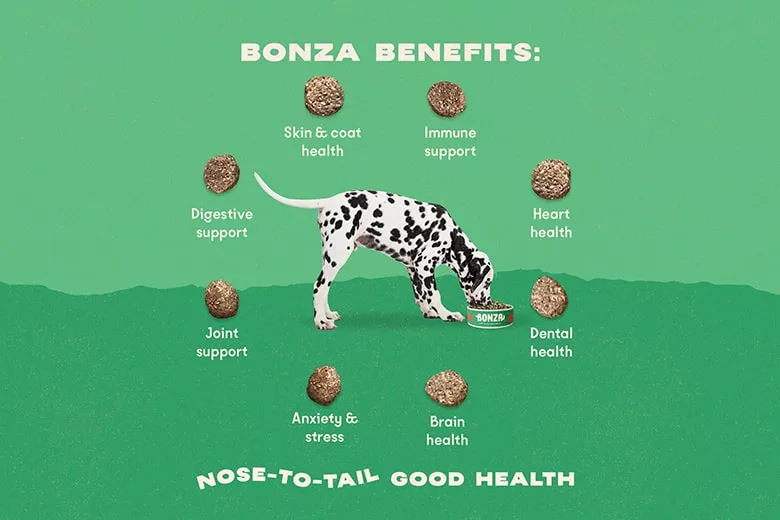
Bonza’s plant-based dog food includes a wide variety of ingredients with powerful, scientifically researched anti-inflammatory properties that will help to support a reduction in inflammation for your dog with arthritis, offering them more comfortable movement and natural pain relief.
Primary ingredients in Bonza providing this anti-inflammatory activity are oats and quinoa.
Offering synergistic support for these primary anti-inflammatories are our inflammation reducing herbs, botanicals, oils and supplements – turmeric, ginger, chamomile, echinacea, Reishi mushroom, Siberian ginseng, MSM (Methylsulfonylmethane), Glucosamine, pineapple, baobab, parsley, sage, rosemary, rapeseed oil, coconut oil, olive oil extract, kale, spinach, seaweed, seaweed extract and cranberries.
The premium plant-based food also includes an exceptional source of bioavailable Omega-3 which includes EPA, DHA and DPA fatty acids, DHAgold, which research demonstrates provides excellent anti-inflammatory benefits for dogs with arthritis.