
Treating Yeast Infections in Dogs – A Comprehensive Guide
Summary
Yeast infections in dogs are common, uncomfortable and often recurrent, leaving owners searching for clear, reliable advice. While antifungal medications are important for treating acute infections, long-term success depends on addressing the root causes — particularly the dog’s microbiome, immune balance, skin health and nutrition. This comprehensive guide explains why yeast infections develop, how to recognise them and the evidence-based strategies that promote lasting relief, including the crucial role of probiotics, prebiotics and postbiotics. The accompanying expert FAQ answers every major question owners search for when trying to understand and manage yeast infections in their dogs.
Key Takeaways
- Yeast infections are caused by overgrowth of naturally occurring fungi such as Malassezia and are strongly linked to microbiome imbalance, allergies and moisture.
- Symptoms include itching, inflamed skin, odour, ear discharge and persistent paw-licking.
- Probiotics, prebiotics and postbiotics help restore gut and skin microbial balance, supporting immune function and reducing the risk of recurrence.
- Diet, hygiene and allergy management are critical to long-term control.
- The expert FAQ below provides a complete, owner-friendly reference covering every important question.
Table of Contents
Understanding Yeast Infections in Dogs
- How yeast overgrowth occurs
- The connection between the microbiome and skin health
Common Symptoms and How Yeast Is Diagnosed
- What owners typically notice
- Veterinary diagnostic methods
How to Treat Yeast Infections in Dogs
- Veterinary treatments
- Home care and supportive strategies
- Gut–skin axis explained
- How prebiotics, probiotics and postbiotics help
Nutrition and Lifestyle Considerations
- Diet’s role in inflammation and microbiome balance
- Hygiene, moisture and environment management
- Yeast infections
- Diet and home remedies
- Probiotics, prebiotics and postbiotics
- Prevention and long-term management
Conclusion
Understanding Yeast Infections in Dogs
Yeast infections most commonly occur when Malassezia pachydermatis, a fungus naturally present on a dog’s skin and ears, multiplies beyond normal levels. In a balanced microbiome, beneficial bacteria keep yeast populations under control. However, a change in this natural equilibrium — often due to allergies, moisture, antibiotic use, hormonal shifts, weakened immunity or diet — allows yeast to flourish.
Warm, moist environments are ideal breeding grounds. This is why yeast infections frequently appear in:
- Ear canals
- Paws and between toes
- Armpits
- Groin area
- Skin folds
- Around the tail base
- Belly and lower abdomen
Dogs with underlying allergies (food or environmental), floppy ears or compromised skin barriers are especially prone to yeast-related issues.
Common Symptoms and How Yeast Is Diagnosed
Recognising a yeast infection early helps prevent chronic discomfort. Owners typically notice:
- Itching and irritation — often severe
- Musty, “yeasty” odour
- Red, inflamed skin
- Greasy or flaky patches
- Thickened or darkened skin (chronic cases)
- Brown or waxy discharge in the ears
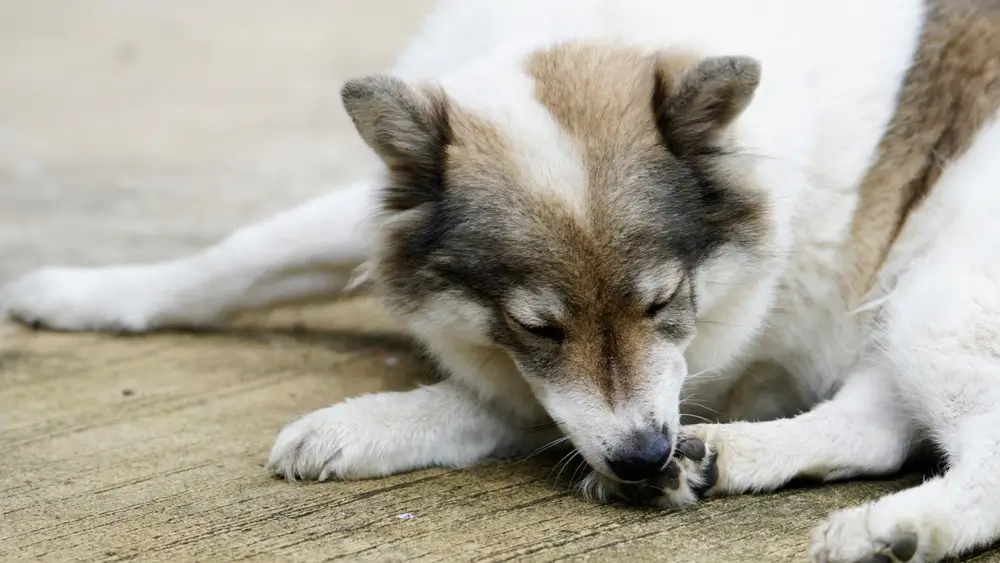
- Persistent paw licking or chewing
- Hair loss over affected areas
When a vet examines your dog, diagnosis usually includes cytology (microscopic examination) of a skin or ear swab. This confirms whether the problem is yeast, bacteria or a combination — essential for choosing the correct treatment.
How to Treat Yeast Infections in Dogs
Treatment depends on severity and location, but commonly includes:
1. Veterinary Antifungal Treatments
- Medicated ear drops
- Antifungal shampoos
- Systemic antifungal medications for recurring or severe infections
- Anti-inflammatory therapy if redness and swelling are significant
These are essential for clearing active overgrowth.
2. Moisture and Hygiene Management
- Keeping ears dry
- Cleaning paws after walks
- Using gentle, dog-safe cleansing products
- Managing skin folds in affected breeds
3. Identifying and Managing Underlying Causes
Because yeast infections often stem from deeper issues such as allergies or gut imbalance, long-term prevention requires addressing the root cause, not just symptoms.
Why the Microbiome Matters
The gut–skin axis is central to understanding yeast infections. Up to 70% of the immune system resides in the gut, and when the becomes unbalanced, the body’s ability to regulate inflammation and microbial populations elsewhere — including the skin and ears — is reduced.
How Probiotics Help
- Replenish beneficial bacteria
- Compete with yeast for resources
- Strengthen the immune system
- Reduce systemic and local inflammation
- Improve nutrient absorption
Certain strains are particularly effective for yeasty dogs, such as:
- Lactobacillus acidophilus
- Lactobacillus rhamnosus
- Bifidobacterium bifidum
- Bacillus coagulans
- Bacillus subtilis / velezensis
- Saccharomyces boulardii (beneficial yeast)
Why Prebiotics Matter
Prebiotics like MOS and FOS nourish beneficial bacteria, helping them thrive and outcompete harmful microbes.
The Role of Postbiotics
Postbiotics are the compounds produced by probiotics when they ferment prebiotics. They support:
- Gut barrier integrity
- Immune regulation
- Anti-inflammatory activity
Together, prebiotics, probiotics and postbiotics create a synergistic triad known as synbiotics — highly effective for dogs with microbiome disturbances and yeast-related issues.
Nutrition and Lifestyle Considerations
Diet alone cannot cause or cure yeast infections, but it plays a major role in inflammation, gut health and immune resilience.
Helpful nutritional strategies include:
- Reducing highly processed sugars and simple carbohydrates
- Avoiding food allergens where identified
- Feeding nutrient-dense, low-glycaemic vegetables
- Using diets that support skin and microbiome health
Environmental factors also matter:
- Keep ears and paws dry
- Manage exposure to environmental allergens
- Support immune health through daily microbiome care
Complete Expert FAQ: Yeast Infections + Prebiotics, Probiotics & Postbiotics
Causes, Symptoms & Diagnosis
Yeast infections occur when naturally present fungi such as Malassezia multiply excessively due to allergies, moisture, microbiome imbalance, antibiotic use, immune weakness or hormonal changes.
Ear canals trap warmth and moisture — ideal conditions for yeast. Dogs with allergies, floppy ears or recurrent wax build-up are at higher risk.
Itching, redness, odour, greasy skin, brown ear discharge, thickened skin, paw licking and hair loss.
No. They are caused by the dog’s own fungi and cannot be passed to humans or other animals.
Through clinical examination and cytology — microscopic evaluation of skin or ear samples.
Treatment & Management
No. They require treatment to avoid chronic or worsening symptoms.
Antifungal drops, medicated shampoos, systemic antifungals and anti-inflammatory therapy where indicated.
Yes, using medicated antifungal shampoos as prescribed can be beneficial.
Some, such as coconut oil and diluted apple cider vinegar (1:1), may help mildly due to antifungal properties but should support — not replace — veterinary care.
Diet & Home Remedies
Dietary yeast does not cause infections, but high-sugar foods and allergens can worsen inflammation or microbiome imbalance.
Plain, unsweetened yoghurt may offer mild probiotic benefits but varies greatly in effectiveness and may aggravate yeast if sugars are present.
It contains more probiotics and less lactose, but still should not replace canine-specific supplements.
Yes, if it contains sugar or if yeast is already actively feeding on available carbohydrates.
Prebiotics, Probiotics & Postbiotics
Live beneficial microorganisms that support balance in the gut and skin microbiome.
They regulate microbial populations, reduce inflammation and improve immune function, making yeast overgrowth less likely.
Lactobacillus acidophilus, L. rhamnosus, Bifidobacterium bifidum, Bacillus coagulans, Bacillus subtilis/velezensis, and Saccharomyces boulardii.
2–4 weeks for initial improvements, with continued benefits over several months.
Non-digestible fibres (e.g., MOS, FOS, chicory root) that feed beneficial bacteria.
Yes — by strengthening beneficial bacteria that naturally regulate yeast populations.
Bioactive compounds produced by probiotics that support gut barrier health and immune balance.
Occasionally mild, temporary digestive changes such as gas or loose stools.
Yes — by improving immune regulation, reducing inflammation and supporting barrier health.
Long-Term Prevention
Manage allergies, maintain microbiome support, keep ears dry, address diet quality and avoid unnecessary antibiotics.
Yes — breeds with floppy ears, thick skin folds or known allergy predispositions.
Stress can disrupt the microbiome and immune balance, increasing susceptibility.
Conclusion
Combining veterinary treatment with diet, hygiene, allergy management and comprehensive microbiome support — including targeted prebiotics, probiotics and postbiotics — offers the most effective long-term solution.