

The Science Behind Medicinal Mushrooms for Dogs: What Peer-Reviewed Research Actually Shows
Medicinal mushrooms for dogs are among the most scientifically compelling additions to canine nutrition, with a growing body of peer-reviewed research confirming what traditional medicine has suggested for thousands of years. From Reishi and Turkey Tail to Lion’s Mane and Shiitake, these fungi contain bioactive compounds that can support immune function, gut health, cognitive performance, and long-term resilience across multiple body systems.
The evidence is particularly strong for certain varieties. A landmark canine clinical trial at the University of Pennsylvania demonstrated that Turkey Tail polysaccharopeptide significantly delayed metastasis and extended survival in dogs with hemangiosarcoma, while a 2024 study confirmed that Reishi supplementation enhanced phagocytic activity and vaccine-specific immune response in healthy adult dogs.[1][3] This is not fringe wellness thinking; it is peer-reviewed veterinary science.
This guide covers the nine most relevant medicinal mushroom varieties for dogs, their bioactive compounds and mechanisms, gut health connections through Bonza’s gut-organ axis framework, safety considerations, how to use them, dosage guidance, and a detailed FAQ. All references have been independently verified for authors, DOIs, and PMIDs prior to publication.
Key Takeaways
- Medicinal mushrooms contain beta-glucans, triterpenes, and polysaccharides that can support immune function, gut health, and inflammation management in dogs.
- Turkey Tail (Trametes versicolor) has the strongest direct canine evidence, with clinical trials demonstrating extended survival times in dogs with hemangiosarcoma.
- Reishi (Ganoderma lucidum) has been shown to support phagocytic activity and vaccine-specific immune response in a 40-dog beagle trial.
- Lion’s Mane supports cognitive health via nerve growth factor (NGF) stimulation and has been shown to favourably shift gut microbiota composition in aged dogs.
- Not all medicinal mushrooms are appropriate for all dogs. Conditions including bleeding disorders, autoimmune disease, and immunosuppression require careful consideration and veterinary guidance.
- Wild foraged mushrooms pose a serious toxicity risk; always use verified, canine-specific supplements from quality-controlled sources.
- Reishi is incorporated into Bonza’s Superfoods and Ancient Grains complete food; Shiitake is included in the Boost whole-body wellness supplement.
In this guide:
- What Are Medicinal Mushrooms?
- Key Bioactive Compounds
- Health Benefits for Dogs
- Which Mushrooms Are Medicinal?
- Medicinal Mushrooms and Your Dog’s Gut Health
- Why Bonza Includes Medicinal Mushrooms
- Are Medicinal Mushrooms Safe for All Dogs?
- How to Give Your Dog Medicinal Mushrooms
- Medicinal Mushroom Dosage for Dogs
- Frequently Asked Questions
- Related Articles
- References
- Editorial Information
What Are Medicinal Mushrooms?
Medicinal mushrooms are fungi that contain biologically active compounds capable of exerting meaningful effects on health. They are distinct from culinary mushrooms primarily in the concentration and diversity of their bioactive constituents – most significantly polysaccharides (including beta-glucans), triterpenes, sterols, and peptidoglycans. These compounds interact with the immune system, the gut microbiome, the nervous system, and multiple metabolic pathways.
Used in traditional Chinese and Japanese medicine for thousands of years, medicinal mushrooms have entered mainstream veterinary and human nutrition research over the past two decades. Their value lies not in a single mechanism but in a multi-pathway approach to health – supporting the body’s own regulatory and defence systems rather than acting as a direct pharmaceutical agent. This is precisely why they integrate well with a whole-body approach to canine nutrition built on gut health as the foundation.
Key Bioactive Compounds in Medicinal Mushrooms
Understanding why medicinal mushrooms are beneficial starts with the compounds that drive their effects. The principal bioactives include the following.
Beta-glucans are polysaccharides found in the cell walls of mushrooms. They act as biological response modifiers, binding to pattern recognition receptors on immune cells (particularly macrophages and natural killer cells) and triggering a cascade of immune activation and regulation. Bonza has a dedicated guide to beta-glucans for dogs and their mechanisms.
Triterpenes (including ganoderic acids in Reishi) provide anti-inflammatory effects by inhibiting pro-inflammatory cytokine synthesis and have demonstrated antioxidant and liver-protective properties in multiple studies.
Polysaccharopeptides (PSP and PSK) are specific immunomodulatory compounds isolated primarily from Turkey Tail (Trametes versicolor) and are the most clinically studied of all mushroom-derived compounds, including in direct canine trials.
Hericenones and erinacines are unique to Lion’s Mane (Hericium erinaceus) and have been shown to stimulate the synthesis of nerve growth factor (NGF), supporting neuronal maintenance and cognitive function.
Ergothioneine is a naturally occurring antioxidant amino acid produced by fungi, present in particularly high concentrations in mushrooms. It protects cells from oxidative stress and has emerging evidence for anti-ageing and neuroprotective effects.
Health Benefits of Medicinal Mushrooms for Dogs
The health benefits of medicinal mushrooms for dogs span multiple systems. The most consistently evidenced include the following areas.
Immune system modulation is the most robustly documented benefit. Beta-glucans and polysaccharopeptides activate macrophages, natural killer cells, T-lymphocytes, and B-cells, enhancing the body’s ability to respond to pathogens and abnormal cells. This has direct relevance to cancer support, infection resistance, and vaccine response. Bonza’s broader immune health guide covers the nutritional foundations in detail.
Anti-inflammatory action is supported by triterpenes and polysaccharides that downregulate pro-inflammatory cytokines including TNF-alpha and interleukins. This is particularly relevant for dogs with chronic inflammatory conditions, skin issues, and joint discomfort. See also Bonza’s guide to anti-inflammatory food ingredients for dogs.
Gut microbiome support via prebiotic-like polysaccharides promotes the growth of beneficial SCFA-producing bacteria, reduces pathobiont populations, and supports mucosal integrity, all of which feed directly into Bonza’s gut-organ axis framework discussed below.
Cognitive and neurological support via NGF stimulation (Lion’s Mane) supports neuronal maintenance and may slow cognitive decline, particularly relevant for older dogs experiencing canine cognitive dysfunction.
Antioxidant protection from ergothioneine and polysaccharide-bound antioxidants helps reduce oxidative stress across all tissues, contributing to healthspan extension. Bonza’s article on the best antioxidants for dogs covers this more fully.
Cancer adjunct support, particularly for Turkey Tail, is the most clinically documented application in dogs, with two peer-reviewed canine trials evaluating PSP in hemangiosarcoma.[3][4]
Which Mushrooms Are Medicinal?
Nine medicinal mushroom varieties have the strongest evidence base and most relevance to canine health. The comparison table below summarises the key distinctions; full detail on each variety follows.
| Mushroom | Primary Benefits | Key Bioactives | Canine Evidence |
|---|---|---|---|
| Reishi (Ganoderma lucidum) | Immune modulation, anti-inflammatory, liver support, adaptogenic | Beta-glucans, ganoderic acids (triterpenes), polysaccharides | Direct – 40-dog beagle RCT (2024)[1] |
| Turkey Tail (Trametes versicolor) | Cancer adjunct support, immune activation, gut prebiotic | PSP, PSK, beta-glucans | Direct – canine clinical trials (2012, 2022)[3][4] |
| Lion’s Mane (Hericium erinaceus) | Cognitive health, nerve regeneration, gut microbiome support | Hericenones, erinacines, beta-glucans, ergothioneine | Direct – canine gut microbiota study (2022)[6] |
| Shiitake (Lentinula edodes) | Immune support, cardiovascular health, anti-inflammatory | Lentinan (beta-glucan), eritadenine, selenium | Indirect – in vitro and general mammalian models |
| Cordyceps (Cordyceps militaris) | Energy, stamina, respiratory support, kidney health | Cordycepin, adenosine, polysaccharides | Indirect – in vitro and rodent studies |
| Maitake (Grifola frondosa) | Immune activation, blood sugar regulation, weight management | Beta-glucans (D-fraction), lectins, antioxidants | Indirect – human and murine models |
| Oyster (Pleurotus ostreatus) | Immune support, cholesterol management, antioxidant | Beta-glucans, lovastatin, ergothioneine | Indirect – in vitro and general mammalian studies |
| Agaricus (Agaricus blazei) | Immune activation, anti-tumour support, blood glucose regulation | Beta-glucans, ergosterol, proteoglucans | Indirect – in vitro and murine models |
| Tremella (Tremella fuciformis) | Skin hydration, immune support, anti-inflammatory | Glucuronoxylomannan polysaccharides, dietary fibre | Indirect – in vitro and general mammalian studies |
Reishi (Ganoderma lucidum) for Dog
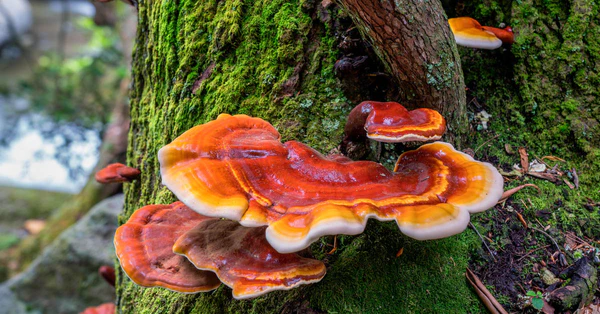
Reishi, known as the “Mushroom of Immortality” in traditional Chinese medicine, has been used for over 4,000 years. It has a tough, woody texture and is far more suited to supplemental extracts than culinary use. For dogs, it is one of the most relevant medicinal mushrooms, with both mechanistic and direct canine research available.
Key bioactives: Beta-glucans (primarily 1,3/1,6 glucans), ganoderic acids (triterpenes), peptidoglycans, and ergosterol. The beta-glucans are recognised as the primary immunomodulators, while ganoderic acids are responsible for anti-inflammatory and antitumour properties.[1][2]
Mechanisms: Beta-glucans bind to pattern recognition receptors on macrophages and NK cells, triggering immune activation. Ganoderic acids inhibit pro-inflammatory cytokine synthesis. Polysaccharides from Reishi modulate B and T lymphocytes, dendritic cells, macrophages, and NK cells, promoting both innate and adaptive immune responses.[2]
Canine evidence: A 2024 randomised study at the University of Illinois involving 40 adult beagles found that dietary supplementation with Reishi at 15 mg/kg body weight daily increased phagocytic activity and produced a significantly greater vaccine-specific IgG response to rabies vaccination compared with controls (P=0.0384). The study reported no adverse effects on nutrient digestibility, fecal microbiota, or skin and coat health at any dose tested.[1]
Best for: Dogs needing immune support, those with allergies, older dogs, and as a daily adaptogenic addition to support long-term resilience.
For the comprehensive treatment of Reishi for dogs including the full pharmacological profile, the gut-organ axis mechanisms, dosage guidance, and how Bonza incorporates Reishi via cold-extrusion processing in Superfoods & Ancient Grains, see Reishi Mushroom for Dogs: Benefits, Dosage, and the Canine Evidence.
Turkey Tail (Trametes versicolor) for Dogs
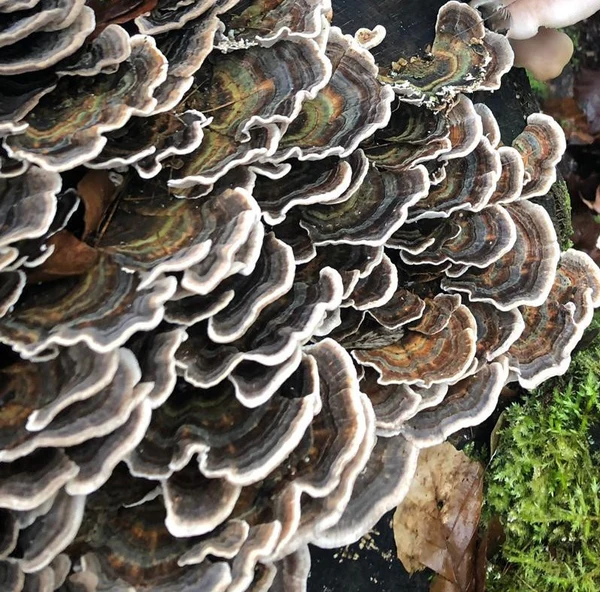
Turkey Tail is the most extensively researched medicinal mushroom in veterinary oncology. Named for its colourful, fan-like appearance, it contains two of the most studied immunomodulatory compounds in mushroom science – polysaccharopeptide (PSP) and polysaccharide-K (PSK).
Key bioactives: Polysaccharopeptide (PSP), polysaccharide-K (PSK), beta-glucans, and antioxidant compounds. PSP and PSK are both beta-glucan-class compounds with documented immunomodulatory and antitumour activities.
Mechanisms: PSP and PSK stimulate the production and activity of T-cells, B-cells, macrophages, and NK cells. They also have direct antimetastatic and antiangiogenic properties demonstrated in multiple models. Beta-glucans bind to dectin-1 receptors on immune cells, amplifying the immune cascade.
Canine evidence: This is the mushroom with the strongest direct canine cancer data. A landmark pilot clinical trial at the University of Pennsylvania’s School of Veterinary Medicine gave PSP from Turkey Tail to 15 dogs with naturally occurring hemangiosarcoma. Dogs receiving the highest dose (100 mg/kg/day) recorded the longest survival times ever reported for this cancer at that time, a median survival of up to 199 days, compared with a historical average of 19-86 days without treatment, and without the adverse effects associated with chemotherapy.[3] A subsequent prospective randomised clinical trial further evaluated PSP alone and in combination with doxorubicin, finding that male dogs receiving PSP alone achieved outcomes comparable to chemotherapy alone.[4] PSK has also been approved as an adjuvant cancer treatment in Japan.[3]
Gut health: Turkey Tail polysaccharides act as a prebiotic, selectively promoting beneficial gut bacteria. This connects directly to the gut-immune axis, supporting systemic immune function via the microbiome.
Best for: Dogs with cancer (as an adjunct under veterinary supervision), dogs with compromised immunity, and immune maintenance in healthy dogs.
Lion’s Mane (Hericium erinaceus) for Dogs
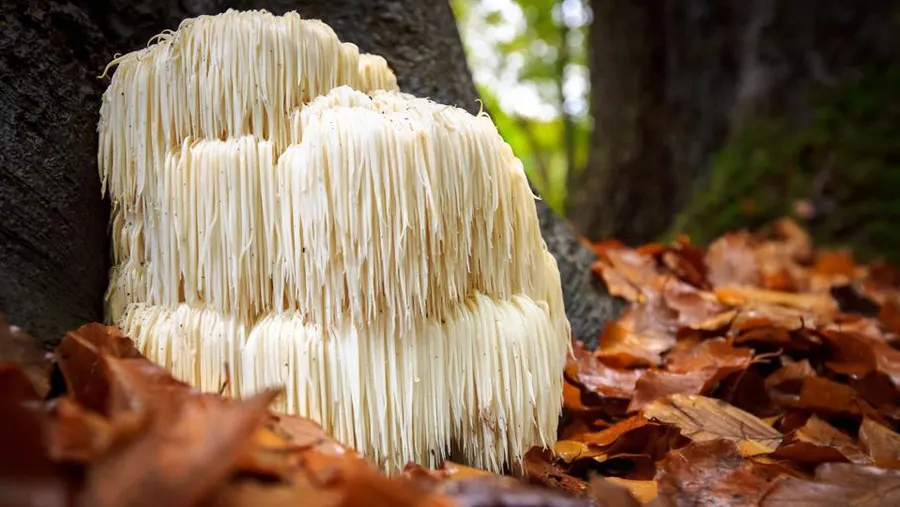
Lion’s Mane is distinguished from all other medicinal mushrooms by its unique effects on the nervous system. Its cascading, spiny appearance gives it a resemblance to a lion’s mane; its value to cognitive health in dogs gives it particular relevance as dogs age.
Key bioactives: Hericenones (from the fruiting body), erinacines (from the mycelium), beta-glucans, ergothioneine, and polysaccharides. Erinacines are the primary bioactives shown to stimulate NGF synthesis, acting via JNK signalling pathways in cell and murine models.[5] Hericenones contribute to neuroprotective activity through separate mechanisms; research has confirmed that specific isolated hericenones do not share the same NGF-stimulating pathway as erinacines.[5]
Mechanisms: Erinacines stimulate NGF synthesis via JNK signalling pathways, increasing NGF mRNA expression in neural tissue.[5] NGF is essential for the survival, growth, and maintenance of neurons, particularly in the basal forebrain cholinergic system. Beta-glucans provide anti-inflammatory support in the gut and systemically, and polysaccharides act as prebiotic substrates that shift gut microbiota composition.[6]
Canine evidence: A 2022 study assessed the impact of Lion’s Mane supplementation on gut microbiota composition in 18 aged dogs (11 years) over 16 weeks. Dogs fed the higher dose (0.8 g/kg) showed a significant shift in gut microbial community, specifically increased Bacteroidetes and reduced populations of Campylobacteraceae, Firmicutes genera Streptococcus and Tyzzerella. The researchers concluded that Lion’s Mane can regulate gut microbial community in aged dogs, with potential downstream benefits for immunity and metabolic health.[6]
Best for: Senior dogs showing signs of cognitive decline, dogs with cognitive health concerns, and dogs with digestive inflammation. Relevant to the gut-brain axis.
Shiitake (Lentinula edodes) for Dogs
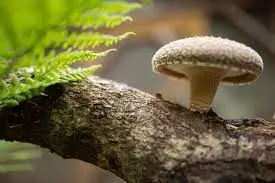
Shiitake is the world’s second most commonly cultivated edible mushroom and one of the most nutritionally complete. Beyond its role as a food, Shiitake contains lentinan, one of the most studied beta-glucan compounds in cancer research.
Key bioactives: Lentinan (a branched beta-1,3/1,6-D-glucan), eritadenine, selenium, B vitamins, and ergosterol (a precursor to vitamin D2).
Mechanisms: Lentinan is a potent immune-modulating agent that enhances T-lymphocyte activity and macrophage function. It has demonstrated anti-tumour properties across multiple in vitro and in vivo models. Eritadenine supports cardiovascular health by reducing cholesterol biosynthesis and improving lipid metabolism. Selenium provides antioxidant support at the cellular level.
Evidence note: While direct canine RCTs for Shiitake are limited, lentinan has been used clinically in human integrative oncology for decades, particularly in Japan, and its immunological mechanisms are well characterised in mammalian models. Use in dogs should be guided by a veterinary professional.
Best for: Dogs needing immune support, those with cardiovascular concerns, and as a broad-spectrum nutritional mushroom. Relevant to the gut-heart axis.
Cordyceps (Cordyceps militaris) for Dogs
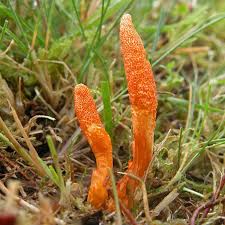
Cordyceps militaris (the cultivated form, preferred over wild-sourced Ophiocordyceps sinensis) is valued for its energy-boosting, respiratory, and kidney-supportive properties. It has been used in traditional Chinese and Tibetan medicine for over 1,500 years.
Key bioactives: Cordycepin (3′-deoxyadenosine), adenosine, and polysaccharides. Cordycepin is structurally similar to adenosine and acts on the same receptors, supporting energy metabolism and exerting anti-inflammatory effects.
Mechanisms: Cordycepin improves cellular energy metabolism by modulating adenosine signalling, enhancing ATP production and oxygen utilisation. Polysaccharides support immune function via beta-glucan mechanisms. Adenosine improves vasodilation and tissue oxygenation.
Evidence note: Canine-specific studies on Cordyceps are currently limited. Evidence comes primarily from rodent and in vitro studies. For dogs with kidney concerns, particular caution and veterinary guidance are advised before use, as kidney effects require monitoring.
Best for: Active and working dogs needing stamina support, and dogs with respiratory health concerns. Always under veterinary guidance for dogs with kidney or liver conditions.
Maitake (Grifola frondosa) for Dogs
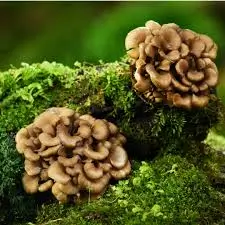
Maitake, meaning “dancing mushroom” in Japanese, is a large, leafy fungus prized in both traditional medicine and modern integrative nutrition. Its D-fraction beta-glucan is among the most studied for immune activation.
Key bioactives: Beta-glucans (particularly the D-fraction polysaccharide), lectins, polysaccharides, and antioxidants.
Mechanisms: The D-fraction activates macrophages, T-cells, and NK cells via pattern recognition receptors, enhancing immune surveillance. Maitake polysaccharides have also been shown in murine models to support insulin sensitivity and glucose metabolism, relevant to gut-metabolic axis function. Lectins play a role in carbohydrate binding and immune cell signalling.
Best for: Dogs needing immune support, dogs prone to weight gain, and diabetic dogs (always under veterinary supervision for blood glucose monitoring). Supports healthy weight management.
Oyster Mushroom (Pleurotus ostreatus) for Dogs
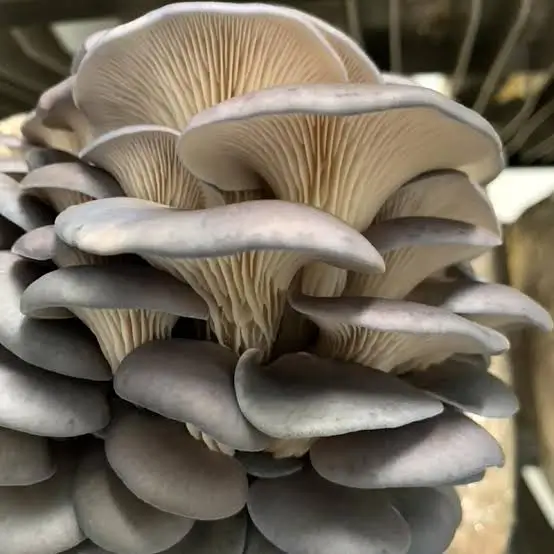
Oyster mushrooms are among the most nutritionally rich of the edible medicinal mushrooms. They are widely cultivated, making quality control straightforward, and are gentle enough for regular inclusion in canine nutrition.
Key bioactives: Beta-glucans, lovastatin (a natural statin), ergothioneine, and antioxidants. Lovastatin is the same compound used pharmaceutically to lower cholesterol, though at naturally occurring concentrations in mushroom form, the dose is far lower.
Mechanisms: Beta-glucans provide immune activation via standard macrophage and NK cell pathways. Lovastatin supports cholesterol management through HMG-CoA reductase inhibition. Ergothioneine protects against oxidative stress and inflammatory cell damage. These effects connect to the gut-heart axis.
Best for: Dogs needing broad immune and antioxidant support, and those with cardiovascular health considerations.
Agaricus (Agaricus blazei) for Dogs
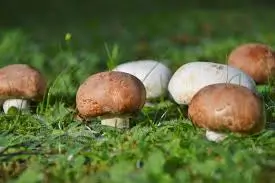
Agaricus blazei, native to Brazil and widely used in integrative oncology, contains some of the highest concentrations of immunomodulatory beta-glucans of any mushroom. It has been widely studied in the context of cancer adjunct support in human medicine.
Key bioactives: Beta-glucans (including beta-1,3-D-glucan and beta-1,6-D-glucan), ergosterol (precursor to vitamin D2), and proteoglucans.
Mechanisms: Beta-glucans activate macrophages, NK cells, and T-cells, enhancing anti-tumour and anti-infective immunity. Proteoglucans have demonstrated anti-tumour activity in in vitro models. Ergosterol supports immune-related vitamin D2 synthesis. Blood glucose regulation via polysaccharide effects on insulin sensitivity has also been documented in murine models.
Best for: Dogs requiring broad immune support, those undergoing integrative cancer support under veterinary guidance, and dogs with blood sugar management needs.
Tremella (Tremella fuciformis) for Dogs
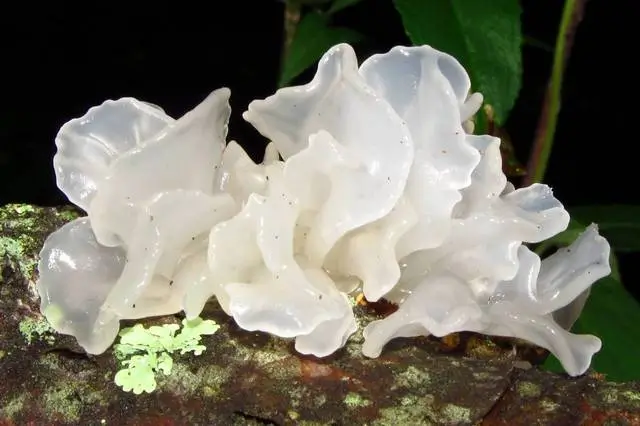
Tremella, or snow fungus, is a white, gelatinous mushroom used in traditional Chinese medicine for its skin-supportive and anti-ageing properties. Its distinctive polysaccharides have hygroscopic properties comparable to hyaluronic acid, making it uniquely relevant to skin and coat health.
Key bioactives: Glucuronoxylomannan polysaccharides and dietary fibre. These polysaccharides have a high molecular weight and moisture-retaining capacity, contributing to skin hydration from within.
Mechanisms: Polysaccharides modulate immune response via standard beta-glucan pathways and support moisture retention in skin tissue. Dietary fibre acts as a prebiotic substrate supporting gut microbiome diversity, connecting to the gut-skin axis. Antioxidant activity reduces oxidative damage that contributes to skin ageing and inflammation.
Best for: Dogs with skin and coat issues, those with inflammatory skin conditions, and dogs where skin resilience is a priority.
Medicinal Mushrooms and Your Dog’s Gut Health
At Bonza, gut health is the foundation of whole-dog health, expressed through the principle “One Gut. Whole Dog.” Medicinal mushrooms are uniquely well-positioned within this framework because they influence the gut microbiome directly (as prebiotic substrates), the gut immune system (via beta-glucan receptor signalling in GALT, the gut-associated lymphoid tissue), and multiple gut-organ axes.
The gut-immune axis is perhaps the most directly affected. Approximately 70-80% of immune tissue resides in the gut, and the polysaccharides in medicinal mushrooms interact with this tissue to calibrate immune responses. Turkey Tail PSP, for example, acts as a prebiotic that selectively promotes beneficial bacteria, which in turn supports systemic immunity through SCFA production and epithelial barrier integrity.
Lion’s Mane directly shifts gut microbiota composition in dogs, as demonstrated in the 2022 canine study.[6] By increasing Bacteroidetes and reducing pathobionts such as Campylobacter and Streptococcus, it creates a more stable, less inflammatory gut environment, with downstream benefits that extend through the gut-brain axis and gut-longevity axis.
Reishi’s polysaccharides, having demonstrated no negative impact on fecal microbiota in the 2024 beagle study, appear to exert their immune benefits primarily through GALT signalling rather than direct microbiome disruption, an important distinction for dogs with sensitive digestive systems.[1]
For a deeper understanding of how gut health drives whole-dog wellbeing, see Bonza’s microbiome pillar: The Dog Gut Microbiome – Vital Key To Dog Health.
Why Bonza Includes Medicinal Mushrooms
Bonza’s formulation philosophy is grounded in peer-reviewed nutritional science. Medicinal mushrooms are not a marketing claim at Bonza; they are included because the evidence for specific varieties in specific roles is compelling, and because they integrate directly with Bonza’s gut-first, whole-dog approach.
Reishi in Superfoods and Ancient Grains: Reishi (Ganoderma lucidum) is incorporated into Bonza’s flagship Superfoods and Ancient Grains complete food. Cold extrusion at 70°C preserves the bioactivity of Reishi’s heat-sensitive polysaccharides and triterpenes, a critical advantage over conventional high-heat pet food processing. The 2024 canine beagle study confirms that dietary inclusion of Reishi can support immune function without disrupting gut microbiota or nutrient digestibility, an ideal profile for a complete daily food ingredient.[1]
Shiitake in Boost: Shiitake (Lentinula edodes) is included in Bonza’s Boost whole-body daily wellness supplement. Shiitake’s lentinan provides immune modulation, its eritadenine supports cardiovascular health via cholesterol management, and its selenium delivers antioxidant support across multiple organ systems. This multi-pathway action aligns precisely with Boost’s positioning as a comprehensive daily wellness product for dogs on raw, home-cooked, or plant-based diets.
Boost is a Full Biotics Triad product, combining prebiotics, the live probiotic Bacillus velezensis (Calsporin®), and postbiotic activity via TruPet™, making Shiitake’s prebiotic-like polysaccharide action a natural complement to the supplement’s broader gut-health architecture.
Are Medicinal Mushrooms Safe for All Dogs?
Medicinal mushrooms have a strong safety profile in dogs when correctly identified, quality-controlled, and appropriately dosed. However, they are not universally appropriate. The following conditions require particular caution and veterinary consultation before use.
Bleeding disorders: Reishi may affect platelet aggregation and blood clotting. Dogs with von Willebrand disease, thrombocytopaenia, or those on anticoagulant medications should not receive Reishi supplementation without veterinary oversight.
Low blood pressure: Reishi has hypotensive effects and should be used with caution in dogs prone to hypotension or those on cardiac medication affecting blood pressure.
Autoimmune and immune-mediated disorders: Immune-stimulating mushrooms (Turkey Tail, Maitake, Agaricus) can amplify immune activity. In dogs with autoimmune conditions such as immune-mediated haemolytic anaemia or polyarthritis, this stimulation may be counterproductive. Veterinary guidance is essential.
Liver and kidney disease: Cordyceps and some other varieties affect renal and hepatic function and require careful monitoring in dogs with compromised organ function. Do not use without veterinary supervision.
Concurrent medication: Any dog on immunosuppressant drugs, chemotherapy, or anticoagulant therapy should have mushroom supplementation reviewed by a veterinarian before commencing, due to potential interactions.
Pre-surgical use: Due to potential effects on clotting, it is advisable to discontinue all medicinal mushroom supplements at least two weeks before any planned surgery.
Mushrooms That Are Toxic to Dogs
Important: Wild foraged mushrooms present a serious and potentially fatal toxicity risk. Dogs should never be allowed access to unidentified wild mushrooms. The following species are among the most dangerous to dogs and must be avoided entirely.
- Amanita species (including Death Cap and Destroying Angel) – cause acute liver failure; potentially fatal
- Galerina species – contain amatoxins; potentially fatal
- Gyromitra species – contain gyromitrin, which metabolises to monomethylhydrazine; hepatotoxic
- Inocybe species – contain muscarine; cause nervous system effects
If your dog has consumed a wild mushroom, contact your veterinarian or an emergency animal poison line immediately. Never wait for symptoms to develop.
For canine use, always choose quality-controlled supplements from reputable manufacturers who can provide third-party testing for identity, purity, and heavy metal content. Avoid supplements where the mushroom species cannot be confirmed.
How to Give Your Dog Medicinal Mushrooms
The safest and most effective approach to giving your dog medicinal mushrooms combines quality product selection, appropriate dosing, gradual introduction, and ongoing monitoring.
- Speak to your veterinarian first
Before introducing any medicinal mushroom supplement, discuss it with a veterinarian, ideally one with experience in integrative or holistic canine medicine. This is particularly important for dogs on medication, those with chronic health conditions, or those currently undergoing cancer treatment. A vet can confirm whether a specific mushroom variety is appropriate for your dog’s individual health status.
- Choose a quality-controlled canine product
Select a supplement that specifies the mushroom species (Latin name, not just common name), the part of the mushroom used (fruiting body vs. mycelium, as these have different bioactive profiles), and the beta-glucan content. Look for products with third-party testing for identity, purity, and heavy metals. Avoid products where the active mushroom content cannot be verified.
- Introduce gradually over 7-10 days
Begin at 25-50% of the recommended dose for the first week, mixed into your dog’s usual food. This allows the digestive system to adapt and makes it easier to identify any individual sensitivity. Some dogs may initially experience mild digestive changes, which typically resolve within a few days as the gut microbiome adjusts.
- Maintain consistent daily use
Medicinal mushrooms work through sustained, cumulative interaction with the immune system and gut microbiome, not as a single-dose intervention. Consistent daily use, ideally given at the same time each day with a meal, produces the best outcomes. Polysaccharides in particular require regular intake to maintain receptor-level immune calibration.
- Monitor and review quarterly
Observe your dog for any changes in energy, stool consistency, coat condition, or behaviour in the first two weeks. Schedule a veterinary review at 3 months to assess whether the supplementation is producing the intended benefit and whether the dose or variety needs adjustment based on your dog’s response.
Medicinal Mushroom Dosage for Dogs
Dosage guidance for medicinal mushrooms varies by species, product concentration, extraction method, and the health goal being addressed. The table below provides general reference ranges based on available research and veterinary integrative medicine guidance. These are indicative figures only. Always follow the dosage on your chosen canine supplement and seek veterinary input for dogs with specific health conditions.
| Mushroom | General Daily Dose | Key Notes |
|---|---|---|
| Reishi | 5-15 mg/kg body weight | 15 mg/kg demonstrated immune benefit in 40-dog beagle study.[1] Start low; avoid in dogs with bleeding disorders. |
| Turkey Tail (PSP) | 25-100 mg/kg body weight | 100 mg/kg used in canine hemangiosarcoma trial; lower doses for immune maintenance. Vet guidance essential for cancer applications.[3] |
| Lion’s Mane | 0.4-0.8 g/kg body weight | Doses used in canine gut microbiota study. Best effect at higher dose for microbiome shift.[6] |
| Shiitake | 50-200 mg/kg body weight (dried, powdered) | Dose derived from human integrative oncology guidelines scaled to canine bodyweight. Third-party verified products preferred. |
| Cordyceps | 25-100 mg/kg body weight | Use C. militaris (cultivated) rather than wild-sourced C. sinensis. Veterinary input essential for dogs with renal concerns. |
| Maitake, Oyster, Agaricus, Tremella | Follow product-specific guidance | Less canine-specific data available. Use a reputable canine supplement; introduce gradually. Vet consultation recommended. |
Note: Dosage figures represent general guidance derived from published research. They are not a replacement for veterinary advice and should not be used to self-prescribe therapeutic doses for a dog with an active health condition. Always consult your vet, particularly for cancer, kidney disease, autoimmune conditions, or dogs on medication.
Frequently Asked Questions
Yes, most medicinal mushrooms are appropriate for daily use in healthy adult dogs, provided they are given at appropriate doses from quality-controlled sources. Medicinal mushrooms work through sustained, cumulative mechanisms, particularly immune modulation via beta-glucan receptor signalling, making consistent daily use more effective than intermittent supplementation. Always introduce gradually and review with your vet every three to six months.
Turkey Tail (Trametes versicolor) has the most direct canine evidence for cancer support. Two peer-reviewed clinical trials have evaluated its PSP compound in dogs with hemangiosarcoma. The 2012 University of Pennsylvania pilot trial demonstrated the longest survival times ever reported for this cancer at that time, with a median of up to 199 days at the highest dose.[3] The 2022 follow-up trial found that male dogs receiving PSP alone achieved outcomes comparable to chemotherapy alone, though results were mixed across the full study population, with female dogs showing less benefit.[4] It should be used as an adjunct to, not a replacement for, conventional veterinary oncology treatment, and always under the guidance of a veterinary oncologist or integrative vet.
There is currently no peer-reviewed research evaluating medicinal mushroom supplementation specifically in puppies. Given that the immune system is still developing during the first year of life, the use of immune-modulating supplements in puppies is generally not recommended without specific veterinary guidance. Focus on a complete, balanced diet appropriate for growth. Consult your vet before introducing any supplement to a puppy.
Many commercial canine mushroom supplements contain blends of multiple varieties, which is generally considered safe and may provide complementary benefits. However, when combining different mushrooms, start with one variety at a time to establish tolerance before introducing a second. Be mindful of cumulative immune stimulation if your dog has an autoimmune condition, and reduce individual doses proportionally when using blends. Veterinary input is recommended if your dog has any underlying health conditions.
For dogs, high-quality supplements made from dried, extracted mushroom material are generally preferable to fresh mushrooms for two reasons: concentration and bioavailability. Cooking mushrooms can help break down chitin cell walls, making polysaccharides more bioavailable. Extract-based supplements, particularly hot-water extracts which solubilise polysaccharides, typically deliver more consistent and effective doses of the key bioactives than raw or dried whole mushroom. Look for products that specify their extraction method and provide a guaranteed beta-glucan percentage.
Yes, interactions are possible. The most significant known interactions include: Reishi with anticoagulant drugs (increased bleeding risk), immune-stimulating mushrooms (Turkey Tail, Agaricus, Maitake) with immunosuppressant drugs (may partially counteract the medication’s effect), and Cordyceps with medications affecting kidney function. If your dog is on any regular medication, disclose all supplements to your veterinarian before use.
The fruiting body is the visible above-ground structure of the mushroom. The mycelium is the root-like network below. Fruiting body products generally contain higher concentrations of polysaccharides, triterpenes, and other bioactives in a form without grain filler. Some mycelium products are grown on grain substrates such as oats or rice and may contain significant amounts of starch rather than pure mushroom material. When selecting a supplement, look for fruiting body extracts with a guaranteed beta-glucan percentage and transparent sourcing information.
Most medicinal mushrooms are well-tolerated digestively, but any new supplement can cause mild changes in stool consistency initially. Introduce at 25-50% of the recommended dose for the first week and increase gradually. If digestive sensitivity persists beyond two weeks, switch variety or reduce the dose and consult your vet. Lion’s Mane, in particular, has shown positive effects on gut microbiota composition in dogs and may be a particularly gentle starting point for sensitive individuals.
Related Articles
- Beta-Glucans for Dogs: Superchargers for Dog Health
- Reishi Mushroom for Dogs: Benefits, Dosage, and the Canine Evidence
- How to Boost Your Dog’s Immune System Naturally
- The Gut-Immune Axis in Dogs: How Gut Health Supports Immune Health
- The Gut-Brain Axis in Dogs: Nutritional Impact
- The Gut-Longevity Axis in Dogs: Increased Healthspan
- Bioactive Ingredients: Enhancing Dog Health Naturally
- Adaptogens for Dogs with Cancer
- The Dog Gut Microbiome – Vital Key To Dog Health
- Best Antioxidants for Dogs
References
- Kayser E, Castaneda PL, Soto-Diaz K, Steelman AJ, Murphy A, Spindola M, He F, de Godoy MRC. Functional properties of Ganoderma lucidum supplementation in canine nutrition. J Anim Sci. 2024;102:skae051. doi: 10.1093/jas/skae051. PMID: 38417056.
- Lin ZB. Cellular and molecular mechanisms of immuno-modulation by Ganoderma lucidum. J Biomed Sci. 2005;12(1):20-7. doi: 10.1007/s11373-004-8129-9. PMID: 16230843.
- Brown DC, Reetz J. Single agent polysaccharopeptide delays metastases and improves survival in naturally occurring hemangiosarcoma. Evid Based Complement Alternat Med. 2012;2012:384301. doi: 10.1155/2012/384301. PMID: 22988457.
- Gedney A, Salah P, Mahoney JA, Krick E, Martins R, Scavello H, Lenz JS, Atherton MJ. Evaluation of the anti-tumour activity of Coriolus versicolor polysaccharopeptide (I’m-Yunity) alone or in combination with doxorubicin for canine splenic hemangiosarcoma. Vet Comp Oncol. 2022;20(3):688-696. doi: 10.1111/vco.12823. PMID: 35442554.
- Mori K, Obara Y, Hirota M, Azumi Y, Kinugasa S, Inatomi S, Hirasawa N. Nerve growth factor-inducing activity of Hericium erinaceus in 1321N1 human astrocytoma cells. Biol Pharm Bull. 2008;31(9):1727-32. doi: 10.1248/bpb.31.1727. PMID: 18758067.
- Cho HW, Choi S, Seo K, Kim KH, Jeon JH, Kim CH, Lim S, Jeong S, Chun JL. Gut microbiota profiling in aged dogs after feeding pet food contained Hericium erinaceus. J Anim Sci Technol. 2022;64(5):937-949. doi: 10.5187/jast.2022.e66. PMID: 36287790.
Editorial Information
| Author | Glendon Lloyd Dip.Canine.Nutrition Dip.Dog.Nutrigenomics, Founder, Bonza |
| Author page | bonza.dog/glendon-lloyd-canine-nutrition-genomics-expertise/ |
| Original publication date | 09/08/2024 |
| Last reviewed and updated | May 2026 |
| Editorial standard | All references independently verified for author names, DOIs, PMIDs, study titles, core claims, and proposed mechanisms prior to publication, in accordance with Bonza’s 18-point EEAT editorial checklist. References 1-6 confirmed as published, peer-reviewed studies accessible via PubMed or PubMed Central. References citing indirect (non-canine) evidence are labelled as such within the article. Claims consistent with ASA guidelines for health and nutrition communication. |
| Conflicts of interest | Bonza produces and sells dog food and supplements containing ingredients discussed in this article (Reishi in Superfoods and Ancient Grains; Shiitake in Boost). This is disclosed within the article and does not influence the scientific content, which is based on peer-reviewed published evidence. |