
Summary
Staffordshire Bull Terriers (Staffies) are known for their loyalty, courage, and affectionate nature. However, like all breeds, they are prone to certain health issues that owners should be aware of. This comprehensive guide explores common Staffordshire Bull Terrier health problems, their symptoms, causes, and treatment options. It also offers in-depth nutritional strategies to support and prevent these conditions.
Table of Contents
Introduction to Staffordshire Bull Terriers
- Overview of the Breed
- Unique Physical Characteristics
Common Health Problems in Staffordshire Bull Terriers
- Hip Dysplasia
- Elbow Dysplasia
- Skin Allergies (Atopic Dermatitis)
- Patellar Luxation
- Heart Disease (Aortic Stenosis)
- Cataracts
- Progressive Retinal Atrophy (PRA)
- L-2-Hydroxyglutaric Aciduria (L2HGA)
- Cruciate Ligament Injuries
- Obesity and Related Complications
Physiological Causes of Health Issues
- Genetic Predispositions
- Structural and Physiological Traits
- Environmental and Lifestyle Factors
Symptoms and Treatment Protocols
- Recognising Health Issues in Staffordshire Bull Terriers
- Medical and Surgical Interventions
- Nutrition and Health Issues
- Joint and Bone Health
- Skin and Coat Health
- Eye Health
- Cardiovascular Support
- Digestive Health and Immunity
- Weight Control
- Do Staffordshire Bull Terriers have a lot of health problems?
- What are specific health problems in Staffordshire Bull Terriers?
- What is the life expectancy of a Staffordshire Bull Terrier?
- How can I prevent health issues in my Staffy?
- Are Staffordshire Bull Terriers prone to allergies?
Best Food for Staffordshire Bull Terrier Health Issues
Introduction to Staffordshire Bull Terriers
Overview of the Breed
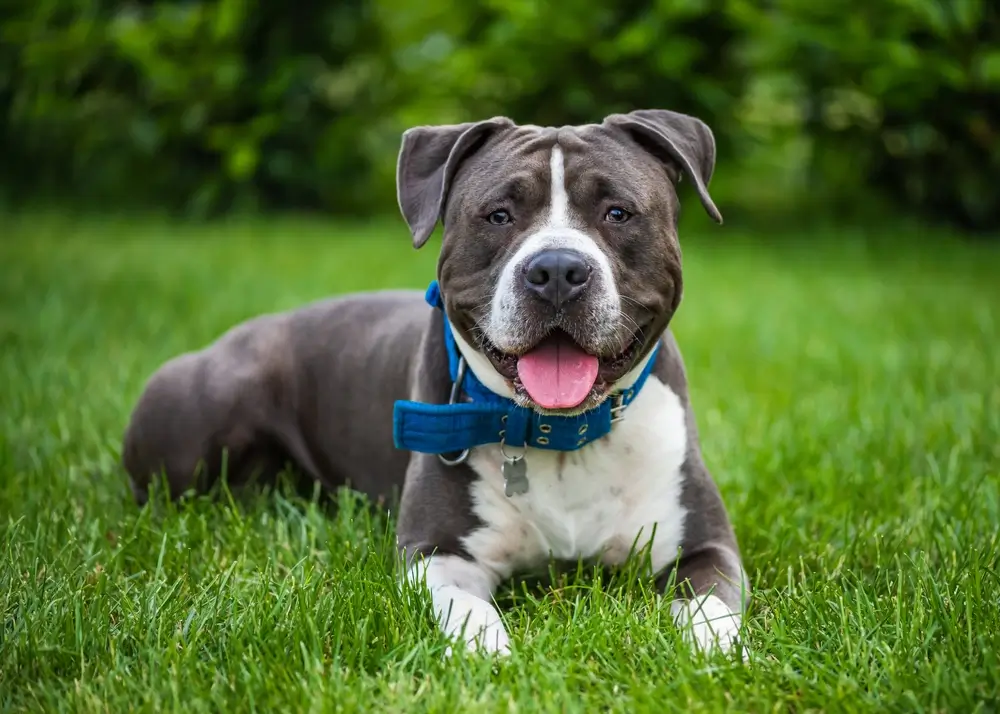
The Staffordshire Bull Terrier, often called the Staffy, is a medium-sized, muscular breed originating from the United Kingdom. Known for their bravery and affectionate disposition, Staffies are versatile family pets and reliable working dogs.
Unique Physical Characteristics
Staffies have a distinctive muscular build, broad head, and strong jaw. Their short coat is easy to maintain but can make them prone to skin issues. Their active nature and compact structure can also lead to specific joint and skeletal health concerns.
Common Health Problems in Staffordshire Bull Terriers
A study by the RVC and presented at the BSAVA CONGRESS 2019, showed the most prevalent disorders overall were overgrown nail(s) (6.67%), overweight/obesity (5.44%), periodontal disease (5.25%), otitis externa (5.16%) and skin (cutaneous) disorder (5.04%). (1)
Female SBTs had 1.5 times the odds of being overweight/obese than males. SBTs aged 10 years and over were over twice as likely to be diagnosed as overweight/obese as
dogs aged below 10.
Hip Dysplasia
Hip dysplasia is a genetic condition where the hip joint develops abnormally, leading to arthritis and pain over time.
Symptoms:
- Limping or stiffness
- Difficulty rising or climbing stairs
- Reduced activity levels
Treatment:
- Weight management and physical therapy
- Anti-inflammatory medications
- Surgery in severe cases
Nutritional Support:
- Glucosamine and Chondroitin: Support cartilage repair.
- Omega-3 Fatty Acids (Algal Oil): Reduce inflammation.
- Turmeric (Curcumin): Provides natural anti-inflammatory benefits.
- Boswellia Serrata: Reduces joint pain and inflammation.
- Collagen: Improves joint elasticity and repair.
- Vitamin C and Manganese: Support collagen synthesis and bone health
Elbow Dysplasia
Elbow dysplasia is caused by abnormal development of the elbow joint, leading to pain and lameness.
Symptoms:
- Lameness in the front limbs
- Swelling around the elbow joint
- Difficulty walking
Treatment:
- Surgery to correct joint abnormalities
- Pain management with medications
Nutritional Support:
- Green-Lipped Mussel: Supports joint health.
- Omega-3 DHA and DPA: Provides anti-inflammatory relief
- Beta-Glucans: Reduce systemic inflammation.
- MSM (Methylsulfonylmethane): Enhances joint function and reduces stiffness.
- Hyaluronic Acid: Promotes joint lubrication.
Skin Allergies (Atopic Dermatitis)
Skin allergies are common in Staffordshire Bull Terriers and can be triggered by food, environmental allergens, or fleas.
Symptoms:
- Itchy, red skin
- Hair loss
- Recurrent ear infections
Treatment:
- Elimination diets to identify food triggers
- Antihistamines or corticosteroids for severe reactions
Nutritional Support:
- Flaxseed and Rapeseed Oil: Rich in Omega-6 fatty acids to support skin health.
- Echinacea and Chamomile: Reduce allergic reactions.
- Zinc and Biotin: Promote a healthy coat.
- Quercetin: Acts as a natural antihistamine.
- Coconut Oil: Soothes skin and reduces inflammation.
Patellar Luxation
Patellar luxation occurs when the kneecap dislocates, causing lameness and discomfort.
Symptoms:
- Limping or skipping gait
- Reluctance to run or jump
Treatment:
- Weight management to reduce strain
- Surgery for severe cases
Nutritional Support:
- Turmeric (Curcumin): Reduces joint inflammation.
- Glucosamine and Chondroitin: Strengthen joint structures.
- Hyaluronic Acidhttps://www.veterinary-practice.com/2021/new-study-reveals-orally-administered-hyaluronic-acid-improves-biomarkers-of-osteoarthritis-in-dogs: Improves joint lubrication and movement.
Heart Disease (Aortic Stenosis)
Aortic stenosis, a narrowing of the aortic valve, is a common heart condition in Staffies.
Symptoms:
- Fatigue
- Fainting
- Coughing
Treatment:
- Medications to improve blood flow
- Regular monitoring by a veterinarian
Nutritional Support:
- Coenzyme Q10: Improves heart muscle function.
- Hawthorn Berry: Enhances circulation.
- L-Carnitine: Supports energy production in heart cells.
- Taurine: Essential for healthy heart function.
Cataracts
Cataracts are a common eye issue in Staffordshire Bull Terriers, often leading to vision impairment.
Symptoms:
- Cloudy or bluish eyes
- Clumsiness or bumping into objects
Treatment:
- Surgery to remove cataracts
Nutritional Support:
- Lutein and Zeaxanthin: Protect retinal health.
- Vitamin A: Supports overall eye function.
- Bilberry: Improves ocular blood flow.
- Astaxanthin: Reduces oxidative stress in eye tissues.
L-2-Hydroxyglutaric Aciduria (L2HGA)
L-2-Hydroxyglutaric Aciduria (L2HGA) is an inherited metabolic disorder affects neurological function in Staffies.
Symptoms:
- Muscle stiffness
- Seizures
- Behavioural changes
Treatment:
- Symptom management with medications
- Genetic testing to prevent breeding affected dogs
Nutritional Support:
- MCT (Coconut Oil): Provides alternative energy for brain health.
- Omega-3 Fatty Acids: Support neurological function.
- Vitamin E: Protects brain cells from oxidative damage.
- Phosphatidylserine: Supports cognitive function.
Cruciate Ligament Injuries
Tearing of the cruciate ligament in the knee is a common orthopedic issue.
Symptoms:
- Sudden lameness
- Swelling in the knee joint
Treatment:
- Surgery to repair the ligament
- Physiotherapy for recovery
Nutritional Support:
- Glucosamine and Chondroitin: Aid in joint repair.
- Boswellia Serrata: Reduces inflammation and pain.
- Vitamin C: Enhances tissue repair.
Obesity and Related Complications
Staffies are prone to obesity, which can exacerbate other health issues.
Symptoms:
- Weight gain
- Reduced mobility
Treatment:
- Calorie-controlled diet
- Regular exercise
Nutritional Support:
- Dietary Fibre: Promotes satiety and digestive health.
- L-Carnitine: Supports fat metabolism.
Physiological Causes of Health Issues
Genetic Predispositions
Many Staffordshire Bull Terrier problems stem from inherited conditions such as L2HGA, hip dysplasia, and heart disease. Responsible breeding practices can significantly reduce these risks.
Structural and Physiological Traits
Staffies’ muscular build and compact frame can put additional stress on joints and bones, leading to orthopedic issues. Their short coat leaves them more exposed to environmental allergens.
Environmental and Lifestyle Factors
A sedentary lifestyle and poor diet can exacerbate obesity and joint issues. Exposure to allergens and insufficient grooming can lead to skin problems.
Symptoms and Treatment Protocols
Recognising Health Issues in Staffordshire Bull Terriers
Look for symptoms such as limping, coughing, excessive scratching, or vision changes. Early intervention is critical.
Medical and Surgical Interventions
- Joint surgeries for severe dysplasia or cruciate injuries
- Medications for heart disease and allergies
- Regular dental cleanings and check-ups
Nutrition and Health Issues
Joint and Bone Health
- Glucosamine and Chondroitin: Repair cartilage.
- Algal Oil: Provides plant-based Omega-3s.
Skin and Coat Health
- Rapeseed and Flaxseed Oil: Improves skin hydration.
- Zinc and Biotin: Enhance coat quality.
Eye Health
- Lutein and Zeaxanthin: Protect the retina.
- Vitamin A: Supports overall eye function.
Cardiovascular Support
- Coenzyme Q10: Improves heart muscle efficiency.
- Hawthorn Berry: Supports circulation.
Digestive Health and Immunity
- MOS and FOS: Promote healthy gut bacteria.
- TruPet™ Postbiotics: Enhance immune function.
Weight Control
- Dietary Fibre: Helps maintain satiety.
- L-Carnitine: Supports fat metabolism.
Frequently Asked Questions
Do Staffordshire Bull Terriers have a lot of health problems?
Staffies are generally healthy but are prone to specific genetic and lifestyle-related issues. Regular vet check-ups and proper care can prevent or mitigate most concerns.
What are specific health problems in Staffordshire Bull Terriers?
Common issues include hip and elbow dysplasia, skin allergies, heart disease, and obesity.
What is the life expectancy of a Staffordshire Bull Terrier?
Staffies typically live 12–14 years with proper care.
How can I prevent health issues in my Staffy?
Ensure regular vet visits, a balanced diet, exercise, and proper grooming.
Are Staffordshire Bull Terriers prone to allergies?
Yes, Staffies are prone to skin allergies, often triggered by food, fleas, or environmental factors.
Conclusion
Staffordshire Bull Terriers are resilient, affectionate, and intelligent dogs, but like all breeds, they come with unique health challenges. By understanding these common issues, such as joint problems, skin allergies, and heart conditions, owners can take proactive steps to ensure their dog lives a long and healthy life. Combining a balanced diet rich in targeted nutrients, regular exercise, and routine veterinary care will help mitigate many of these concerns. Responsible breeding practices and early health screenings are also essential to reducing the prevalence of inherited conditions. With proper care, Staffies make loyal and loving companions for families and individuals alike.
Related Articles:
- Staffordshire Bull Terrier Gut Health: Why Their Skin Problem Starts in the Gut
- Best Gut Health Supplements for Staffordshire Bull Terriers: A Canine Nutritionist’s Guide
Best Food for Staffordshire Bull Terrier Health Issues
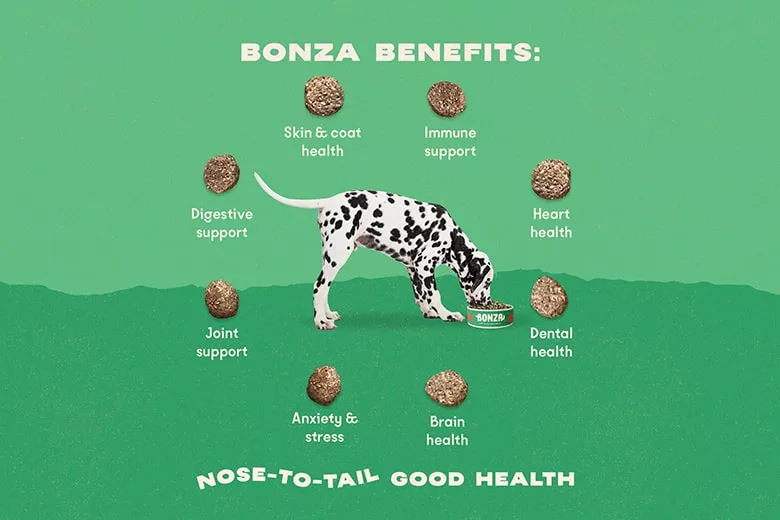
Bonza Superfoods and Ancient Grains, 100% plant-based food for dogs, contains a selection of high-quality proteins, complex carbohydrates, and healthy oils and fats to support a Staffy’s best health. This formula includes DHAgold®, an advanced Omega-3 with DHA, EPA, and DPA; Calsporin®, a highly effective probiotic; TruPet™, a clinically researched postbiotic for dogs; Glucosamine; beta-glucans; and PhytoPlus®, a proprietary blend of medicinal herbs, spices and adaptogens containing natural plant-based phytonutrients formulated to protect your Staffy against common health issues.
Add the variety and health-boosting goodness this excellent dry dog food provides to your Stafford’s diet for their optimal health and vitality.