

Jack Russell Health Issues and Concerns – Causes, Symptoms and Treatments
Summary
Jack Russell Terriers are known for their energetic personalities, intelligence, and tenacity. However, like all breeds, they are susceptible to specific health issues that owners should be aware of. This comprehensive guide explores common Jack Russell health problems, their symptoms, causes, and treatment options, along with key nutritional and preventative strategies. Additionally, health issues common in Jack Russell cross Chihuahua mixes are discussed to provide an in-depth understanding of their unique needs.
Table of Contents
Introduction to Jack Russell Terriers
- Overview of the Breed
- Unique Physical Characteristics
Common Health Problems in Jack Russell Terriers
- Patellar Luxation
- Legg-Calvé-Perthes Disease
- Lens Luxation
- Deafness
- Atopic Dermatitis (Skin Allergies)
- Periodontal Disease
- Epilepsy
- Obesity and Weight-Related Issues
Jack Russell Cross Chihuahua Health Problems
- Dental Issues
- Luxating Patella
- Tracheal Collapse
- Heart Murmurs
Physiological Causes of Health Issues
- Genetic Predispositions
- Structural and Physiological Traits
- Environmental and Lifestyle Factors
Symptoms and Treatment Protocols
- Recognising Health Issues in Jack Russells
- Medical and Surgical Interventions
- Nutrition and Health Issues
- Joint and Bone Health
- Eye Health
- Skin and Coat Health
- Dental Health
- Digestive Health and Immunity
- Weight Management
- Do Jack Russells have a lot of health problems?
- What are the most common health issues in Jack Russells?
- What are common Jack Russell cross Chihuahua health problems?
- What is the life expectancy of a Jack Russell Terrier?
- How can I prevent health issues in my Jack Russell?
- Are Jack Russells prone to obesity?
- How can I manage my Jack Russell’s dental health?
- What can I do to improve my Jack Russell’s joint health?
- How do I spot early signs of health issues in my Jack Russell?
- Are Jack Russells prone to epilepsy?
- What should I feed a Jack Russell with allergies?
- What should I do if my Jack Russell develops skin allergies?
Best Food for Jack Russell Health Problems
Introduction to Jack Russell Terriers
Overview of the Breed
Jack Russell Terriers are small, athletic dogs originally bred for fox hunting. Their high energy levels, intelligence, and loyalty make them a popular choice for active households. These dogs thrive on mental and physical stimulation.
Unique Physical Characteristics
Jack Russells are compact, muscular dogs with a short, smooth or rough coat. They are characterised by their erect or semi-erect ears, almond-shaped eyes, and strong, flexible tails. Their small size and high activity levels can make them prone to certain health concerns.
Common Health Problems in Jack Russell Terriers
Patellar Luxation
A common orthopedic issue, patellar luxation occurs when the kneecap slips out of place.
Symptoms:
- Limping or hopping gait
- Reluctance to run or jump
Treatment:
- Weight management to reduce joint stress
- Surgical intervention for severe cases
Nutritional Support:
- Glucosamine and Chondroitin: Support cartilage health.
- Omega-3 Fatty Acids (Algal Oil): Reduce inflammation and improve joint function.
- Hyaluronic Acid: Enhances joint lubrication.
- Boswellia Serrata: Provides anti-inflammatory effects.
- Turmeric (Curcumin): Natural anti-inflammatory support.
- Vitamin C and Manganese: Assist collagen synthesis and joint repair.
Legg-Calvé-Perthes Disease
This condition affects the femoral head of the hip joint, leading to degeneration.
Symptoms:
- Limping or lameness in one leg
- Muscle wasting around the hip
Treatment:
- Anti-inflammatory medications
- Surgery in advanced cases
Nutritional Support:
- Vitamin D and Calcium: Promote bone health.
- Collagen Peptides: Support joint repair.
- Green-Lipped Mussel: Provides natural anti-inflammatory benefits.
- Omega-3 Fatty Acids: Aid in reducing inflammation.
Lens Luxation
Jack Russells are genetically predisposed to lens luxation, where the lens dislocates within the eye.
Symptoms:
- Squinting or watery eyes
- Vision impairment
Treatment:
- Surgical removal of the lens
- Medications to manage intraocular pressure
Nutritional Support:
- Lutein and Zeaxanthin: Protect eye health.
- Vitamin A: Supports vision.
- Bilberry Extract: Enhances ocular blood flow.
- Astaxanthin: Protects against oxidative stress in eye tissues.
- Taurine: Supports retinal health.
Deafness
Congenital deafness is relatively common in Jack Russells, particularly in those with predominantly white coats.
Symptoms:
- Lack of response to sound
- Difficulty following commands
Treatment:
- No cure; training and communication adjustments can improve quality of life.
Nutritional Support:
- Antioxidant-Rich Foods: Protect against further cellular damage.
- Vitamin B12: Supports nerve health.
Atopic Dermatitis (Skin Allergies)
Skin allergies can be triggered by environmental factors, fleas, or food.
Symptoms:
- Itchy skin
- Redness or rashes
Treatment:
- Elimination diets to identify allergens
- Medications for severe reactions
Nutritional Support:
- Flaxseed Oil: Supports skin hydration.
- Quercetin: Acts as a natural antihistamine.
- Zinc and Biotin: Promote a healthy coat.
- Chamomile and Calendula: Provide soothing effects for irritated skin.
- Coconut Oil: Supports skin barrier function.
Periodontal Disease
Dental disease is common in small breeds like Jack Russells.
Symptoms:
- Bad breath
- Red or swollen gums
Treatment:
- Regular dental cleanings
- Daily tooth brushing
Nutritional Support:
- Brown Seaweed (Ascophyllum Nodosum): Reduces plaque and tartar.
- Probiotics and Postbiotics: Improve oral microbiota.
- Cranberries: Contain polyphenols that prevent bacterial adhesion.
Epilepsy
Jack Russells may develop epilepsy, leading to recurring seizures.
Symptoms:
- Uncontrolled shaking or twitching
- Loss of consciousness
Treatment:
- Anti-seizure medications
Nutritional Support:
- MCT (Coconut Oil): Provides energy for brain function.
- Omega-3 Fatty Acids (DHA and EPA): Support neurological health.
- Vitamin E: Reduces oxidative stress in the brain.
- Magnesium: Supports nerve function and reduces seizure frequency.
Obesity and Weight-Related Issues
Jack Russells are prone to obesity, which can exacerbate other health issues.
Symptoms:
- Excessive weight gain
- Reduced activity levels
Treatment:
- Calorie-controlled diet
- Increased exercise
Nutritional Support:
- Dietary Fibre (Baobab or Inulin): Promotes satiety and digestive health.
- L-Carnitine: Supports fat metabolism.
- Chromium Picolinate: Helps regulate blood sugar levels.
Jack Russell Cross Chihuahua Health Problems
Dental Issues
Small mouths in this mix breed can lead to overcrowded teeth and dental disease.
Symptoms:
- Bad breath
- Difficulty chewing
Treatment:
- Regular dental care
Nutritional Support:
- Brown Seaweed (Ascophyllum Nodosum): Reduces tartar.
- Cranberries and Probiotics: Enhance oral health.
Luxating Patella
Inheriting traits from both parent breeds, luxating patella is common.
Symptoms:
- Limping or hopping
Treatment:
- Weight management
- Surgery in severe cases
Nutritional Support:
- Hyaluronic Acid: Improves joint lubrication.
- Turmeric: Reduces inflammation.
Tracheal Collapse (or Compression)
This condition can cause breathing difficulties.
Symptoms:
- Honking cough
Treatment:
- Weight management and medications
Nutritional Support:
- Chamomile: Soothes airway irritation.
- Omega-3 Fatty Acids: Reduce inflammation in the trachea.
Heart Murmurs
Common in Chihuahua crosses, heart murmurs can develop early.
Treatment:
- Regular veterinary monitoring
Nutritional Support:
- Coenzyme Q10https://vcahospitals.com/know-your-pet/coenzyme-q-10: Supports heart function.
- Hawthorn Berry: Improves circulation.
- L-Carnitine: Enhances energy production in heart cells.
Physiological Causes of Health Issues
Genetic Predispositions
Inherited traits from both parent breeds influence susceptibility to conditions like lens luxation and epilepsy.
Structural and Physiological Traits
Jack Russells’ small size and active nature contribute to joint and dental issues.
Environmental and Lifestyle Factors
A sedentary lifestyle and poor diet can exacerbate obesity and other health problems.
Symptoms and Treatment Protocols
Recognising Health Issues in Jack Russells
Identifying health problems early is crucial for effective treatment. Common signs include:
- Joint Issues: Limping, stiffness, or reluctance to jump or climb stairs.
- Skin Problems: Excessive scratching, redness, or hair loss.
- Dental Disease: Bad breath, difficulty eating, or visible tartar.
- Eye Conditions: Cloudy eyes, redness, or vision impairment.
- Neurological Issues: Seizures or abnormal behaviour.
Regular vet check-ups and prompt attention to unusual symptoms are key to maintaining your Jack Russell’s health.
Medical and Surgical Interventions
Treatment protocols vary depending on the severity of the condition:
- Orthopedic Issues (Patellar Luxation, Legg-Calvé-Perthes Disease):
- Non-surgical: Weight management, physical therapy, and joint supplements.
- Surgical: Corrective procedures for severe cases.
- Eye Conditions (Lens Luxation, Cataracts):
- Medications to reduce intraocular pressure.
- Surgery to repair or remove the affected lens.
- Dental Disease: Professional dental cleaning and extractions if necessary.
- Epilepsy: Anti-seizure medications and lifestyle adjustments.
- Skin Allergies: Topical treatments, antihistamines, or corticosteroids.
Nutrition and Health Issues
Targeted nutrition plays a vital role in both preventing and managing health problems. Here’s a breakdown of nutritional strategies for each category:
Joint and Bone Health
- Key Nutrients: Glucosamine, chondroitin, MSM, Omega-3 fatty acids (DHA, EPA, DPA), and collagen.
- Foods: Sweet potatoes, spinach, oats and and flaxseed oil for inflammation.
- Supplements: Green-lipped mussel and turmeric for enhanced mobility.
Eye Health
- Key Nutrients: Lutein, zeaxanthin, Vitamin A, and bilberry extract.
- Foods: Carrots, kale, and blueberries.
- Supplements: Astaxanthin and taurine for retinal support.
Skin and Coat Health
- Key Nutrients: Omega-6 fatty acids, zinc, and biotin.
- Foods: Flaxseeds, coconut oil, and chamomile tea.
- Supplements: Quercetin and calendula for allergy relief.
Dental Health
- Key Nutrients: Probiotics, polyphenols, and Vitamin C.
- Foods: Brown seaweed and cranberries.
- Supplements: Probiotic blends and dental-specific chews.
Digestive Health and Immunity
- Key Nutrients: Prebiotics (FOS, MOS), postbiotics, and beta-glucans.
- Foods: Baobab, pumpkin, and inulin-rich vegetables.
- Supplements: Bacillus velezensis probiotics and TruPet™ postbiotics.
Weight Management
- Key Nutrients: L-Carnitine, dietary fibre, and chromium picolinate.
- Foods: Lentils, peas, and whole grains.
- Supplements: Fibre-rich prebiotics for appetite control.
Frequently Asked Questions
Do Jack Russells have a lot of health problems?
Jack Russells are generally healthy but can be predisposed to specific health concerns like patellar luxation, lens luxation, and epilepsy due to their genetics. Regular veterinary care and a balanced diet can help mitigate these issues.
What are the most common health issues in Jack Russells?
The most common issues include:
- Orthopedic conditions like patellar luxation.
- Eye conditions such as lens luxation and cataracts.
- Skin allergies and dermatitis.
- Dental disease.
- Neurological conditions like epilepsy.
What are common Jack Russell cross Chihuahua health problems?
Jack Russell Chihuahua mixes may inherit:
- Dental crowding and periodontal disease.
- Luxating patella.
- Tracheal collapse.
- Heart murmurs.
What is the life expectancy of a Jack Russell Terrier?
Jack Russells typically live 13-16 years with proper care, n optimal and balanced diet, and regular exercise.
How can I prevent health issues in my Jack Russell?
Preventative steps include:
- Regular vet check-ups for early detection of issues.
- A balanced diet rich in essential nutrients.
- Maintaining a healthy weight and ensuring daily exercise.
- Regular dental cleanings and grooming to prevent skin infections.
Are Jack Russells prone to obesity?
Yes, their energetic nature can mask overfeeding. Portion control and regular exercise are vital for maintaining a healthy weight.
How can I manage my Jack Russell’s dental health?
- Brush your dog’s teeth daily with dog-specific toothpaste.
- Provide dental chews and toys.
- Include supplements like brown seaweed and probiotics to reduce plaque and tartar buildup.
What can I do to improve my Jack Russell’s joint health?
- Feed a diet rich in glucosamine, chondroitin, and Omega-3 fatty acids.
- Ensure moderate, low-impact exercise to maintain joint flexibility.
- Consider supplements like green-lipped mussel and turmeric.
How do I spot early signs of health issues in my Jack Russell?
Look for:
- Changes in behaviour or activity levels.
- Limping, stiffness, or difficulty jumping.
- Cloudy eyes, squinting, or vision impairment.
- Red, itchy skin or hair loss.
- Loss of appetite, weight changes, or bad breath.
Are Jack Russells prone to epilepsy?
Yes, epilepsy is more common in Jack Russells compared to some breeds. While it cannot be cured, seizures can often be managed with medications and a diet rich in MCT oil and Omega-3 fatty acids with DHA, EPA and DPA.
What should I feed a Jack Russell with allergies?
Opt for hypoallergenic diets rich in Omega-3s, flaxseed, and quercetin. Avoid common allergens like beef, chicken, dairy, pork, lamb, wheat, corn, and soy, and introduce novel proteins or plant-based diets if necessary.
What should I do if my Jack Russell develops skin allergies?
- Identify and eliminate triggers such as food or environmental allergens.
- Use anti-itch shampoos with soothing ingredients like chamomile.
- Supplement their diet with Omega-3 and Omega-6 fatty acids, biotin, and zinc.
Conclusion
Jack Russell Terriers are spirited and loyal companions, but like all breeds, they are prone to specific health challenges. Understanding these common health issues and their causes allows owners to take proactive steps to ensure their pets lead long and healthy lives. By combining regular veterinary care with a balanced diet enriched with targeted nutrients, medicinal herbs, and essential supplements, many of these health problems can be managed or even prevented. Special attention to their unique needs, particularly for those with Jack Russell cross Chihuahua genetics, can further enhance their overall well-being.
Best Food for Jack Russell Health Problems
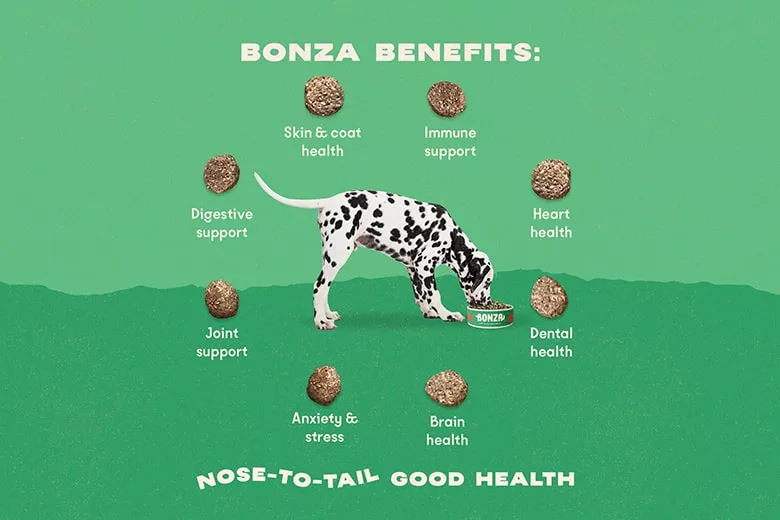
Bonza Superfoods and Ancient Grains, 100% plant-based food for dogs, contains a selection of high-quality proteins, complex carbohydrates, and healthy oils and fats to support a Jack Russell’s best health. This formula includes DHAgold®, an advanced Omega-3 with DHA, EPA, and DPA; Calsporin®, a highly effective probiotic; TruPet™, a clinically researched postbiotic for dogs; Glucosamine; beta-glucans; and PhytoPlus®, a proprietary blend of medicinal herbs, spices and adaptogens containing natural plant-based phytonutrients formulated to protect your Jack Russell Terrier against common health issues.
Add the variety and health-boosting goodness this excellent dry dog food provides to your Jack Russell’s diet for their optimal health and vitality.