
Probiotic Support for Dogs with Diarrhoea and Gut Health Issues
Summary
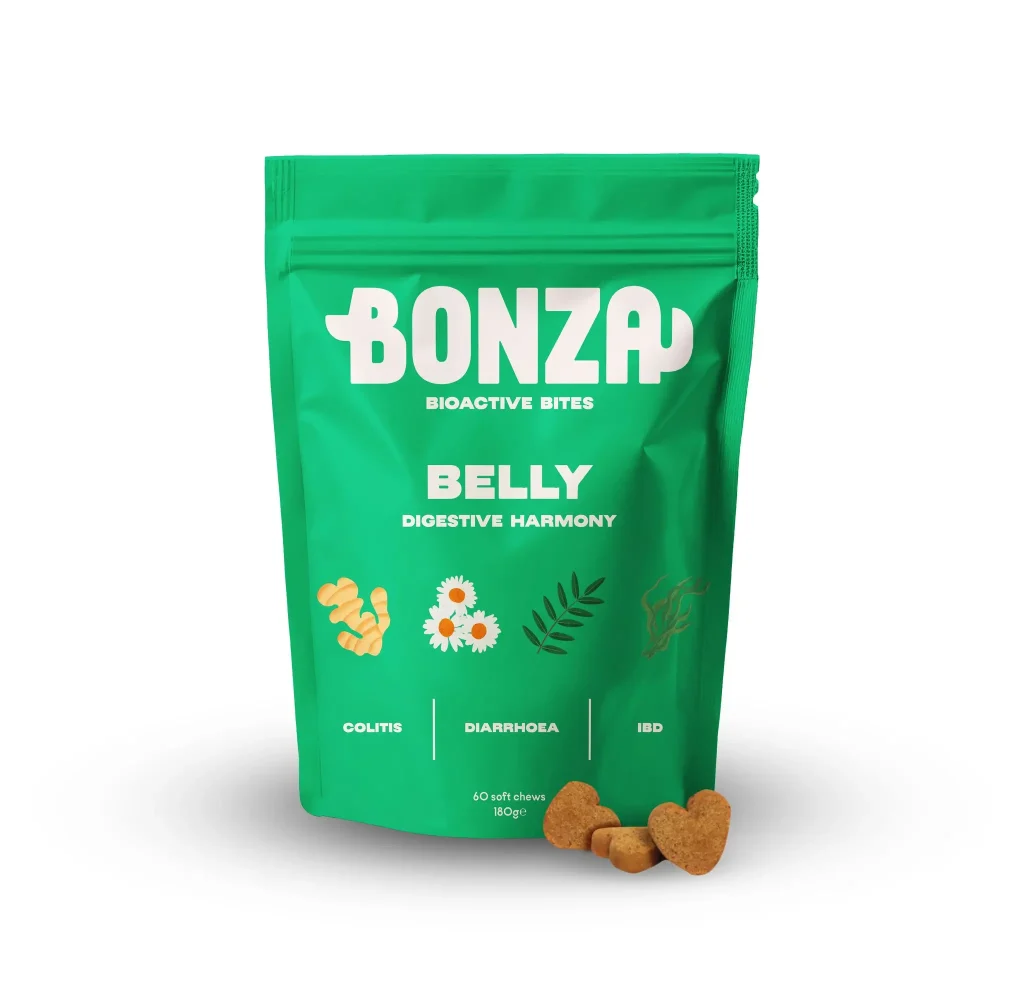
Canine diarrhoea is a common yet concerning health issue that affects dogs of all ages and breeds. This article explores the causes, symptoms, and treatment options for dogs suffering from diarrhoea and poor gut health, with a particular focus on Bonza Belly Bioactive Bites as a comprehensive supplement solution. The formulation contains a synergistic blend of probiotics, postbiotics, prebiotics, anti-inflammatory agents, and supportive nutrients that work together to , strengthen the immune system, and promote overall wellbeing. We examine the physiological impact of each active ingredient, compare natural versus pharmaceutical treatment approaches, and provide guidance on preventing and managing digestive disturbances in dogs.
Key Takeaways
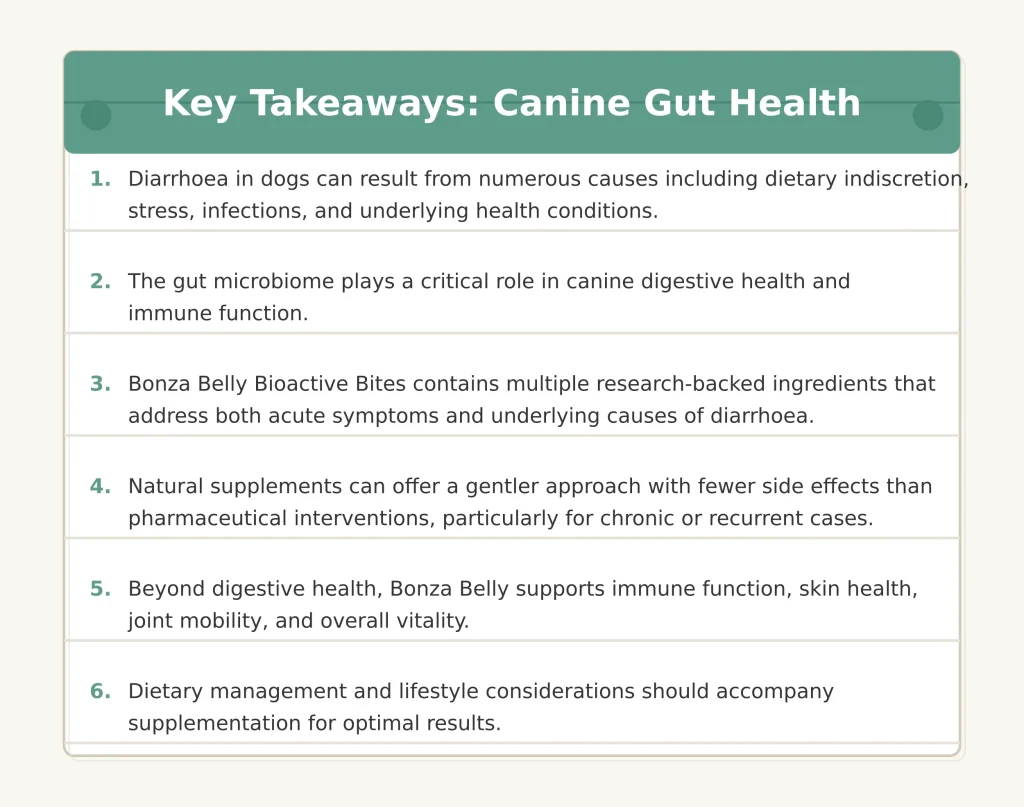
- Diarrhoea in dogs can result from numerous causes including dietary indiscretion, stress, infections, and underlying health conditions.
- The gut microbiome plays a critical role in canine digestive health and immune function.
- Bonza Belly Bioactive Bites contains multiple research-backed ingredients that address both acute symptoms and underlying causes of diarrhoea.
- Key components include TruPet® Postbiotic, Calsporin® Probiotic, multiple prebiotic fibres, anti-inflammatory herbs, and supportive nutrients.
- Natural supplements can offer a gentler approach with fewer side effects than pharmaceutical interventions, particularly for chronic or recurrent cases.
- Beyond digestive health, Bonza Belly supports immune function, skin health, joint mobility, and overall vitality.
- Dietary management and lifestyle considerations should accompany supplementation for optimal results.
Table of Contents
Understanding Canine Diarrhoea
The Gut Microbiome: Foundation of Canine Health
- The Microbiome-Gut-Brain Axis
- How Dysbiosis Leads to Digestive Disturbances
- The Role of Beneficial Bacteria
Bonza Belly Bioactive Bites: Formulation Analysis
- Probiotic and Postbiotic Components
- Prebiotic and Fibre Matrix
- Anti-Inflammatory Agents
- Supportive Nutrients and Their Functions
Physiological Impact of Key Ingredients
- Microbial Balance Restoration
- Intestinal Barrier Reinforcement
- Inflammation Modulation
- Nutrient Absorption Enhancement
Treatment Approaches for Canine Diarrhoea
- Natural Remedies and Supplements
- Conventional Pharmaceutical Options
- Comparing Benefits and Limitations
- Integrated Approach Considerations
Beyond Gut Health: Additional Benefits
- Immune System Support
- Coat and Skin Improvements
- Joint and Mobility Enhancement
- Overall Vitality and Wellbeing
Prevention Strategies and Management
- Diet-Related Questions
- Supplement Usage and Timing
- Prevention Strategies
- When to Seek Veterinary Care
Understanding Canine Diarrhoea
Defining Diarrhoea in Dogs
Diarrhoea in dogs is characterised by loose, watery, or frequent stools that deviate from the animal’s normal bowel movements. It represents a symptom rather than a disease itself and can manifest as acute (sudden onset, short duration) or chronic (persisting for weeks or recurring). The condition occurs when the intestinal tract experiences accelerated movement of faecal matter, reduced water absorption, or increased secretion of fluids into the bowel.
Common Causes of Canine Diarrhoea
Numerous factors can trigger diarrhoea in dogs, ranging from relatively benign issues to serious medical conditions:
- Dietary indiscretion: Consumption of inappropriate foods, sudden diet changes, or access to rubbish and decomposing matter
- Infections: Bacterial (Salmonella, E. coli, Clostridium), viral (parvovirus, coronavirus), or parasitic (Giardia, roundworms, hookworms)
- Food sensitivities or allergies: Adverse reactions to specific protein sources or additives
- Stress and anxiety: Emotional disturbances affecting gut motility and microbiome balance
- Medications: Antibiotics, NSAIDs, and certain other drugs can disrupt gut flora
- Underlying health conditions: Inflammatory bowel disease, pancreatitis, liver or kidney disease, certain cancers
- Toxin exposure: Plants, chemicals, or mouldy substances
- Age-related factors: Immature digestive systems in puppies or degenerative changes in senior dogs
Recognising Symptoms and Warning Signs
While loose stools are the primary indicator, diarrhoea often presents with additional symptoms that can help determine severity:
- Stool characteristics: Consistency (watery to semi-formed), colour (yellow, green, black, or bloody), odour (particularly foul)
- Frequency: Increased urgency and number of bowel movements
- Behavioural changes: Lethargy, depression, discomfort, excessive straining, or house soiling
- Systemic signs: Vomiting, decreased appetite, weight loss, fever, dehydration
- Warning signs requiring immediate attention: Blood in stool, severe lethargy, persistent vomiting, suspected foreign object ingestion, signs of abdominal pain (hunched posture), or dehydration (dry gums, sunken eyes, skin tenting)
Understanding the type, duration, and accompanying symptoms of diarrhoea helps determine appropriate intervention strategies and when veterinary care becomes essential.
The Gut Microbiome: Foundation of Canine Health
The Microbiome-Gut-Brain Axis
The canine gut harbours trillions of microorganisms collectively known as the microbiome, which significantly influences overall health. This complex ecosystem consists of bacteria, fungi, viruses, and protozoa that maintain a delicate balance when functioning optimally. Research increasingly demonstrates the bidirectional communication network between the gut microbiome, intestinal environment, immune system, and central nervous system—forming what is known as the microbiome-gut-brain axis.
This interconnected system operates through neural, endocrine, immune, and metabolic pathways. Beneficial gut microbes produce neurotransmitters and short-chain fatty acids that influence brain function, mood, and behaviour. Conversely, stress signals from the brain can alter intestinal motility, secretion, and permeability, affecting microbiome composition and function.
How Dysbiosis Leads to Digestive Disturbances
Dysbiosis—an imbalance in the microbial community—serves as a primary underlying factor in many cases of canine diarrhoea. This imbalance typically involves:
- Decreased diversity of beneficial microorganisms
- Overgrowth of potentially harmful bacteria
- Reduced production of beneficial metabolites
- Compromised intestinal barrier function
Several factors can trigger dysbiosis, including antibiotic use, dietary changes, stress, infections, and environmental toxins. When dysbiosis occurs, it initiates a cascade of negative effects:
- Impaired digestion and nutrient absorption
- Increased intestinal permeability (“leaky gut“)
- Inflammatory responses in intestinal tissue
- Altered motility and water absorption
- Immune system activation and dysregulation
The Role of Beneficial Bacteria
Beneficial microorganisms perform numerous essential functions in maintaining gut health:
- Competitive exclusion: Preventing pathogen colonisation by occupying ecological niches
- Antimicrobial production: Generating substances that inhibit harmful microbes
- Nutrient metabolism: Converting dietary components into absorbable nutrients and beneficial compounds
- Intestinal barrier reinforcement: Supporting tight junction proteins and mucus production
- Immune system education: Training the immune system to distinguish between harmful and beneficial entities
- Anti-inflammatory effects: Producing compounds that regulate inflammatory processes
Restoring and maintaining a balanced microbiome forms the cornerstone of effective management strategies for canine diarrhoea. Supplements like Bonza Belly work through multiple mechanisms to support this essential ecosystem.
Bonza Belly Bioactive Bites: Formulation Analysis
Probiotic and Postbiotic Components
TruPet® Postbiotic (285mg) This inactivated yeast culture represents an innovative approach to gut health for dogs. Unlike living probiotics, postbiotics contain beneficial microbial components and metabolites without requiring live organisms. The advantages include enhanced stability, consistent activity, and immediate effects. TruPet® provides:
- Cell wall fragments that stimulate immune receptors
- Bioactive peptides with anti-inflammatory properties
- Enzymes that aid digestion
- Metabolites that support beneficial bacteria
Calsporin® Probiotic (4.5 x 10^4 CFU) Bacillus velezensis DSM1544 is a spore-forming probiotic with exceptional resistance to stomach acid, bile salts, and temperature variations. This resilience ensures viable delivery to the intestines where it:
- Produces enzymes aiding protein and carbohydrate digestion
- Generates antimicrobial compounds targeting pathogens
- Modulates immune responses in intestinal tissue
- Creates a favourable environment for beneficial bacteria
Lactobacillus Helveticus (2.7 x 10^9 CFU) This robust probiotic strain has been extensively studied for its multi-faceted benefits:
- Production of lactic acid, creating an environment inhospitable to pathogens
- Strengthening of intestinal barrier function
- Reduction of inflammation through cytokine modulation
- Enhancement of nutrient absorption
- Production of antimicrobial peptides
Prebiotic and Fibre Matrix
Biolex® MB40 MOS (278mg) Derived from Saccharomyces cerevisiae, this component provides beta-glucans and mannan oligosaccharides (MOS) that act as specialised prebiotics:
- Beta-glucans stimulate immune function in gut-associated lymphoid tissue
- MOS bind to pathogenic bacteria, preventing attachment to intestinal walls
- Support beneficial bacteria proliferation
- Enhance intestinal barrier integrity
- Reduce inflammation in the digestive tract
Fibrofos® 60 FOS (218mg) With high levels of inulin (65%) and soluble fibres, this fructooligosaccharide (FOS) complex serves as selective nourishment for beneficial bacteria:
- Preferentially feeds Bifidobacteria and other beneficial species
- Increases production of short-chain fatty acids that nourish colonocytes
- Improves mineral absorption, particularly calcium and magnesium
- Regulates intestinal transit time
- Enhances stool consistency
Clinoptilolite (144mg) This natural zeolite mineral possesses a honeycomb-like structure with remarkable properties:
- Adsorption of toxins, ammonia, and heavy metals
- Binding of bacterial endotoxins released during dysbiosis
- Water absorption that helps normalise stool consistency
- Gradual release of trapped minerals beneficial to gut health
- Physical protection of intestinal mucosa
Anti-Inflammatory Agents
Boswellia Serrata (38mg) This tree resin extract contains boswellic acids with potent anti-inflammatory effects:
- Inhibition of 5-lipoxygenase enzyme, reducing leukotriene production
- Modulation of NF-κB signalling pathways involved in inflammation
- Reduction of intestinal hyper-permeability
- Regulation of immune cell function
- Support of normal tissue repair processes
Turmeric (38mg) Containing curcuminoids with powerful antioxidant and anti-inflammatory properties:
- Inhibition of multiple inflammatory enzymes (COX-2, LOX)
- Neutralisation of free radicals that damage intestinal cells
- Modulation of gut microbiome composition
- Protection of intestinal mucosa
- Enhancement of bile production aiding digestion
Ginger (38mg) This root extract provides gingerols and shogaols that:
- Stimulate digestive enzyme secretion
- Accelerate gastric emptying
- Reduce intestinal spasms
- Alleviate nausea and discomfort
- Inhibit inflammatory mediators
Pineapple (Bromelain) (30mg) This proteolytic enzyme complex offers:
- Enhanced protein digestion
- Reduction of intestinal inflammation
- Modulation of cytokine production
- Thinning of intestinal mucus when excessively thick
- Improvement of nutrient absorption
German Chamomile (23mg) This gentle herb contains apigenin and other flavonoids that:
- Reduce intestinal spasms
- Decrease inflammatory signalling
- Promote healing of irritated mucosa
- Alleviate discomfort and pain
- Support normal sleep patterns, reducing stress
Black Pepper Extract (3mg) Though present in a small amount, this component significantly enhances the formulation:
- Contains piperine that increases bioavailability of other compounds
- Stimulates digestive enzyme production
- Accelerates intestinal transit in cases of stasis
- Provides mild antimicrobial effects
- Supports antioxidant activity
Supportive Nutrients and Their Functions
L-Glutamine (98mg) This amino acid serves as primary fuel for intestinal cells:
- Supports rapid regeneration of intestinal epithelium
- Strengthens tight junctions between cells
- Reduces intestinal permeability
- Buffers acid and protects against oxidative damage
- Supports immune cell function within gut tissue
DHAgold® Omega-3 (30mg) Providing EPA, DHA, and DPA, these essential fatty acids:
- Resolve inflammation through specialised pro-resolving mediators
- Incorporate into cell membranes, improving function and resilience
- Modulate immune responses
- Support neural signalling affecting gut motility
- Enhance absorption of fat-soluble nutrients
Zinc Glycinate (23mg) This highly bioavailable form of zinc:
- Supports intestinal barrier integrity
- Accelerates healing of damaged mucosa
- Regulates immune function
- Acts as a cofactor for over 300 enzymes
- Supports protein synthesis for tissue repair
Spirulina (45mg) This nutrient-dense blue-green algae provides:
- Prebiotic polysaccharides supporting beneficial bacteria
- Complete protein with essential amino acids
- Chlorophyll with detoxifying properties
- Phycocyanin with antioxidant and anti-inflammatory effects
- Vitamins and minerals supporting enzymatic functions
Physiological Impact of Key Ingredients
Microbial Balance Restoration
The probiotic and postbiotic components in Bonza Belly work through complementary mechanisms to restore healthy microbial balance:
Initial Phase: Clinoptilolite and Postbiotics Upon entering the digestive tract, clinoptilolite immediately begins adsorbing toxins and excess fluid, while TruPet® postbiotics provide ready-made beneficial compounds that don’t require bacterial processing. This creates an improved environment for subsequent microbial restoration.
Colonisation Phase: Diverse Probiotic Strains The dual-probiotic approach employs strategically different bacterial types:
- Calsporin® (Bacillus velezensis) arrives as highly resistant spores that germinate in the intestine, producing antimicrobial compounds that reduce pathogen populations
- Lactobacillus helveticus quickly establishes colonies in the small intestine, producing lactic acid that lowers pH and inhibits harmful bacteria
Sustaining Phase: Prebiotic Support The Biolex® MOS and Fibrofos® FOS components provide selective nourishment for beneficial bacteria, allowing them to:
- Multiply more rapidly than potential pathogens
- Produce short-chain fatty acids that further inhibit harmful microbes
- Establish stable colonies that persist after supplementation ends
This multi-phase approach addresses immediate symptoms while building long-term resilience against future imbalances.
Intestinal Barrier Reinforcement
The gut barrier consists of physical structures (epithelial cells, tight junctions, mucus layer) and immunological components that prevent harmful substances from entering systemic circulation. Several ingredients specifically target barrier integrity:
Epithelial Cell Support L-glutamine serves as the primary fuel for enterocytes (intestinal cells), accelerating their regeneration and supporting their metabolic functions. Zinc further enhances cellular repair mechanisms and protein synthesis needed for structural components.
Tight Junction Maintenance These crucial protein complexes seal the spaces between intestinal cells. The formula supports them through:
- L-glutamine’s direct role in tight junction protein synthesis
- Omega-3 fatty acids’ incorporation into cell membranes, optimising junction function
- Postbiotics’ signalling molecules that upregulate junction protein expression
Mucus Layer Optimisation The intestinal mucus layer serves as a physical and chemical barrier. The formulation supports its optimal function:
- Prebiotics increase mucin production by beneficial bacteria
- Anti-inflammatory herbals reduce excessive mucus production during inflammation
- Bromelain helps normalise mucus thickness when inappropriately increased
Immunological Barrier Enhancement The gut contains approximately 70% of the body’s immune tissue. Several components modulate this immune function:
- Beta-glucans from Biolex® stimulate appropriate immune responses
- TruPet® postbiotics contain immune-modulating compounds
- Boswellia and turmeric regulate inflammatory signalling in immune cells
Inflammation Modulation
Chronic or excessive inflammation underlies many cases of persistent diarrhoea. The formulation addresses inflammation through multiple pathways:
Enzyme Inhibition: Several herbal components inhibit pro-inflammatory enzymes:
- Boswellia inhibits 5-lipoxygenase, reducing leukotriene production
- Turmeric inhibits cyclooxygenase-2 (COX-2) and other inflammatory enzymes
- Ginger targets multiple inflammatory mediators
Cytokine Modulation: Cytokines are signalling proteins that coordinate inflammatory responses. The formula regulates their production:
- Omega-3 fatty acids shift production toward anti-inflammatory cytokine profiles
- Postbiotics contain peptides that directly interact with cytokine receptors
- L-glutamine supports regulatory T-cells that produce anti-inflammatory cytokines
Oxidative Stress Reduction: Inflammation generates reactive oxygen species that damage cellular structures. Antioxidant components counteract this effect:
- Spirulina’s phycocyanin neutralises free radicals
- Turmeric’s curcuminoids provide potent radical-scavenging activity
- Chamomile’s flavonoids protect cell membranes from oxidative damage
Resolution Promotion: Modern understanding recognises that actively resolving inflammation (not just suppressing it) is crucial for healing. DHAgold® omega-3s are metabolised into specialised pro-resolving mediators (SPMs) that actively terminate inflammatory processes and promote tissue restoration.
Nutrient Absorption Enhancement
Diarrhoea often leads to malabsorption of nutrients, creating a cycle of deteriorating health. Several components directly enhance nutrient uptake:
Digestive Enzyme Support: Certain ingredients stimulate or supplement the body’s natural enzyme production:
- Ginger increases production of digestive enzymes from the pancreas
- Bromelain provides direct proteolytic activity for protein breakdown
- Black pepper extract stimulates digestive secretions
- Calsporin® probiotics produce amylases and proteases
Intestinal Villus Protection These finger-like projections increase absorption surface area but become damaged during inflammation:
- L-glutamine provides direct nourishment to villus cells
- Anti-inflammatory components reduce villus atrophy
- Zinc supports rapid regeneration of damaged villi
Transport Protein Enhancement: Nutrients require specific transport proteins to move from the intestinal lumen into circulation:
- Zinc serves as a cofactor for numerous transport proteins
- Omega-3 fatty acids improve membrane fluidity where transporters reside
- Prebiotics increase short-chain fatty acids that upregulate certain transporters
Mineral Chelation and Solubilisation: FOS and other prebiotic fibres enhance mineral absorption by:
- Creating an acidic microenvironment that increases mineral solubility
- Forming soluble complexes with minerals that facilitate their transport
- Stimulating proliferation of cells specialised in mineral absorption
Treatment Approaches for Canine Diarrhoea
Natural Remedies and Supplements
Natural approaches to managing canine diarrhoea focus on supporting the body’s inherent healing mechanisms while addressing underlying causes:
Dietary Modifications
- Temporary fasting (12-24 hours, only in adult dogs and under veterinary guidance)
- Bland, easily digestible diets (boiled white rice with lean protein)
- Gradual reintroduction of normal food
- Elimination trials to identify potential trigger foods
Probiotics and Prebiotics These microbiome-supporting supplements, like those in Bonza Belly, restore beneficial bacteria and provide nourishment for their growth. Research indicates they can reduce diarrhoea duration and frequency.
Herbal Remedies Traditional botanical medicines often employed include:
- Slippery elm bark (forms a protective mucilage)
- Marshmallow root (soothes irritated mucosa)
- Chamomile (relieves intestinal spasms)
- Peppermint (reduces gas and discomfort)
Absorbents and Protectants Natural compounds that bind toxins or coat the intestinal lining:
- Kaolin and bentonite clays
- Activated charcoal (for cases of toxin ingestion)
- Clinoptilolite (as found in Bonza Belly)
- Psyllium husk (forms a gel-like substance)
Supportive Nutrients
- Electrolyte replacements to counter losses
- Omega-3 fatty acids for anti-inflammatory effects
- Zinc for mucosal healing
- Glutamine for intestinal cell regeneration
Conventional Pharmaceutical Options
When natural approaches prove insufficient, veterinarians may recommend pharmaceutical interventions:
Antidiarrhoeal Medications
- Loperamide (Imodium): Reduces intestinal motility and increases water absorption
- Diphenoxylate: Decreases intestinal contractions
- Hyoscine butylbromide: Relaxes intestinal smooth muscle
Antibiotics Reserved for confirmed bacterial infections or severe cases:
- Metronidazole: Effective against anaerobic bacteria and some protozoans
- Tylosin: Used for antibiotic-responsive diarrhoea
- Amoxicillin/clavulanic acid: Broad-spectrum coverage
Anti-inflammatory Drugs For cases involving significant inflammation:
- Sulfasalazine: Particularly for colitis
- Prednisone or budesonide: For inflammatory bowel disease
- Non-steroidal anti-inflammatory drugs (used cautiously)
Antiparasitic Medications When parasitic infections are identified:
- Fenbendazole: For common intestinal worms
- Metronidazole or furazolidone: For giardiasis
- Praziquantel: For tapeworms
Other Pharmaceuticals
- Antiemetics (maropitant, ondansetron): When vomiting accompanies diarrhoea
- Gastrointestinal protectants (sucralfate): Forms a protective barrier over ulcerated mucosa
- Proton pump inhibitors: Reduce acid production when excessive
Comparing Benefits and Limitations
Natural Approaches
Benefits:
- Generally gentler on the system with fewer side effects
- Address underlying causes rather than just symptoms
- Can be used preventatively and for long-term management
- Often support multiple body systems simultaneously
- May prevent recurrence through microbiome restoration
Limitations:
- May work more slowly than pharmaceuticals
- Less researched in some cases, with variable quality standards
- May be insufficient for severe or acute life-threatening conditions
- Dosing can be less precise or standardised
- Potential for interactions with medications or other supplements
Pharmaceutical Approaches
Benefits:
- Rapid symptom control in acute situations
- Precise dosing with predictable effects
- Extensive research validating efficacy for specific conditions
- Essential for certain infections or severe inflammatory conditions
- Can be life-saving in critical situations
Limitations:
- Potential for significant side effects (GI irritation, liver impacts, microbiome disruption)
- May mask symptoms without addressing underlying causes
- Can contribute to antibiotic resistance when inappropriately prescribed
- Often not suitable for long-term use
- May require careful monitoring for adverse effects
Integrated Approach Considerations
Many veterinarians now recommend an integrated approach combining the benefits of both natural and conventional treatments:
Acute Phase Management During severe or acute episodes:
- Pharmaceutical interventions may provide necessary rapid symptom control
- Natural absorbents can complement medications by binding toxins
- Electrolyte replacements support hydration alongside fluid therapy
- Diagnostic testing identifies specific pathogens requiring targeted treatment
Recovery Phase As acute symptoms resolve:
- Gradual dietary reintroduction with easily digestible foods
- Probiotics and prebiotics restore microbiome balance
- Anti-inflammatory herbals reduce residual inflammation
- L-glutamine and zinc support mucosal healing
Maintenance and Prevention For :
- Comprehensive supplements like Bonza Belly provide ongoing support
- Dietary management prevents recurrence
- Regular probiotics maintain healthy microbiome
- Stress reduction techniques minimise gut-brain axis disruption
Individualised Protocols The optimal approach considers:
- The dog’s age, breed, and overall health status
- Previous medical history and response to treatments
- Specific triggering factors (when identifiable)
- Severity and chronicity of symptoms
- Owner preferences and ability to administer treatments
A supplement like Bonza Belly offers particular advantages in an integrated approach by addressing multiple physiological pathways simultaneously without interfering with necessary medications.
Beyond Gut Health: Additional Benefits
Immune System Support
The canine immune system is intimately connected with gut health, with approximately 70-80% of immune tissue residing in the gastrointestinal tract. Several Bonza Belly ingredients provide comprehensive immune support beyond their digestive benefits:
Microbiome-Immune Interaction: The probiotics and prebiotics positively influence immune function by:
- Training the immune system to distinguish between harmful and beneficial entities
- Producing short-chain fatty acids that regulate immune cell development
- Strengthening the intestinal barrier, reducing inappropriate immune activation
- Modulating cytokine production for balanced responses
Anti-inflammatory Regulation: Chronic inflammation depletes immune resources and creates dysfunction. The formula’s anti-inflammatory components:
- Reduce excessive inflammatory signalling that can suppress normal immune function
- Support appropriate inflammatory responses to genuine threats
- Preserve immune cell energy for fighting infections rather than responding to gut irritation
Nutrient-Mediated Enhancement: Specific nutrients directly support immune capabilities:
- Zinc serves as a cofactor for over 300 enzymes, many involved in immune function
- Spirulina provides phycocyanin that enhances natural killer cell activity
- Beta-glucans from Biolex® act as biological response modifiers that activate macrophages
- Omega-3 fatty acids produce specialised pro-resolving mediators that coordinate immune responses
Oxidative Stress Protection: Immune cells are particularly vulnerable to oxidative damage due to their high metabolic activity. Antioxidant components:
- Protect immune cells from free radical damage
- Preserve cellular energy production necessary for immune function
- Maintain integrity of signalling pathways required for coordinated responses
Coat and Skin Improvements
The skin and coat serve as visible indicators of internal health, particularly digestive and absorptive function. Numerous ingredients support these external tissues:
Essential Fatty Acid Provision: DHAgold® omega-3s contribute to skin and coat health through:
- Incorporation into cell membranes, improving barrier function
- Reduction of inflammatory skin conditions through specialised mediators
- Enhancement of sebum quality, improving coat lustre and waterproofing
- Regulation of skin cell turnover and differentiation
Microbial Balance Extension: The skin has its own microbiome that interacts with the gut microbiome through the gut-skin axis. Probiotic benefits extend to the skin by:
- Reducing systemic inflammation that can manifest as skin issues
- Improving absorption of nutrients essential for skin health
- Modulating immune responses that affect allergic skin manifestations
- Potentially altering the skin microbiome composition through systemic effects
Mineral Utilisation: Zinc plays a crucial role in skin health:
- Required for protein synthesis in rapidly renewing skin cells
- Essential for collagen formation and wound healing
- Regulates sebaceous gland function
- Supports immune functions within the skin
- Contributes to antioxidant systems protecting skin from damage
Detoxification Support: The skin functions as an eliminatory organ and benefits from improved detoxification:
- Spirulina’s chlorophyll supports liver detoxification pathways
- Clinoptilolite binds toxins in the gut, preventing their absorption and reducing skin elimination
- Turmeric enhances Phase II liver detoxification
Joint and Mobility Enhancement
Inflammatory processes affecting the gut often extend to joint tissues, creating a gut-joint axis of inflammation. Several anti-inflammatory components specifically benefit joints:
Targeted Anti-inflammatory Effects
- Boswellia serrata has been extensively studied for joint health, inhibiting specific inflammatory pathways in joint tissues
- Turmeric reduces expression of inflammatory cytokines in synovial fluid
- Omega-3 fatty acids reduce production of inflammatory eicosanoids in joint capsules
Connective Tissue Support
- Zinc is essential for collagen synthesis in joint cartilage
- Amino acids from quality protein sources support cartilage matrix production
- Antioxidants protect against oxidative damage to joint structures
Microbial Metabolite Benefits: Emerging research suggests gut microbial metabolites influence joint health: (1)
- Short-chain fatty acids produced by gut bacteria fed by prebiotics reduce systemic inflammation
- Certain probiotic strains may reduce inflammatory markers associated with joint discomfort
- Improved nutrient absorption ensures adequate building blocks for joint tissue maintenance
Pain Modulation: Several components offer natural pain-relieving properties:
- Boswellia inhibits 5-lipoxygenase, reducing inflammatory mediators that sensitise pain receptors
- Ginger contains compounds that modulate pain perception
- Turmeric’s curcuminoids inhibit substance P, a pain signalling molecule
Overall Vitality and Wellbeing
Beyond specific systems, the formulation contributes to general vitality through several mechanisms:
Energy Production Support
- B vitamins from spirulina and other ingredients serve as cofactors in energy metabolism
- Improved nutrient absorption ensures adequate fuel availability
- Reduction of inflammation conserves energy for normal functions rather than inflammatory processes
Stress Resilience Enhancement: The gut-brain axis significantly influences stress responses:
- Probiotics produce neurotransmitter precursors that affect mood and stress responses
- L-glutamine supports GABA production, a calming neurotransmitter
- Chamomile provides mild anxiolytic effects
- Improved gut barrier function reduces inflammation-driven anxiety behaviours
Detoxification Capacity: Several ingredients enhance the body’s natural detoxification systems:
- Clinoptilolite adsorbs toxins and heavy metals
- Spirulina supports liver Phase I and II detoxification
- Improved bile flow from turmeric enhances toxin elimination
- Prebiotic fibres bind to toxins and facilitate their excretion
Nutrient Synergies: The carefully formulated blend creates synergistic effects:
- Black pepper extract enhances absorption of turmeric by up to 2000% (2)
- Zinc improves utilisation of omega-3 fatty acids
- Prebiotics enhance probiotic colonisation and effectiveness
- Anti-inflammatory components allow better nutrient absorption
Prevention Strategies and Management
Dietary Considerations
Diet plays a fundamental role in preventing and managing canine diarrhoea:
Quality and Consistency
- Feed high-quality, appropriate foods with recognisable ingredients
- Maintain consistent feeding schedules and gradual transitions between foods
- Consider digestibility factors rather than just ingredient listings
- Ensure appropriate life-stage nutrition (puppy, adult, senior)
Identifying and Avoiding Triggers
- Monitor for patterns connecting specific ingredients with digestive upset
- Consider food elimination trials under veterinary guidance
- Watch for reactions to common allergens (chicken, beef, dairy, wheat, corn, soy)
- Be cautious with treats, table scraps, and chews
Fibre Balance
- Balance soluble and insoluble fibre sources for optimal stool formation
- Consider moderate fermentable fibre to support beneficial bacteria
- Adjust fibre levels based on individual response
- Incorporate prebiotic sources like pumpkin, sweet potato, or chicory root
Hydration Support
- Ensure constant access to fresh, clean water
- Consider moisture content of diet (dry versus wet food)
- Add water to dry food for dogs prone to dehydration
- Include bone broth or coconut water for palatability and electrolytes
Stress Reduction Techniques
Stress significantly impacts digestive function through the gut-brain axis:
Routine Maintenance
- Establish and maintain consistent daily schedules for feeding, walks, and rest
- Create predictable patterns for potentially stressful events
- Ensure adequate but not excessive exercise
- Provide appropriate mental stimulation and enrichment
Safe Spaces
- Create comfortable retreat areas where dogs can decompress
- Use pheromone diffusers (DAP) in high-traffic areas
- Minimise exposure to known stressors when possible
- Consider sound machines to mask triggering noises
Behavioural Approaches
- Implement positive reinforcement training methods
- Teach calming protocols like “place” or relaxation techniques
- Practice short separations to reduce separation anxiety
- Use appropriate socialisation to reduce reactivity to normal stimuli
Supportive Supplements
- Consider adaptogenic herbs for stress-prone dogs
- L-theanine and magnolia bark may provide calming effects
- Chamomile (included in Bonza Belly) offers mild anxiolytic properties
- Certain probiotic strains specifically influence the gut-brain axis
Environmental Factors
External factors can significantly impact digestive health:
Water Quality
- Provide fresh, filtered water when possible
- Carry familiar water when travelling to avoid digestive upset
- Monitor for changes in municipal water treatment
- Consider water additives to neutralise chlorine if necessary
Toxin Exposure
- Secure garbage, compost, and potentially toxic household products
- Be vigilant about yard treatments, cleaning products, and pest controls
- Remove access to mouldy or decomposing matter
- Identify and remove toxic plants from accessible areas
Hygiene Practices
- Regular cleaning of food and water bowls
- Proper food storage to prevent mould and bacterial growth
- Frequent washing of bedding to reduce environmental allergens
- Appropriate disposal of faeces to prevent reinfection with parasites
Climate Considerations
- Provide appropriate cooling during hot weather to reduce heat stress
- Ensure adequate shelter from extreme conditions
- Consider seasonal allergies that may affect gut function through inflammation
- Maintain appropriate humidity levels indoors to reduce respiratory stress
Regular Health Monitoring
Preventative practices can identify issues before they become severe:
Stool Monitoring
- Observe consistency, colour, odour, and frequency
- Note any sudden changes or gradual trends
- Establish what’s normal for your individual dog
- Keep records when implementing dietary changes or supplements
Veterinary Partnership
- Schedule regular wellness examinations
- Consider annual parasite screening even if asymptomatic
- Discuss appropriate vaccination protocols that don’t overstress the immune system
- Evaluate need for routine deworming versus testing-based treatment
- Maintain ideal body condition score
- Adjust portions proactively with age and activity changes
- Consider metabolic impacts of being under or overweight
- Monitor muscle mass, particularly in senior dogs
Supplement Protocols
- Implement preventative supplements like Bonza Belly before periods of known stress
- Consider seasonal adjustments to supplement regimens
- Rotate certain probiotics to ensure microbiome diversity
- Document responses to various interventions for future reference
Frequently Asked Questions
Diet-Related Questions
For most dogs, a gradual transition spanning 7-10 days is ideal. Begin by mixing 25% new food with 75% current food for 2-3 days, then move to a 50/50 mix for another 2-3 days, followed by 75% new and 25% old for 2-3 days before completing the transition. Dogs with sensitive digestive systems may require even more gradual transitions spanning 2-3 weeks. During transitions, supplements like Bonza Belly can help support the digestive system as it adapts to new food components.
Not necessarily. While some dogs may have specific sensitivities to certain grains, many dogs digest properly prepared grains without issue. Rather than categorically avoiding grains, focus on identifying your dog’s specific triggers through methodical elimination trials under veterinary guidance. High-quality, easily digestible carbohydrates—whether grain or grain-free—along with gut support supplements, often provide better outcomes than simply eliminating all grains.
Raw diets can benefit some dogs by providing highly digestible proteins, natural enzymes, and unprocessed nutrients. However, they also present risks of bacterial contamination and may not be nutritionally complete unless carefully formulated. The impact on gut health varies significantly between individuals. Some dogs show improved stool quality and reduced inflammation on raw diets, while others may experience bacterial infections or nutrient imbalances. If considering raw feeding, implement gradually with appropriate safety measures and supplement with products like Bonza Belly that can help manage potential pathogen exposure through its probiotics and clinoptilolite components.
Yes, excessive dietary fat is a common cause of diarrhoea in dogs. Fat digestion requires adequate bile production and enzymatic function, which can become overwhelmed with high-fat meals. This particularly affects dogs with pancreatic insufficiency or those unaccustomed to fatty foods. Even healthy dogs may experience diarrhoea after consuming unusually fatty treats, table scraps, or if transitioned too quickly to a higher-fat diet. When introducing higher-fat foods, do so gradually and consider supplements containing digestive enzymes or anti-inflammatory components like those found in Bonza Belly to support the digestive process.
Supplement Usage and Timing
For optimal results, administer gut health supplements like Bonza Belly with meals rather than on an empty stomach. This approach provides several benefits: food acts as a buffer that protects probiotics from stomach acid, slows transit time allowing ingredients to interact more effectively with gut tissues, and triggers digestive processes that enhance ingredient utilisation. For dogs experiencing acute diarrhoea, dividing the daily recommended dose between multiple small meals can provide more consistent support throughout the day. For preventative use or maintenance, a consistent schedule aligned with the largest meal of the day typically works well.
Response timelines vary based on the condition being addressed. For acute diarrhoea in otherwise healthy dogs, improvements in stool consistency often begin within 24-48 hours of starting supplementation. For chronic conditions with underlying inflammation or dysbiosis, more significant improvements typically emerge within 2-3 weeks of consistent use, though subtle changes may be noticed earlier. Full restoration of , particularly in cases involving long-standing issues, may require 2-3 months of supplementation. Maintaining a health journal to track changes can help evaluate effectiveness over time. Even after symptoms resolve, a maintenance protocol often helps prevent recurrence.
In most cases, yes, but timing considerations matter. Clinoptilolite and other binding agents should be given at least 2 hours apart from medications to prevent reduced absorption of pharmaceutical agents. Probiotics generally complement rather than interfere with medications, including antibiotics, though separating them by at least 2 hours is ideal. The anti-inflammatory herbals in formulations like Bonza Belly may actually enhance comfort while addressing underlying causes when used alongside prescribed anti-inflammatory medications. Always inform your veterinarian about all supplements being given to ensure appropriate monitoring and to avoid potentially problematic interactions.
Several situations may warrant temporarily increasing supplement dosage (within manufacturer guidelines): during and immediately following antibiotic treatment, periods of known stress such as boarding or travel, after dietary indiscretions, during seasonal changes that affect allergies, and at the first signs of digestive disturbance. This proactive approach can help prevent minor issues from developing into more significant problems. However, if symptoms persist beyond 48-72 hours despite increased supplementation, veterinary evaluation becomes necessary as the underlying cause may require specific treatment beyond nutritional support.
Prevention Strategies
Research indicates that appropriate probiotic supplementation significantly reduces the risk and severity of antibiotic-associated diarrhoea in dogs. Antibiotics disrupt the gut microbiome by eliminating beneficial bacteria alongside pathogens. Probiotic supplements containing diverse strains (like the Bacillus and Lactobacillus in Bonza Belly) help maintain microbiome balance during treatment. For maximum effectiveness, begin probiotic supplementation at the start of antibiotic treatment and continue for at least two weeks after antibiotics are completed. This approach helps restore natural defences and reduces the risk of opportunistic infections like Clostridioides difficile that commonly occur after antibiotic therapy.
Several overlooked environmental factors can trigger digestive upset: changes in water supply when travelling or after municipal treatment adjustments; seasonal changes affecting environmental allergens that create systemic inflammation; household cleaning products leaving residues that dogs ingest during grooming; garden treatments containing chemicals dogs absorb through paw pads; mould in humid environments causing mycotoxin exposure; and temperature extremes creating physiological stress that affects gut motility. Creating a “clean” environment, consistently filtering water, and using pet-safe cleaning products significantly reduces these hidden triggers. Supplements containing detoxifying agents like clinoptilolite can help mitigate unavoidable environmental exposures.
Stress activates the sympathetic nervous system, redirecting blood flow away from the digestive tract, altering motility, changing bacterial composition, and increasing intestinal permeability—all potentially resulting in diarrhoea. Common stress triggers include separation, environmental changes, loud noises, unfamiliar animals, and even owner stress that dogs detect. Preventative measures include maintaining consistent routines, creating safe spaces, using calming pheromones, implementing systematic desensitisation to known triggers, and providing appropriate physical and mental exercise. Calming supplements containing adaptogenic herbs, L-theanine, and specific probiotic strains that influence the gut-brain axis can significantly moderate the digestive impact of unavoidable stressors.
Yes, significant breed predispositions exist for digestive sensitivity. German Shepherds have higher rates of inflammatory bowel disease and exocrine pancreatic insufficiency. Schnauzers often experience pancreatitis due to lipid metabolism abnormalities. Yorkshire Terriers and other toy breeds frequently develop protein-losing enteropathies. These predisposed breeds benefit from proactive digestive support including highly digestible diets, consistent feeding schedules, stress reduction, and preventative supplements even when asymptomatic. Regular monitoring of digestive parameters (stool quality, frequency, appetite) allows for early intervention. Breed-specific nutritional adjustments, such as lower fat for Schnauzers or hydrolysed proteins for breeds prone to food sensitivities, can significantly reduce incident rates.
When to Seek Veterinary Care
Seek immediate veterinary care if diarrhoea is accompanied by: profuse, watery diarrhoea in puppies or senior dogs (risk of rapid dehydration); blood in stool (bright red or dark/tarry); persistent vomiting alongside diarrhoea; signs of abdominal pain (hunched posture, crying when touched); lethargy or collapse; suspected toxin ingestion; foreign body ingestion; high fever; or if the dog belongs to a vulnerable category (very young, senior, immunocompromised, or with pre-existing conditions). Additionally, any diarrhoea persisting beyond 48 hours despite appropriate home care warrants professional evaluation, as do cases where the dog cannot maintain hydration or shows signs of significant discomfort.
No, supplements should complement rather than replace appropriate veterinary care. While products like Bonza Belly provide valuable support for the digestive system, they cannot address all potential causes of diarrhoea such as obstructions, certain infections, or systemic diseases. Think of supplements as supportive care that works alongside proper diagnosis and treatment. For mild, infrequent episodes with no concerning additional symptoms, starting with supplements may be appropriate with veterinary consultation if the condition doesn’t improve within 24-48 hours. For more severe cases or those in vulnerable animals, obtain veterinary assessment first, then use supplements as part of the recovery protocol.
Several patterns suggest potentially serious underlying conditions: diarrhoea that improves with fasting but returns immediately with feeding; episodes occurring with increasing frequency or severity; diarrhoea accompanied by weight loss despite good appetite; mucus or blood in stool; alternating constipation and diarrhoea; or symptoms worsening despite appropriate management. These patterns warrant comprehensive veterinary diagnostics which may include blood work, faecal testing, abdominal imaging, or endoscopy. Conditions such as inflammatory bowel disease, exocrine pancreatic insufficiency, certain cancers, or chronic infections may present with recurring digestive symptoms. Document episode frequency, duration, and associated factors to help your veterinarian identify patterns that might indicate systemic rather than simple digestive issues.
For chronic diarrhoea, veterinarians typically recommend a progressive diagnostic approach: Complete blood count and biochemistry profile to assess organ function and inflammatory markers; faecal testing for parasites, bacteria, and digestive function; abdominal ultrasound to evaluate organ structure and intestinal wall thickness; specific tests for pancreatic function (PLI, TLI); bile acid testing for liver function; specialised assays for specific nutrients (cobalamin, folate) that indicate absorption capacity; food trials to identify allergies or sensitivities; and in some cases, intestinal biopsies obtained via endoscopy or surgery. These diagnostics help differentiate between infectious causes, inflammatory conditions, metabolic disorders, neoplasia, and functional issues. Appropriate supplementation often forms part of the treatment plan regardless of the specific diagnosis due to the beneficial effects on the digestive environment.
Conclusion
Canine diarrhoea represents a complex clinical challenge requiring a multifaceted approach for effective management. Through our exploration of both causes and solutions, we’ve seen how products like Bonza Belly Bioactive Bites offer comprehensive support through strategically formulated ingredients addressing multiple physiological pathways simultaneously. The synergistic blend of probiotics, postbiotics, prebiotics, anti-inflammatory herbals, and supportive nutrients works to restore balance to the gut microbiome while strengthening intestinal barrier function and modulating inflammatory responses.
The growing understanding of the gut’s central role in overall health highlights why addressing digestive disturbances yields benefits extending far beyond improved stool consistency. From enhanced immune function to better skin condition, reduced joint inflammation, and improved vitality, supporting gut health creates cascading positive effects throughout the body’s interconnected systems.
While pharmaceutical interventions remain essential tools for specific situations, particularly acute or life-threatening conditions, natural supplements provide valuable complements that address underlying causes rather than merely suppressing symptoms. The comprehensive approach offered by Bonza Belly—combining traditional herbal wisdom with modern microbiome science and nutritional research—represents the evolution of canine digestive care toward more holistic and sustainable solutions.
For dog owners navigating the challenges of managing digestive sensitivities, the most successful approach typically involves thoughtful dietary management, appropriate supplementation, stress reduction, environmental considerations, and partnership with veterinary professionals. By addressing both immediate symptoms and underlying causes while supporting the body’s innate healing mechanisms, we can help our canine companions achieve not just freedom from digestive distress, but optimal health and vitality for years to come.
The commitment to understanding and properly addressing canine diarrhoea reflects the deeper bond we share with our dogs—a recognition that their comfort, health, and quality of life deserve the same thoughtful care we would want for any beloved family member. With proper knowledge and appropriate tools like Bonza Belly, we can transform what might otherwise be a recurring source of distress into an opportunity to establish deeper wellbeing that extends far beyond the digestive tract.