


The Gut-Skin Axis in Dogs – A Science-Based Guide for Owners
| “A gleaming coat and comfortable skin aren’t just genetics – they’re a reflection of what’s happening in the gut. The skin microbiome is the visible expression of an invisible internal ecosystem.” |
Summary
Your dog’s skin is far more than a passive barrier – it’s a thriving ecosystem hosting trillions of microorganisms that actively defend against pathogens, regulate immune responses, and maintain the healthy skin your dog needs for comfort and protection. This complex community of bacteria, fungi, and other microbes is known as the skin microbiome, and emerging research reveals it plays a far more significant role in canine health than previously understood.
This comprehensive guide explores the science of the canine skin microbiome – what it is, how it functions, and why it matters for your dog’s health. Crucially, we examine the powerful connection between your dog’s gut and skin through the gut-skin axis, revealing how internal nutrition shapes the skin’s external ecosystem. For dogs struggling with itching, allergies, recurrent infections, or coat problems, understanding the skin microbiome offers new perspectives on addressing these challenges from the inside out.
This article is part of Bonza’s comprehensive guide to canine microbiome health, supporting the “One Gut. Whole Dog.” approach to nutrition.
Key Takeaways
- The canine skin microbiome is a complex ecosystem of bacteria, fungi, and other microorganisms that provides essential protection against pathogens and regulates skin immune function
- Healthy dog skin is dominated by beneficial bacteria including Staphylococcus, Corynebacterium, and Sphingomonas species that maintain ecological balance and resist pathogen colonisation (1, 2)
- Dogs with atopic dermatitis consistently show reduced skin microbiome diversity and overgrowth of Staphylococcus pseudintermedius – paralleling patterns seen in human eczema (3, 4)
- The gut-skin axis is now proven in dogs: oral probiotics can improve skin conditions by modulating gut dysbiosis, with 16-week supplementation significantly reducing atopic dermatitis severity (5, 6)
- Diet directly influences skin microbiome composition – fresh food diets increase skin bacterial diversity compared to dry food, representing a key nutritional intervention point (7)
- Individual variation in skin microbiome exceeds breed or body site differences, meaning personalised nutritional approaches may be necessary for optimal skin health (2)
- Short-chain fatty acids (SCFAs) produced by gut bacteria travel through the bloodstream to support skin barrier function, reduce inflammation, and influence the skin’s own microbial community (8)
- Supporting gut health through prebiotics, probiotics, and postbiotics offers a foundational strategy for addressing chronic skin conditions that have proven resistant to topical treatments alone
Table of contents
- The Gut-Skin Axis in Dogs – A Science-Based Guide for Owners
- Summary
- Key Takeaways
- Introduction: Why Your Dog’s Skin Microbiome Matters
- Understanding the Canine Skin Microbiome
- When the Skin Microbiome Goes Wrong: Dysbiosis
- The Gut-Skin Axis: The Inside-Out Connection
- Nutritional Strategies for Skin Microbiome Health
- Practical Guidance for Dog Owners
- Frequently Asked Questions: Dog Skin Microbiome, Gut-Skin Axis & Diet
- Conclusion
- Supporting Your Dog’s Skin Microbiome: The Bonza Approach
- References
Introduction: Why Your Dog’s Skin Microbiome Matters
If your dog has ever suffered from persistent itching, recurring skin infections, hot spots, or the frustrating cycle of atopic dermatitis, you’ve likely tried numerous topical treatments, medicated shampoos, and perhaps prescription medications. Yet for many dogs, these approaches provide only temporary relief before symptoms return. The missing piece of the puzzle may lie not on the skin’s surface, but in the invisible ecosystem living there – and in the gut that helps regulate it.
The skin is the body’s largest organ and serves as the first line of defence against environmental threats. But this defence doesn’t rely on the skin cells alone. Trillions of microorganisms – collectively weighing more than many of your dog’s internal organs – live on and within the skin’s surface, forming a sophisticated biological shield. These microscopic inhabitants aren’t passive passengers; they actively participate in skin health by competing with harmful pathogens, producing antimicrobial compounds, training the immune system, and maintaining the skin barrier.1
When this microbial community becomes imbalanced – a state known as dysbiosis – the consequences can be profound. Pathogenic bacteria that were previously held in check can proliferate, inflammation increases, the skin barrier weakens, and conditions like atopic dermatitis can develop or worsen. Understanding and supporting the skin microbiome therefore offers a fundamentally different approach to skin health: rather than simply treating symptoms, we can work to restore the ecological balance that prevents problems from developing in the first place.
| Why This Matters for Your Dog |
| Skin conditions account for approximately 25% of all veterinary consultations, making them among the most common reasons dogs visit the vet. For many affected dogs, conventional treatments provide incomplete or temporary relief. The skin microbiome perspective offers new hope by addressing underlying causes rather than just managing symptoms. |
Understanding the Canine Skin Microbiome
What Lives on Your Dog’s Skin?
The canine skin microbiome comprises hundreds of different bacterial species, along with fungi (including yeasts), viruses, and other microorganisms. This ecosystem varies considerably depending on body location, with distinct communities inhabiting different skin environments – the moist ear canal hosts different species than the dry dorsal back or the oily interdigital spaces between toes.2
The Bacterial Community
In healthy dogs, the skin is dominated by bacteria from several key groups:1, 2, 9
- Proteobacteria: Often the most abundant phylum, including species that help maintain skin pH and compete with pathogens
- Actinobacteria: Including Corynebacterium species that produce antimicrobial compounds
- Firmicutes: Including beneficial Staphylococcus species (distinct from pathogenic strains)
- Bacteroidetes: Contributing to immune regulation and barrier function
At the genus level, healthy canine skin typically hosts Staphylococcus, Corynebacterium, Sphingomonas, Streptococcus, and Pseudomonas as dominant inhabitants. Crucially, the presence of Staphylococcus species doesn’t automatically indicate disease – many Staphylococcus species are beneficial commensals that help exclude their pathogenic relatives.2
The Fungal Community (Mycobiome)
The skin also hosts a diverse fungal community, with Malassezia species being particularly important. In healthy skin, multiple Malassezia species coexist in balance. However, Malassezia pachydermatis can become problematic when ecological balance is disturbed – a situation commonly seen in dogs with allergies or compromised skin barriers.10
How the Skin Microbiome Protects Your Dog
The skin microbiome provides protection through multiple sophisticated mechanisms:
Colonisation Resistance
Beneficial microbes physically occupy space and consume nutrients that would otherwise be available to pathogens. This competitive exclusion is one of the most fundamental forms of protection – by maintaining healthy microbial populations, we leave fewer opportunities for harmful organisms to establish themselves.
Antimicrobial Production
Many beneficial skin bacteria produce antimicrobial peptides, bacteriocins, and other compounds that directly inhibit pathogen growth. These natural antibiotics target harmful organisms whilst leaving beneficial community members unaffected.11
Immune Education
The skin microbiome continuously interacts with the immune system, helping train it to distinguish between harmless environmental exposures and genuine threats. This education process is essential for preventing inappropriate immune reactions – including the hypersensitivity that underlies allergic skin conditions.8
Barrier Support
Microbiome activity influences skin barrier integrity through effects on keratinocyte function, lipid production, and tight junction formation. A healthy microbiome helps maintain the physical and chemical barriers that prevent allergen penetration and water loss.
| A Core Healthy Microbiome Exists |
| Recent metagenomic research has identified a “core healthy skin microbiome” in dogs – a set of bacterial species consistently present in healthy individuals regardless of breed or environment. This suggests that supporting specific beneficial species may be more important than simply maximising diversity. |
Factors That Shape the Skin Microbiome
Multiple factors influence which microorganisms colonise your dog’s skin:2, 7, 9
Body Site
Different skin locations create distinct microenvironments. The ear canal (warm, moist, protected) hosts different communities than the dorsal back (dry, exposed) or the interdigital spaces (moist, occluded). This site-specific variation means that skin conditions affecting particular body regions may involve different microbial players.
Individual Factors
Perhaps surprisingly, individual variation exceeds breed or body site differences in determining skin microbiome composition. Each dog develops a somewhat unique microbial signature influenced by their immune system, skin chemistry, and environmental exposures.2
Environment
Dogs living together share more similar skin microbiomes than dogs living apart. Outdoor access, contact with other animals, and household environment all influence which microbes colonise the skin.
Diet
A landmark study demonstrated that diet type directly influences skin microbiome composition. Dogs fed fresh food showed higher skin bacterial diversity compared to the same dogs fed dry food – the first evidence that what goes into the gut affects what lives on the skin.7
Age and Health Status
Like the gut microbiome, the skin microbiome changes with age and is altered by health conditions, particularly those affecting immune function. Antibiotic use can profoundly disrupt skin microbial communities.
When the Skin Microbiome Goes Wrong: Dysbiosis
Skin dysbiosis occurs when the normal balance of microbial communities is disrupted, typically characterised by reduced diversity and the overgrowth of potentially pathogenic species. This imbalance doesn’t just accompany skin disease – evidence increasingly suggests it may be a driving factor in disease development and persistence.3, 4
Signs of Skin Microbiome Imbalance
Whilst direct diagnosis of skin dysbiosis requires laboratory analysis, certain signs may indicate microbial imbalance:
- Persistent or recurring skin infections despite appropriate treatment
- Chronic itching that doesn’t fully respond to antihistamines or other medications
- Recurrent hot spots or areas of localised infection
- Yeast overgrowth (often presenting as a musty odour or greasy skin)
- Poor coat quality despite adequate nutrition
- Skin that seems slow to heal from minor injuries
Conditions Linked to Skin Dysbiosis
Atopic dermatitis – a chronic inflammatory skin condition affecting 10-15% of dogs – shows perhaps the strongest association with skin microbiome disruption. Dogs with atopic dermatitis consistently demonstrate:3, 4, 5
- Reduced microbial diversity, particularly at lesional (affected) skin sites
- Overgrowth of Staphylococcus pseudintermedius, the canine equivalent of S. aureus in human eczema
- Altered fungal communities with Malassezia overgrowth
- Reduced populations of beneficial bacteria that normally provide colonisation resistance
Remarkably, these patterns closely parallel those seen in human atopic dermatitis, with dogs now recognised as the best animal model for the human condition. This parallel suggests that interventions successful in humans may translate to dogs – and vice versa.12
| The Chicken-or-Egg Question |
| Does dysbiosis cause atopic dermatitis, or does atopic dermatitis cause dysbiosis? Current evidence suggests the relationship is bidirectional. Skin barrier defects allow pathogen colonisation, which triggers inflammation, which further damages the barrier and feeds dysbiosis. Breaking this cycle requires addressing both the microbiome and the underlying barrier dysfunction. |
Bacterial skin infections (pyoderma) in dogs are typically caused by S. pseudintermedius – an organism present on healthy skin but normally kept in check by other microbiome members. Dogs with recurrent pyoderma often have underlying factors that compromise their skin microbiome’s ability to resist pathogen overgrowth.
Malassezia Dermatitis
Yeast overgrowth, particularly involving Malassezia pachydermatis, is commonly associated with allergic skin disease. The relationship appears bidirectional: allergic inflammation creates conditions favouring Malassezia growth, whilst Malassezia overgrowth exacerbates allergic responses through the production of inflammatory compounds.10
The moist, occluded environment between toes is particularly susceptible to microbial imbalance. Interdigital cysts and infections often reflect dysbiosis in this challenging microenvironment.
The Gut-Skin Axis: The Inside-Out Connection
| “Beauty truly does come from within. The gut-skin axis represents one of the most exciting frontiers in dermatological research – revealing that the path to healthy skin may run through the digestive tract.” |
Perhaps the most significant recent advance in understanding skin health is the recognition of the gut-skin axis – the bidirectional communication pathway linking the gut microbiome to skin health. This connection explains why dogs with skin conditions often have concurrent digestive issues, and why addressing gut health can improve skin symptoms.8, 13
How Gut Health Influences Skin Health
The gut and skin, though anatomically distant, share remarkable similarities as barrier tissues that interface with the external environment. Communication between them occurs through multiple pathways:
Circulating Metabolites
Beneficial gut bacteria produce metabolites – particularly short-chain fatty acids (SCFAs) like butyrate, propionate, and acetate – that enter the bloodstream and travel throughout the body. These metabolites directly influence skin cell behaviour, barrier function, and immune responses.8, 14
Immune Cell Education
Approximately 70% of immune tissue resides in the gut. Immune cells educated by gut microbiome interactions circulate throughout the body, including to the skin. The “lessons” learned in the gut influence how these cells respond to challenges at the skin surface.
Inflammatory Signalling
When gut barrier integrity is compromised – a condition sometimes called “leaky gut” – inflammatory compounds like bacterial lipopolysaccharides (LPS) can enter circulation. This systemic inflammation can manifest in distant tissues, including the skin, contributing to conditions like atopic dermatitis.15
The Role of Short-Chain Fatty Acids
SCFAs deserve special attention as key mediators of gut-skin communication:8, 14
- Butyrate strengthens gut barrier integrity (preventing inflammatory leakage) and directly supports keratinocyte function in skin
- Propionate has anti-inflammatory effects that reduce skin inflammation
- Acetate supports antimicrobial peptide production in skin
- All SCFAs help regulate immune responses, promoting tolerance rather than overreaction to environmental exposures
Dogs with atopic dermatitis consistently show lower circulating SCFA levels compared to healthy dogs, suggesting that supporting SCFA production through diet may address a fundamental deficiency underlying their condition.
Evidence for Gut-Based Skin Support
The gut-skin axis isn’t just theoretical – intervention studies demonstrate that targeting gut health improves skin outcomes:
Probiotic Studies
A 2025 study published in BMC Microbiology demonstrated that 16-week probiotic administration significantly decreased clinical severity in dogs with atopic dermatitis. Importantly, dogs showing good clinical response also showed increased gut microbial diversity, whilst non-responders did not – suggesting the therapeutic effect was mediated through microbiome modulation.5
Earlier work found that early-life probiotic exposure in dogs predisposed to atopy had long-term clinical and immunological effects, with some protective effects persisting for years after supplementation ended.16
Faecal Microbiome Transfer
Perhaps the most compelling evidence comes from faecal microbiome transfer experiments, where gut microbiome restoration from healthy donors has produced dramatic improvements in skin conditions – demonstrating that the gut microbiome can directly drive skin health outcomes.
Comprehensive Gut-Skin Research
A landmark 2023 study in Shiba Inu dogs with atopic dermatitis provided the first comprehensive analysis of both gut and skin microbiota in the same animals. The researchers found significant dysbiosis in both ecosystems, with changes in gut microbiota correlating with skin microbiota alterations and clinical severity.4
| Lifespan vs Healthspan: What This Means for Your Dog |
| Lifespan: By reducing chronic skin inflammation and supporting immune regulation, healthy gut-skin axis function helps prevent the secondary complications and systemic inflammation that can shorten lives. Healthspan: Beyond years lived, addressing the gut-skin axis means comfortable skin, reduced itching, fewer infections, and freedom from the frustrating cycle of flares and medications that diminishes quality of life. |
Nutritional Strategies for Skin Microbiome Health
Understanding the gut-skin axis reveals why nutrition represents such a powerful lever for skin health. Rather than treating the skin as an isolated organ, we can support it from the inside out through targeted dietary strategies.
The Role of Diet Composition
Fresh vs Processed Foods
The finding that fresh food increases skin microbiome diversity compared to dry food represents a significant insight for nutritional management of skin health. This study found that dogs fed fresh diets showed higher alpha diversity on skin, with changes in specific bacterial populations including increased beneficial Staphylococcus species and decreased potentially problematic genera.7
Whilst the mechanisms aren’t fully elucidated, potential factors include:
- Higher moisture content supporting healthier skin hydration
- Less processing preserving heat-sensitive nutrients important for skin function
- Different macronutrient profiles affecting gut microbiome and subsequently skin
- Reduced advanced glycation end products (AGEs) that can promote inflammation
Protein Quality and Source
For dogs with skin sensitivities, protein quality and source matter significantly. Novel protein or hydrolysed diets reduce antigenic load for dogs with food sensitivities, whilst high-quality, digestible proteins ensure adequate amino acid supply for skin barrier component synthesis.
Fibre and Fermentable Substrates
Dietary fibre feeds beneficial gut bacteria, promoting SCFA production that supports the gut-skin axis. Different fibre types support different bacterial populations, so fibre diversity may be as important as total amount.
Prebiotics, Probiotics, and Postbiotics
The biotic family of ingredients offers targeted tools for supporting both gut and skin microbiome health:
Non-digestible compounds that selectively feed beneficial bacteria. Key prebiotics for skin health support include:
- Fructooligosaccharides (FOS): Promote Bifidobacteria and SCFA production
- Mannan oligosaccharides (MOS): Support immune function and pathogen binding
- Inulin: A longer-chain prebiotic reaching the lower gut for extended fermentation
- Beta-glucans: Immune-modulating effects supporting skin barrier function
Live beneficial bacteria that can directly influence gut and skin health. Specific strains with evidence for skin benefits include:5, 6, 16
- Lactobacillus rhamnosus: Long-term protective effects when given early in life
- Lactobacillus helveticus: Shown to reduce inflammatory markers and support skin microbiome restoration
- Bifidobacterium species: Support SCFA production and immune regulation
- Bacillus velezensis: Spore-forming probiotic surviving digestive transit to reach the gut
The beneficial metabolites or non-viable components of probiotic bacteria. Postbiotics offer a significant advantage for skin health support: they provide benefits without requiring live organisms to survive processing and gastric transit, ensuring delivery regardless of individual microbiome composition.17
Key Nutrients for Skin Barrier Function
Beyond microbiome support, specific nutrients directly support skin barrier integrity:
- Omega-3 fatty acids (DHA, EPA, DPA): Anti-inflammatory effects and support for skin barrier lipids
- Zinc: Essential for keratinocyte function and wound healing
- Vitamin E: Antioxidant protection for skin cells
- Biotin: Supports healthy skin and coat structure
- L-glutamine: Primary fuel for rapidly dividing cells including skin cells and gut enterocytes
Practical Guidance for Dog Owners
Translating skin microbiome science into practical care involves several key principles:
Support Don’t Sterilise
The goal isn’t to eliminate skin microbes but to support a healthy, diverse community. Excessive bathing with harsh shampoos, unnecessary antibiotic use, and overly aggressive hygiene can disrupt the very ecosystem you’re trying to protect.
Address the Gut First
For dogs with chronic skin conditions, consider gut health as a foundational intervention. Nutritional support through prebiotics, probiotics, and postbiotics may address underlying factors that topical treatments cannot reach.
Choose Appropriate Nutrition
Select foods formulated with skin health in mind, including functional ingredients that support the gut-skin axis. Fresh, minimally processed options may offer advantages for some dogs.
Allow Time for Changes
Microbiome composition shifts gradually. Dietary and supplementary interventions typically require 4-8 weeks to show meaningful effects on skin health.
Work With Your Veterinarian
Gut-skin axis support complements rather than replaces veterinary care. Dogs with significant skin conditions need professional assessment to rule out underlying causes and develop comprehensive management plans.
Monitor and Adjust
Given individual microbiome variability, observe how your dog responds to interventions and be prepared to adjust approaches. What works brilliantly for one dog may prove less effective for another.
How to Improve Your Dog’s Skin Microbiome: 6 Evidence-Based Steps
If your dog struggles with itching, recurring infections, or poor coat condition, supporting the skin microbiome offers a science-backed path to lasting improvement. These six steps address the root causes of skin microbiome imbalance rather than simply managing symptoms.
- Start With the Gut
The gut-skin axis means lasting skin improvements often begin with digestive health. Research shows that oral probiotics can significantly reduce atopic dermatitis severity by modulating gut dysbiosis — improvements that topical treatments alone cannot achieve. Prioritise gut microbiome support as the foundation of any skin health strategy.
- Choose Microbiome-Friendly Nutrition
Diet directly influences skin microbiome composition. Studies demonstrate that fresh food diets increase skin bacterial diversity compared to dry food. Select foods that support the gut-skin axis through:
Prebiotic fibres (FOS, MOS, inulin) that feed beneficial bacteria
Quality proteins that support skin barrier synthesis
Anti-inflammatory omega-3 fatty acids (DHA, EPA, DPA) - Add Prebiotics, Probiotics, and Postbiotics
The biotic family provides targeted microbiome support:
Prebiotics selectively feed beneficial bacteria
Probiotics (particularly Lactobacillus and Bacillus species) directly support healthy microbial balance
Postbiotics deliver beneficial metabolites regardless of individual microbiome composition
For dogs with significant skin challenges, concentrated biotic supplementation may accelerate improvement. - Support — Don’t Sterilise
The goal is ecological balance, not elimination. Avoid practices that disrupt healthy microbial communities:
Limit bathing to when genuinely needed, using gentle pH-balanced products
Use antibiotics judiciously and only when indicated
Allow environmental microbial exposure through outdoor activity and contact with other healthy animals - Allow Time for Lasting Change
Microbiome composition shifts gradually. Expect 4-8 weeks of consistent nutritional intervention before seeing meaningful improvements in skin health. Some dogs respond faster, others need longer — patience is essential for sustainable ecological change rather than temporary symptom suppression.
- Partner With Your Veterinarian
Microbiome support complements rather than replaces veterinary care. Dogs with significant skin conditions need professional assessment to:
Rule out underlying causes (parasites, infections, endocrine disease)
Develop comprehensive management plans
Monitor response and adjust approaches based on individual needs
Frequently Asked Questions: Dog Skin Microbiome, Gut-Skin Axis & Diet
The skin microbiome is the community of trillions of microorganisms – bacteria, fungi, and other microbes – that naturally live on your dog’s skin. It matters because these organisms actively protect against pathogens, train the immune system, and maintain skin barrier function. When this community becomes imbalanced, skin problems often follow.1
Skin microbiome dysbiosis doesn’t directly cause allergies but can significantly worsen allergic symptoms. Dogs with atopic dermatitis show reduced microbial diversity and pathogen overgrowth that amplifies inflammation and barrier dysfunction. Supporting a healthy microbiome can help manage allergic skin disease.3, 4
The gut and skin communicate through the gut-skin axis via circulating metabolites, immune cells, and inflammatory signals. Gut dysbiosis can cause systemic inflammation affecting skin, whilst beneficial gut bacteria produce compounds that support skin barrier function and immune regulation. This is why oral probiotics can improve skin conditions.5, 8, 13
Evidence suggests probiotics can help some dogs with skin conditions, particularly atopic dermatitis. Studies show 16-week probiotic supplementation significantly reduced clinical severity in affected dogs. However, response varies between individuals – dogs whose gut microbiome diversity increased showed better outcomes than those whose didn’t.5, 6
Yes. Research shows that fresh food diets increase skin bacterial diversity compared to dry food in the same dogs. Diet affects gut microbiome composition, which in turn influences skin through the gut-skin axis. Fibre-rich diets promoting short-chain fatty acid production particularly support skin health.7
Recurrent skin infections often indicate underlying microbiome dysbiosis. When beneficial bacteria are depleted, pathogens can repeatedly colonise and cause infection. Simply treating infections without addressing the ecological imbalance typically leads to recurrence. Supporting microbiome restoration through nutrition and appropriate treatment approaches may help break this cycle.
Skin microbiome testing is available through some veterinary laboratories and commercial services, though it’s not yet routine in clinical practice. Results can identify dysbiosis patterns and guide intervention strategies, but interpretation requires expertise. For most dogs, implementing evidence-based nutritional support doesn’t require testing.
Yes. Both oral and topical antibiotics can disrupt skin microbial communities. Whilst sometimes necessary, antibiotics should be used judiciously and for appropriate indications. Supporting microbiome recovery after antibiotic treatment through prebiotics, probiotics, and postbiotics may help restore healthy balance more quickly.3
Microbiome changes occur gradually, so improvements in skin health typically require 4-8 weeks of consistent dietary intervention. Some dogs show faster responses, whilst others may need longer. Patience is important – the goal is sustainable ecological change rather than quick suppression of symptoms.
Excessive bathing with harsh products can disrupt the skin microbiome, but appropriate hygiene remains important. Using gentle, pH-balanced products designed for dogs and avoiding unnecessary frequent bathing helps maintain microbial balance whilst keeping your dog clean. Dogs with skin conditions may benefit from specific medicated or probiotic-containing shampoos as directed by their veterinarian.
Conclusion
The skin microbiome represents a paradigm shift in our understanding of canine skin health. Rather than viewing the skin as a passive barrier that occasionally becomes infected or inflamed, we now recognise it as a living ecosystem where health depends on microbial balance. This perspective offers new hope for dogs suffering from chronic skin conditions that have proven resistant to conventional approaches.
The gut-skin axis adds another crucial dimension, revealing that the path to healthy skin runs through the digestive tract. By supporting gut microbiome health through targeted nutrition – including prebiotics, probiotics, postbiotics, and appropriate dietary composition – we can influence skin health from the inside out. This represents a fundamental shift from treating symptoms to addressing root causes.
For dog owners watching their companions struggle with itching, infections, and skin discomfort, understanding the skin microbiome and gut-skin axis opens new therapeutic possibilities. Whilst these approaches complement rather than replace veterinary care, they address aspects of skin health that topical treatments simply cannot reach.
The science is clear: beautiful, comfortable skin isn’t just about what you put on it – it’s about nurturing the invisible ecosystem that protects it, starting in the gut. By embracing this holistic perspective, we can help our dogs achieve not just symptom relief, but genuine, sustainable skin health.
| Continue Your Learning |
| This article is part of Bonza’s comprehensive microbiome education series. For deeper exploration of how gut health influences whole-body wellness, see: • The Gut Microbiome: Your Dog’s Hidden Health Command Centre • The Gut-Skin Axis in Dogs: Skin Health Implications • Gut-Organ Axes in Dogs: Significant Health Impacts |
Supporting Your Dog’s Skin Microbiome: The Bonza Approach
Understanding the science of skin microbiome health naturally raises the question: how can you apply these insights to support your own dog? Bonza’s nutritional philosophy has been built from the ground up around microbiome science, recognising that skin health begins in the gut.
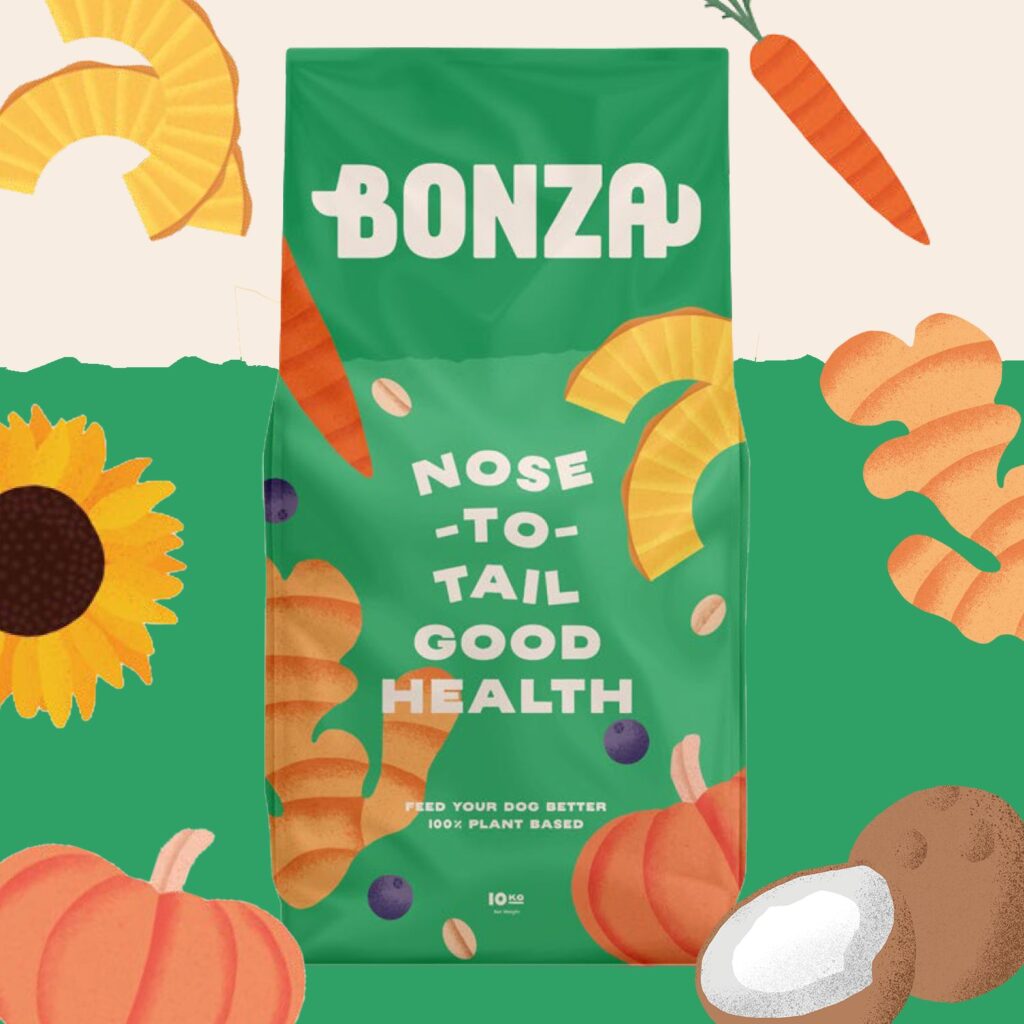
Bonza Superfoods & Ancient Grains: Daily Skin Support
Bonza Superfoods & Ancient Grains is the only plant-based dog food combining prebiotics, probiotics, postbiotics, and omega-3 DHA, EPA, and DPA in a single complete diet – delivering foundational gut-skin axis support with every meal:
- Calsporin® probiotic (Bacillus velezensis): Spore-forming probiotic surviving digestive transit to support beneficial gut microbiome balance
- TruPet® postbiotic: Provides beneficial metabolites directly, ensuring dogs receive health-promoting compounds regardless of individual microbiome composition
- Chicory root prebiotics: FOS and inulin feeding beneficial SCFA-producing bacteria
- DHAgold® omega-3s: Algae-derived DHA, EPA, and DPA supporting skin barrier function and reducing inflammation
- PhytoPlus® botanical complex: Including turmeric, ginger, chamomile, echinacea and adaptogens providing anti-inflammatory support
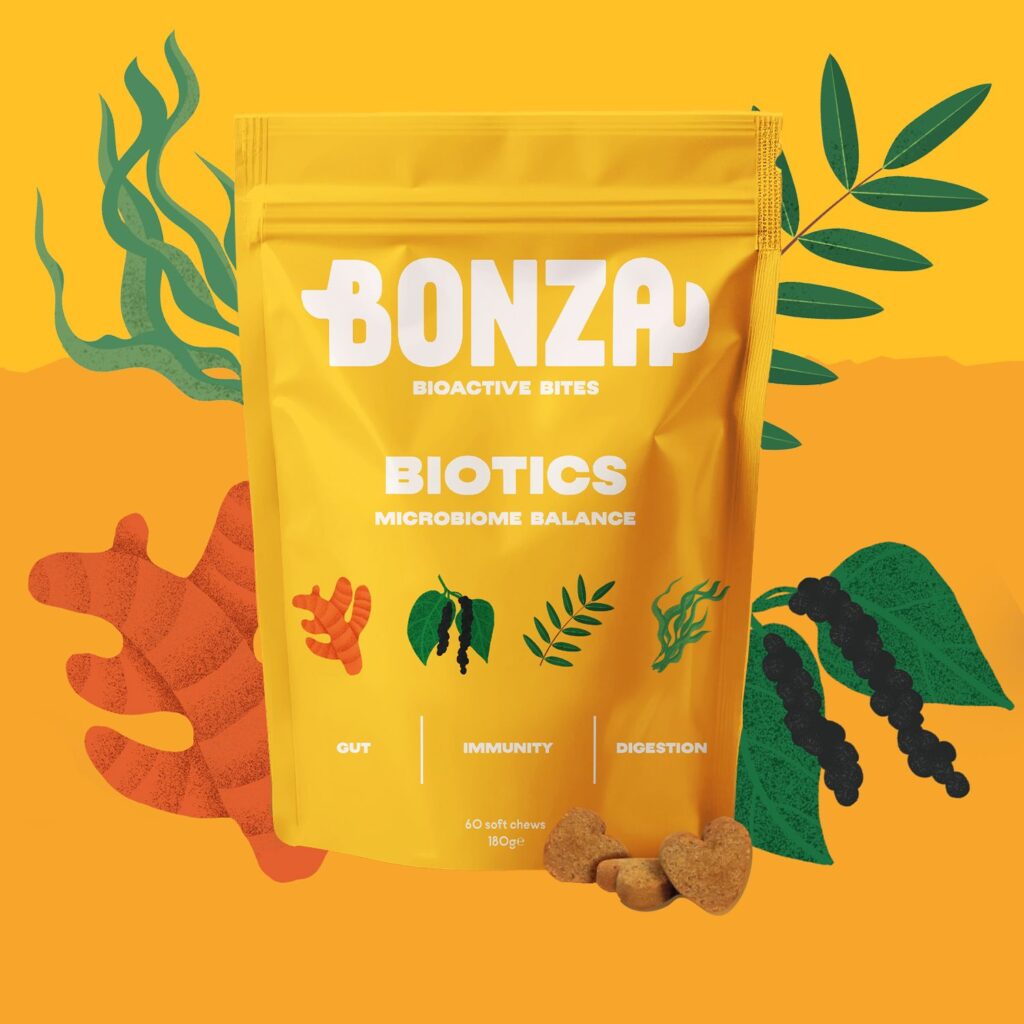
Biotics Bioactive Bites: Intensive Gut-Skin Support
For dogs with significant skin challenges or those needing intensive microbiome support, Biotics Bioactive Bites delivers concentrated intervention through multiple mechanisms:
- Complete biotic spectrum: TruPet® postbiotic, Calsporin® probiotic, Lactobacillus helveticus, plus Biolex® MB40 MOS and Fibrofos® 60 FOS prebiotics
- Gut barrier reinforcement: L-Glutamine and zinc glycinate strengthening intestinal integrity – addressing the “leaky gut” that drives systemic inflammation
- Toxin elimination: Clinoptilolite binding environmental toxins and bacterial endotoxins including LPS
- Anti-inflammatory support: Therapeutic levels of Boswellia, turmeric with black pepper, and DHAgold® omega-3s
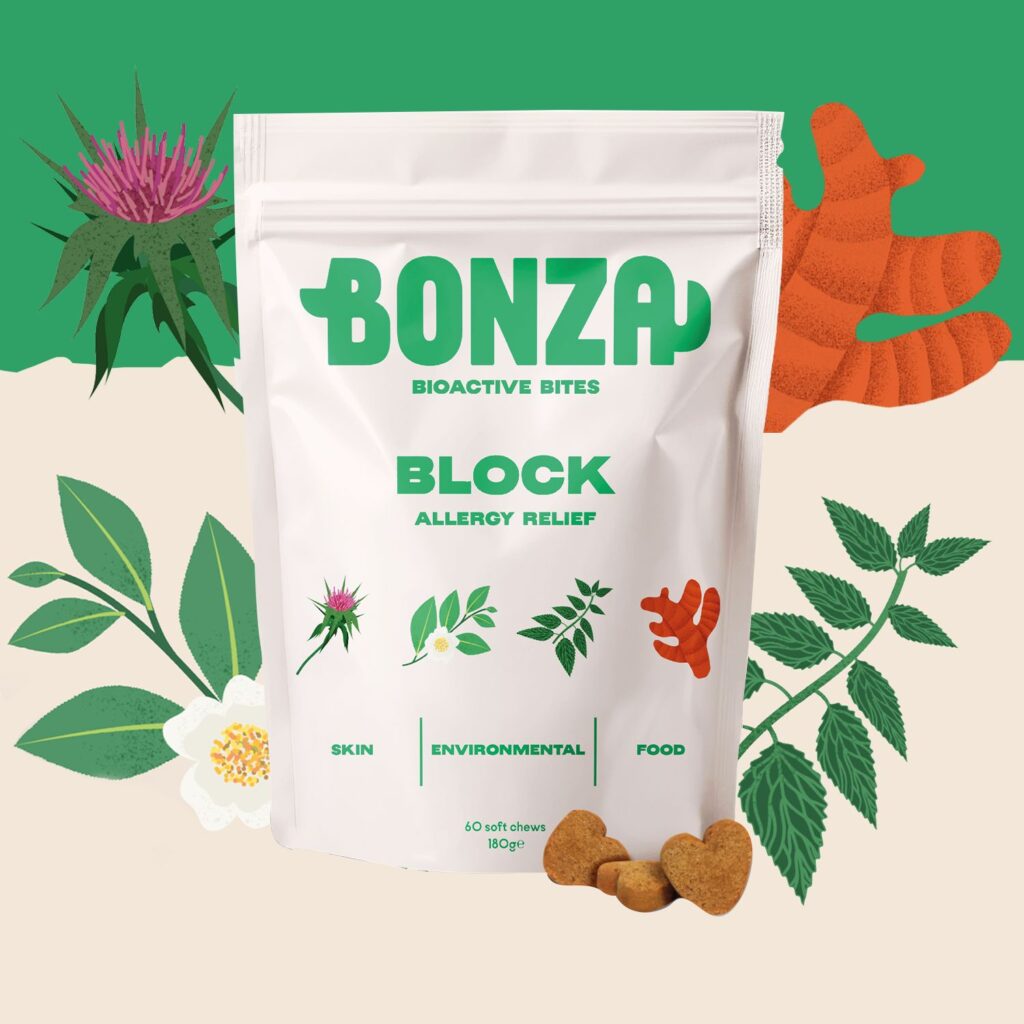
Block Bioactive Bites: Targeted Atopic Support
For dogs specifically struggling with atopic dermatitis, Block Bioactive Bites addresses the condition through a multi-pathway approach including Lactobacillus helveticus (shown to reduce inflammatory markers and support skin microbiome restoration), quercetin for mast cell stabilisation, and comprehensive barrier support through omega-3s and L-glutamine.
Whether your dog struggles with persistent itching, recurrent infections, or simply needs nutritional support for healthy skin, Bonza’s microbiome-focused approach addresses the gut-skin axis connection that many conventional approaches overlook.
References
11. Grice EA, Segre JA (2011). The skin microbiome. Nat Rev Microbiol 9:244-253. doi:10.1038/nrmicro2537
Disclaimer
This article is for informational purposes only and is not intended as veterinary advice. The information provided should not be used to diagnose or treat any health condition in your dog. Always consult with a qualified veterinarian before making changes to your dog’s diet or healthcare regimen, particularly if your dog has existing health conditions or is taking medication.