

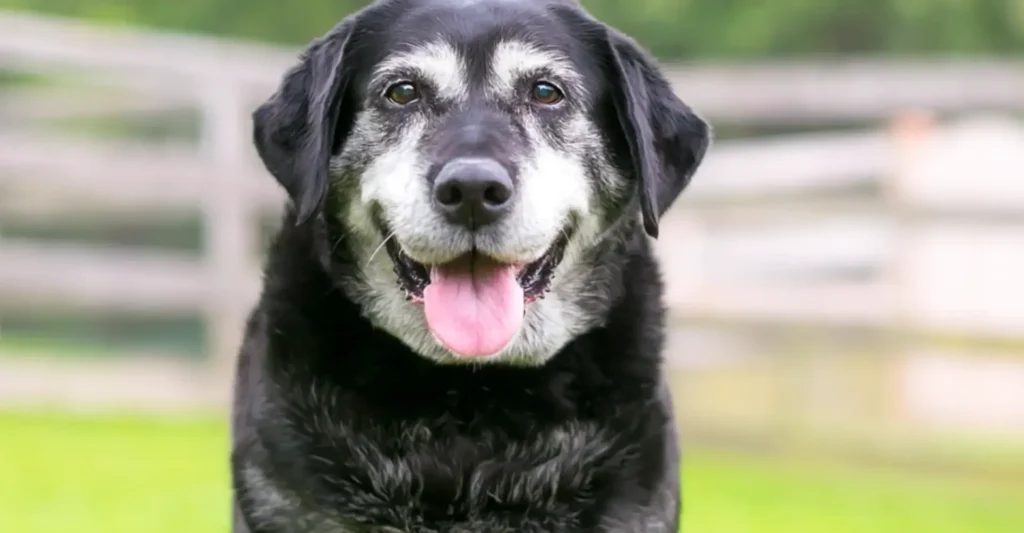
Canine Nutritionist’s Guide to Feeding Ageing Dogs
Senior dog nutrition refers to the targeted dietary adjustments required as dogs enter the later stage of life, typically from age 5 to 12 years depending on breed size, to address the physiological changes that affect metabolism, digestion, immunity, and cognition.
As dogs enter their senior years, their nutritional requirements undergo significant changes that demand thoughtful dietary adaptation. Research demonstrates that ageing dogs experience reduced metabolic efficiency, declining digestive function, increased susceptibility to chronic inflammation, and gradual shifts in gut microbiome composition, all of which can be positively influenced through targeted nutrition.1,2 This comprehensive guide examines the science behind senior dog nutrition, exploring how specific nutrients, bioactive compounds, and dietary strategies support the eight critical gut-organ axes that govern whole-body health. From maintaining cognitive function with omega-3 fatty acids and medium-chain triglycerides to preserving lean muscle mass through adequate high-quality protein, we provide evidence-based recommendations that help dog owners make informed feeding decisions. Whether your senior dog is seven or seventeen, understanding the nutritional foundation for healthy ageing can add years to their life and life to their years.
Key Takeaways
- Senior status varies by size: Large breeds may be considered senior from 6–7 years, whilst smaller breeds typically enter their senior years around 10–12 years of age.
- Energy needs decrease but protein needs increase: Senior dogs may require up to 25% fewer calories but need higher-quality protein (minimum 2.55g/kg body weight daily) to maintain muscle mass.
- Gut microbiome changes with age: Research shows senior dogs experience shifts in gut bacterial populations, with increased Bacteroidota and decreased beneficial bacteria, making prebiotic and probiotic support essential.
- Brain health requires targeted nutrition: Medium-chain triglycerides (MCTs), omega-3 fatty acids (DHA/EPA), and antioxidants support cognitive function by providing alternative brain fuel and reducing oxidative stress.
- Joint support through diet: Anti-inflammatory nutrients including omega-3s, glucosamine, chondroitin, and botanicals like Boswellia can help maintain mobility and comfort.
- The gut-organ axes explain whole-body health: The gut microbiome communicates with the brain, immune system, joints, skin, heart, liver, and metabolic systems, making gut health foundational for senior dog wellness.
In this guide:
- Understanding When Dogs Become Seniors
- How Ageing Affects Nutritional Requirements
- The Gut Microbiome and Ageing: A Critical Connection
- Essential Nutrients for Senior Dogs
- Supporting Cognitive Health in Senior Dogs
- Joint Health and Mobility Support
- Maintaining Lean Muscle Mass
- Immune System Support Through Nutrition
- Skin, Coat, and Organ Health
- How to Optimise Your Senior Dog’s Nutrition
- Practical Feeding Guidelines for Senior Dogs
- Safety Considerations
- Foods to Include and Avoid
- Frequently Asked Questions
- Conclusion
- The Bonza Approach to Senior Dog Nutrition
Understanding When Dogs Become Seniors
The transition into senior status represents a significant milestone in a dog’s life, one that carries important nutritional implications. Unlike humans, where ‘senior’ status typically begins around age 65, dogs age at vastly different rates depending primarily on their size and breed. Understanding when your dog enters their senior years allows you to proactively adapt their nutrition before age-related decline becomes apparent.
Size-Based Age Classifications
Research from the Dog Aging Project—one of the largest longitudinal studies of canine ageing, demonstrates significant variation in disease patterns and ageing trajectories across different sized dogs.1 Size-based classifications provide a useful framework:
Small breeds (under 10kg) such as Chihuahuas, Yorkshire Terriers, and Dachshunds typically have longer lifespans of 12–16 years. These dogs generally enter their senior years around 10–12 years of age. Their slower ageing rate means they may maintain youthful vitality well into what would be considered old age for larger breeds.
Medium breeds (10–25kg) including Beagles, Border Collies, and Cocker Spaniels typically live 10–14 years. Senior status for these dogs usually begins around 8–10 years of age, representing the middle ground between small and large breed ageing patterns.
Large breeds (25–40kg) such as Labrador Retrievers, Golden Retrievers, and German Shepherds have average lifespans of 10–12 years. These dogs typically enter their senior years at 7–8 years of age, making nutritional adaptation important relatively earlier in life.
Giant breeds (over 40kg) including Great Danes, Saint Bernards, and Irish Wolfhounds face the shortest lifespans, typically 6–10 years. These dogs may be considered seniors as early as 5–6 years of age, necessitating early nutritional intervention to support healthy ageing.
| Important Consideration: Working with your veterinarian to establish your individual dog’s senior status based on their size, breed, and health history provides the most personalised approach. A one-size-fits-all classification may not capture the earlier onset of ageing in larger breeds.1 |
Recognising Signs of Ageing
While chronological age provides a useful guideline, biological ageing varies considerably between individual dogs. Recognising the signs of ageing helps determine when nutritional changes may be beneficial:
Physical changes: Greying fur (particularly around the muzzle), reduced muscle tone, weight changes, cloudiness in the eyes, and decreased skin elasticity often signal the onset of senior status.
Behavioural changes: Decreased activity levels, longer sleep periods, reduced interest in play, slower response to commands, and changes in social behaviour may indicate age-related cognitive or physical changes.
Mobility changes: Stiffness upon rising, reluctance to climb stairs or jump, altered gait patterns, and reduced stamina during walks often reflect joint changes common in senior dogs.
Digestive changes: Altered appetite, changes in stool consistency, increased flatulence, or sensitivity to foods previously tolerated may signal age-related digestive system changes.
How Ageing Affects Nutritional Requirements
| Nutrient | Adult Dogs | Senior Dogs | Notes |
|---|---|---|---|
| Energy (calories) | Baseline maintenance | 20-25% reduction | Reduced lean mass and activity |
| Protein | 1.8-2.0g/kg body weight/day | Minimum 2.55g/kg body weight/day | Compensates for reduced synthesis efficiency |
| Omega-3 (DHA + EPA) | Standard maintenance levels | 50-75mg/kg body weight/day | Brain, joint, and cardiovascular support |
| Dietary fibre | Standard maintenance levels | Increased, emphasising soluble and prebiotic fibre | Supports gut motility and microbiome diversity |
| Antioxidants (vitamins C and E) | Standard maintenance levels | Increased | Counters elevated oxidative stress |
| B vitamins (B6, B12, folate) | Standard maintenance levels | Increased emphasis | Supports cognitive function and homocysteine regulation |
| Zinc | Standard maintenance levels | Monitor carefully | Absorption may decline with age |
| Water | ~50ml/kg body weight/day | ~50-60ml/kg body weight/day | Thirst drive may diminish; multiple water stations recommended |
Ageing triggers a cascade of physiological changes that fundamentally alter how dogs process, absorb, and utilise nutrients. Understanding these changes provides the scientific foundation for adapting senior dog nutrition to meet evolving needs.
Metabolic Changes in Senior Dogs
One of the most significant changes in senior dogs involves their metabolic rate and energy requirements. Research demonstrates an average 20–25% decrease in energy needs in senior dogs compared to younger adults of the same breeds.2 This reduction occurs through several interconnected mechanisms:
Lean body mass, which includes muscle tissue, represents the most metabolically active tissue in the body. As dogs age, they typically experience a gradual loss of lean body mass, a condition called sarcopenia. Since muscle tissue requires more energy to maintain than fat tissue, this loss directly reduces the maintenance energy requirement (MER). Studies confirm that lean body mass is one of the most influential factors in basal metabolism.2
Decreased physical activity compounds this effect. Senior dogs naturally become less active, further reducing their daily energy expenditure. However, this reduced calorie need does not correspond to reduced nutrient needs, in fact, requirements for certain nutrients actually increase with age, creating a nutritional challenge: senior dogs need fewer calories but more nutrients per calorie consumed.
| Key Insight: The ageing brain provides a perfect example of this metabolic shift. Studies demonstrate a reduction in cerebral glucose metabolism in dogs as young as 6 years.3 As brain cells become less efficient at utilising glucose for energy, cognitive function may decline unless alternative fuel sources, such as ketone bodies from MCTs, are provided. |
Digestive System Changes
The gastrointestinal tract undergoes significant age-related changes that affect nutrient absorption and processing:
Reduced digestive enzyme production: The pancreas and intestinal lining may produce fewer digestive enzymes, affecting the breakdown of proteins, fats, and carbohydrates. This reduced digestive capacity means senior dogs may struggle to extract nutrients from foods they previously digested easily.
Decreased intestinal motility: The smooth muscle of the intestinal tract may become less efficient, leading to slower transit times and potential for constipation. Adequate fibre becomes increasingly important for maintaining healthy gut motility.
Reduced nutrient absorption: The intestinal villi—finger-like projections that increase surface area for nutrient absorption, may become less efficient. This reduced absorptive capacity means that even adequate dietary intake may not translate to adequate nutrient status.
Altered gut barrier function: The intestinal barrier, which prevents harmful substances from entering the bloodstream whilst allowing nutrients to pass, may become compromised with age. This ‘leaky gut’ phenomenon can contribute to systemic inflammation.
Immune System Considerations
The ageing immune system, a process called immunosenescence, undergoes significant changes that have profound implications for nutrition.4 Older dogs typically experience a shift toward chronic low-grade inflammation, termed ‘inflammaging’, which characterises the ageing immune system. This persistent inflammatory state contributes to many age-related conditions, including arthritis, cognitive decline, and metabolic dysfunction. Research demonstrates that immunosenescence is associated with inflammaging, a chronic low-degree inflammatory condition.5
Reduced vaccine response represents another aspect of immunosenescence. Studies show that the effect of aging on the immune response to core vaccines is significant in senior and geriatric dogs.4 Supporting immune function through nutrition, including adequate protein, zinc, selenium, and vitamins C and E, helps maintain protective immunity.
The Gut Microbiome and Ageing: A Critical Connection
Perhaps no area of canine nutrition science has evolved as rapidly as our understanding of the gut microbiome and its relationship to whole-body health. For senior dogs, maintaining a healthy, diverse microbiome becomes increasingly important, and increasingly challenging, as the gut ecosystem naturally shifts with age. These age-related shifts sit at the centre of the gut-longevity axis.
Age-Related Microbiome Shifts
Research examining age-associated changes in intestinal health biomarkers reveals significant differences in the gut microbiota of senior dogs compared to younger animals.6 A study involving 106 dogs of different ages found that senior dogs (over 7 years) showed significantly higher relative abundance of Bacteroidota and Pseudomonadota phyla. They also demonstrated higher levels of Faecalibacterium, along with increased populations of Ruminococcaceae, Prevotellaceae, and Bacteroidaceae families compared to adult and junior dogs.
Short-chain fatty acid (SCFA) profiles also shift with age. Senior dogs showed higher relative proportions of fecal acetate, while butyrate, isovaleric acid, and valeric acid were lower.6 This matters because butyrate, in particular, serves as the primary energy source for colonocytes (cells lining the colon) and plays crucial roles in maintaining gut barrier integrity and modulating inflammation.
A subsequent study in 37 Beagle dogs confirmed these findings, showing that Bacteroides were significantly higher in senior dogs, with Faecalibacterium and Blautia showing age-related trends.7 This body of evidence demonstrates that the canine gut microbiome undergoes consistent age-related changes that can be targeted through dietary intervention.
| Research Insight: Research into the canine gut microbiome suggests that a healthy, diverse microbiome may support longevity. The gut microbiome plays critical roles in both health and gastrointestinal disease, with emerging evidence indicating that strategies to preserve microbiome diversity may support healthy ageing in dogs.8 |
The Eight Gut-Organ Axes
The gut microbiome does not operate in isolation, it continuously exchanges signals with distant organs and systems through sophisticated communication networks called gut-organ axes. Understanding these connections reveals why gut health forms the foundation for whole-body wellness in senior dogs:
1. Gut-Brain Axis: Bidirectional communication between the gut microbiome and brain occurs through neural pathways (primarily the vagus nerve), immune signals, and microbial metabolites. Gut bacteria produce neurotransmitters including serotonin, dopamine, and GABA that influence mood, behaviour, and cognitive function. Dysbiosis can manifest as anxiety, depression-like behaviour, and accelerated cognitive decline.7
2. Gut-Immune Axis: Approximately 70% of the immune system resides in the gut-associated lymphoid tissue (GALT). The microbiome educates immune cells, maintains tolerance to harmless substances whilst remaining vigilant against pathogens, and produces antimicrobial compounds. An imbalanced microbiome contributes to both increased infection susceptibility and inappropriate immune responses.5
3. Gut-Skin Axis: The gut and skin share structural similarities as barrier organs with their own microbial communities. SCFAs produced by gut bacteria travel through the bloodstream to influence skin cell behaviour, immune responses, and barrier function. Dogs with inflammatory skin conditions consistently show altered gut microbiomes.9
4. Gut-Joint Axis: Research increasingly links gut dysbiosis to joint inflammation and osteoarthritis. Dogs with osteoarthritis show distinct gut microbial signatures compared to healthy dogs, with specific bacterial taxa differentially enriched, suggesting that gut-derived inflammation contributes to cartilage degradation.10
5. Gut-Heart Axis: Gut bacteria metabolise certain dietary compounds to produce metabolites that affect cardiovascular function. SCFAs help regulate blood pressure and inflammation, whilst certain bacterial metabolites may either protect or harm cardiac tissue depending on the microbial balance.
6. Gut-Liver Axis: The liver receives blood directly from the intestines via the portal vein, exposing it to gut-derived substances. A healthy microbiome supports liver detoxification, whilst dysbiosis can increase the liver’s toxic burden and contribute to hepatic inflammation.
7. Gut-Metabolic Axis: The microbiome influences energy harvest from food, fat storage, glucose regulation, and appetite signalling. Dysbiosis can contribute to obesity, insulin resistance, and metabolic dysfunction, concerns that become more prevalent in senior dogs.
8. Gut-Longevity Axis: Emerging research suggests the microbiome itself influences the ageing process. The chronic low-grade inflammation (inflammaging) associated with microbial imbalance accelerates cellular ageing, whilst a healthy, diverse microbiome may support cellular repair mechanisms and healthy longevity.5
Supporting Microbiome Health Through Diet
Given the critical role of the gut microbiome in whole-body health, supporting microbial balance becomes a cornerstone of senior dog nutrition. Three categories of ‘biotics’ work synergistically to maintain a healthy gut ecosystem:
Prebiotics are non-digestible fibres that selectively feed beneficial gut bacteria. Key prebiotics for dogs include inulin (from chicory root), fructooligosaccharides (FOS), mannan-oligosaccharides (MOS), and resistant starch. When gut bacteria ferment these fibres, they produce SCFAs, particularly butyrate, that nourish intestinal cells, strengthen the gut barrier, and modulate immune responses.11
Probiotics are live beneficial bacteria that, when consumed in adequate amounts, confer health benefits. For senior dogs, probiotic strains such as Bacillus subtilis/velezensis, Lactobacillus helveticus, and Bifidobacterium animalis help restore microbial balance, compete with pathogenic bacteria, and directly signal to the immune system. Spore-forming probiotics like Bacillus species survive harsh stomach acid and remain stable during food processing.
Postbiotics are the beneficial metabolites, cell wall components, and other bioactive compounds produced by probiotic bacteria. For senior dogs lacking robust beneficial bacterial populations, postbiotics provide direct benefits without requiring bacterial colonisation. They support gut barrier function, modulate immune responses, and reduce inflammation.
Essential Nutrients for Senior Dogs
While all nutrients remain important throughout a dog’s life, certain nutrients take on heightened significance during the senior years. Understanding these requirements helps ensure that calorie-restricted diets still deliver optimal nutrition.
Protein: Quality Over Quantity
Perhaps no nutrient generates more confusion in senior dog nutrition than protein. Outdated recommendations suggesting protein restriction for older dogs have been replaced by evidence demonstrating that senior dogs actually require more high-quality protein to maintain muscle mass and support immune function. Research indicates that a dog’s requirements for protein increase as a result of reduced ability to synthesise proteins with age.2
Veterinary sources generally recommend a minimum of 2.55 grams of protein per kilogram of body weight daily to ensure protein requirements are met.12 For a 20kg senior dog, this translates to approximately 51 grams of protein daily. Protein quality matters as much as quantity. The biological value of protein, the percentage of usable amino acids, varies significantly between sources. Dogs require 22 amino acids, 12 of which they can synthesise; the remaining 10 essential amino acids must come from diet.12
| Important Note: Restricting protein in healthy senior dogs is not only unnecessary but potentially harmful. Protein restriction should only be considered under veterinary guidance for dogs with specific medical conditions such as advanced kidney disease with elevated blood urea nitrogen. |
Fats and Fatty Acids
Fat represents a concentrated energy source, providing more than twice the calories per gram compared to protein or carbohydrates. For senior dogs with reduced energy needs, moderating fat intake helps prevent weight gain. However, the type of fat matters tremendously for senior dog health.
Omega-3 fatty acids (particularly EPA and DHA) provide potent anti-inflammatory effects that benefit virtually every system affected by ageing. DHA supports brain cell membrane integrity and cognitive function, whilst EPA helps reduce joint inflammation and supports cardiovascular health. Sources include marine algae oil (a sustainable plant-based source), fish oil (including salmon oil), and green-lipped mussel.
Medium-chain triglycerides (MCTs) deserve special mention for senior dogs. Unlike long-chain fats, MCTs are rapidly absorbed and converted by the liver into ketone bodies, an alternative fuel source that ageing brain cells can utilise when glucose metabolism becomes impaired. Clinical studies demonstrate significant cognitive benefits from MCT supplementation.3,13
Linoleic acid (an omega-6 fatty acid) remains essential for skin and coat health, which can decline in older dogs. Balanced omega-6 to omega-3 ratios support healthy inflammatory responses.
Carbohydrates and Fibre
While dogs have no absolute requirement for carbohydrates, they can efficiently digest and utilise appropriately prepared plant-based carbohydrate sources. For senior dogs, the fibre component of carbohydrates becomes particularly valuable:
Soluble fibre dissolves in water to form a gel-like substance that slows digestion, promotes stable blood glucose levels, and serves as the primary substrate for beneficial gut bacteria to produce SCFAs. Sources include oats, barley, legumes, and certain vegetables.
Insoluble fibre adds bulk to stool, promotes healthy gut motility, and helps prevent constipation, a common concern in less active senior dogs.
Resistant starch resists digestion in the small intestine and ferments in the colon, providing prebiotic benefits. Cooked and cooled sweet potato, legumes, and certain grains provide resistant starch.
Vitamins and Minerals
Several vitamins and minerals take on heightened importance during the senior years:
B vitamins including B6, B12, and folate support neurological health, energy metabolism, and help regulate homocysteine levels, elevated homocysteine is associated with cognitive decline and cardiovascular disease. Research suggests that B vitamin supplementation improves cognitive function, particularly when combined with omega-3 fatty acids.14
Antioxidant vitamins C and E help neutralise free radicals that accumulate with age and contribute to cellular damage. These vitamins work synergistically, vitamin C regenerates vitamin E after it neutralises free radicals. They also help stabilise the highly unsaturated omega-3 fatty acids critical for brain and joint health.17
Zinc supports immune function, wound healing, skin health, and protein synthesis. Senior dogs may experience subclinical zinc deficiency due to reduced absorption. Zinc also plays crucial roles in cognitive function and taste perception, reduced taste may contribute to decreased appetite in older dogs.
Selenium works alongside vitamin E as part of the antioxidant defence system and supports thyroid function, important for maintaining metabolic rate.
Water: The Often Overlooked Nutrient
Water represents the single most important nutrient for dogs of any age, yet senior dogs face unique hydration challenges. Older dogs may have a reduced thirst drive despite equal or greater hydration needs. Kidney function often declines with age, potentially requiring more water to maintain proper waste elimination.
Ensure your senior dog has constant access to fresh, clean water. Consider multiple water stations, especially in multi-level homes where mobility challenges might discourage trips to a single water bowl. Monitoring water intake, both increases and decreases, provides valuable health information to share with your veterinarian.
Supporting Cognitive Health in Senior Dogs
Cognitive decline represents one of the most challenging aspects of canine ageing for both dogs and their owners. Understanding the nutritional factors that support brain health allows for proactive intervention before significant decline occurs. Because gut dysbiosis drives the neuroinflammation behind cognitive decline, this connects to the gut-brain axis.
Understanding Canine Cognitive Dysfunction
Canine Cognitive Dysfunction (CCD), often called ‘doggy dementia,’ affects approximately 14% of senior dogs aged 8 and older, with prevalence rising significantly with age.15 CCD shares many neuropathological features with Alzheimer’s disease in humans, including cortical atrophy, cerebral amyloid angiopathy, and ventricular enlargement.13
Signs of CCD are commonly remembered using the acronym DISHAA: Disorientation (getting lost in familiar places), altered Interactions with family members, Sleep-wake cycle disturbances, House soiling, Activity level changes, and Anxiety. A systematic review of enriched diets and nutraceuticals confirmed that cognitive dysfunction is increasingly prevalent in ageing companion animals and responsive to nutritional intervention.16
Medium-Chain Triglycerides (MCTs)
MCTs have emerged as one of the most exciting nutritional interventions for canine cognitive health. As dogs age, their brain cells become less efficient at using glucose as their primary energy source. This energy deficit contributes to neuronal dysfunction and cognitive decline. MCTs, typically derived from coconut oil or palm kernel oil, are rapidly converted by the liver into ketone bodies, an alternative fuel that brain cells can utilise regardless of glucose metabolism status.3
Clinical trials demonstrate significant benefits. A study using a diet containing 6.5% MCTs showed improvement in all six categories of CCD signs after 90 days.13 Another trial demonstrated that diets containing 5.5% MCTs significantly improved executive and visuospatial functions in laboratory dogs.3 Owners often report improved alertness, trainability, and normalisation of sleep-wake cycles within weeks of MCT supplementation.
| Practical Tip: When introducing MCTs, start with approximately 25% of the target dose and gradually increase over 2–3 weeks to minimise the possibility of digestive upset. MCTs can cause loose stools if introduced too quickly. |
Omega-3 Fatty Acids for Brain Health
DHA (docosahexaenoic acid) makes up a significant portion of brain cell membranes and supports neuronal structure and function throughout life. A systematic review found that DHA supplementation improved learning in one trial (approximately 26mg/kg), whilst combining omega-3s with other brain-supportive nutrients showed benefits for learning, executive functions, and memory preservation.16
A general guideline suggests approximately 50–75mg of combined DHA and EPA per kilogram of body weight daily for cognitive support. For a 20kg senior dog, this translates to roughly 1000–1500mg of combined omega-3s daily.
Antioxidants and Neuroprotection
The brain is particularly vulnerable to oxidative damage due to its high metabolic rate and lipid-rich composition. Studies in ageing dogs found that those consuming antioxidant-enriched diets containing vitamin E, vitamin C, selenium, beta-carotene, flavonoids, and carotenoids performed cognitive tasks more accurately than dogs on unsupplemented diets.17
A landmark two-year study demonstrated decreased cognitive decline rates with antioxidant-enriched diets, with the greatest effect seen when combined with behavioural enrichment.18 Additional neuroprotective compounds include phosphatidylserine (supports cell membrane health and neurotransmitter release), alpha-lipoic acid (crosses the blood-brain barrier to protect neurons), and L-carnitine (supports mitochondrial function). Plant-based antioxidants including polyphenols from berries, green tea catechins, and curcumin from turmeric provide complementary brain protection.
B Vitamins and Cognitive Function
B vitamins play essential roles in brain health through multiple mechanisms. They serve as cofactors for neurotransmitter synthesis, support myelin formation (the insulation around nerve cells), and help regulate homocysteine, an amino acid that, when elevated, is associated with cognitive decline and vascular disease. Research in humans with mild cognitive impairment found that B vitamin supplementation reduced cognitive decline only in subjects with adequate omega-3 fatty acid levels19, highlighting the importance of providing these nutrients together rather than in isolation.
Joint Health and Mobility Support
Joint deterioration represents one of the most common and visible signs of ageing in dogs. As joints lose lubrication and cartilage wears thin, the resulting discomfort affects mobility, activity levels, weight management, and quality of life. Nutritional support can help maintain joint comfort and function.
The Gut-Joint Axis Connection
Emerging research reveals a fascinating bidirectional relationship between gut health and joint health. A study of 175 Beagle dogs found that dogs with osteoarthritis showed specific microbial taxa differentially enriched compared to healthy dogs, with Peptococcus, Peptostreptococcus, Clostridiaceae, and Coprobacillus significantly enriched in osteoarthritic dogs.10
Inflammatory processes in the gut can propagate systemically, contributing to joint inflammation. Conversely, joint inflammation may alter gut microbiome composition. This suggests that supporting gut health represents an important component of joint care.
Anti-Inflammatory Nutrients
Omega-3 fatty acids (EPA in particular) reduce inflammatory mediators in joint tissue, helping to slow cartilage degradation and reduce discomfort. Multiple studies confirm their benefit for joint health when provided at sufficient levels.
Turmeric and its active compound curcumin provide natural anti-inflammatory effects that complement omega-3 fatty acids. Curcumin inhibits inflammatory enzymes and signalling pathways involved in joint degradation.
Boswellia serrata has been extensively studied for joint health, inhibiting specific inflammatory pathways in joint tissues. This botanical works through complementary mechanisms to omega-3s, making combination approaches particularly effective.
Ginger provides additional anti-inflammatory and antioxidant support whilst also supporting digestive comfort, a dual benefit for senior dogs.
Cartilage-Supporting Compounds
Glucosamine and chondroitin sulfate have long been used for joint support. Research indicates that the combination significantly benefits moderate-to-severe knee pain, with similar effects likely in dogs.20 These compounds take approximately 3 months of consistent supplementation before benefits become apparent.
Green-lipped mussel provides a unique combination of omega-3 fatty acids (including the rare ETA), glucosamine, and chondroitin in a single whole-food source. This makes it an efficient joint-support ingredient that delivers multiple benefits.
Maintaining Lean Muscle Mass
Understanding Sarcopenia in Dogs
Sarcopenia, the age-related loss of muscle mass and strength, affects senior dogs just as it affects ageing humans. This muscle loss reduces metabolic rate (contributing to weight gain), decreases mobility and stability, reduces thermoregulation ability, and compromises overall strength and resilience. Senior dogs experience reduced protein synthesis efficiency, meaning they need more dietary protein to achieve the same anabolic response as younger dogs.2 This forms the scientific basis for increased protein recommendations in senior diets.
Protein Requirements for Muscle Preservation
Maintaining adequate high-quality protein intake is the single most important nutritional strategy for preserving muscle mass. Provide protein at or above the minimum requirement of 2.55g/kg body weight daily.12 For senior dogs prone to muscle loss, slightly higher intakes (around 3g/kg) may be beneficial. Choose high-biological-value protein sources that provide complete essential amino acid profiles. Distribute protein across multiple meals throughout the day rather than providing it all in one feeding, this supports more consistent amino acid availability for muscle protein synthesis.
The Role of Exercise
Nutrition alone cannot maintain muscle mass, appropriate exercise provides the stimulus for muscle maintenance and growth. Regular, low-impact exercise suited to your senior dog’s abilities, such as swimming, controlled walks, or gentle play, works synergistically with adequate protein to preserve lean mass. Even light activity stimulates muscle protein synthesis and improves nutrient partitioning toward muscle rather than fat storage.
Immune System Support Through Nutrition
Immunosenescence and Inflammaging
The ageing immune system faces two related but distinct challenges. Immunosenescence refers to the overall decline in immune function, reduced ability to fight infections, mount vaccine responses, and conduct immune surveillance against abnormal cells.4 Inflammaging describes the shift toward chronic low-grade inflammation that contributes to age-related diseases.5 Nutritional strategies for senior dogs must address both aspects: supporting immune competence whilst reducing inappropriate inflammatory responses.
Gut-Immune Axis Support
Given that approximately 70% of immune cells reside in the gut, supporting gut health represents the foundation of immune support. The microbiome plays critical roles in immune education, barrier function, and appropriate immune responses. Prebiotics stimulate SCFA production, which regulates immune responses. Probiotics boost antibody production and prevent pathogenic bacteria from colonising the gut.11 Postbiotics provide metabolites that support barrier function and modulate immune balance.
Key Immune-Supporting Nutrients
Beyond gut support, specific nutrients directly influence immune function: zinc supports immune cell development and function; selenium works with vitamin E as part of antioxidant defences; vitamin E protects immune cell membranes; omega-3 fatty acids help balance inflammatory responses; beta-glucans (from oats, yeast and mushrooms) enhance immune cell activity; and adequate protein provides the building blocks for antibody production.
Skin, Coat, and Organ Health
The Gut-Skin Axis
The skin and coat serve as visible indicators of internal health, particularly digestive and absorptive function. The gut-skin axis explains how gut health influences skin appearance and vice versa. SCFAs produced in the gut travel through the bloodstream to influence skin cell behaviour, barrier function, and sebum production. Dogs with inflammatory skin conditions consistently show altered gut microbiomes.9
Omega-3 fatty acids contribute to skin and coat health through incorporation into cell membranes, reduction of inflammatory skin conditions, enhancement of sebum quality, and regulation of skin cell turnover. Zinc plays crucial roles in protein synthesis for rapidly renewing skin cells, collagen formation, and wound healing.
Supporting Liver and Kidney Function
Liver and kidney function may decline with age, affecting nutrient metabolism and waste elimination. A healthy gut microbiome supports liver function by reducing the toxic burden from gut-derived substances reaching the liver via the portal vein. Antioxidants support detoxification pathways and protect organ tissues from oxidative damage.
For senior dogs with compromised kidney function, working with a veterinarian to adjust specific nutrients (particularly phosphorus and potentially protein levels in advanced disease) becomes important. However, healthy senior dogs do not require prophylactic kidney-protective dietary modifications.
Heart Health Considerations
Cardiovascular health in senior dogs benefits from omega-3 fatty acids (which support healthy heart rhythm and reduce inflammation), adequate taurine (an amino acid essential for cardiac function), and antioxidants that protect cardiovascular tissues. Maintaining ideal body weight reduces strain on the cardiovascular system and supports overall heart health.
How to Optimise Your Senior Dog’s Nutrition
Follow these evidence-based steps to ensure your senior dog receives optimal nutrition for healthy ageing:
- Assess your dog’s senior status.
Determine when your dog enters their senior years based on size: giant breeds from 5–6 years, large breeds from 7–8 years, medium breeds from 8–10 years, and small breeds from 10–12 years. Consult your veterinarian for a personalised assessment.
- Evaluate current body condition.
Use a body condition scoring system: you should be able to feel (but not prominently see) your dog’s ribs, observe a visible waist from above, and see an abdominal tuck from the side. Adjust calorie intake accordingly, senior dogs typically need 20–25% fewer calories.
- Ensure adequate protein intake.
Provide a minimum of 2.55g of high-quality protein per kilogram of body weight daily. Choose foods with named protein sources and high biological value. Do not restrict protein unless specifically advised by your veterinarian for a diagnosed medical condition.
- Incorporate omega-3 fatty acids.
Target approximately 50–75mg of combined DHA and EPA per kilogram of body weight daily. Sources include algae-based omega-3 supplements, fish oil, or green-lipped mussel.
- Support gut health with synbiotics.
Choose foods containing prebiotics (inulin, FOS, MOS), probiotics (Bacillus species, Lactobacillus), and postbiotics. These support the gut microbiome, which communicates with the brain, immune system, joints, and other organs through the gut-organ axes.
- Consider MCT supplementation for cognitive support.
If your dog shows early signs of cognitive decline (disorientation, altered sleep-wake cycles, reduced interaction), discuss MCT supplementation with your veterinarian. Start at 25% of the target dose and increase gradually over 2–3 weeks.
- Transition gradually to any new diet.
Change foods over 7–10 days, starting with 25% new food and increasing by 25% every 2–3 days. This allows the gut microbiome to adapt and minimises digestive upset. Avoid frequent chnages of food to provide stability for the microbiome.
- Monitor and adjust.
Schedule regular veterinary check-ups with blood work. Track body condition, coat quality, energy levels, stool consistency, and behaviour. Adjust nutrition based on your individual dog’s response.
Practical Feeding Guidelines for Senior Dogs
Transitioning to a Senior Diet
Any dietary change should occur gradually over 7–10 days to allow the gut microbiome time to adapt. Begin by replacing approximately 25% of the current food with the new food, gradually increasing the proportion every 2–3 days until the transition is complete. Sudden dietary changes can disrupt the microbiome and cause digestive upset.
Feeding Frequency and Portion Control
Senior dogs often benefit from smaller, more frequent meals rather than one or two large daily feedings. Splitting the daily ration into 2–3 meals reduces digestive burden on ageing gastrointestinal systems, provides more consistent amino acid availability for muscle maintenance, helps stabilise blood glucose levels, and may improve appetite in dogs experiencing reduced interest in food.
Choosing a Senior Dog Food: What to Look For.
Protein quality and quantity should be your first consideration. Look for a minimum crude protein level appropriate for senior maintenance (at least 25% on a dry matter basis as a general guide), with named, whole protein sources listed at the top of the ingredient list rather than generic “animal derivatives.”
Omega-3 fatty acid content – specifically DHA and EPA – should be listed explicitly. Generic “fish oil” or “vegetable oil” without further specification gives limited information about the actual omega-3 profile. Algae-based DHA sources are increasingly common in premium formulas and are both sustainable and effective.
Prebiotic fibres indicate support for gut microbiome health. Look for chicory root, inulin, fructooligosaccharides (FOS), or mannan-oligosaccharides (MOS) in the ingredients list. Their presence suggests the formula has been designed with microbiome diversity in mind.
Antioxidant sources – ideally from whole food ingredients such as berries, leafy greens, and botanicals – provide cellular protection against the oxidative stress that accelerates ageing.
Joint-supporting compounds such as glucosamine and chondroitin sulfate are a useful addition for dogs over 7-8 years, particularly larger breeds prone to osteoarthritis.
Calorie density matters because senior dogs need fewer calories but not fewer nutrients. A food with lower calorie density and higher nutrient density allows appropriate portion sizes without risk of overfeeding. Check the kilocalories per 100g and compare this against the feeding guide.
Managing Weight in Senior Dogs
Weight management becomes increasingly important, and challenging, as dogs age. Excess weight places additional strain on ageing joints, increases cardiovascular workload, promotes inflammation, and shortens lifespan. Yet as activity levels decline and metabolism slows, weight gain becomes more likely.
Monitor body condition regularly using a body condition scoring system. Adjust portions based on body condition rather than relying solely on feeding guidelines, which represent starting points rather than absolute requirements.
When to Consider Supplements
Well-formulated complete diets should provide most nutrients in appropriate amounts. However, certain supplements may benefit senior dogs: joint supplements (glucosamine, chondroitin, green-lipped mussel) for dogs showing mobility changes; omega-3 supplements if the diet is not already enriched with EPA and DHA; MCT supplements for cognitive support in dogs showing early signs of cognitive decline; probiotic supplements if the food does not contain live beneficial bacteria; and digestive enzymes for dogs with signs of digestive inefficiency. Always discuss supplements with your veterinarian, particularly if your dog takes any medications, as interactions may occur.
Safety Considerations
While nutritional optimisation is beneficial for senior dogs, certain precautions should be observed:
Protein restriction: Only restrict protein under veterinary guidance for dogs with diagnosed advanced kidney disease with elevated blood urea nitrogen. Unnecessary protein restriction in healthy seniors can accelerate muscle loss and weaken immune function.
MCT supplementation: Introduce gradually to avoid gastrointestinal upset. Dogs with pancreatitis or fat metabolism disorders should not receive MCT supplementation without veterinary approval.
Supplement interactions: Omega-3 fatty acids at high doses may affect blood clotting. Consult your veterinarian if your dog takes anticoagulant medications or is scheduled for surgery.
Weight loss: Rapid weight loss in senior dogs can be dangerous. Target gradual loss of no more than 1–2% of body weight per week, and monitor closely with veterinary guidance.
Underlying conditions: Many signs attributed to ‘normal ageing’ may indicate treatable conditions. Sudden changes in appetite, weight, thirst, urination, behaviour, or mobility warrant veterinary evaluation before dietary modification alone.
Foods to Include and Avoid
Beneficial Foods for Senior Dogs
Whether included in commercial foods or as healthy additions:
- Blueberries, cranberries, blackberries, and raspberries: Rich in antioxidants including anthocyanins that support brain health and cellular protection.
- Sweet potato: Provides beta-carotene, fibre, and resistant starch when cooked and cooled.
- Leafy greens (spinach, kale): Supply vitamins, minerals, and plant compounds with antioxidant and anti-inflammatory properties.
- Pumpkin: Excellent fibre source that supports digestive health and provides beta-carotene.
- Oats: Provide beta-glucans that support immune function and soluble fibre for gut health.
- Legumes (lentils, chickpeas, fava beans): Plant proteins and prebiotic fibres that nourish beneficial gut bacteria.
- Algae-based omega-3 sources: Sustainable EPA and DHA that bypass accumulation of ocean pollutants.
Foods to Limit or Avoid
- High-sodium foods: Excessive sodium can stress the cardiovascular system and kidneys.
- Highly processed treats: Often high in calories, sodium, and preservatives while low in nutritional value.
- High-sugar foods: Can promote unhealthy gut bacterial populations and contribute to weight gain.
- Table scraps high in fat: Can trigger pancreatitis and contribute to obesity.
- Foods toxic to dogs: Grapes, raisins, onions, garlic (in significant amounts), chocolate, xylitol, and macadamia nuts remain dangerous regardless of age.
Frequently Asked Questions
It depends on size. Giant breeds (over 40kg) may benefit from senior nutrition as early as 5-6 years. Large breeds (25-40kg) typically enter senior status around 7-8 years. Medium breeds (10-25kg) are usually considered senior at 8-10 years, while small breeds (under 10kg) often don’t reach senior status until 10-12 years. Rather than focusing solely on age, watch for physical signs of ageing and discuss the timing with your veterinarian.
No – this is a common misconception. Healthy senior dogs need maintained or increased high-quality protein to preserve muscle mass and compensate for reduced protein synthesis efficiency. The minimum recommendation is 2.55g per kilogram of body weight daily. Protein should only be restricted under veterinary guidance for dogs with diagnosed conditions such as advanced kidney disease.
Most senior dogs benefit from 2-3 smaller meals rather than one large daily feeding. This reduces digestive burden, provides more consistent amino acid availability for muscle maintenance, and helps stabilise blood glucose. The total daily amount stays the same – you are simply dividing it into smaller, more manageable portions.
The most evidence-supported options are omega-3 fatty acids (EPA and DHA) for brain, joint, and heart health; MCT oil for cognitive support; glucosamine and chondroitin for joint health; probiotics for gut and immune support; and vitamins C and E with selenium for antioxidant protection. Always consult your veterinarian before adding supplements, particularly if your dog takes medications.
Yes. Clinical trials show that diets enriched with MCTs, DHA, antioxidants, and B vitamins can improve cognitive function and slow decline.³’¹³’¹⁴’¹⁶ MCTs are particularly valuable as they provide ketone bodies – an alternative brain fuel when glucose metabolism is impaired. A two-year study confirmed decreased cognitive decline rates with enriched diets, especially when combined with behavioural enrichment activities.¹⁸
Good indicators include maintaining ideal body condition, a healthy coat, consistent stool quality, stable weight, and a good appetite. Regular veterinary check-ups with blood work can identify deficiencies before they become visible. The body condition score – ribs easily felt but not visible, waist visible from above – is a practical daily guide.
Both can work well. Wet food provides additional hydration and suits dogs with dental issues or a reduced sense of smell and taste. Dry food supports dental health and is easier to store. Many owners find a combination works well. The most important factor is choosing a nutritionally complete food that meets your senior dog’s calorie, protein, and micronutrient needs.
Common causes include reduced sense of smell and taste, dental discomfort, lower energy needs, medication side effects, or an underlying health condition. Sudden or significant appetite loss warrants veterinary evaluation. For mild decreases, try warming food to enhance aroma, offering smaller more frequent meals, or adding a small amount of warm water or low-sodium broth.
Yes, when properly formulated to be nutritionally complete. Key requirements include high-quality protein from multiple plant sources, algae-based omega-3s (DHA and EPA), and adequate B vitamins. Well-designed plant-based diets also deliver prebiotic fibres that support gut microbiome diversity – a particular benefit for senior dogs whose gut bacterial populations shift with age.
Reduce portions by 20-25% to reflect lower energy needs, while maintaining nutrient density. Keep up regular low-impact exercise such as short walks or swimming. Use low-calorie treats such as carrot or green beans and avoid high-calorie table scraps. Regular weigh-ins and body condition scoring help catch changes before they become problematic.
Research shows senior dogs experience measurable shifts in gut bacterial populations that can increase inflammation and reduce nutrient absorption.⁶’⁷ Prebiotics such as inulin and FOS feed beneficial bacteria; probiotics introduce them directly. Together they support digestive function, immune health, and the gut-brain axis – making gut microbiome support a cornerstone of senior nutrition.
Transition over 7-10 days. Start with 75% current food and 25% new for 2-3 days, then 50/50 for 2-3 days, then 25/75 for 2-3 days, before switching fully. This allows the gut microbiome to adapt and minimises digestive upset. For sensitive dogs, extend the transition period. Persistent digestive issues should be discussed with your veterinarian.
Foods rich in EPA omega-3s provide natural anti-inflammatory joint benefits. Algae-based omega-3 supplements and green-lipped mussel are excellent sources, the latter also providing glucosamine and chondroitin. Anti-inflammatory botanicals such as turmeric and ginger offer complementary support. Maintaining a healthy body weight is itself joint-protective, reducing mechanical load on ageing cartilage.
Check for a complete and balanced statement; named protein sources; DHA and EPA content; prebiotic fibres such as inulin or chicory; antioxidants including vitamins C and E and selenium; and glucosamine and chondroitin if joint support is a priority. Note that no regulatory standard exists for the term “senior” on pet food packaging, so nutrient content varies significantly between brands.
Approximately 50-60ml per kilogram of body weight daily, varying with activity level and diet type. Senior dogs may have a reduced thirst drive despite unchanged hydration needs – provide fresh water in multiple accessible locations, particularly in multi-level homes. Any notable increase or decrease in drinking warrants veterinary attention, as both can signal underlying health changes.
The best food for an older dog is nutritionally complete, calorie-appropriate for reduced activity, rich in high-quality protein (minimum 2.55g per kilogram of body weight daily), and enriched with omega-3 fatty acids, prebiotic fibres, and antioxidants. Foods that include joint-supporting compounds such as glucosamine and cognitive-supporting nutrients such as DHA provide additional targeted benefits for senior health.
Conclusion
Nutrition stands as one of the most powerful tools we have to support our dogs through their senior years. As this comprehensive guide has demonstrated, the ageing process triggers significant physiological changes, from reduced metabolic efficiency and altered gut microbiome composition to declining cognitive function and increased inflammatory tendencies. Yet each of these challenges can be positively influenced through thoughtful dietary intervention.
The science is clear: senior dogs benefit from nutrient-dense diets that provide adequate high-quality protein to maintain muscle mass, omega-3 fatty acids to support brain and joint health, MCTs to fuel ageing brain cells, prebiotics, probiotics, and postbiotics to maintain gut microbiome balance, and a rich array of antioxidants to combat the oxidative stress that accelerates ageing.2,3,16,17,18
The concept of gut-organ axes reveals why supporting gut health becomes foundational for whole-body wellness. When we nourish the gut microbiome with appropriate prebiotics and probiotics, we simultaneously support the brain through the gut-brain axis, the immune system through the gut-immune axis, the joints through the gut-joint axis, and numerous other interconnected systems.
Every senior dog is an individual, and the ‘perfect’ senior diet will vary based on size, breed, health status, and specific concerns. Working with your veterinarian to monitor your dog’s health and adjust nutrition accordingly provides the best outcomes. Regular check-ups, body condition assessments, and attention to behavioural changes help identify when nutritional modifications may be beneficial.
Ultimately, thoughtful senior nutrition is an investment in quality of life, helping our beloved companions remain comfortable, engaged, and vibrant throughout their golden years. With the right nutritional foundation, we can truly add years to their life and life to their years.
The Bonza Approach to Senior Dog Nutrition
At Bonza, we understand that senior dogs deserve nutrition designed specifically to address the challenges of ageing. Our approach is grounded in the philosophy ‘One Gut. Whole Dog.’, recognising that gut health forms the foundation for whole-body wellness at every life stage.
Our Superfoods and Ancient Grains formula was developed over 30 months in collaboration with veterinarians, canine nutritionists, and expert canine herbalists. We’ve formulated it to address the eight critical gut-organ axes that govern health in senior dogs, the gut-brain, gut-immune, gut-skin, gut-joint, gut-heart, gut-liver, gut-metabolic, and gut-longevity connections.
Key features supporting senior dog health include:
Complete Gut Support: Our formula includes clinically researched Calsporin® spore-forming probiotics, multiple prebiotic fibres (inulin, MOS, FOS), and the advanced postbiotic TruPet™, providing the complete synbiotic approach senior dogs need for optimal microbiome health.
Brain-Supporting Nutrition: DHAgold® provides algae-sourced omega-3 DHA for cognitive support, whilst our antioxidant-rich formula helps protect ageing brain cells from oxidative damage.
Anti-Inflammatory Botanicals: Turmeric, boswellia, ginger, and yucca schidigera provide natural anti-inflammatory support for joints and whole-body comfort.
High-Quality Plant Protein: Multiple protein sources ensure complete amino acid profiles while our plant-based approach provides the prebiotic fibres that support healthy gut bacteria.
For senior dogs requiring additional targeted support, our Bioactive Bites supplement range offers specialised formulations: Belly for digestive support, Bounce for joint comfort, Bliss for cognitive function, and for the targeted demands of later life, a daily multivitamin built for ageing dogs such as Bonza Boost is designed to support everyday nutrition and healthspan alongside the food.
We believe in the power of science-backed nutrition to transform the ageing experience for dogs. Every ingredient in our formulations is selected based on peer-reviewed research, and we continue to study the latest advances in canine nutrition science to ensure our recipes deliver optimal support for dogs at every life stage.
| Editorial Information | |
| Last reviewed | February 2026 |
| Next review due | February 2027 |
| Author | Glendon Lloyd, Dip. Canine Nutrition (Dist.), Dip. Canine Nutrigenomics (Dist.) |
| Medical disclaimer | This article is for informational purposes only and does not constitute veterinary advice. Always consult a qualified veterinarian before making changes to your dog’s diet or supplement regimen. |